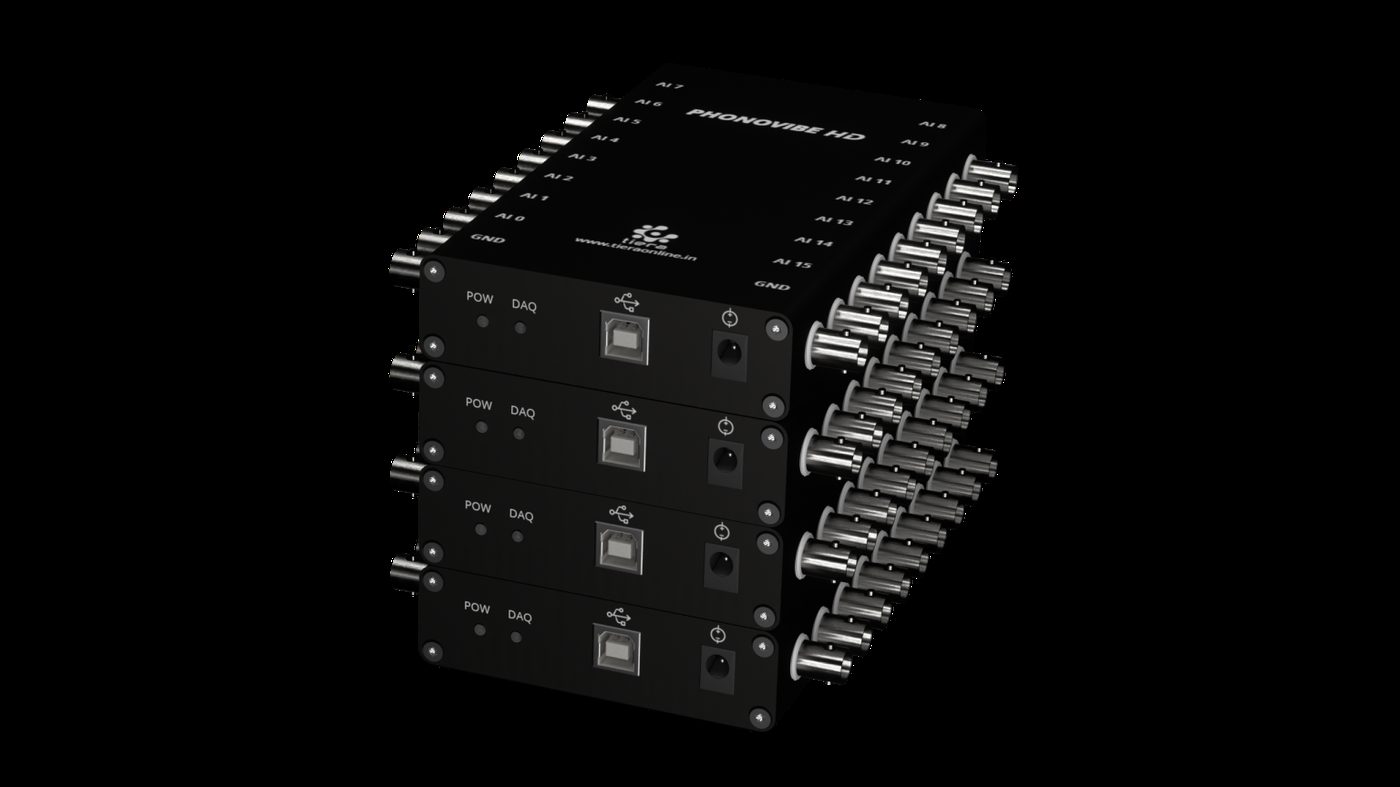

Utility rotating equipment is mostly unglamorous and entirely load-bearing: ID and FD fans, boiler feed and cooling-water pumps, air compressors, cooling-tower drives, HVAC air handlers. They run continuously, they are often in places nobody walks past, and their failure modes are ordinary — unbalance, misalignment, looseness, bearings — which is exactly why a routine measurement catches them.
The route, and what it costs to run
A route is a fixed set of measurement points, measured the same way, on a fixed interval. The discipline is the programme: same point, same mount, same settings, every visit, or the trend is not a trend. Rotating machinery condition monitoring is the workflow, and designing a vibration route covers where the points should be.
The assets a route never reaches
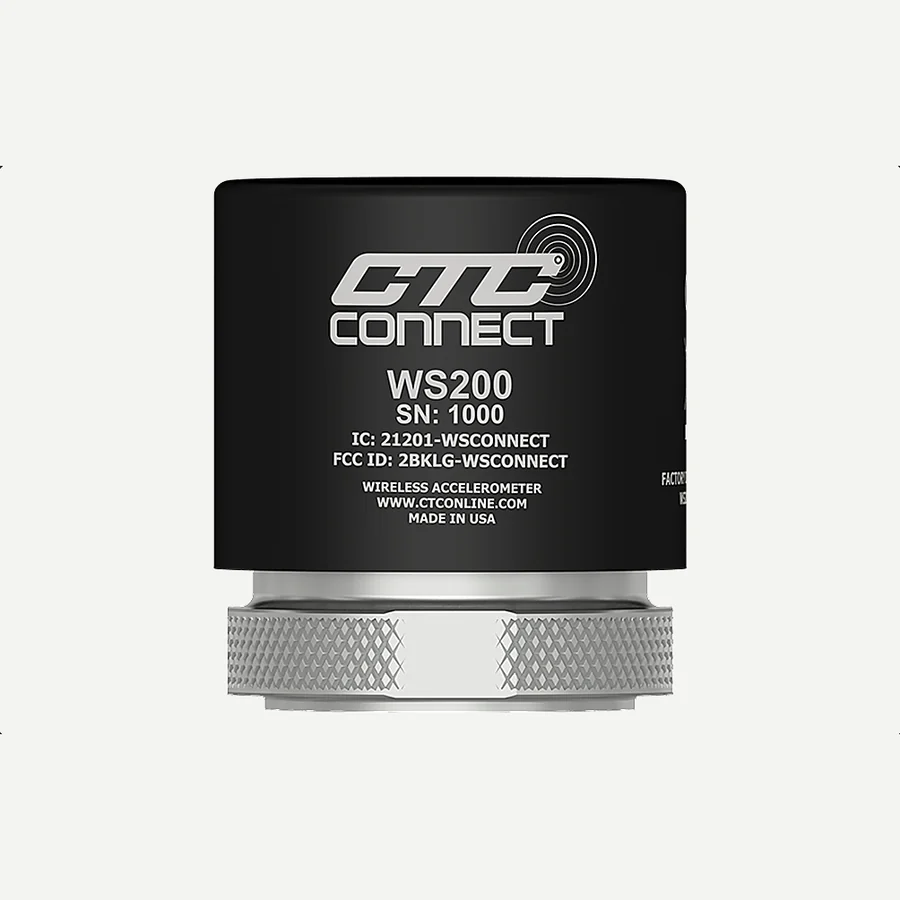
Every plant has them: the roof-mounted fan, the tower drive, the pump at the far end of the yard, the machine behind a permit. Wireless nodes exist for exactly these, and the two questions that decide whether they work are coverage and what the node can send.
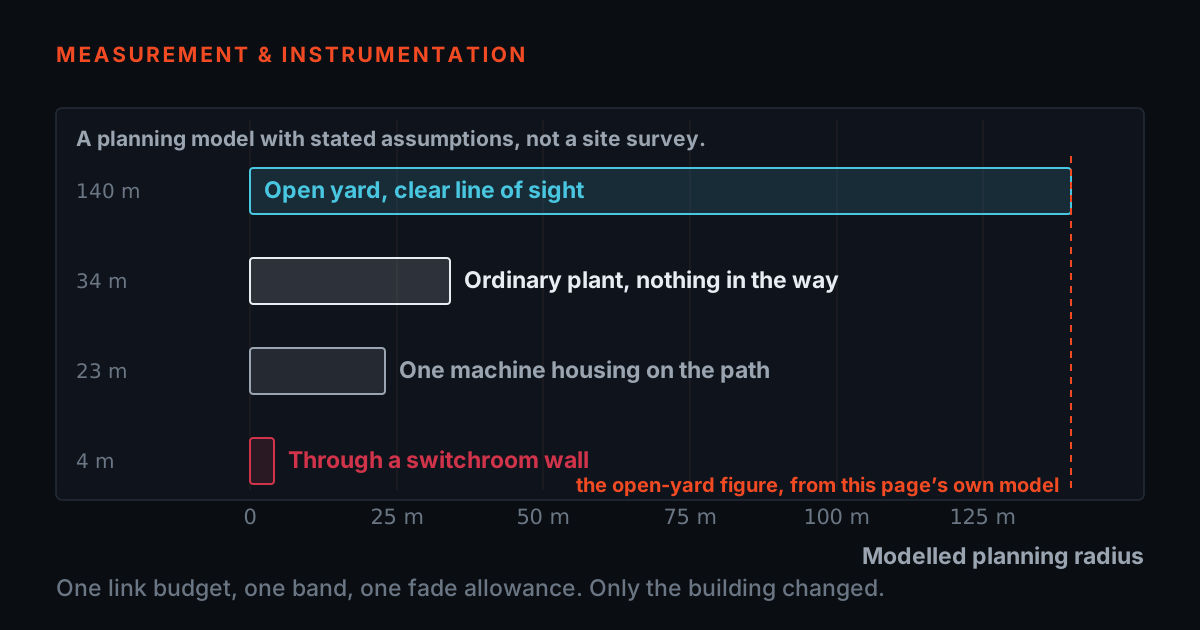
Coverage is a survey, not a number — steel, concrete and distance take range away, and planning wireless gateway coverage sets out how to plan it honestly. What the node sends decides what you can diagnose: overall value or waveform is the difference between knowing a machine changed and knowing why. Wireless condition monitoring is the workflow.
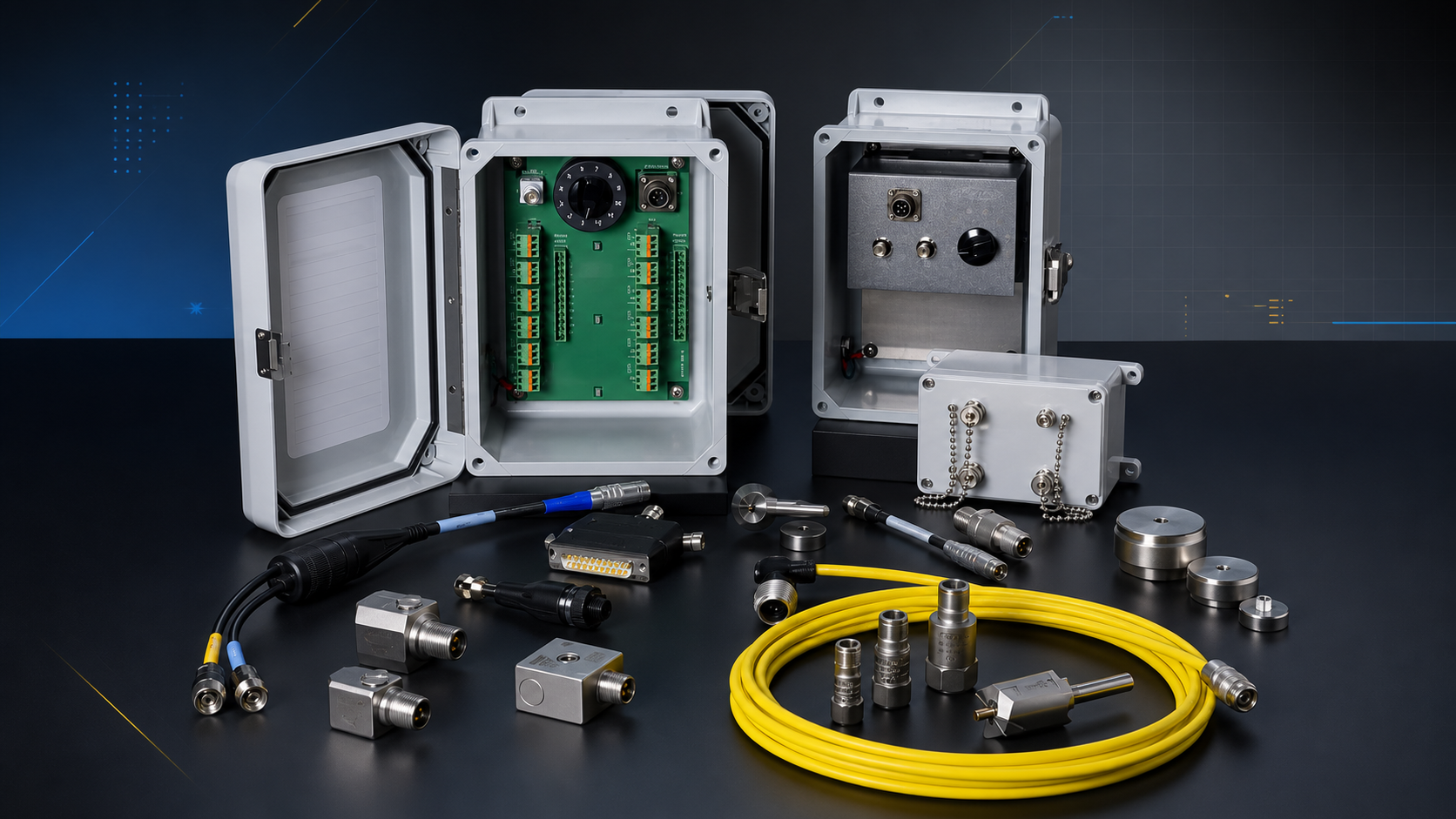
Where the area is classified, hazardous-area vibration monitoring sets out what has to be verified — the zone on the certificate, the barrier in the loop — before anything is installed.
Balancing, on the machine
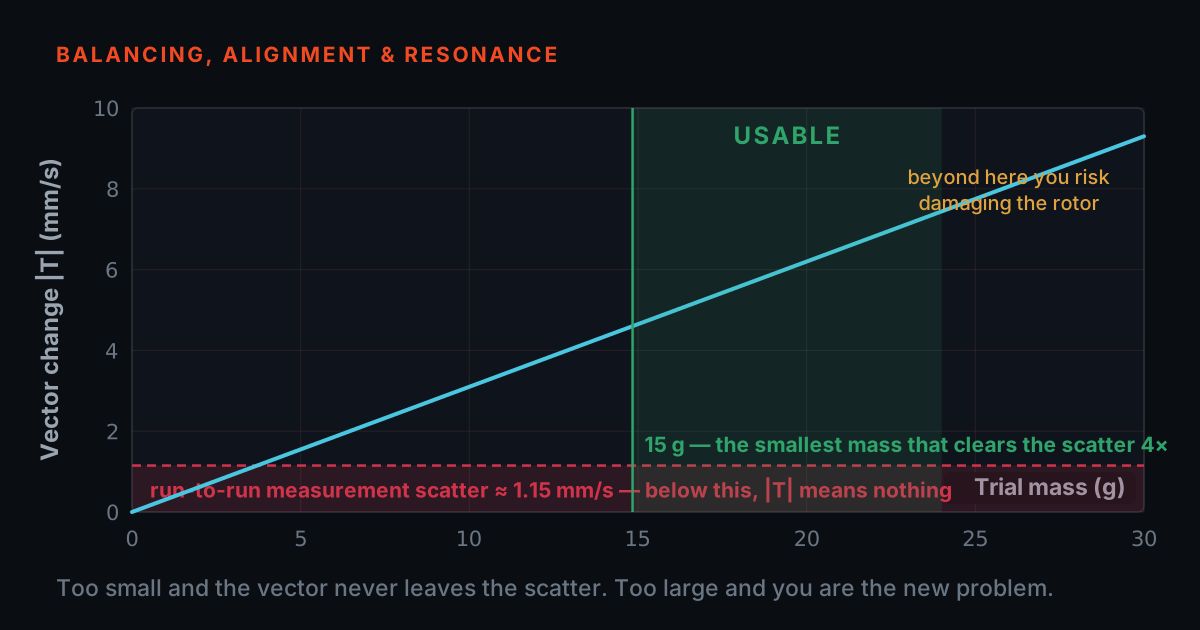
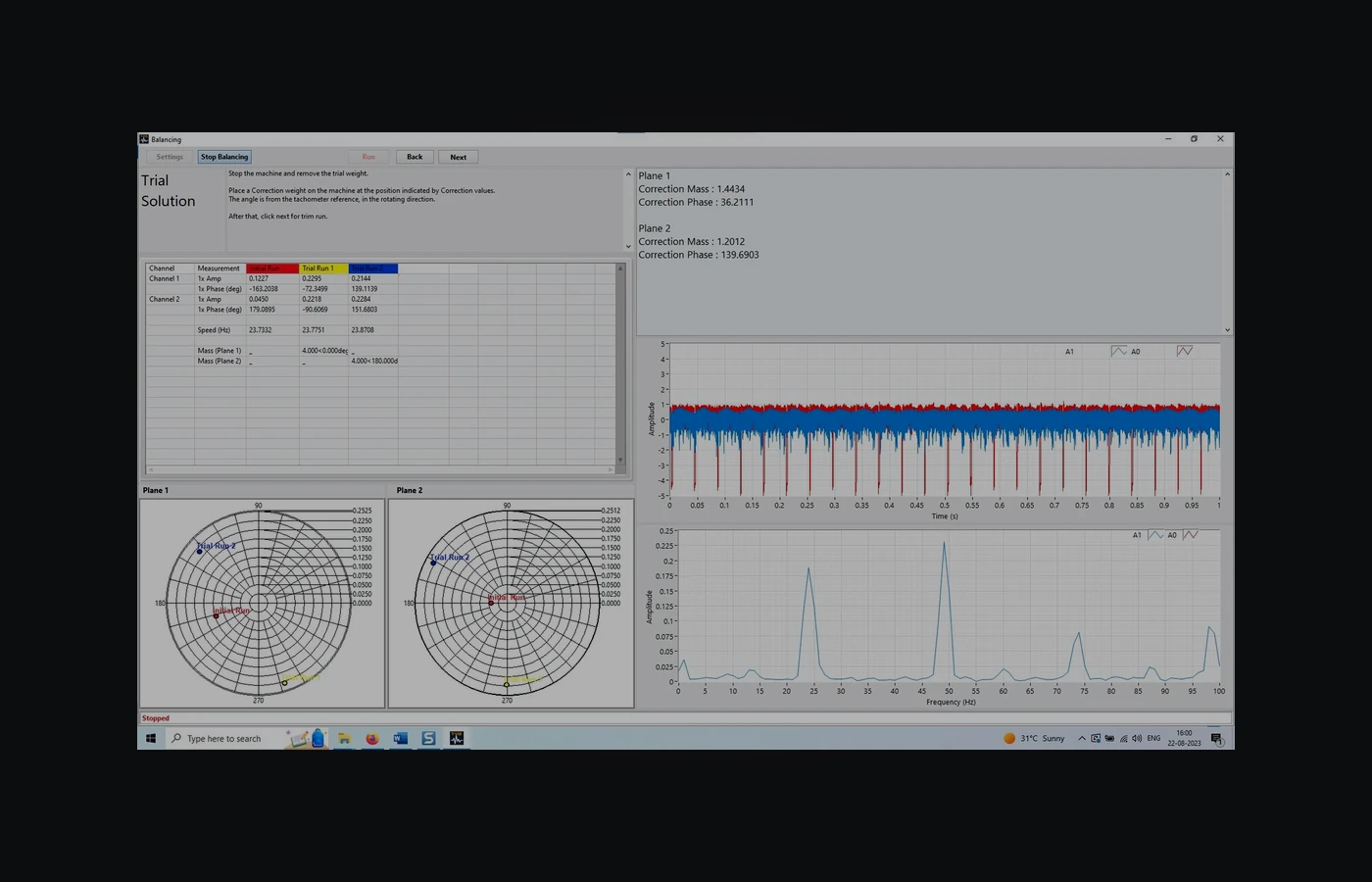
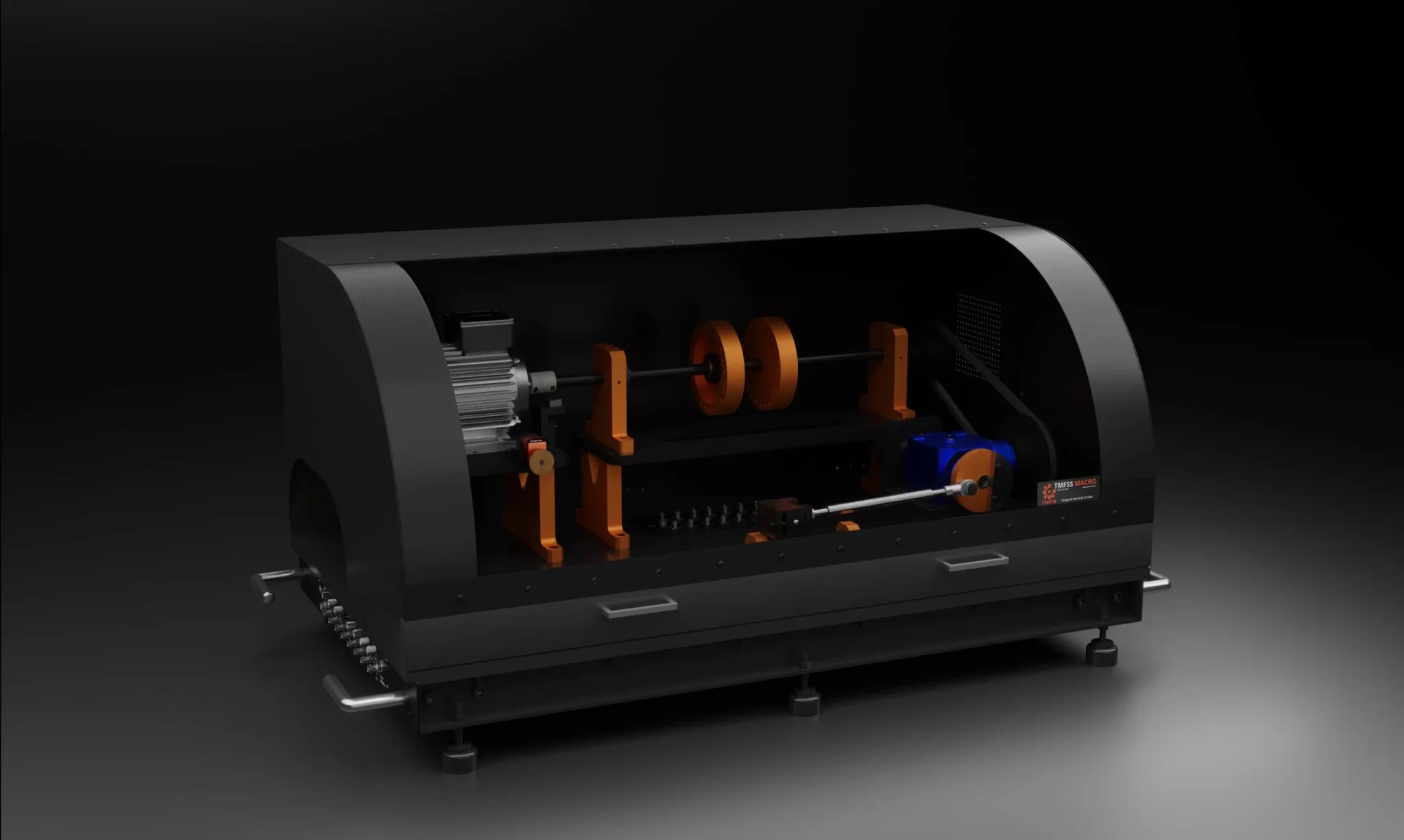
Most fan and pump vibration that rises slowly is unbalance, and most of it can be corrected in place. TVIB TB 210 runs a one- or two-plane field balance: measure, add a trial weight, measure again, and the influence coefficients give the correction weight and its angle.
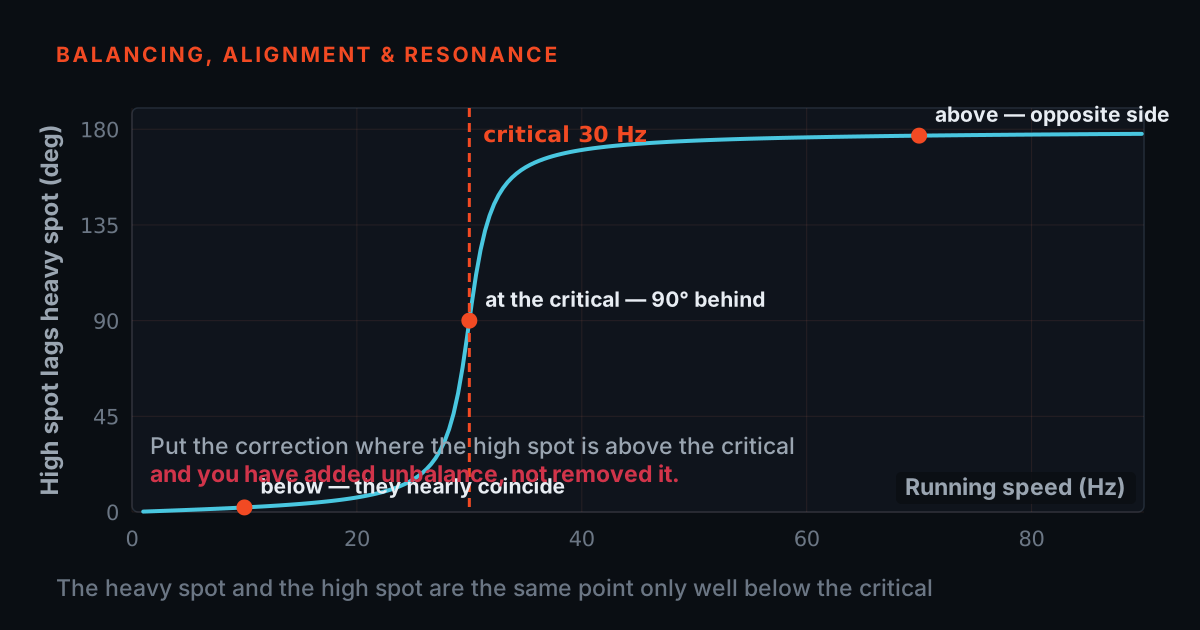
The part that surprises people is where the weight goes. Heavy spot versus high spot explains why the correction is not at the point of maximum vibration: the phase lag between force and response depends on how close the running speed sits to the rotor’s resonance, and it approaches 180° as you pass through it. Trial weights and the arithmetic behind them are in balancing a rotor in place.
The standards this work is judged against
Vibration severity is evaluated under the ISO 20816 series, by machine class and by whether the support is rigid or flexible — which is why a single acceptable number does not exist across a plant. Balance quality grades come from the ISO 21940 series. Analyst competence is defined by ISO 18436-2, and TIERA’s Category I and Category II courses are aligned to it. TIERA describes these standards and builds to them; a plant programme should work from its own controlled copies.
Where to start
If nothing is monitored today, start with a route on the twenty machines whose failure would stop production, and read starting a condition-monitoring programme. If the machines are already monitored and one keeps coming back, the question is usually whether it is unbalance or resonance — is it resonance, or is it the force? settles it with a bump test rather than another balance run.
The workflows behind this
Each one is a full measurement route with its own instrument list.
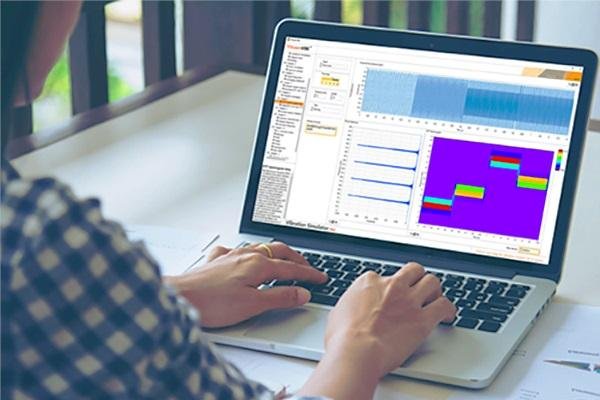
Rotating Machinery Condition Monitoring
Route-based vibration measurement, spectral analysis, and trend monitoring for plant maintenance teams running a predictive maintenance program on fans, pumps, motors, and compressors.
Open the workflow →Wireless Condition Monitoring for Assets a Cable Never Justified
Permanent vibration coverage for the machines a route reaches too rarely and a cable run would never pay for — ConnectSens sensors, an Access2000 gateway on your own network, and no cloud subscription.
Open the workflow →Vibration Monitoring in ATEX/IECEx Hazardous Areas
Certified accelerometers, loop-power transmitters, proximity probe sets and intrinsically safe barriers for plants with classified areas — supplied against your own area classification, not chosen from a web page.
Open the workflow →