Every condition monitoring programme has machines that never make the route. An elevated fan. A pump in a pit that needs a permit to enter. Thirty small motors seen once a quarter, if that. Cabling them costs more than the machine, and a quarterly reading finds a bearing fault a month after it mattered. Wireless does not replace the route — it covers what the route cannot reach.
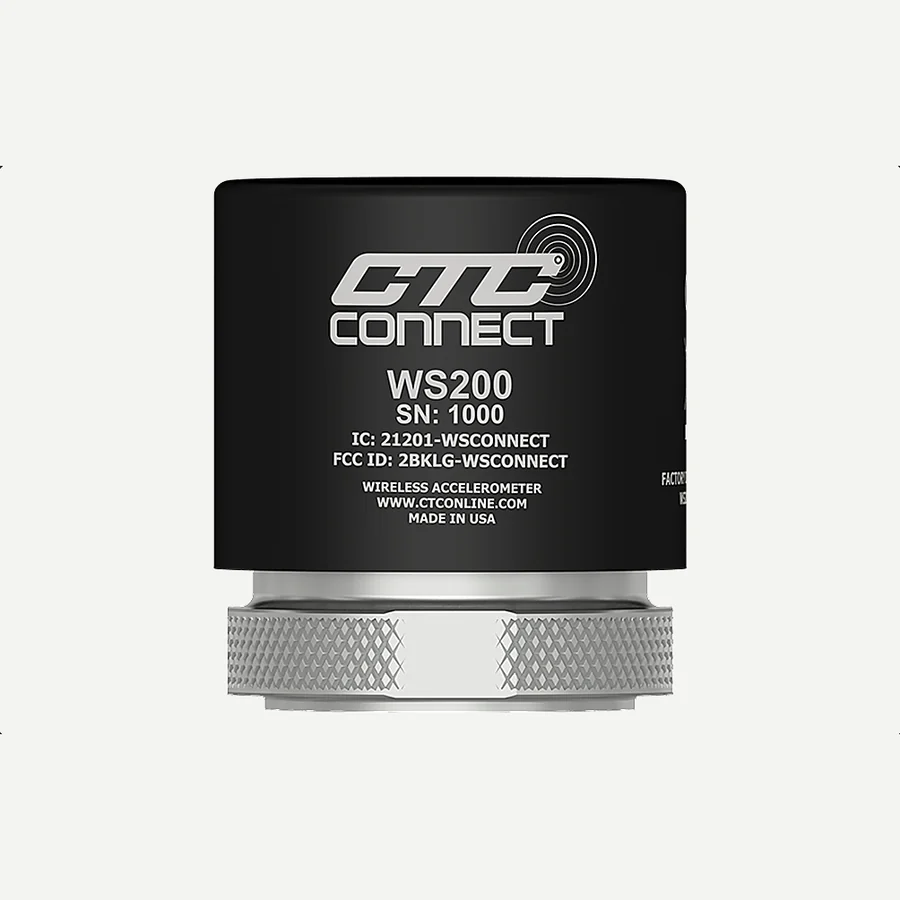
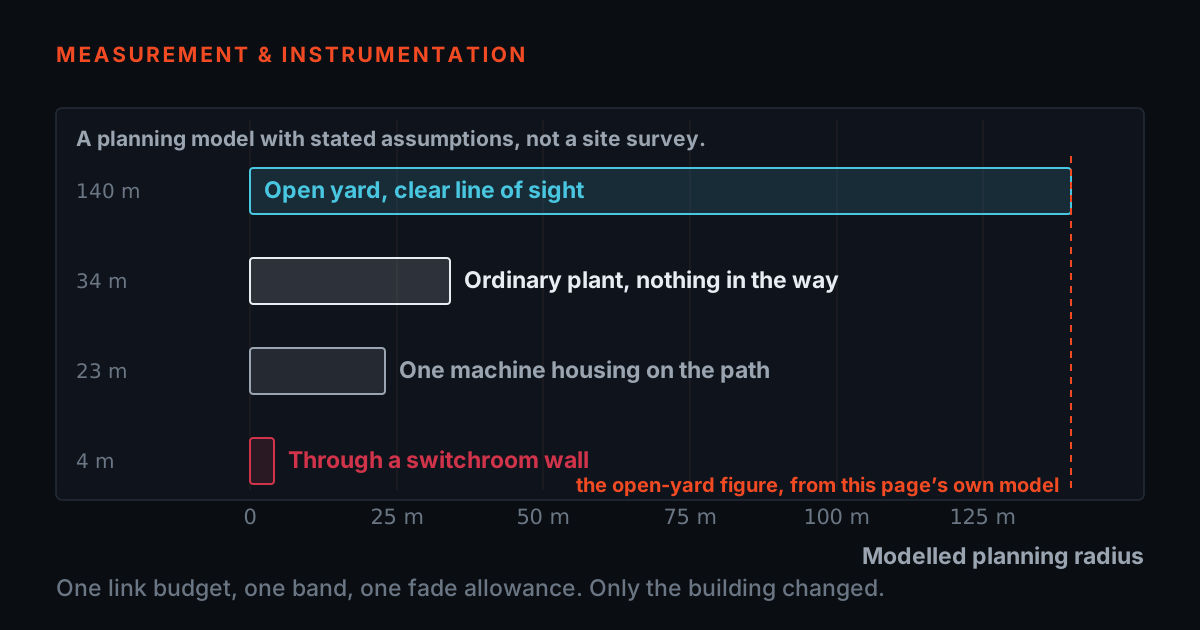
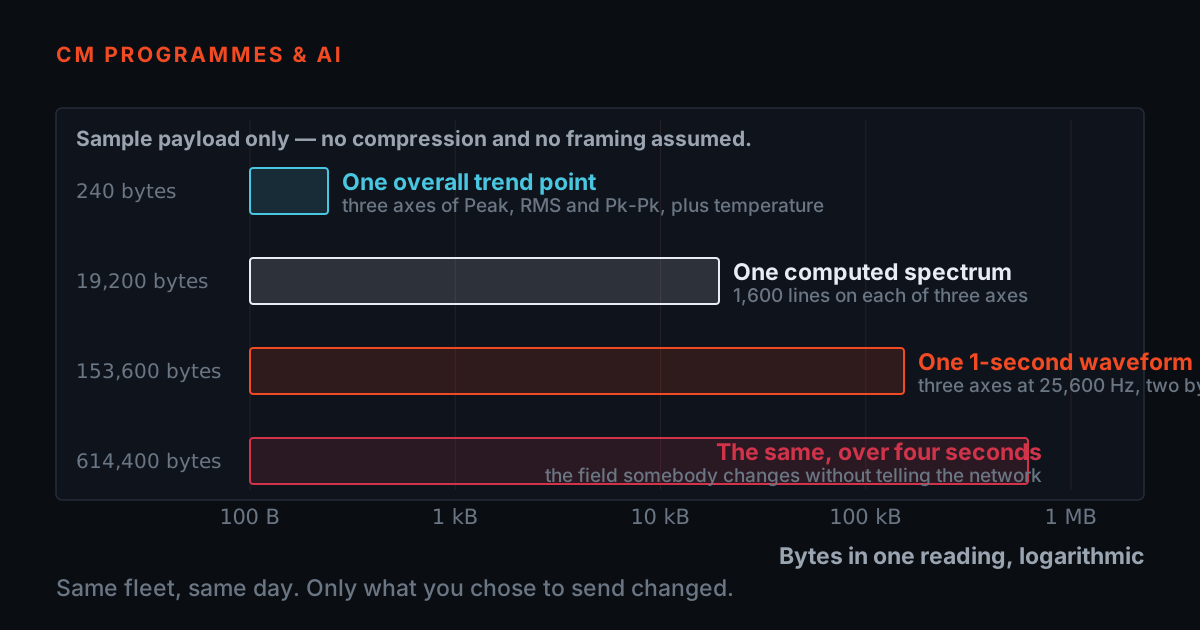
Choose the sensor per point. WS200 ConnectSens is single-axis: dynamic waveform plus temperature, from the one direction that matters on that bearing. WS300 ConnectSens returns the same dynamic waveform triaxially. Both use Bluetooth Low Energy 5.2 at roughly 366 m (1,200 ft) line of sight. Waveform, not just an overall value — so you can read a spectrum afterwards, not only a rising bar.
Put the gateway where the sensors can see it. Access2000 takes BLE in and Gigabit Ethernet with 802.3af PoE out. It holds 20 concurrent sensor connections; past that, acquisition latency degrades rather than function, so a dense area takes a second gateway. Data stays on the gateway and your network — no cloud dependency, no recurring fee. Add PoE injectors where there is no powered port, antennas where the path is awkward.
Start with a kit, roll out in packs. The WSK and KWSXX-2000 starter kits cover one machine group, so you prove coverage before committing. Scale with the 16-pack of WS200 or WS300 sensors.
Plan the battery before the install. Each sensor runs a user-replaceable 3.6 V 1 Ah lithium thionyl chloride cell, rated one to four years at two readings per day — that cadence is the planning basis, and reading more often shortens it. Replace at four years regardless of what the sensor reports, and at two years above 50 °C ambient. Order replacement batteries with the sensors.
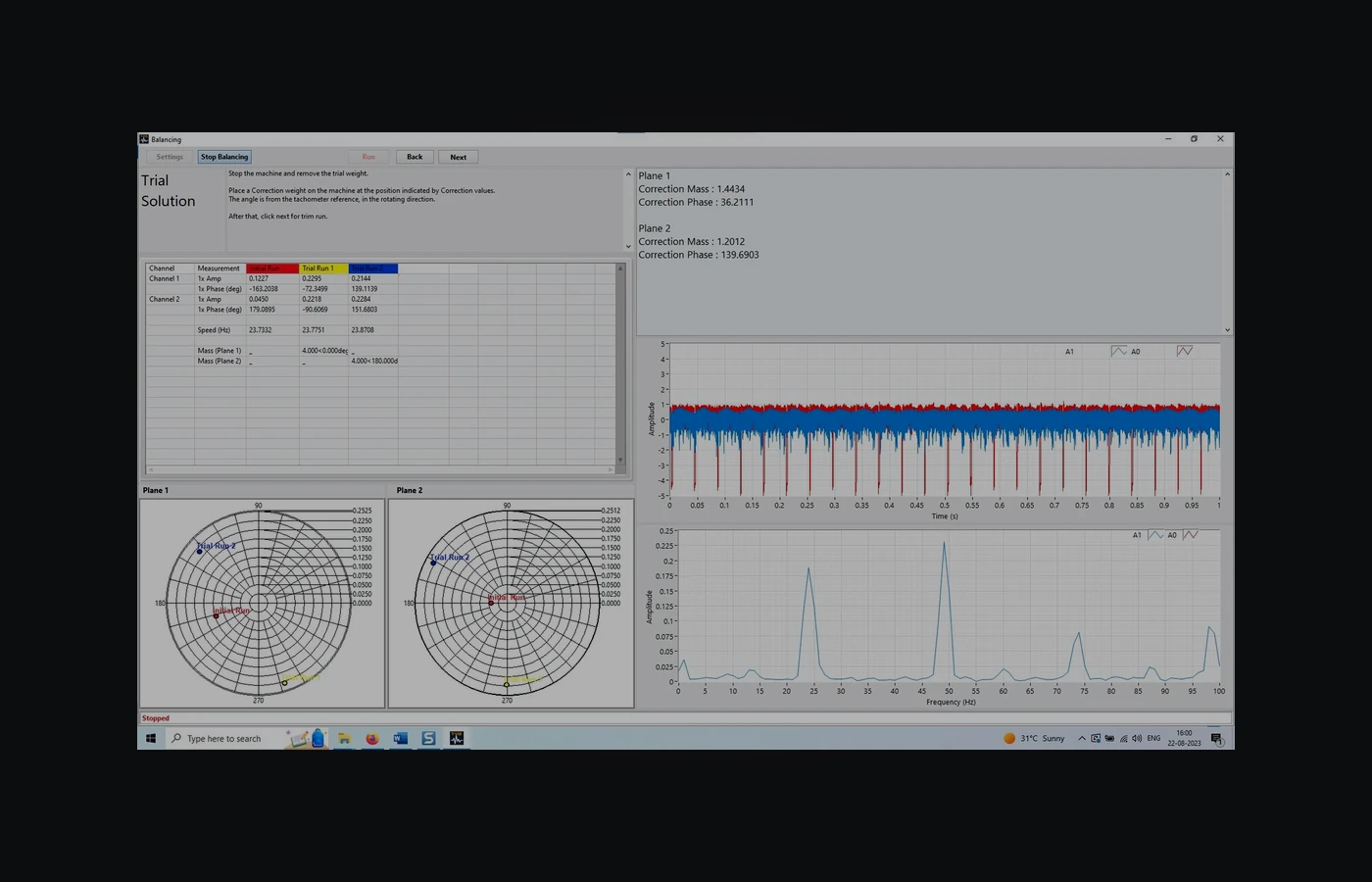
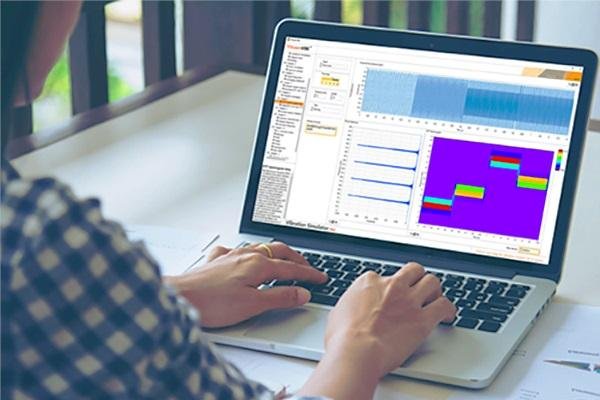
Be honest about the software. ConnectView ships on the gateway, and its manufacturer calls it basic vibration tools, “designed to be integrated with 3rd-party vibration analysis software… not intended to provide in-depth analysis features”. Take that at face value: it registers sensors, groups them by machine, sets alert levels, shows battery state and pulls an on-demand reading. Naming a fault belongs in an analysis package — TVIB, on the wired side of the same programme — and the gateway exposes MQTT and WebSocket so the data can get there.
Where wireless is the wrong answer. These are MEMS sensors, best suited below 10 kHz; high-speed machinery and broad-bandwidth work still want a wired sensor. A reading every few hours screens, it does not protect — critical turbomachinery keeps its wired online system. Wireless earns its place on the assets that have nothing at all today.