
TIERA Book demo ->
Sound & Vibration

Accelerometer & DAQ Selection 101

Choose the right sensor and analyzer for the job — IEPE vs charge, sensitivity, bandwidth, dynamic range, sample rate, and where a wireless sensor fits.

The best analysis in the world cannot rescue data taken with the wrong sensor. Accelerometer & DAQ Selection 101 teaches you to specify the measurement chain — sensor and analyzer — so it fits the machine and the fault you are hunting. You will learn how a piezoelectric accelerometer turns motion into a signal, why IEPE and charge-mode sensors suit different environments, and how sensitivity and bandwidth decide what you can and cannot see.

From there the course covers the practical limits that trip beginners up: the mounted-resonance frequency that caps a sensor’s usable range, the difference between a high-sensitivity sensor for low-speed machines and a wide-band sensor for bearings and gears, and the DAQ side — what 24-bit dynamic range buys you and how sample rate ties back to the frequencies you want to measure. You will finish able to walk into a store or a datasheet and choose a sensor and analyzer on purpose rather than by habit, including using TEDS so each sensor carries its own calibration.

What you'll be able to do
  • Choose between IEPE and charge-mode accelerometers
  • Match sensitivity and bandwidth to the measurement
  • Understand 24-bit dynamic range and sample rate
  • Respect the mounted-resonance limit of a sensor
  • Use TEDS to keep sensor data self-describing
  • Weigh a wireless sensor's noise floor and bandwidth against a wired one's
  • Know when wireless is the wrong answer for the job
Curriculum
  1. 01 How an accelerometer works — the piezoelectric element
  2. 02 IEPE (constant-current) vs charge-mode — when to use each
  3. 03 Sensitivity, bandwidth and the usable frequency range
  4. 04 The mounted resonance and its roll-off limit
  5. 05 DAQ essentials — 24-bit dynamic range and sample rate
  6. 06 TEDS, calibration and matching sensor to analyzer
  7. 07 Wireless accelerometers — MEMS vs piezoelectric, and the cabling cost they replace
  8. 08 Noise floor, band limit and battery life on a wireless sensor
  9. 09 Gateways, mounting and knowing when wireless is the wrong answer
Go deeper

Written for this course's subject, free to read, and none of it behind a form. Each one goes further than a primer can.

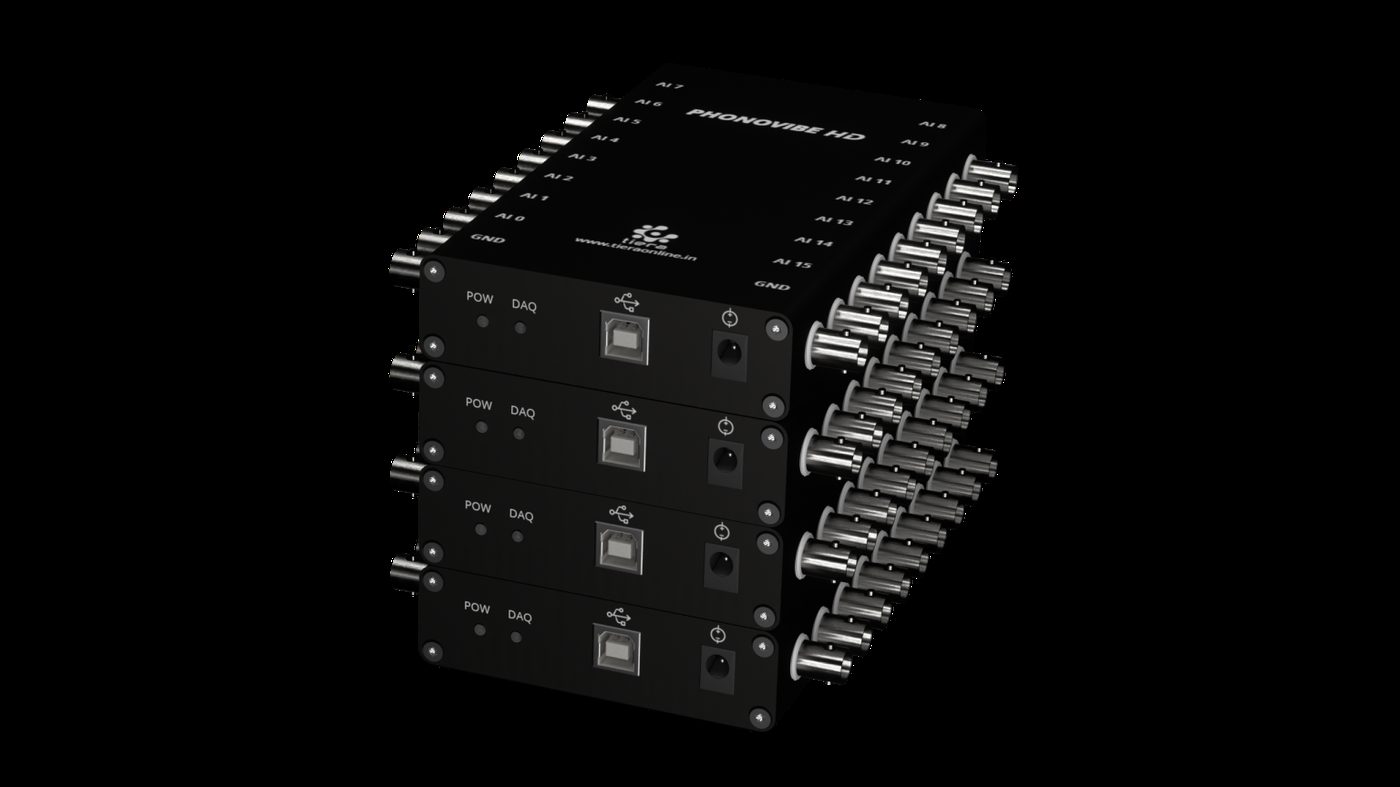
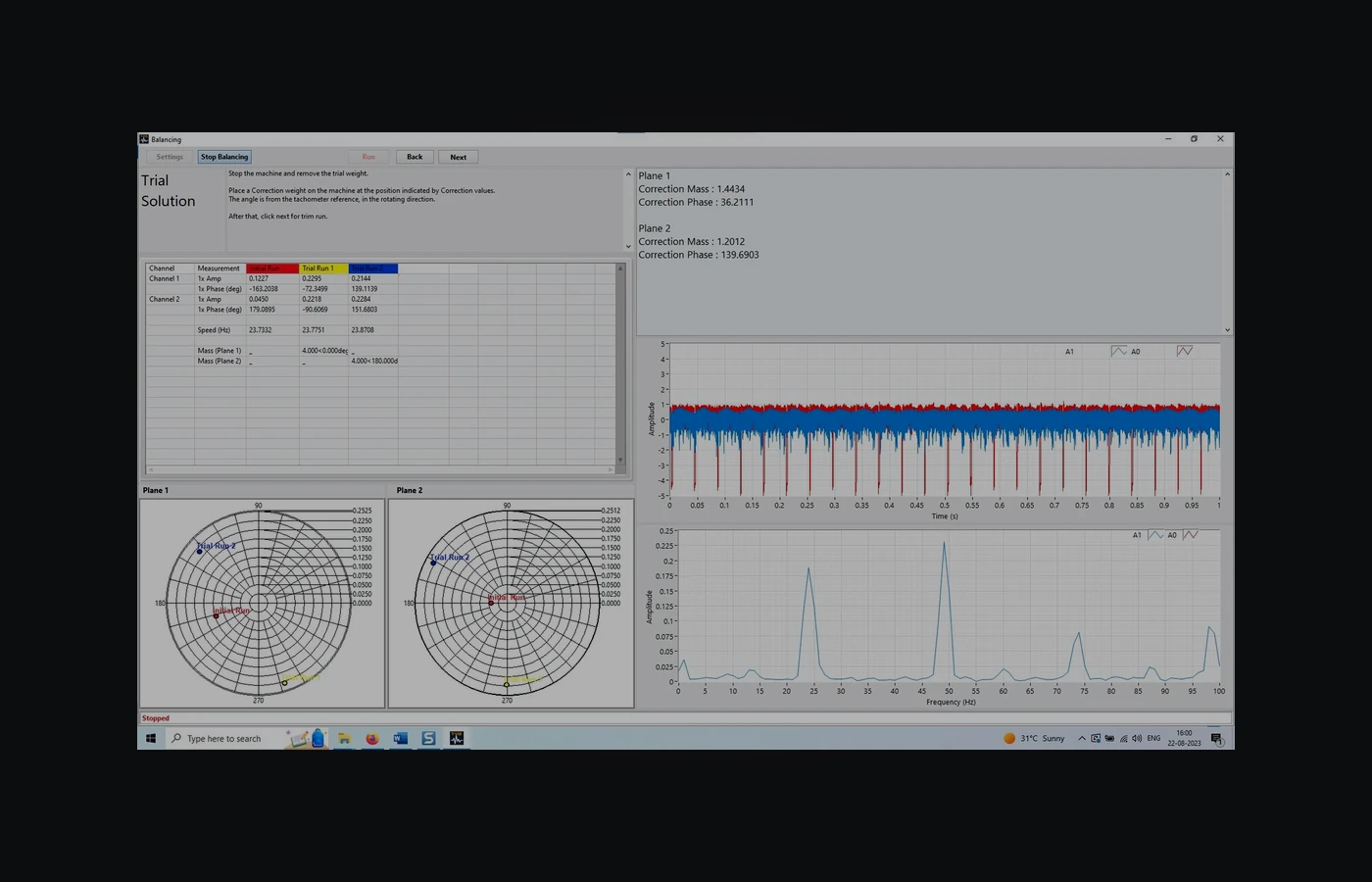
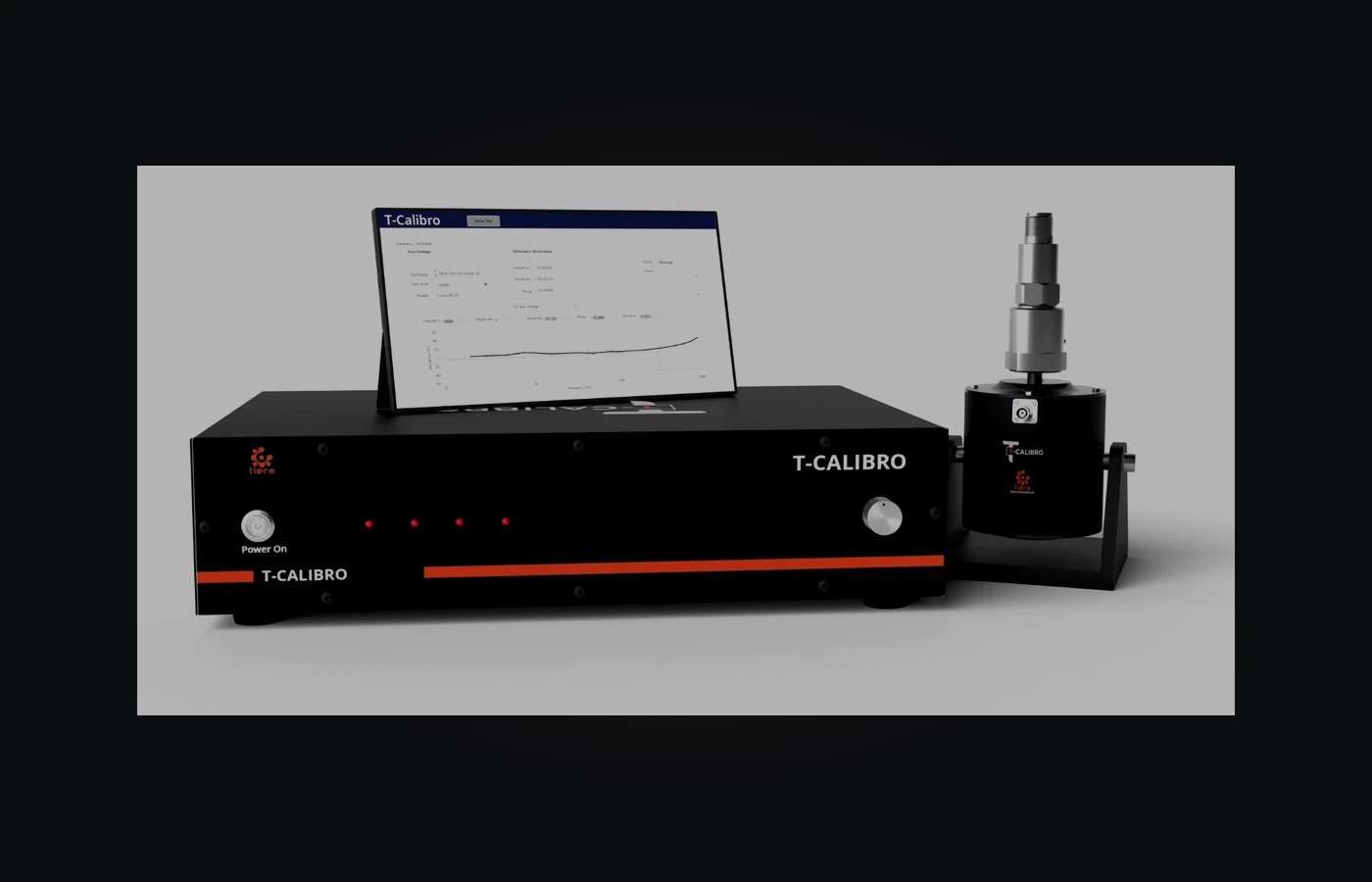
What the measurements are taken with

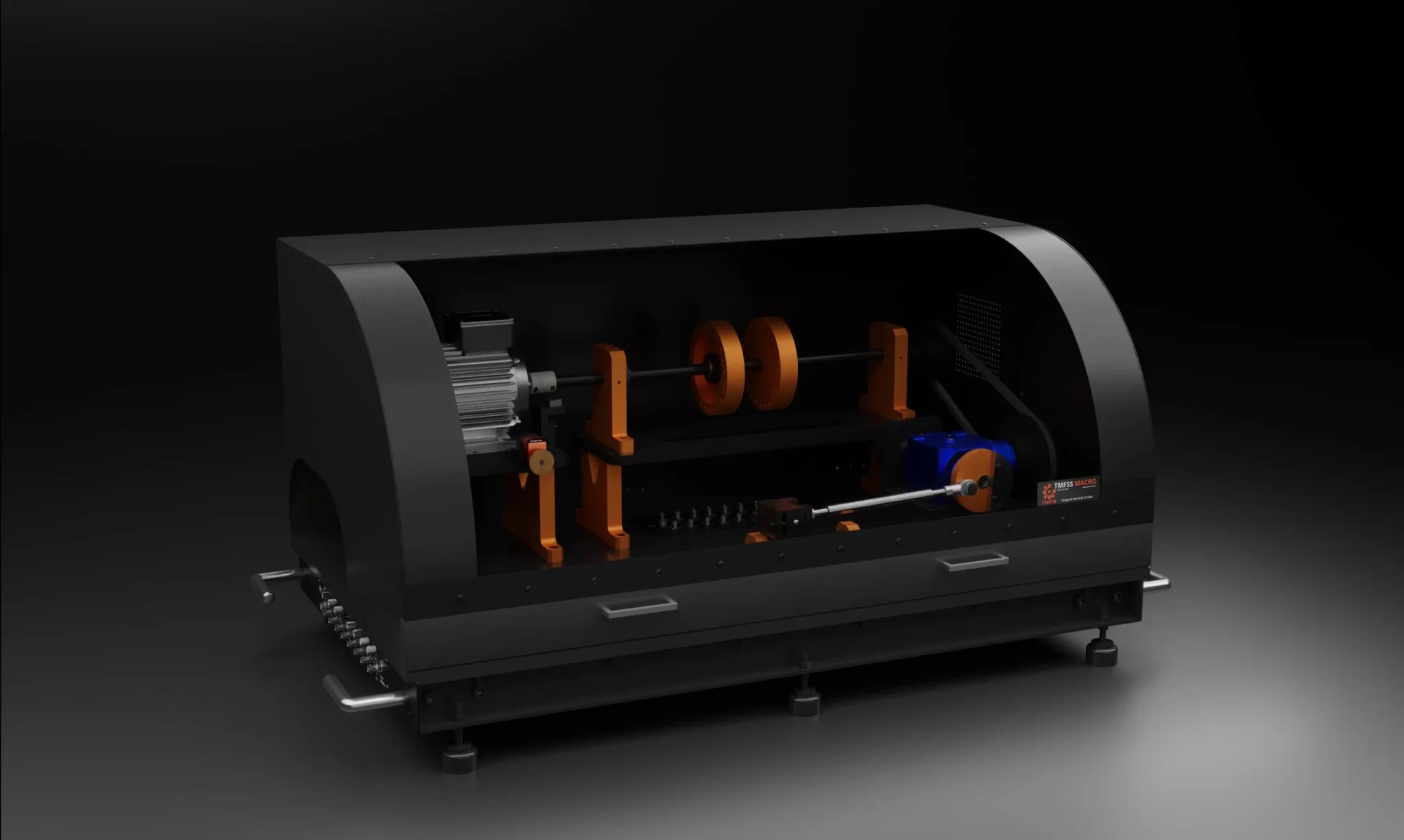
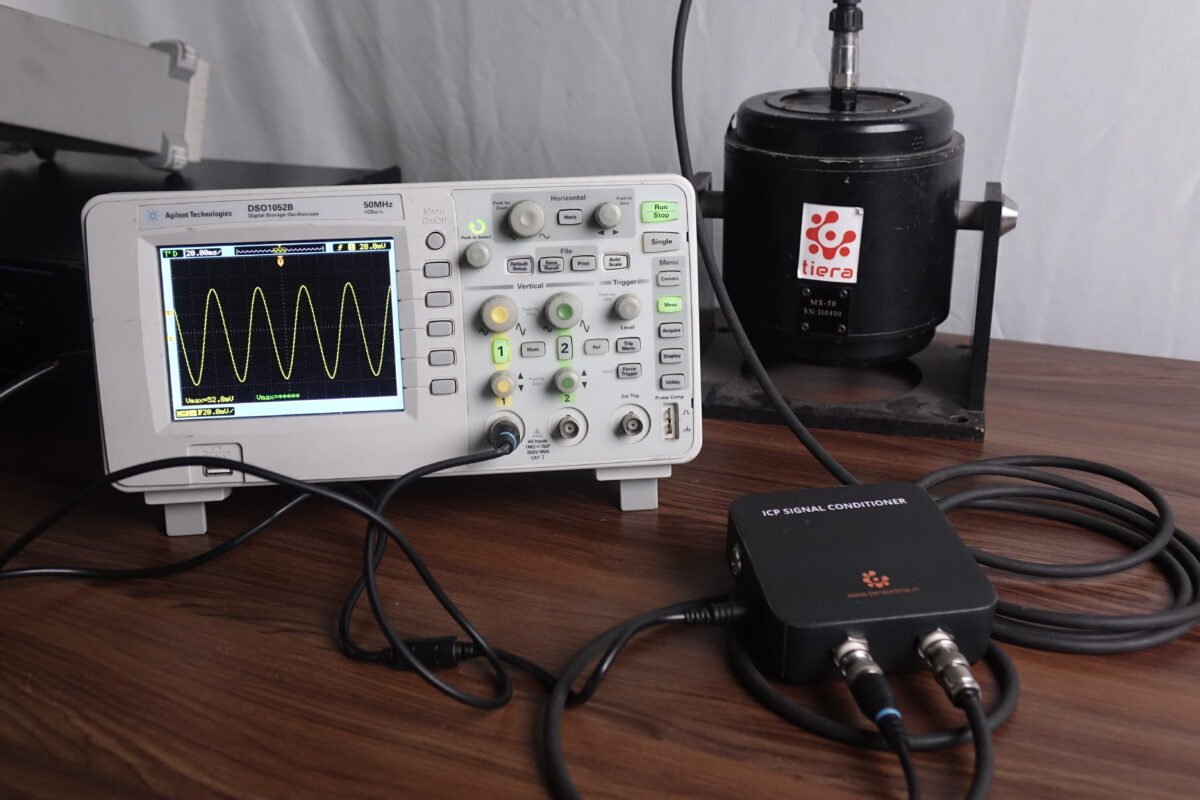
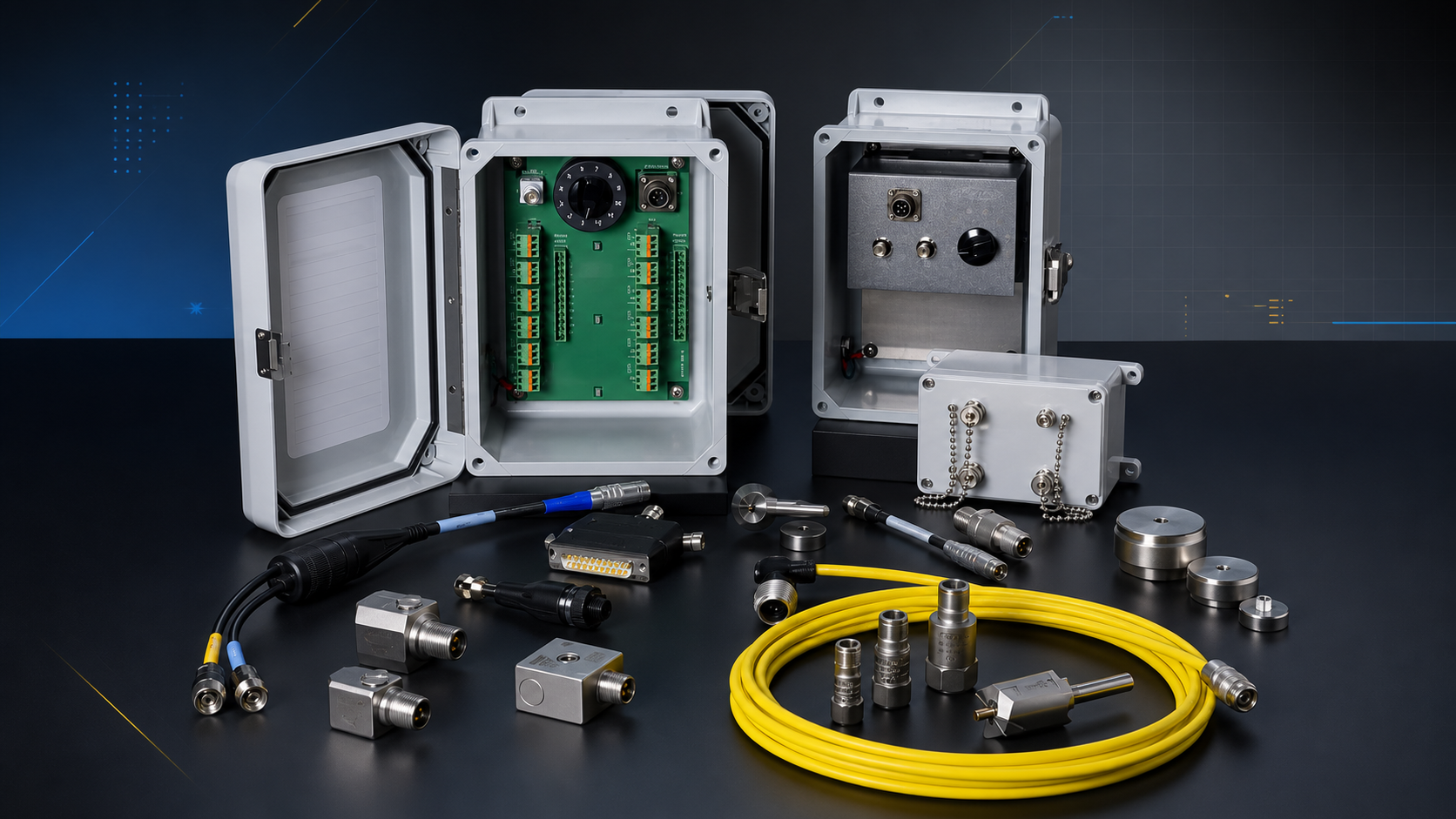
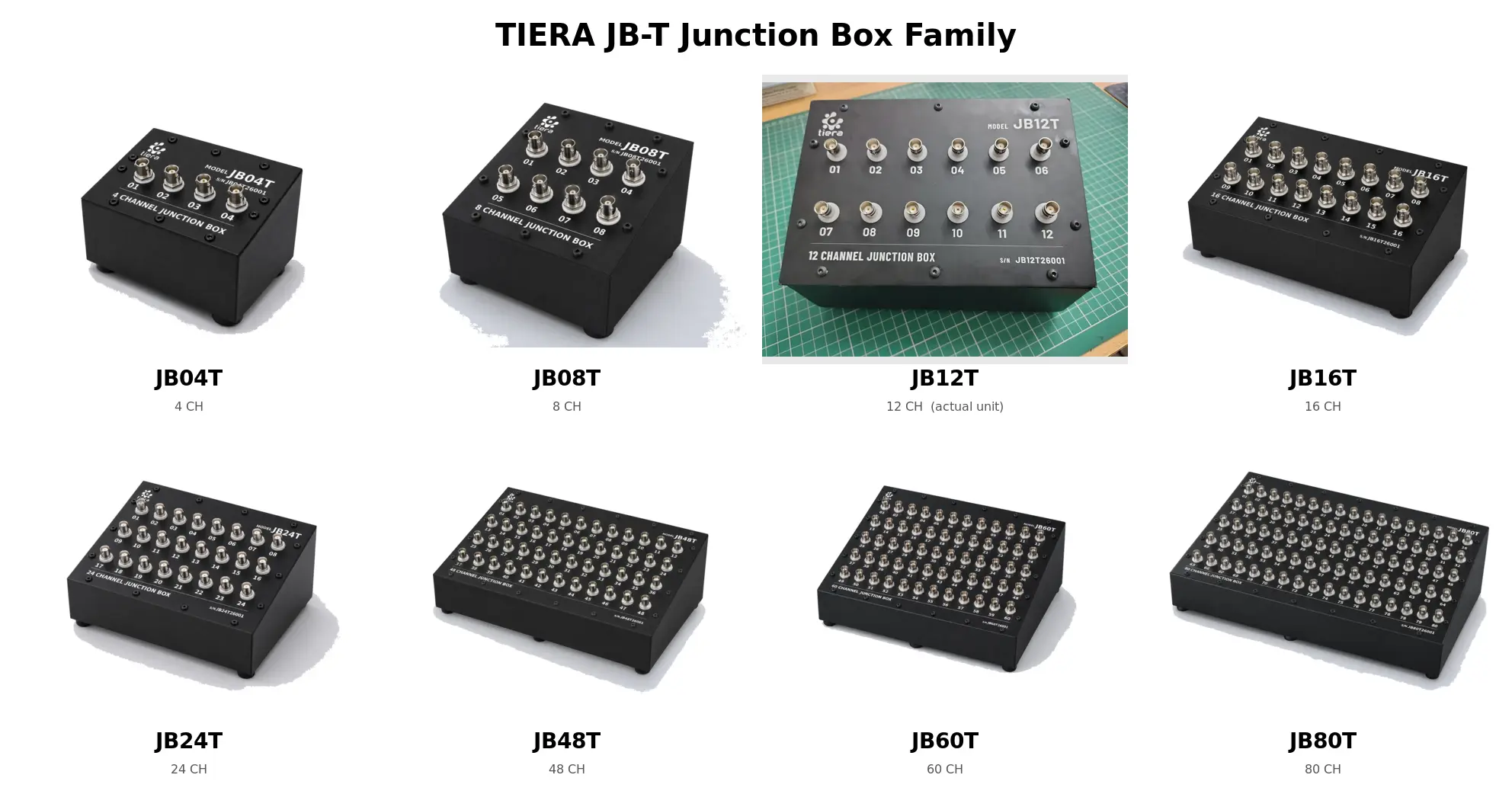
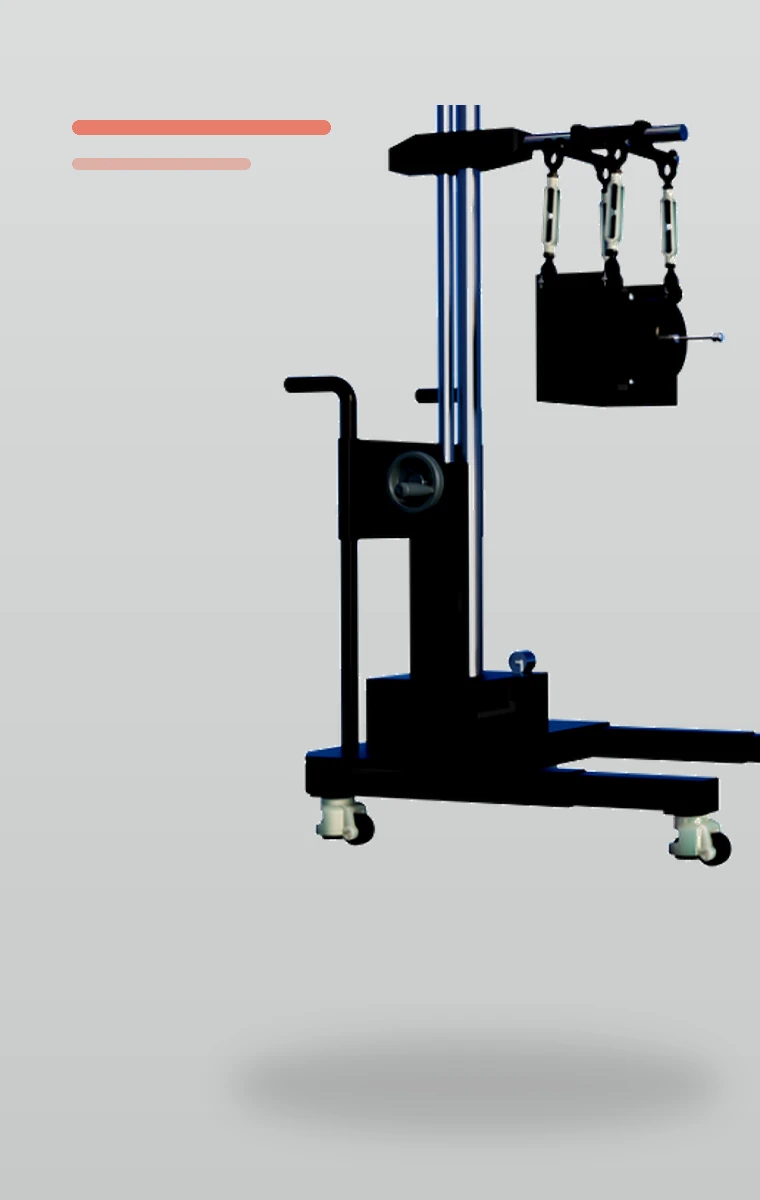
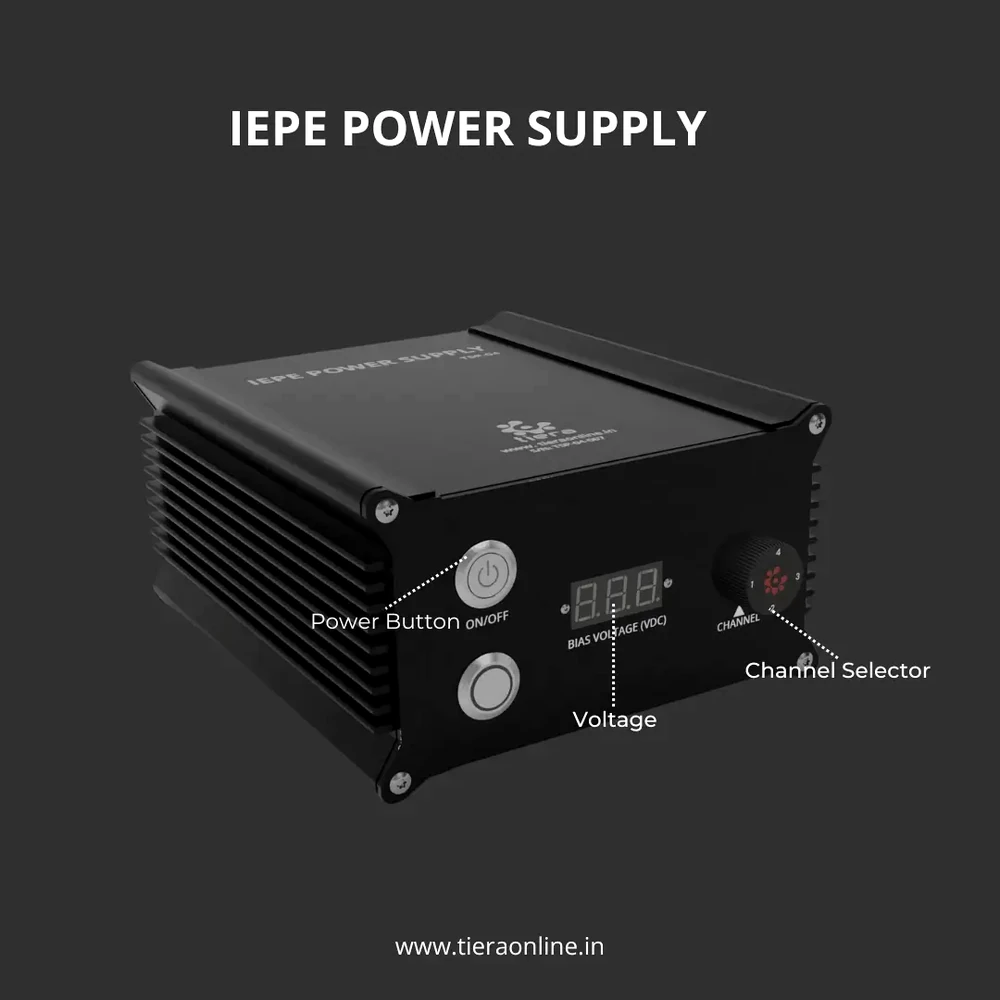
The instruments and rigs this subject is measured on, in case you want to see the hardware behind the worked examples. Nothing here is required to take the course — it is free and self-contained.

Book demo WhatsApp Call