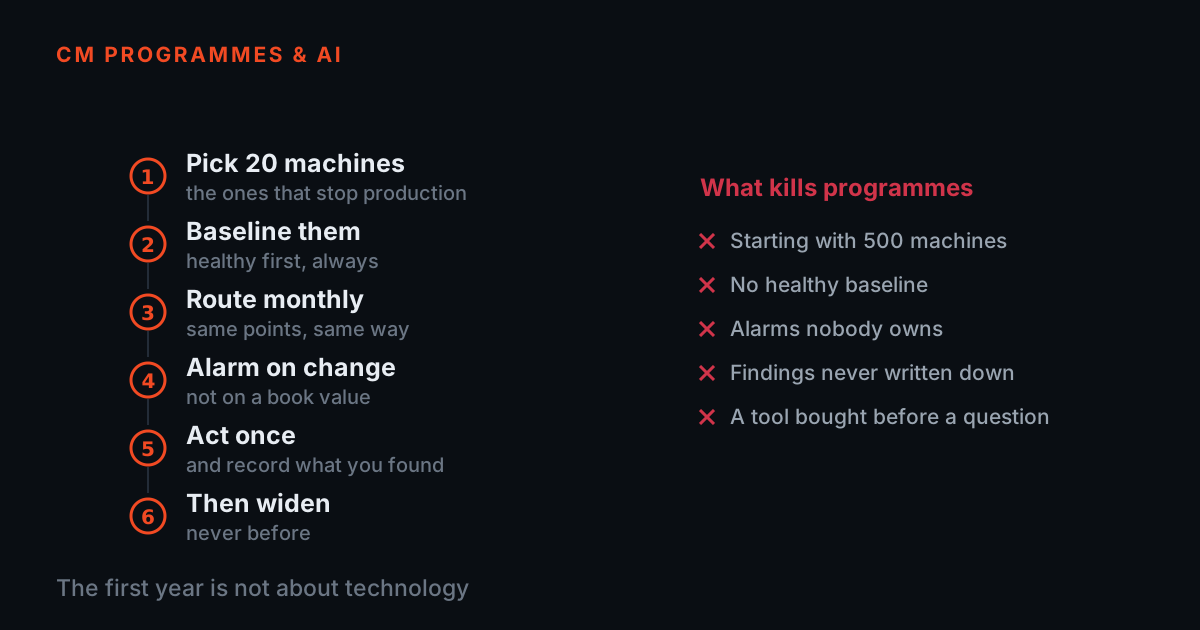

Most condition-monitoring programmes do not fail because the instrument was wrong. They fail in month four, when the route takes longer than the day allocated to it, the readings stop being taken at the same points, and the trend becomes a scatter plot nobody trusts.
So the first decisions are not about hardware.
Design the route before buying the instrument
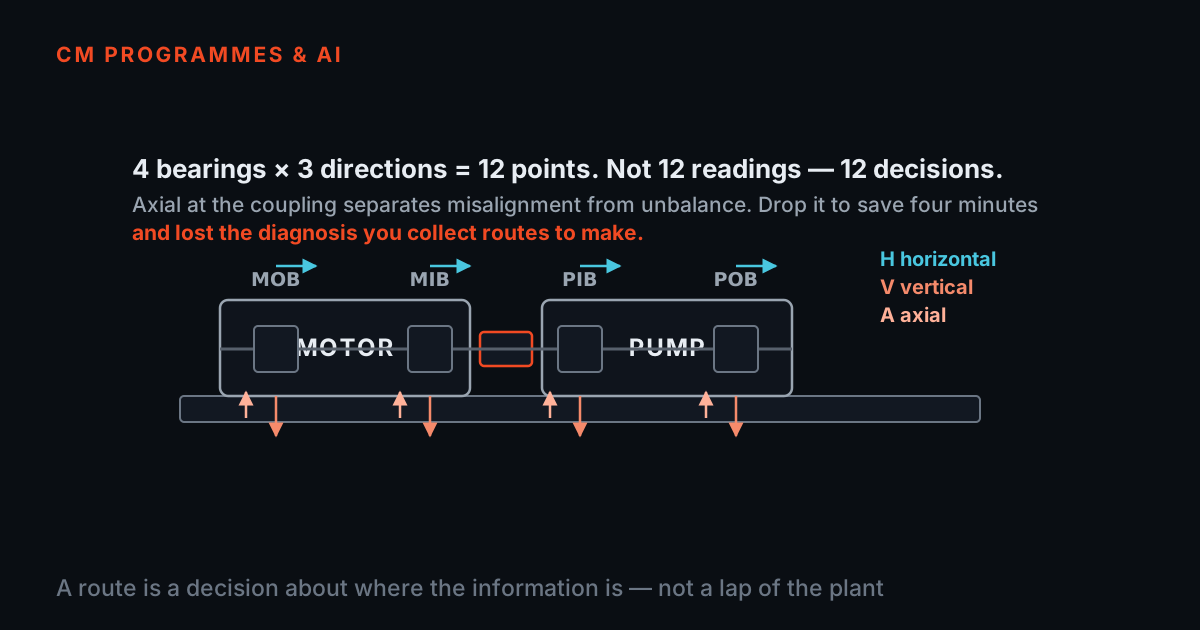
Where to measure, how many points, how often, and at what settings — every visit, the same. A spectrum captured at a different Fmax, a different averaging count or a different sensor mount is not comparable to the last one, and a trend built from incomparable readings is worse than no trend, because people act on it. Designing a vibration route covers the decisions; starting a programme without buying everything covers doing it on a real budget.
The three ways to get the data
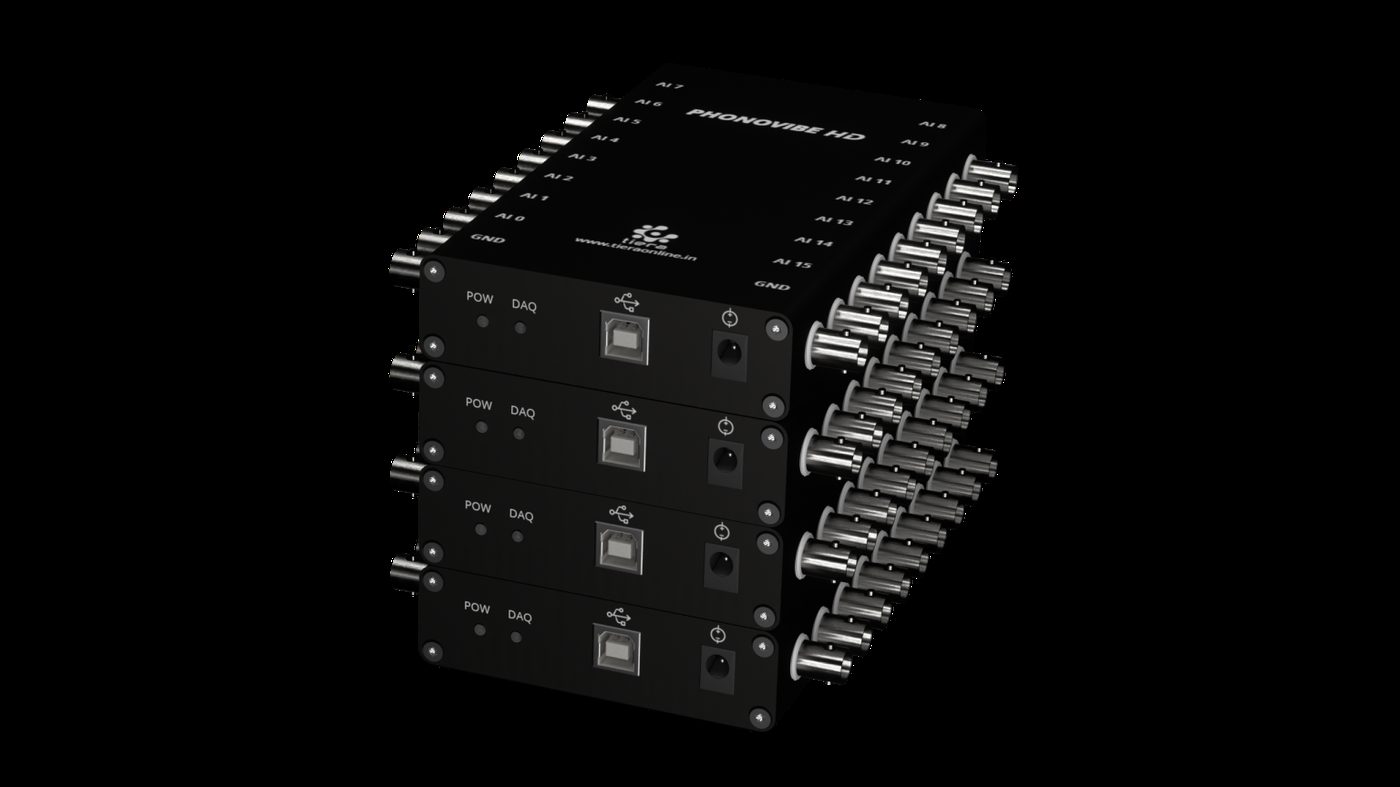
Walk the route. A portable PhonoVibe with an accelerometer and a magnetic mount, and TVIB to analyse and trend what comes back. This is the rotating machinery condition monitoring workflow, and for most plants it is where to begin.
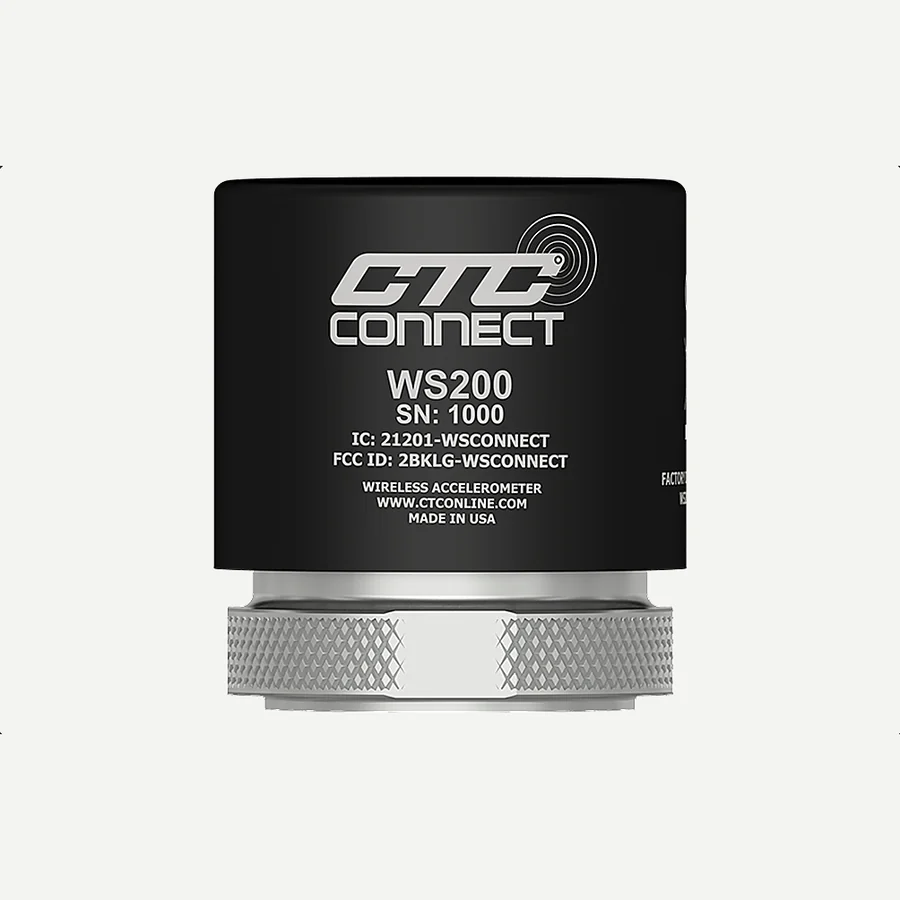
Leave sensors on the machine. Wireless nodes reach the assets a cable never did — the roof fan, the far end of the plant, the pump nobody walks to at night. The trade is what the node can actually send home: overall value or waveform is the question that decides whether you can diagnose a fault or only notice one. Wireless condition monitoring is the workflow.
Hazardous areas. Certified sensors, the right barrier, and the zone written on the part number rather than assumed. Vibration monitoring in ATEX/IECEx areas sets out what has to be verified before installation.
Alarms that people still listen to in month six
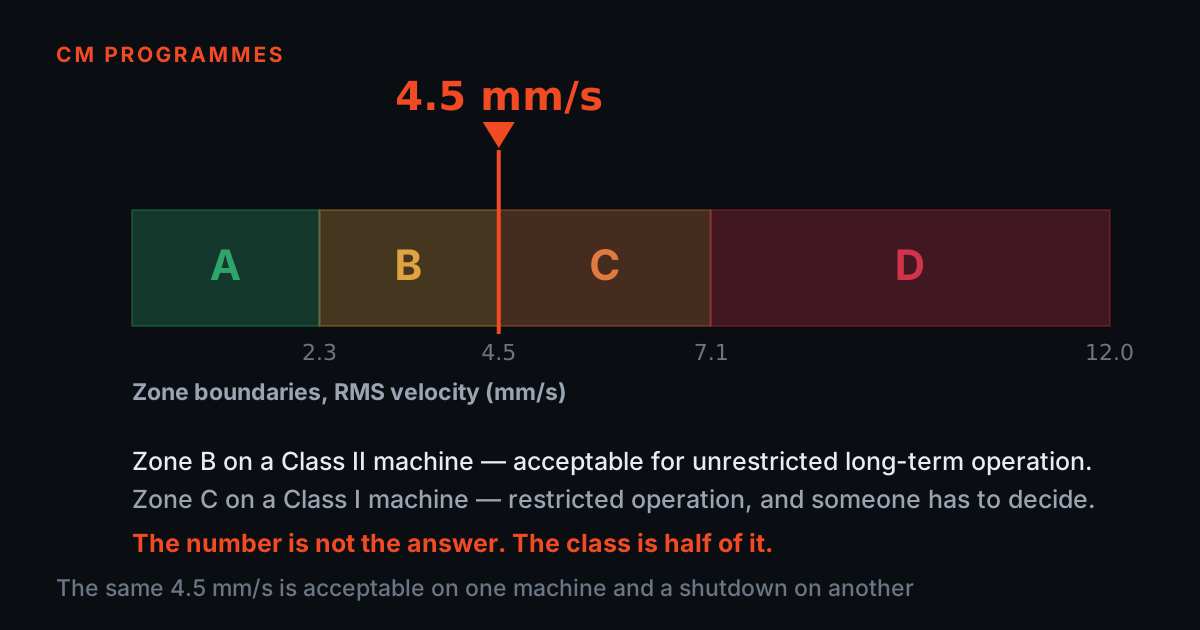
A threshold set too tight trains everyone to ignore it; set too loose it reports a failure that has already happened. Thresholds come from the machine’s own history and its class, not from a number someone remembered. The ISO 20816 series gives evaluation zones by machine class and mounting — which is why “4.5 mm/s” has no answer until you say what the machine is. Reading vibration severity without guessing works through it.
When the answer is “fix it”
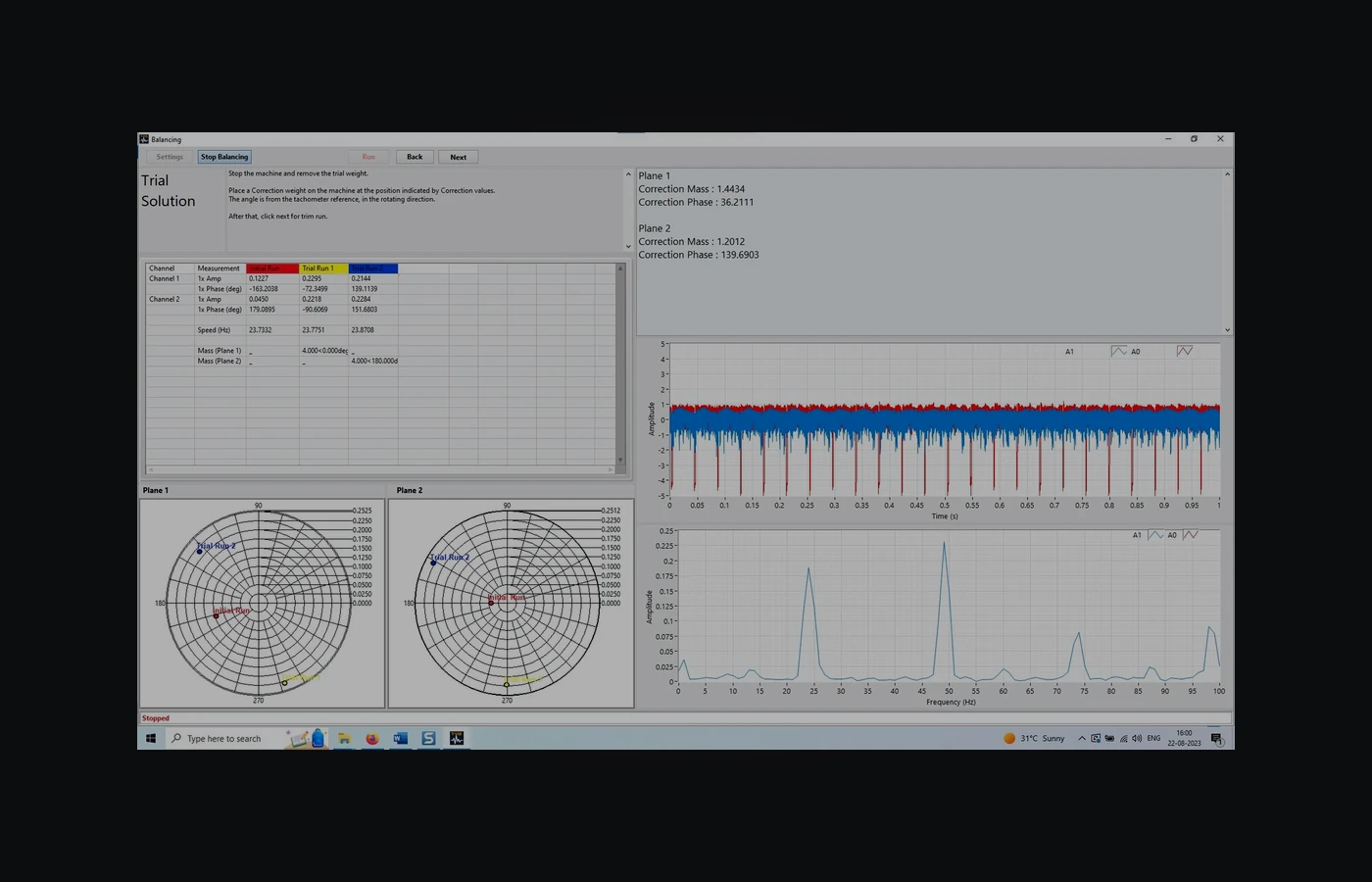
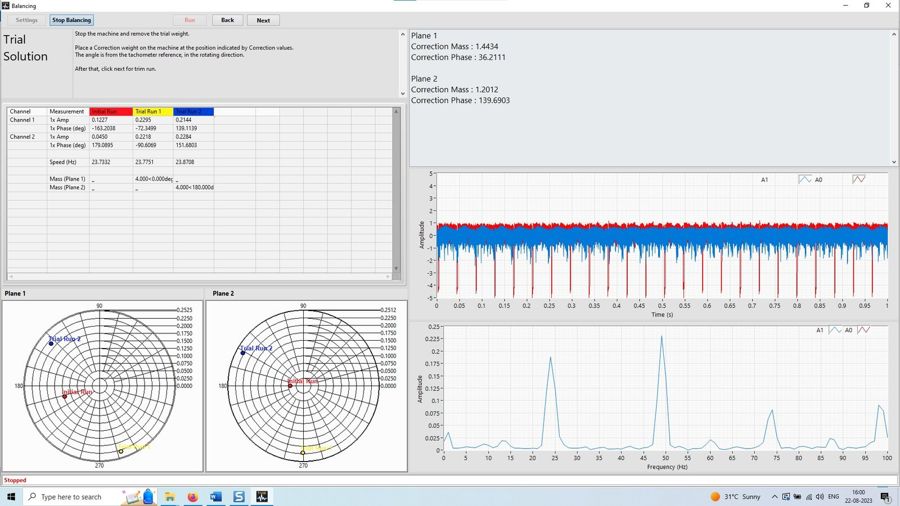
Rising 1× with the right phase relationship is unbalance, and a two-plane field balance with TVIB TB 210 corrects it on the machine. Rising energy in a bearing’s defect bands is a bearing, and enveloping finds it long before the overall level moves. Neither conclusion is safe without the phase and the band — which is what the Category I and fault diagnosis courses exist to teach.
Where to start
If there is no programme yet, read starting a condition-monitoring programme. If there is one and it is drifting, the problem is almost always route discipline rather than equipment — and that is worth a conversation before a purchase order.
The workflows behind this
Each one is a full measurement route with its own instrument list.
Rotating Machinery Condition Monitoring
Route-based vibration measurement, spectral analysis, and trend monitoring for plant maintenance teams running a predictive maintenance program on fans, pumps, motors, and compressors.
Open the workflow →Wireless Condition Monitoring for Assets a Cable Never Justified
Permanent vibration coverage for the machines a route reaches too rarely and a cable run would never pay for — ConnectSens sensors, an Access2000 gateway on your own network, and no cloud subscription.
Open the workflow →Vibration Monitoring in ATEX/IECEx Hazardous Areas
Certified accelerometers, loop-power transmitters, proximity probe sets and intrinsically safe barriers for plants with classified areas — supplied against your own area classification, not chosen from a web page.
Open the workflow →ML / AI Algorithm Development for Predictive Maintenance
Generate clean, labelled fault datasets, capture high-channel-count parallel sensor streams, and validate classifier outputs against ground-truth spectral features — without leaving your lab.
Open the workflow →