
T-Calibro _ Precision Sensor Calibration Device for Accelerometers & Vibration Sensors
Indicative price, ex-works. Excludes GST, packing & forwarding, freight, insurance and duties. Request a quotation to confirm.
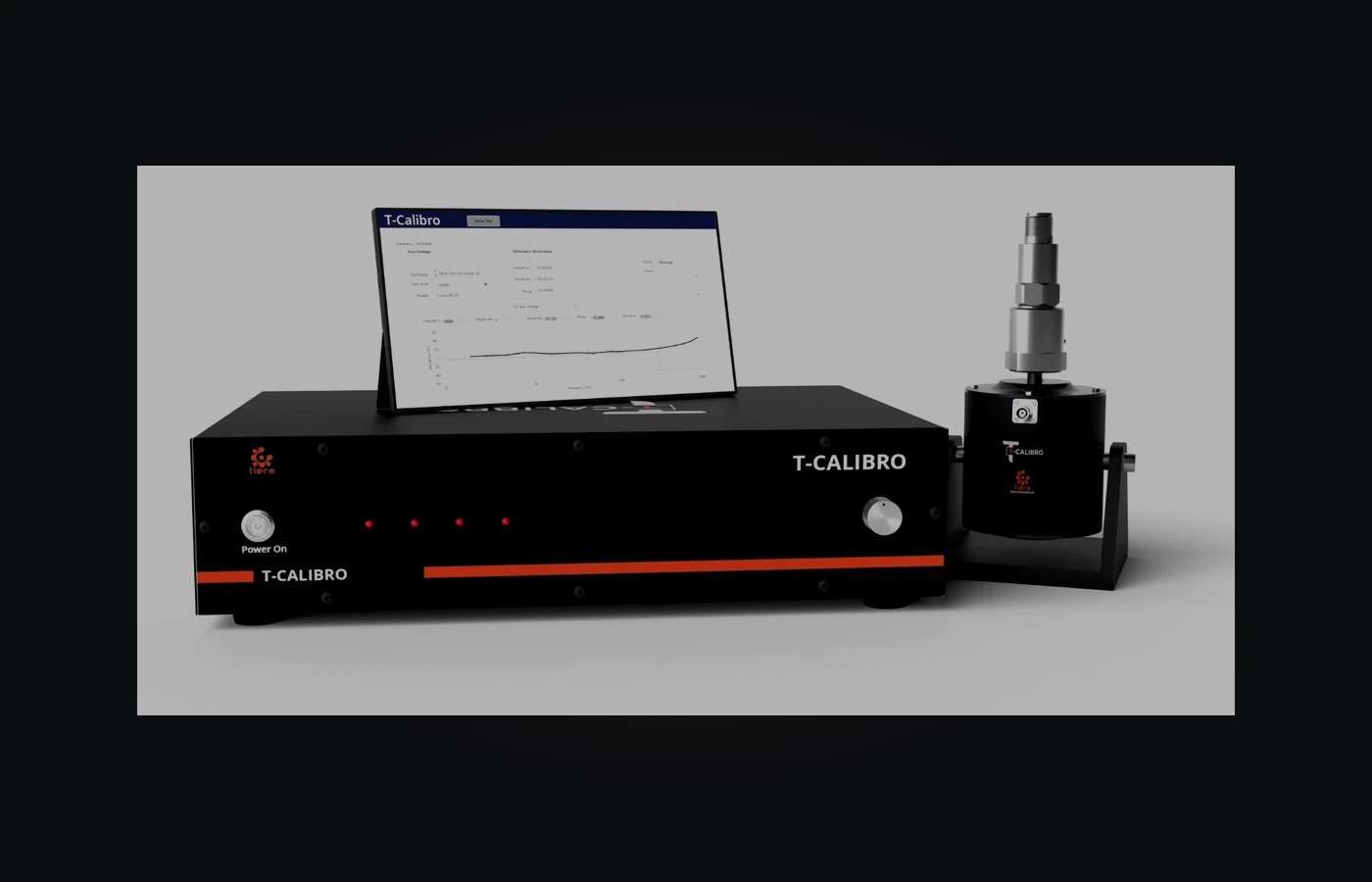
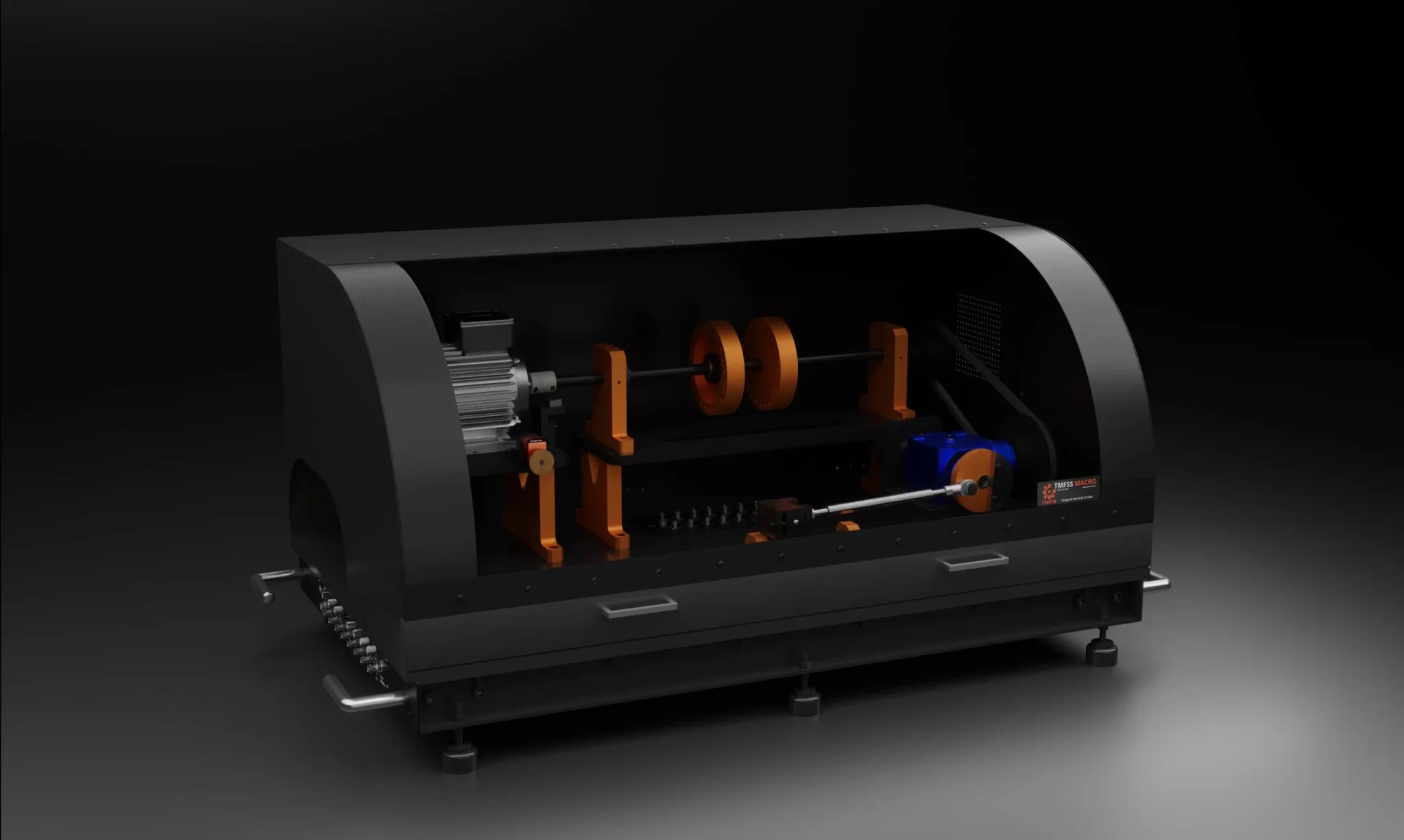
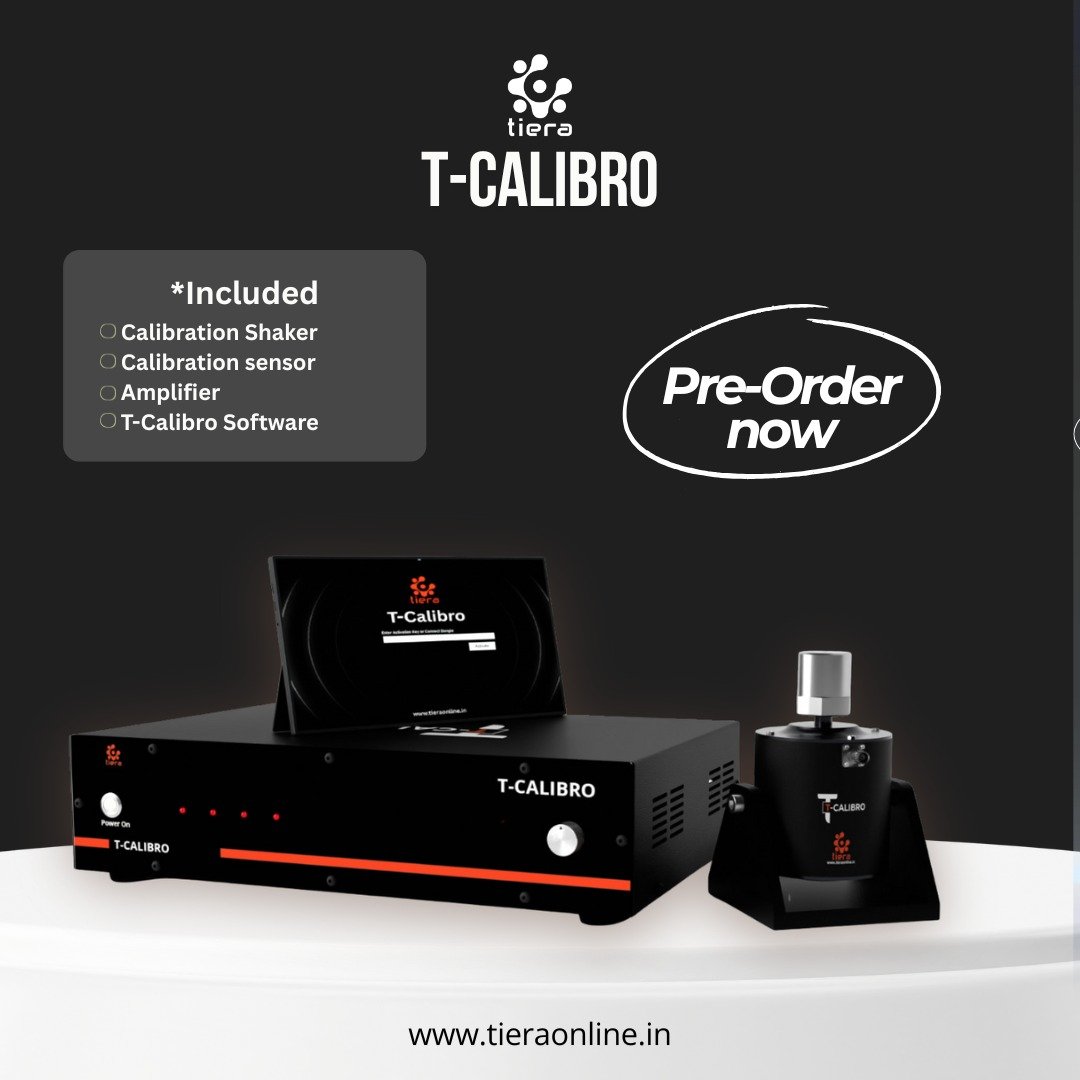
T-Calibro is a high-performance PC-based vibration calibrator designed to calibrate and verify the working conditions of accelerometers, velocity sensors, and vibration meters. It provides stable, traceable vibration signals and supports IEPE, charge and voltage-type sensors, ensuring complete flexibility for industrial, laboratory, and R&D environments.
T-Calibro is a high-performance PC-based vibration calibrator designed to calibrate and verify the working conditions of accelerometers, velocity sensors, and vibration meters. Read more
It provides stable, traceable vibration signals and supports IEPE, charge and voltage-type sensors, ensuring complete flexibility for industrial, laboratory, and R&D environments.Description
Read full description
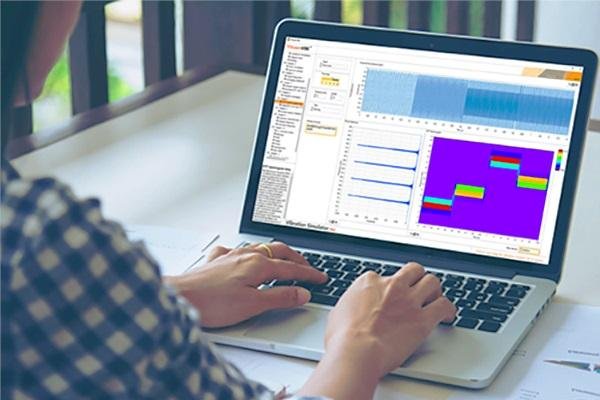
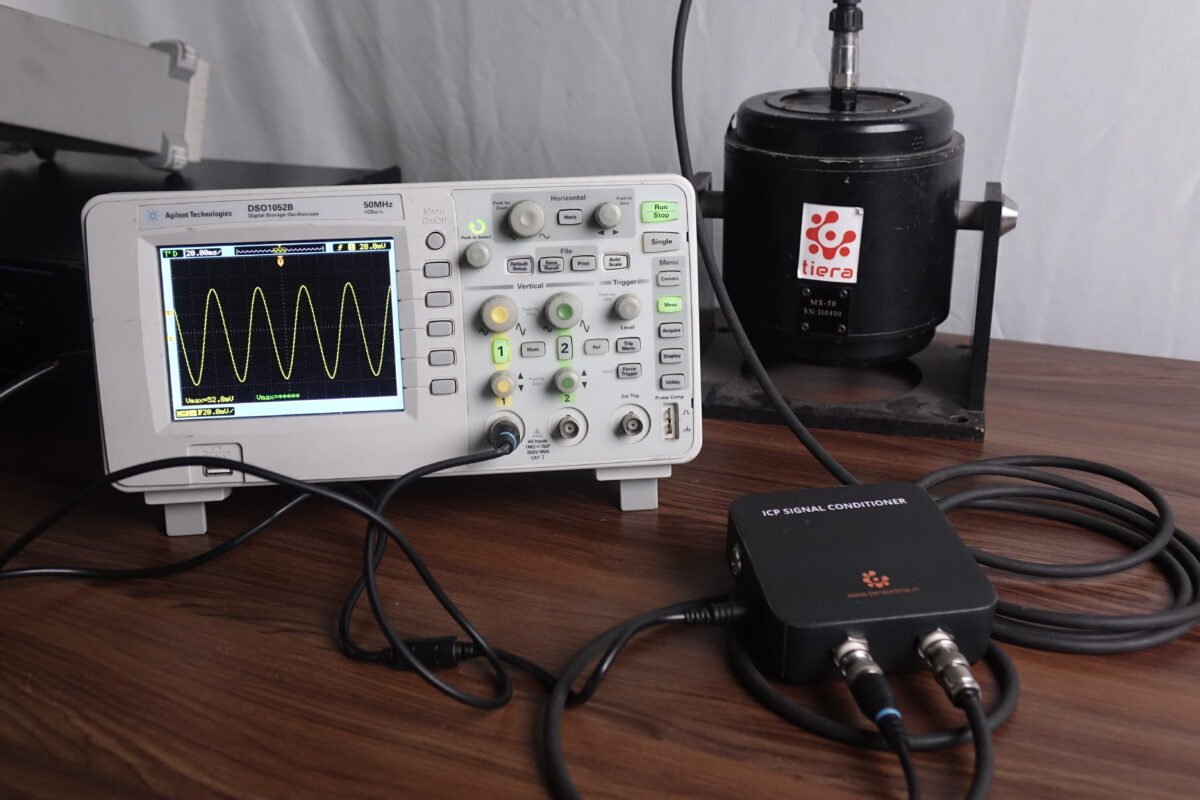
T-Calibro is a high-performance PC-based vibration calibrator designed to calibrate and verify the working conditions of accelerometers, velocity sensors, and vibration meters. It provides stable, traceable vibration signals and supports IEPE, charge and voltage-type sensors, ensuring complete flexibility for industrial, laboratory, and R&D environments. Powered from a 230 V AC supply and operated through an intuitive Windows-based PC software, T-Calibro offers automated calibration routines, real-time data visualization, and report generation for sensor sensitivity and linearity verification. Ideal for laboratories, R&D facilities, production testing, and condition monitoring teams, T-Calibro ensures ISO 16063-21 compliant calibration with high accuracy and repeatability. PC-based control with intuitive software Frequency range: 10 Hz – 10 kHz Amplitude up to 10 g RMS @ 100 Hz (closed-loop feedback)** Supports IEPE, Voltage, and Charge-type Accelerometers & Velocity Sensors Built-in traceable reference accelerometer (10 mV/g or 100 mV/g) Real-time sensitivity database management and report generation Robust design for continuous operation Software test modes: Single Point, Sine Sweep, Random Test, Linearity Test Shaker Force Rating: 20 N ** The acceleration amplitude depends on the weight of the sensor under test.
Build your setup
Select the modules and accessories you need — we'll quote the whole setup.
Related products
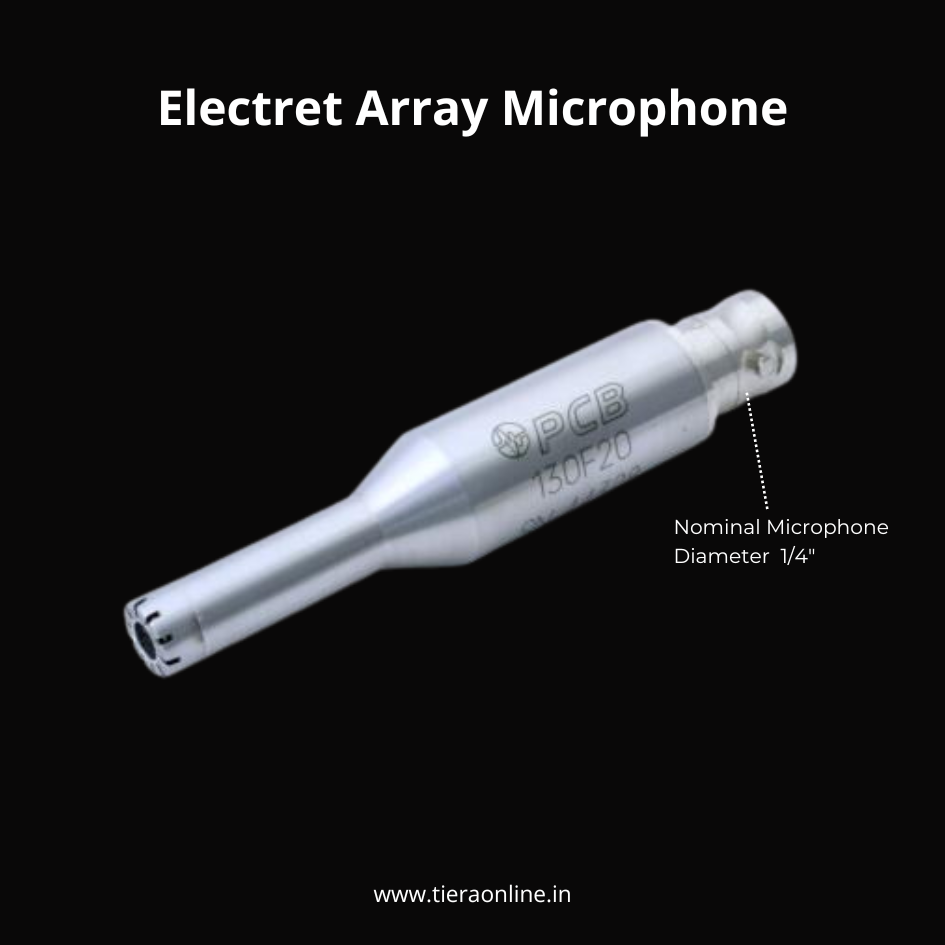
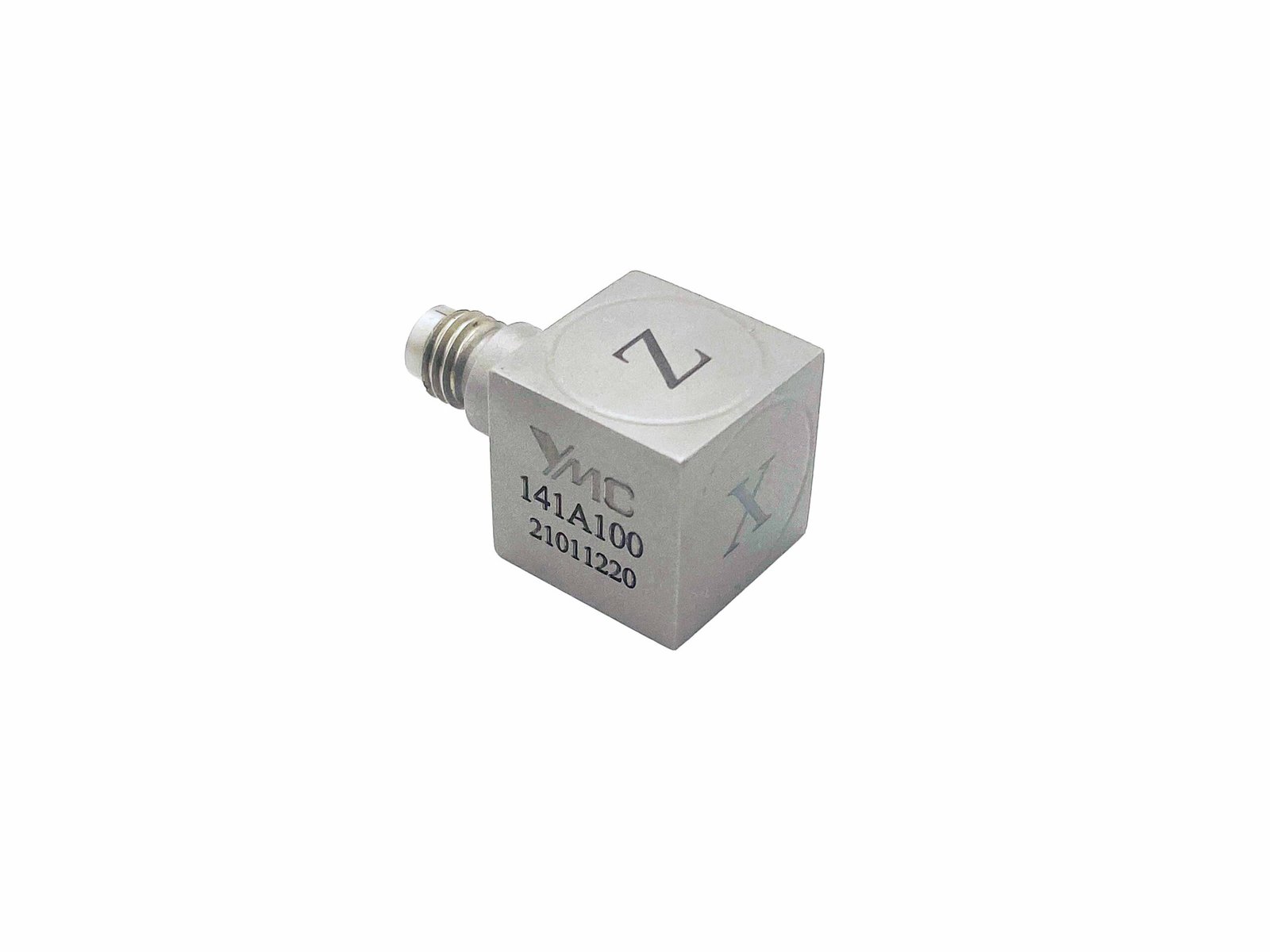
Indicative price, ex-works. Excludes GST, packing & forwarding, freight, insurance and duties. Request a quotation to confirm.
Request a quote
Send this straight to our sales team — pricing, lead time, accessories, or a demo.
Before you buy
The engineering behind this product
Why this measurement is made, how it goes wrong, and what the numbers mean — written by the people who build the instrument.
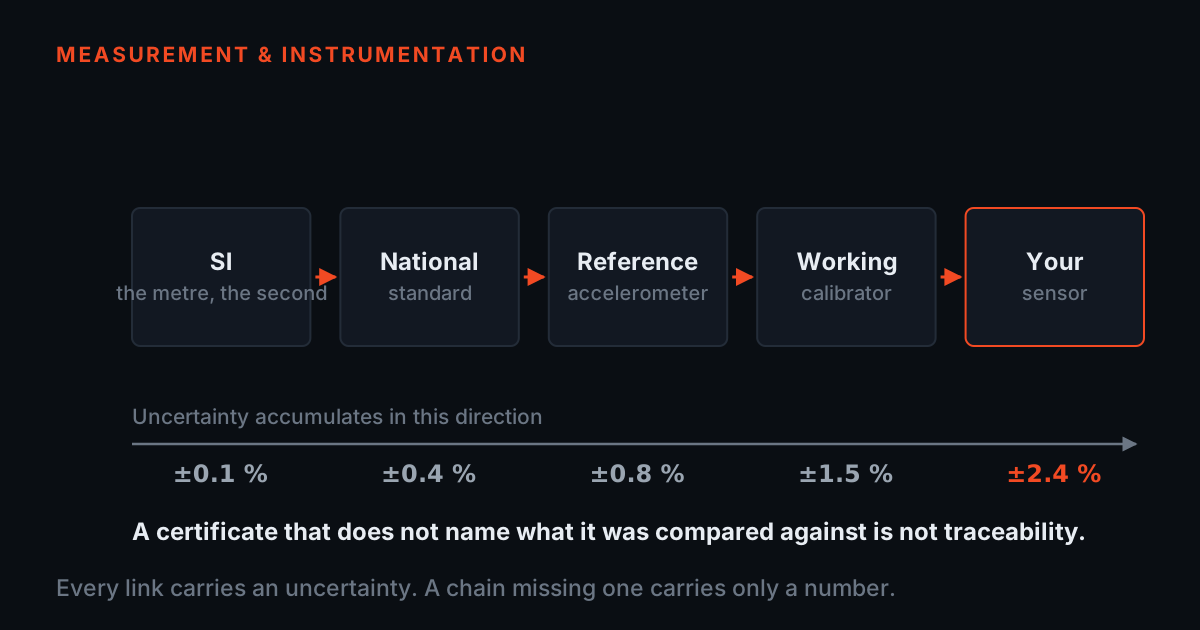 Measurement trustWhat Makes a Vibration Reading Trustworthy4.2 mm/s is not a fact — it is a voltage divided by an assumed sensitivity. A short visual tour of sensitivity, drift, damage, and what back-to-back calibration against a reference actually proves.6 min read · Read →
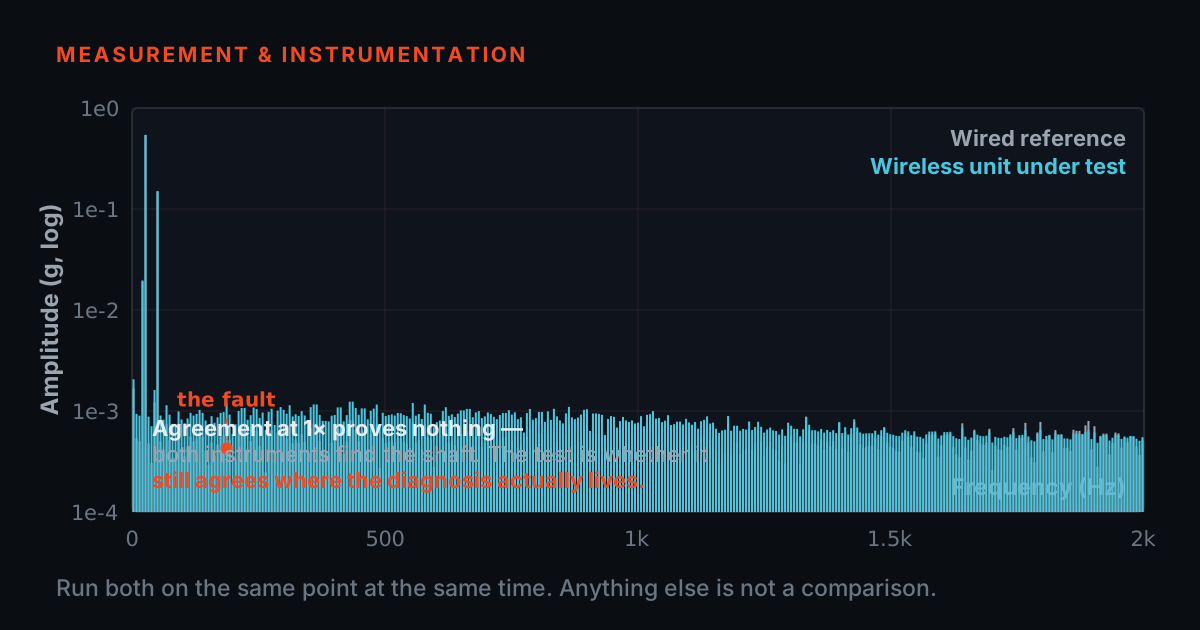 Sensor validationValidating a Wireless Vibration Sensor: What to Measure Before You Ship ItA wireless sensor has failure modes a wired one does not: a duty cycle, a battery, an internal clock and a radio between the measurement and the answer. Amplitude accuracy on a calibration shaker proves none of them. Here is the validation set that actually predicts field behaviour.9 min read · Read →
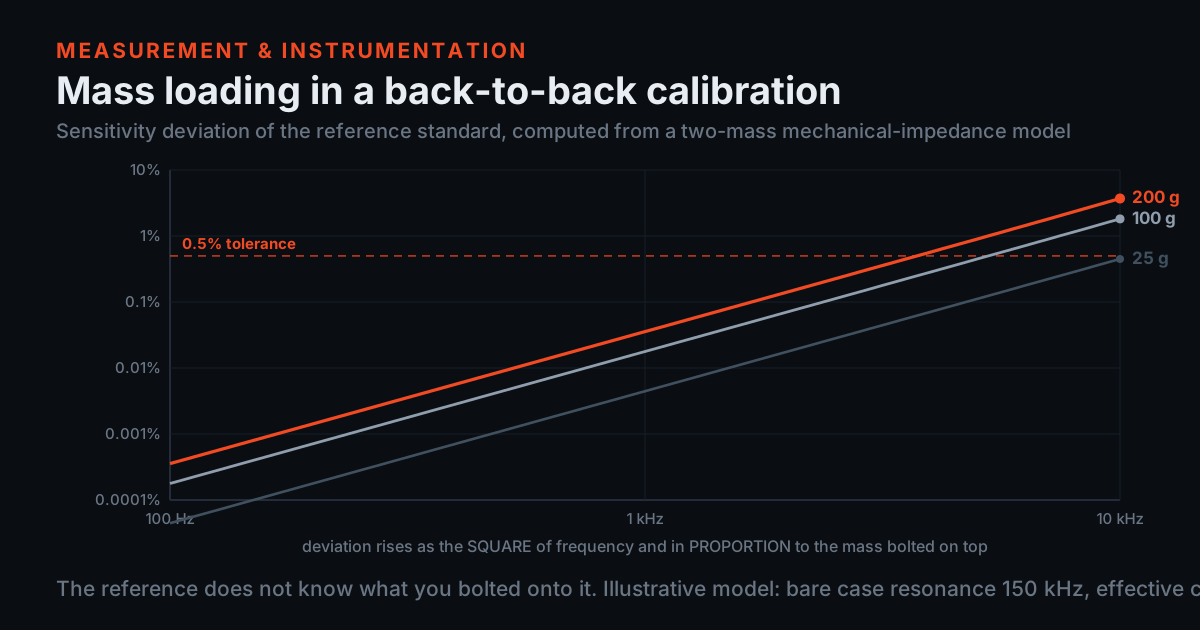 Primary standardsWhere the Calibration Chain Actually BeginsA comparison transfers a sensitivity; it never creates one. This is the layer beneath the traceability chain: absolute (reciprocity) calibration, which needs no reference sensor at all, and the mass-loading error that quietly biases every back-to-back comparison built on top of it. Drive the model and find the UUT mass your own tolerance can afford.14 min + hands-on · Read →