
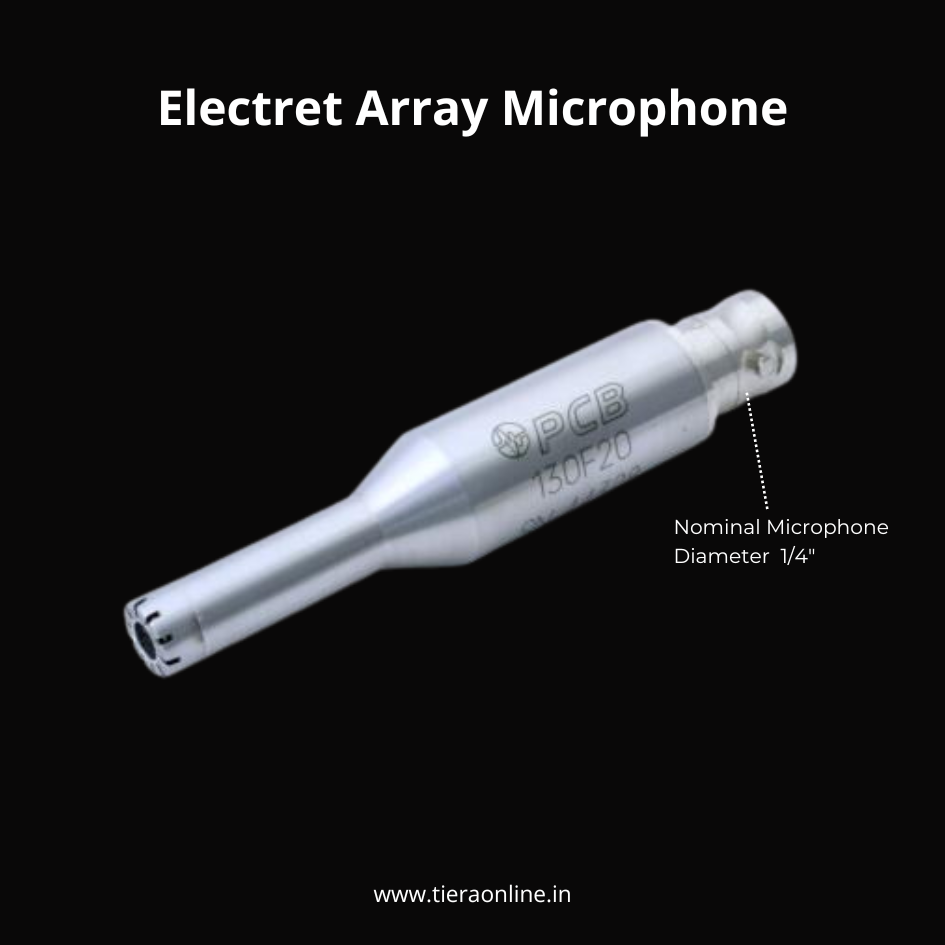
130F20 ICP® Electret Array Microphone
Indicative price, ex-works. Excludes GST, packing & forwarding, freight, insurance and duties. Request a quotation to confirm.
ICP® Array Microphone with integral preamplifier, BNC jack connector, TEDS Nominal Microphone Diameter: 1/4″ Sensitivity: 45 mV/Pa Inherent Noise: 29 dB re 20 µPa
ICP® Array Microphone with integral preamplifier, BNC jack connector, TEDS Nominal Microphone Diameter: 1/4″ Sensitivity: 45 mV/Pa Inherent Noise: 29 dB re 20 µPa
Description
Read full description
The PCB 130 series of Array Microphones are prepolarized, condenser microphones coupled with ICP sensor powered preamplifiers and are thus referred to as ICP microphones. This eliminates the need to purchase a separate preamplifier. The 130 series microphones provide an extremely cost-effective method for large channel count sound pressure measurements. Typical applications include sound pressure mapping, acoustic mode analysis, near-field acoustic holography, and vibro-acoustic testing, along with other applications.
Build your setup
Select the modules and accessories you need — we'll quote the whole setup.
Related products
Indicative price, ex-works. Excludes GST, packing & forwarding, freight, insurance and duties. Request a quotation to confirm.
Request a quote
Send this straight to our sales team — pricing, lead time, accessories, or a demo.
Before you buy
The engineering behind this product
Why this measurement is made, how it goes wrong, and what the numbers mean — written by the people who build the instrument.
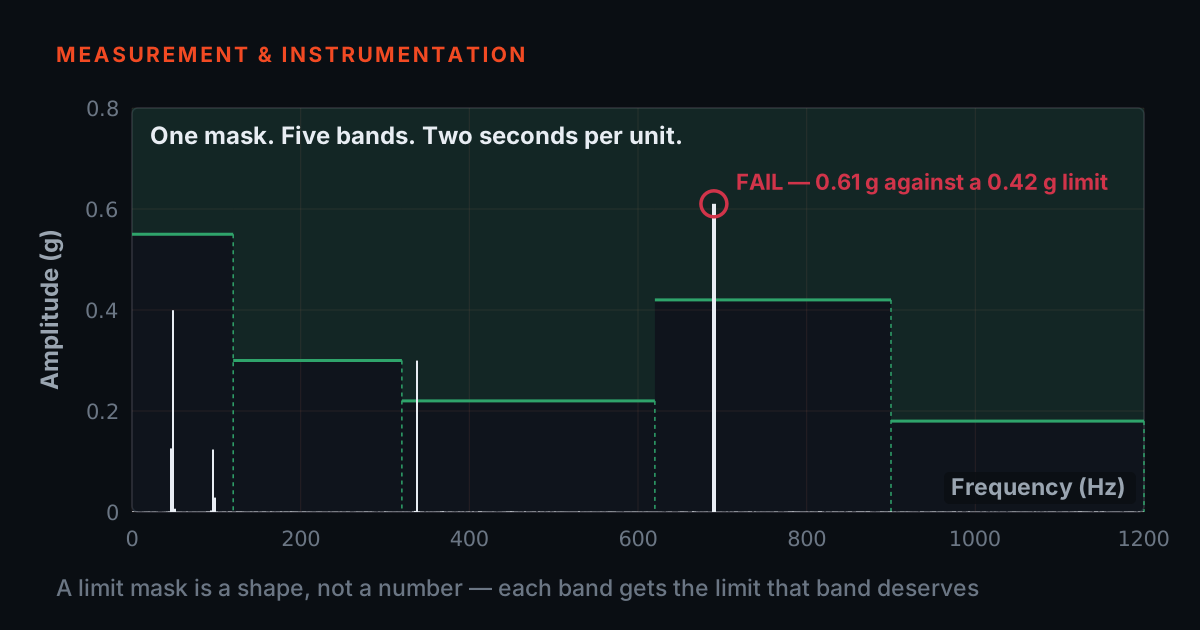 End-of-line QAPass or Fail in Seconds: How End-of-Line Noise and Vibration Testing WorksHow a production line turns a skilled inspector's ear into a repeatable, auditable spectral limit test: why one overall number is too blunt, how band masks judge each unit, and why the limit itself is an economic decision.6 min read · Read →
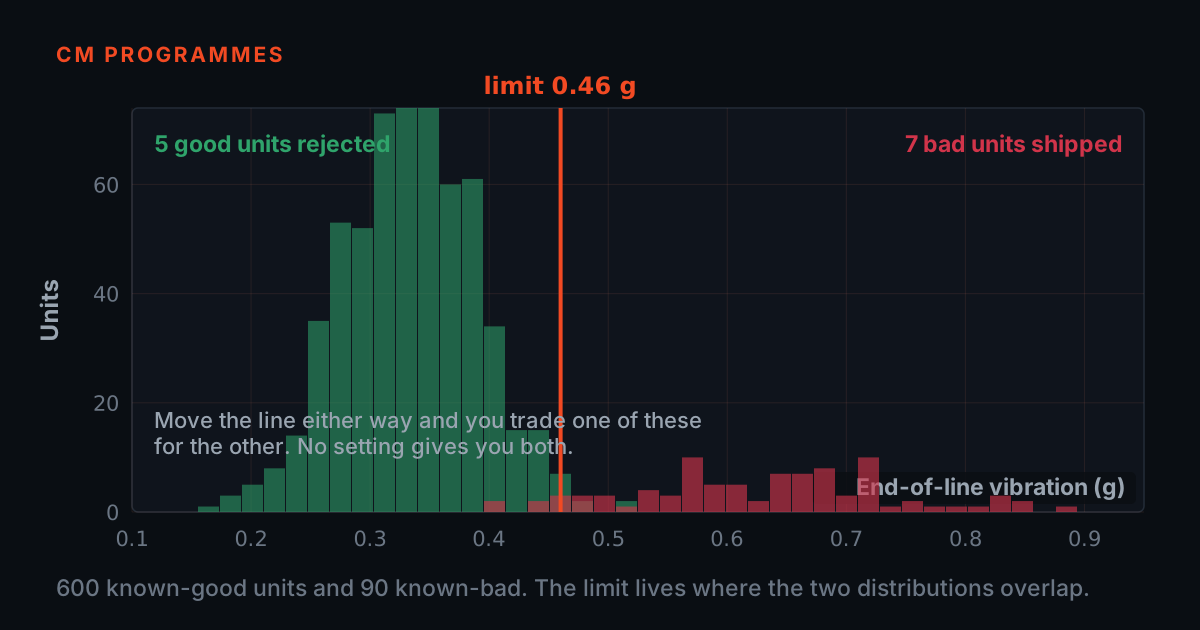 Production testSetting Pass/Fail Limits on an End-of-Line Test Without GuessingThe hard part of end-of-line testing is not measuring the unit — it is deciding where the line goes. Set it from a handful of good units and you will fail good product for a year. Set it from the loudest thing that ever shipped and you will pass the defect you built the station to catch.9 min read · Read →
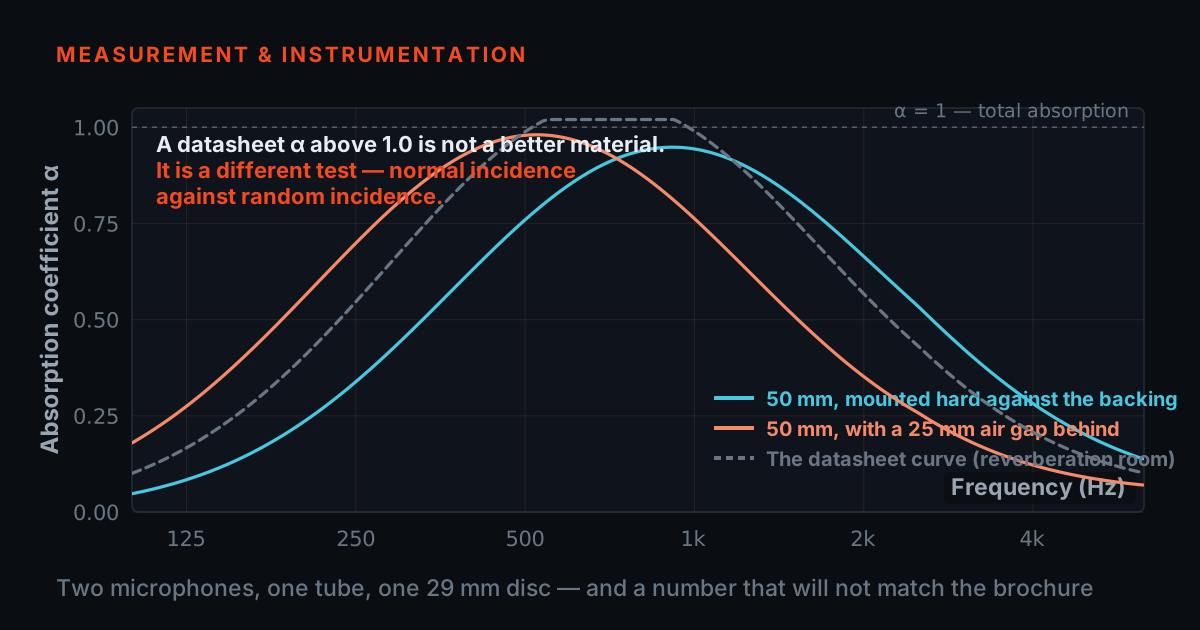 AcousticsMeasuring Sound Absorption in an Impedance Tube — and Why Your Number Disagrees With the DatasheetThe two-microphone transfer-function method (ISO 10534-2) measures a material's normal-incidence absorption coefficient in a tube the size of a drainpipe. It is fast, repeatable and cheap — and it answers a narrower question than most people think, which is exactly why lab numbers and reverberation-room numbers disagree.9 min read · Read →