
Accelerometer Sensor Cable
Indicative price, ex-works. Excludes GST, packing & forwarding, freight, insurance and duties. Request a quotation to confirm.
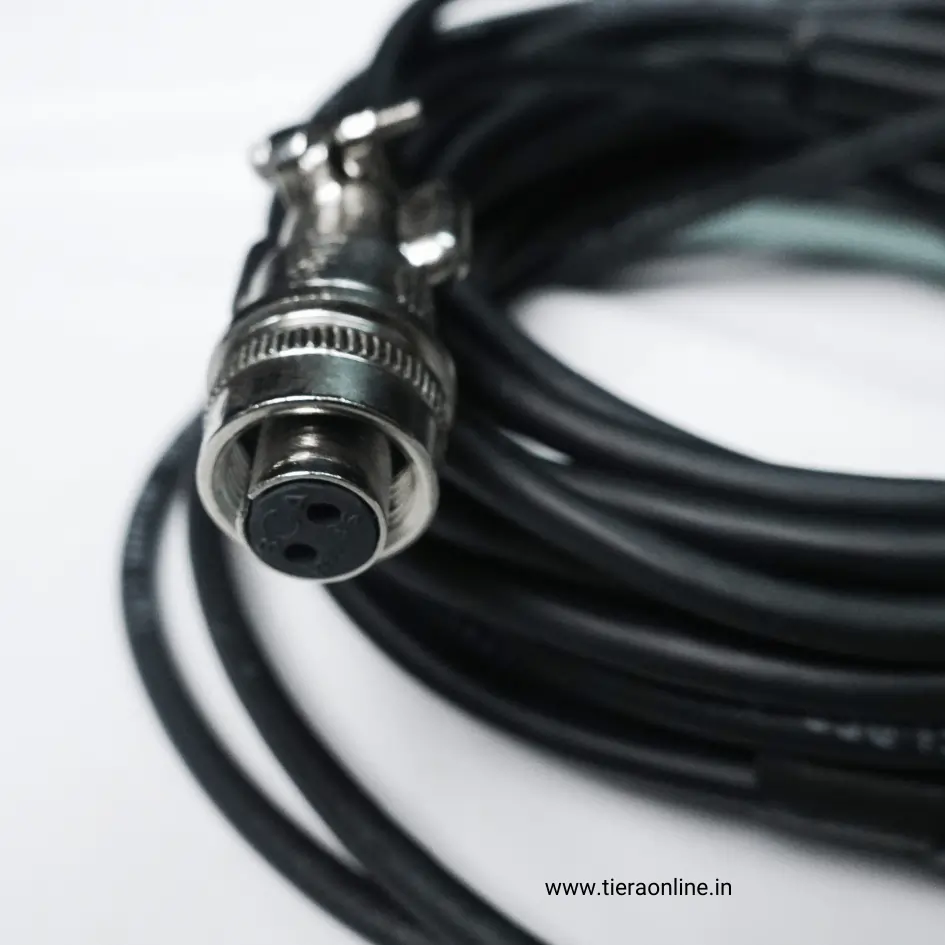
CA-102-5-D-B : Tinned Copper Braid 2 Core Twisted Shielded Cable – One side 2 Pin Circular MIL Connector other side BNC Connector
CA-102-5-D-B : Tinned Copper Braid 2 Core Twisted Shielded Cable – One side 2 Pin Circular MIL Connector other side BNC Connector
Description
Read full description
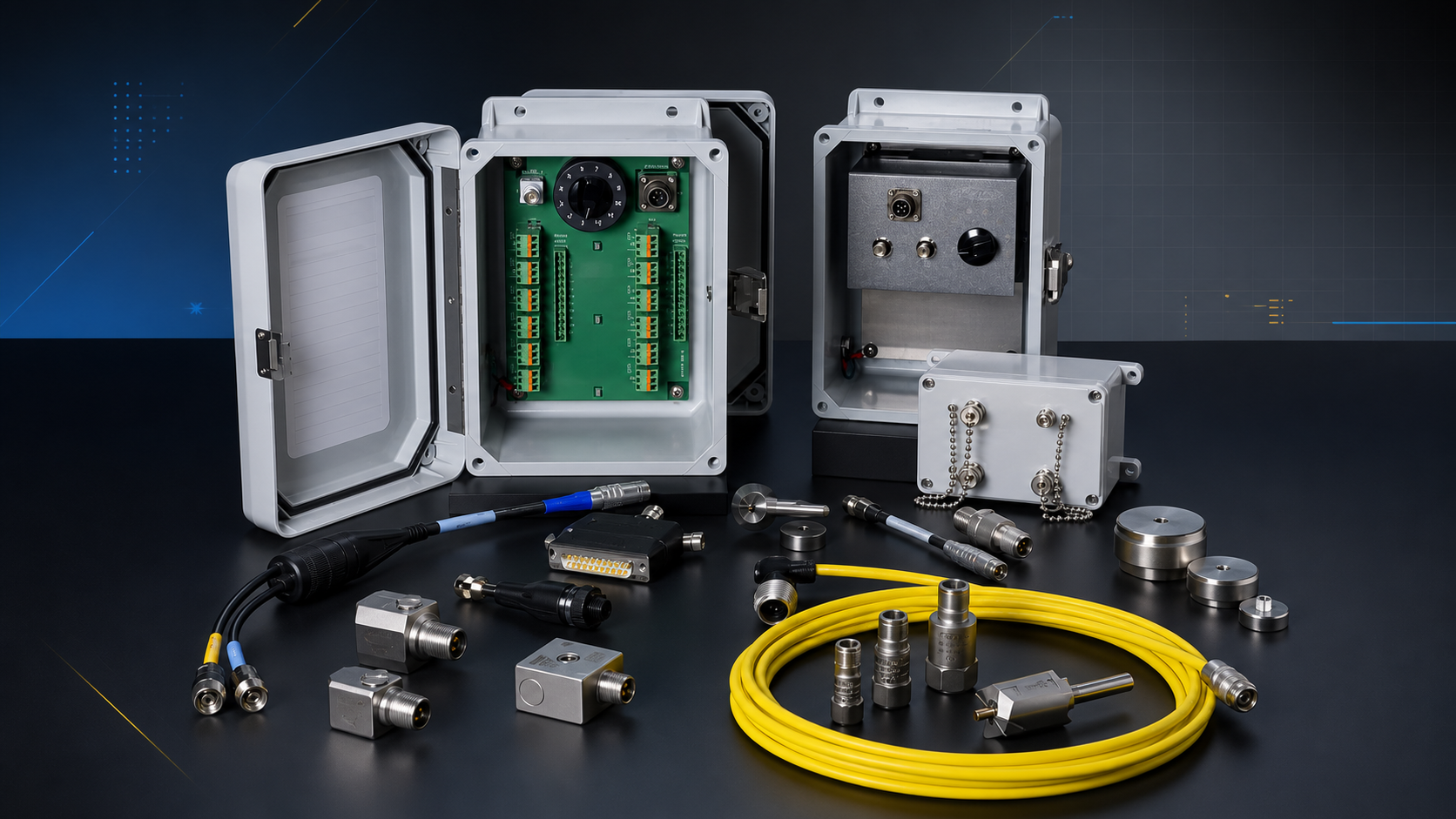
“TIERA vibration sensor cable” is a cable specifically designed to connect a vibration sensor to other equipment or systems. These cables are crucial components in vibration monitoring systems, which are used in various industries for predictive maintenance, structural health monitoring, and research purposes. The cable typically consists of several components: Connector: One end of the cable will have a connector that interfaces with the vibration sensor. The type of connector can vary depending on the sensor’s make and model. Common connector types include MIL connectors, M12 connectors, and terminal blocks. Wiring: The cable contains conductive wires that transmit the electrical signals generated by the vibration sensor. These wires are usually shielded to protect the signal from interference. Insulation: The wires are insulated to prevent electrical shorts and ensure the integrity of the signal. Outer Jacket: The cable is encased in an outer jacket for protection against physical damage, moisture, and environmental factors.
Related products
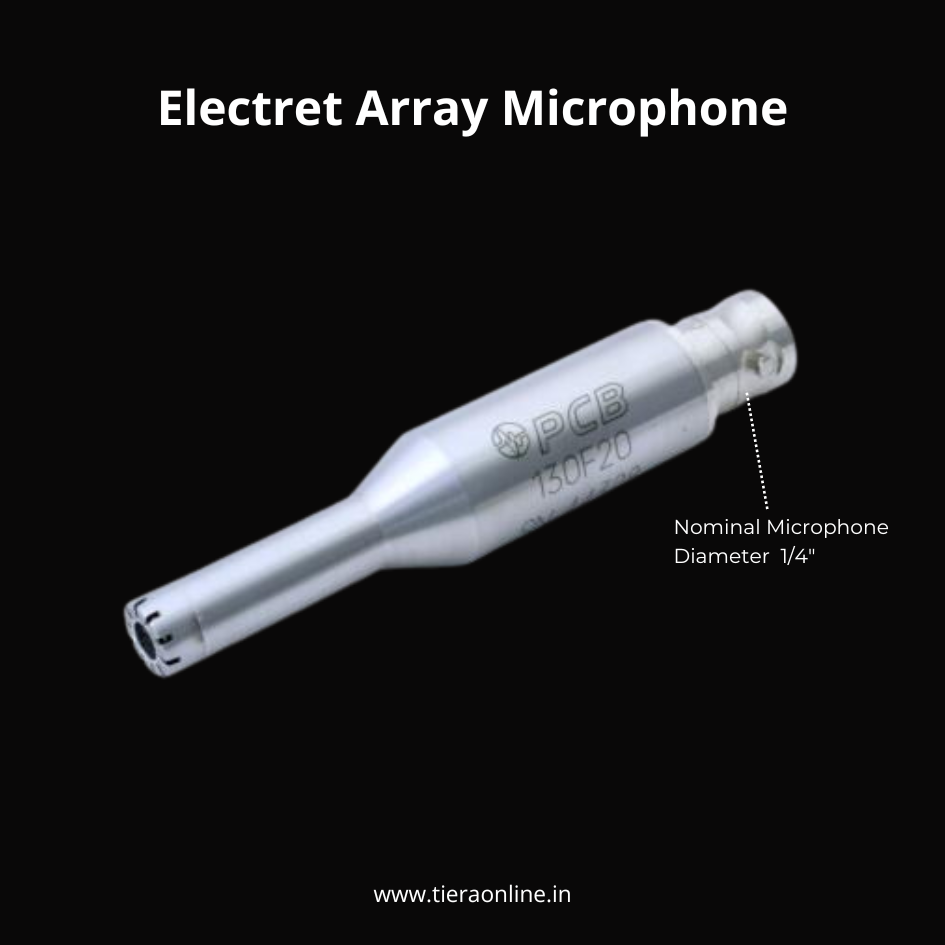
130F20 ICP® Electret Array Microphone
₹57,600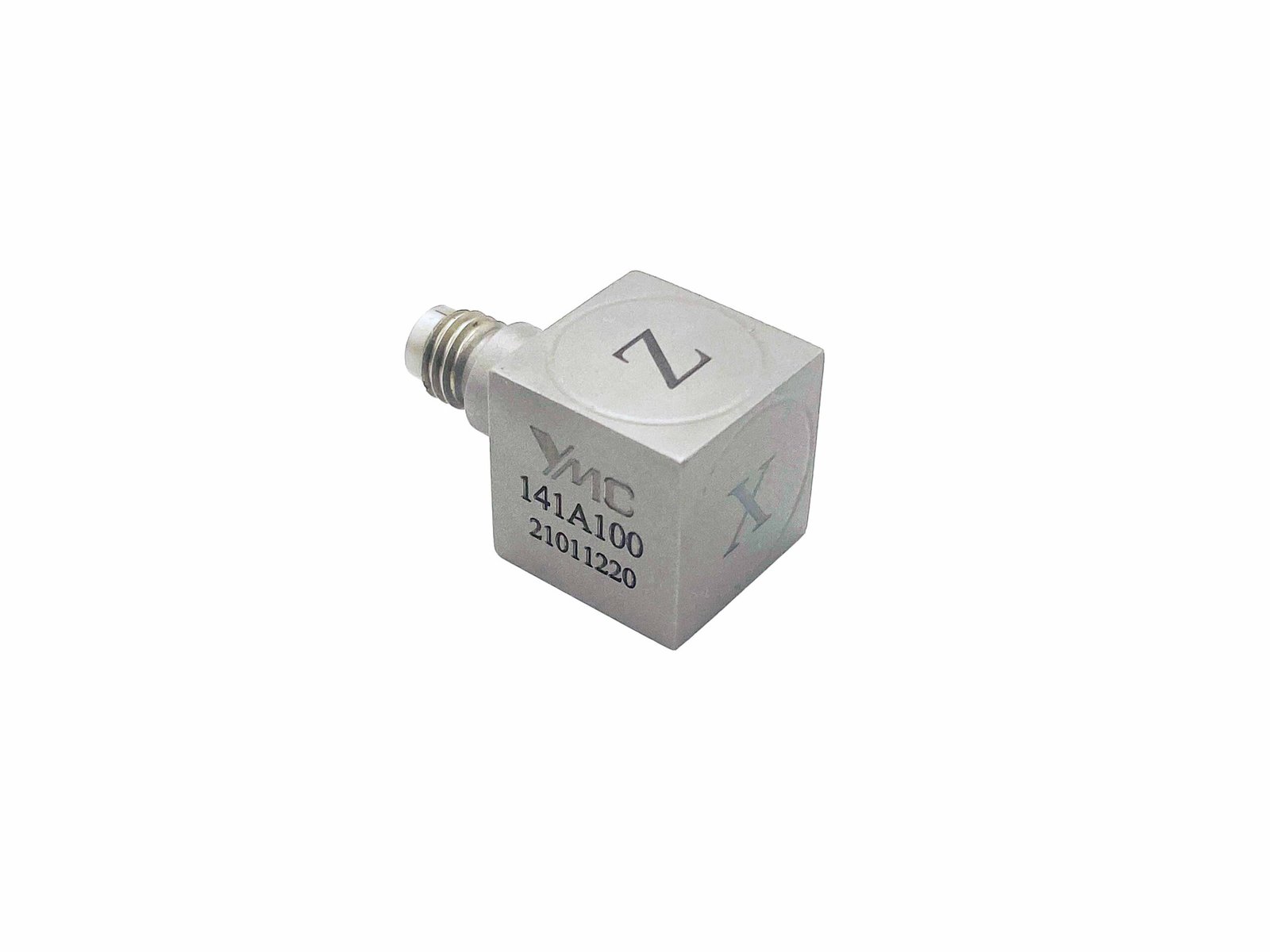
Miniature Tri-axial IEPE Accelerometer-141A100
₹1,21,145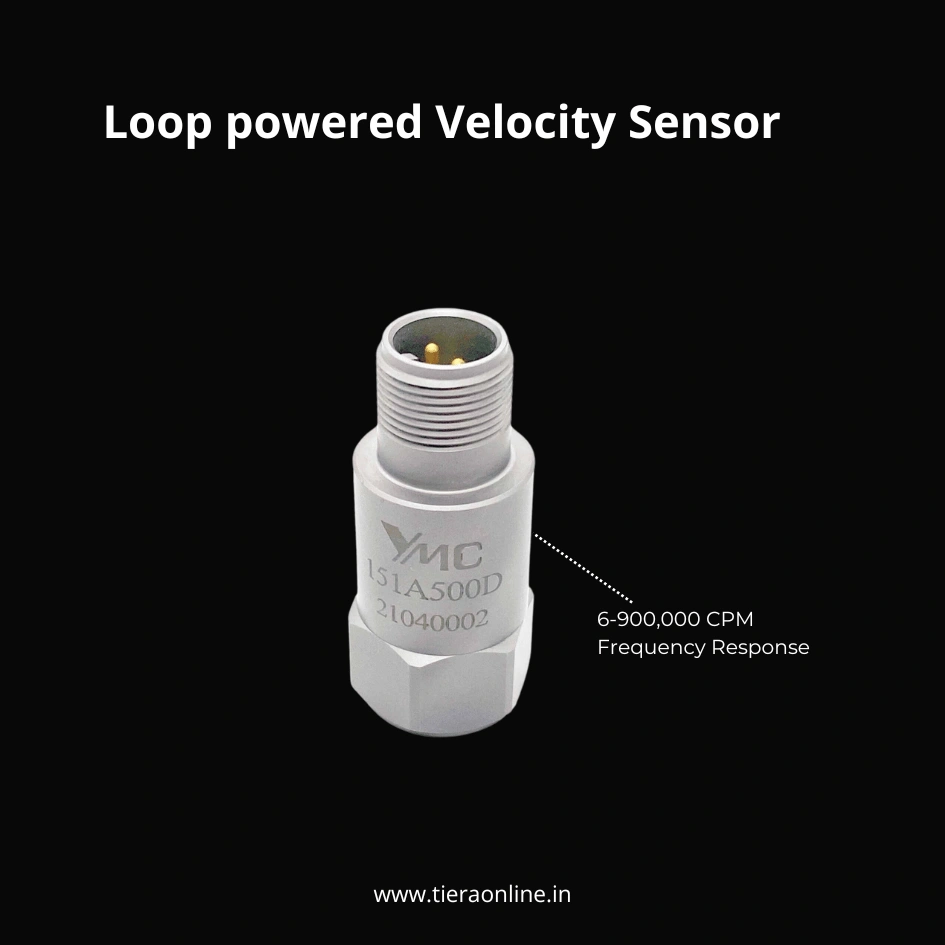
151A500D, 500mV/g Industrial Accelerometer
₹24,522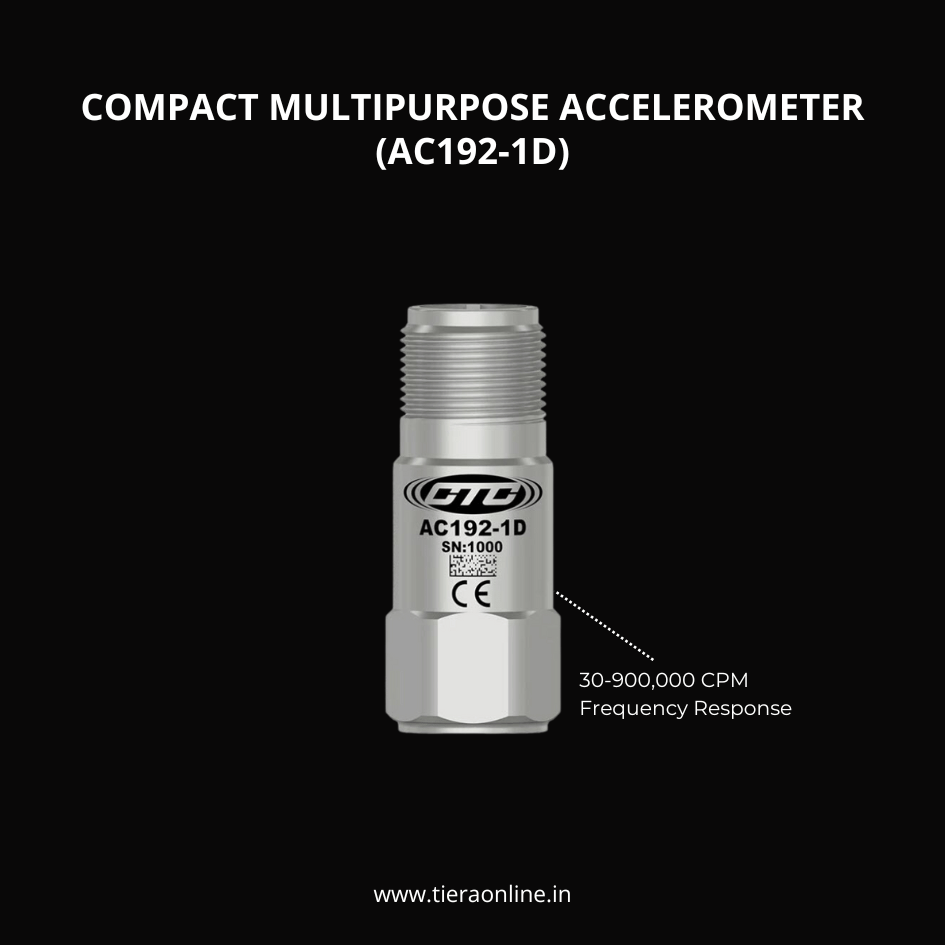
AC 192-1D, COMPACT MULTIPURPOSE ACCELEROMETER
₹16,280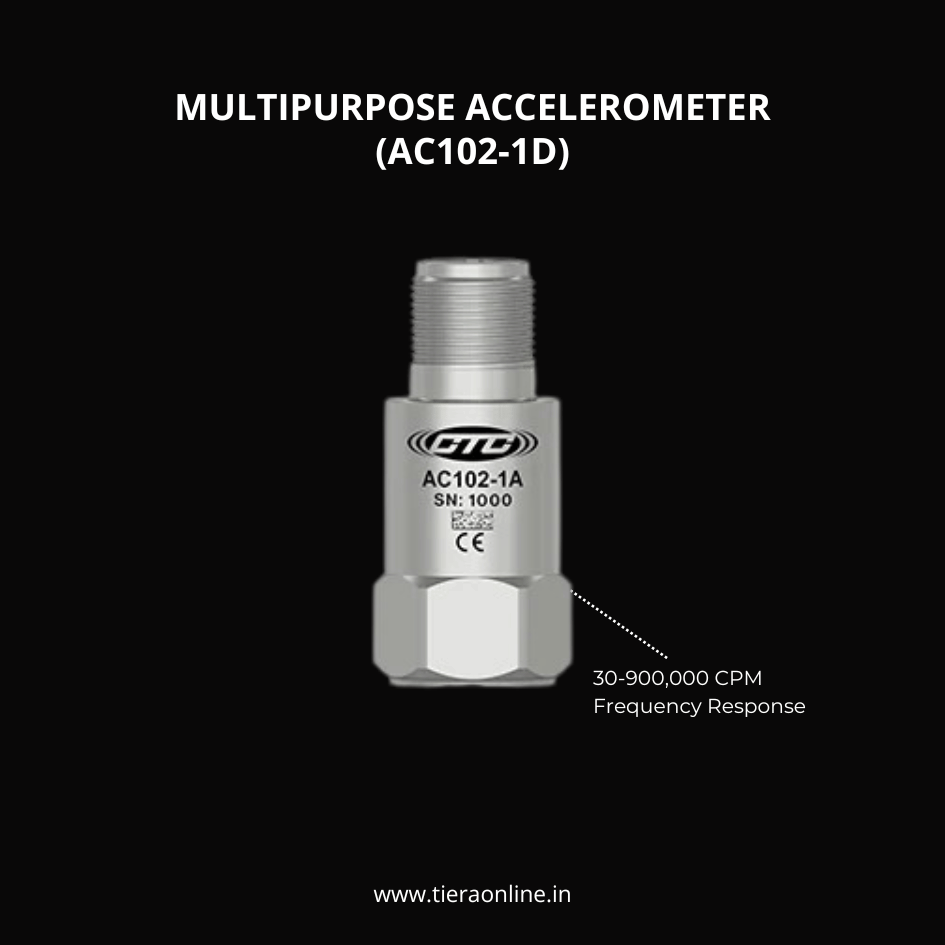
AC102-1D, MULTIPURPOSE ACCELEROMETER
₹14,750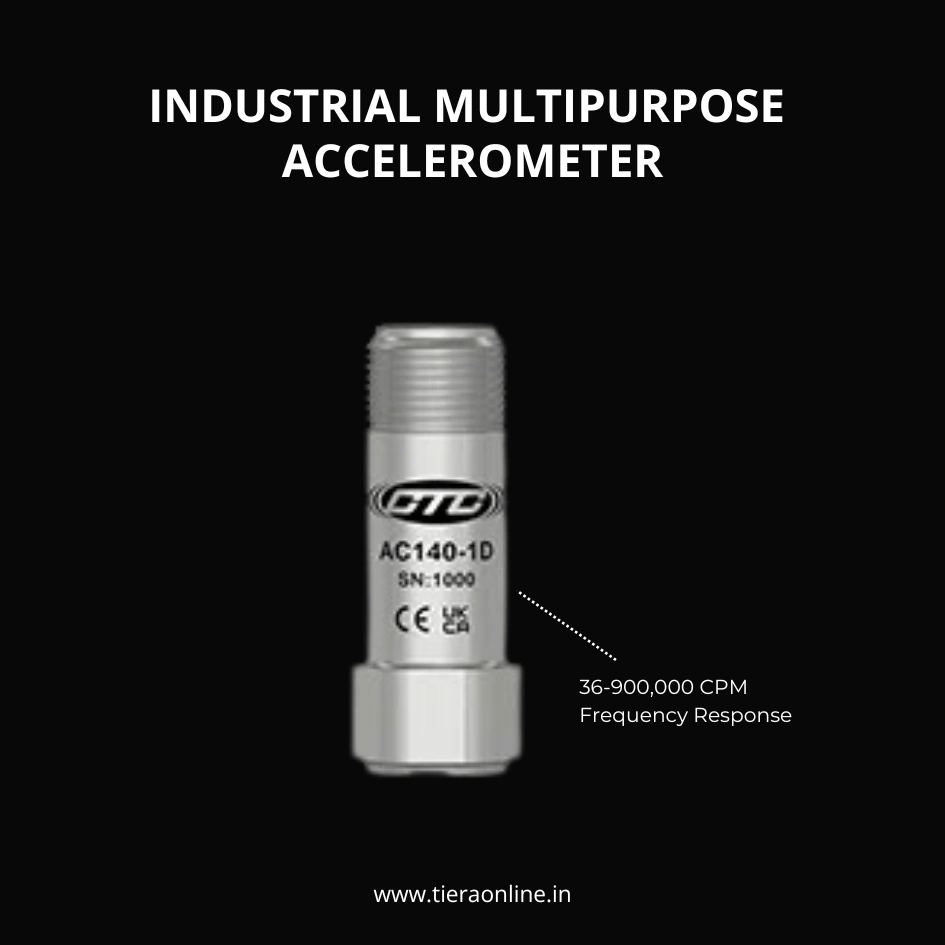
AC140-1D LOW COST MINIATURE INDUSTRIAL MULTIPURPOSE ACCELEROMETER
₹15,000Indicative price, ex-works. Excludes GST, packing & forwarding, freight, insurance and duties. Request a quotation to confirm.
Request a quote
Send this straight to our sales team — pricing, lead time, accessories, or a demo.
Before you buy
The engineering behind this product
Why this measurement is made, how it goes wrong, and what the numbers mean — written by the people who build the instrument.
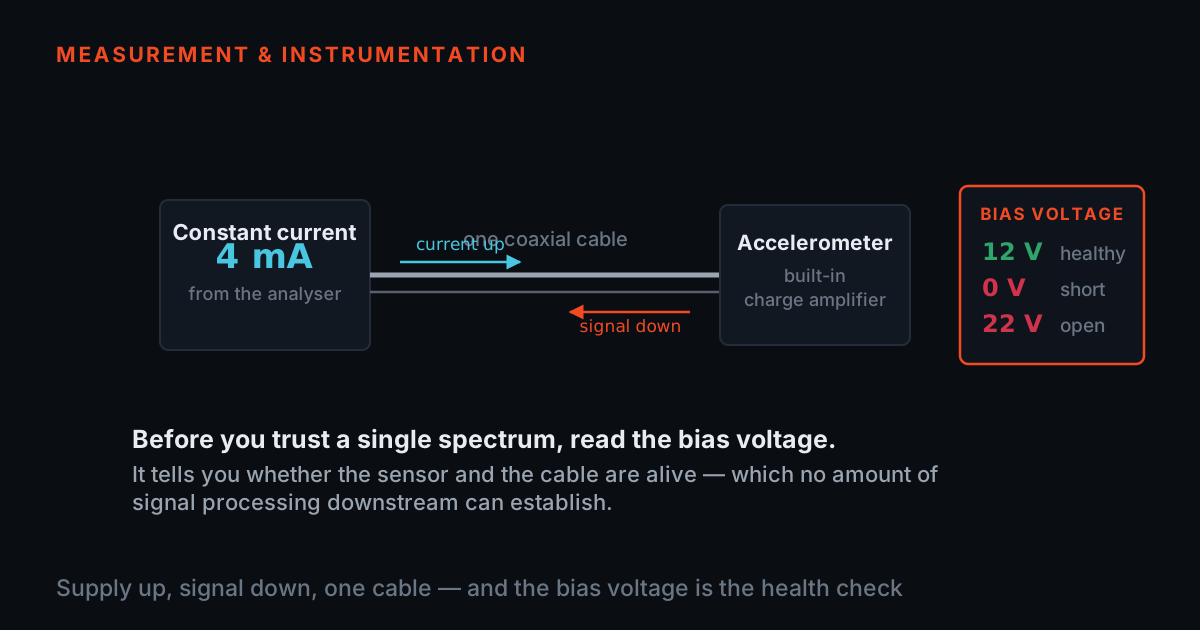 Measurement chainWhat a Signal Conditioner Actually Does — and When You Genuinely Need OneAn IEPE accelerometer is not a passive sensor — it contains an amplifier that has to be fed a constant current before it will produce anything at all. Understanding that one fact explains constant-current supplies, bias voltage, cable-length limits, and most of the field faults that get blamed on a 'dead sensor'.8 min read · Read →
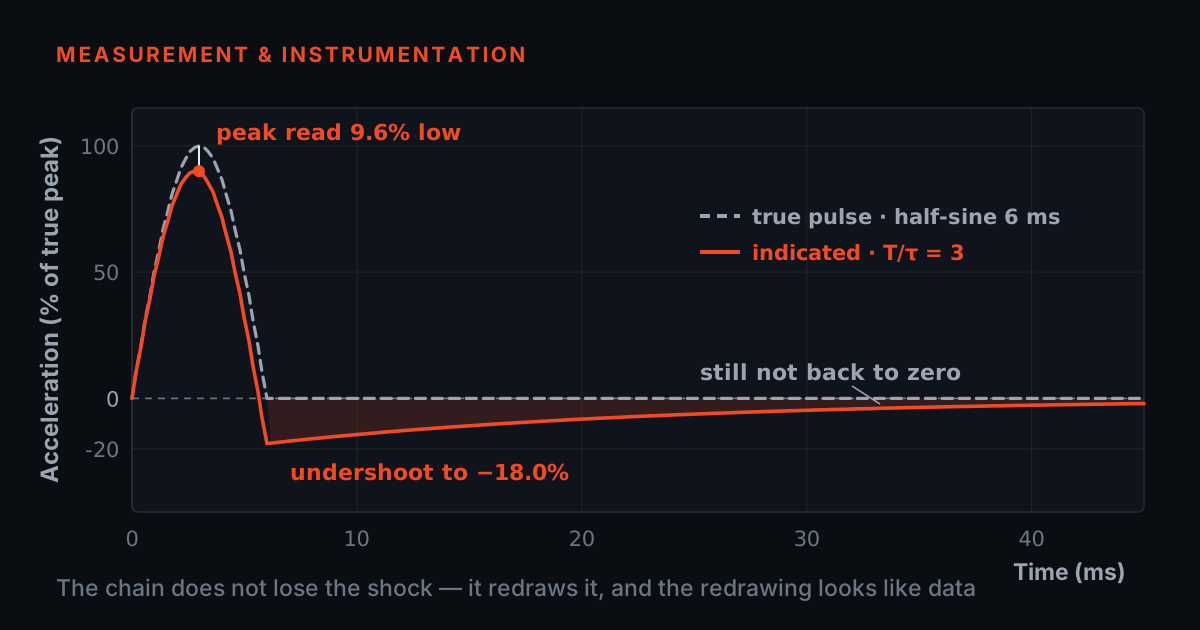 Shock measurementWhy a Shock Reading Lies — and How to Tell That It LiedA transient gets no second chance: you record it once, and every distortion the chain adds arrives looking exactly like data. Two live simulators — drive the high-pass time constant until the error crosses 5% and 2% and read the ratio you need, then take the sensor over range and watch the baseline walk off zero while the integrated velocity marches away.13 min read · Read →
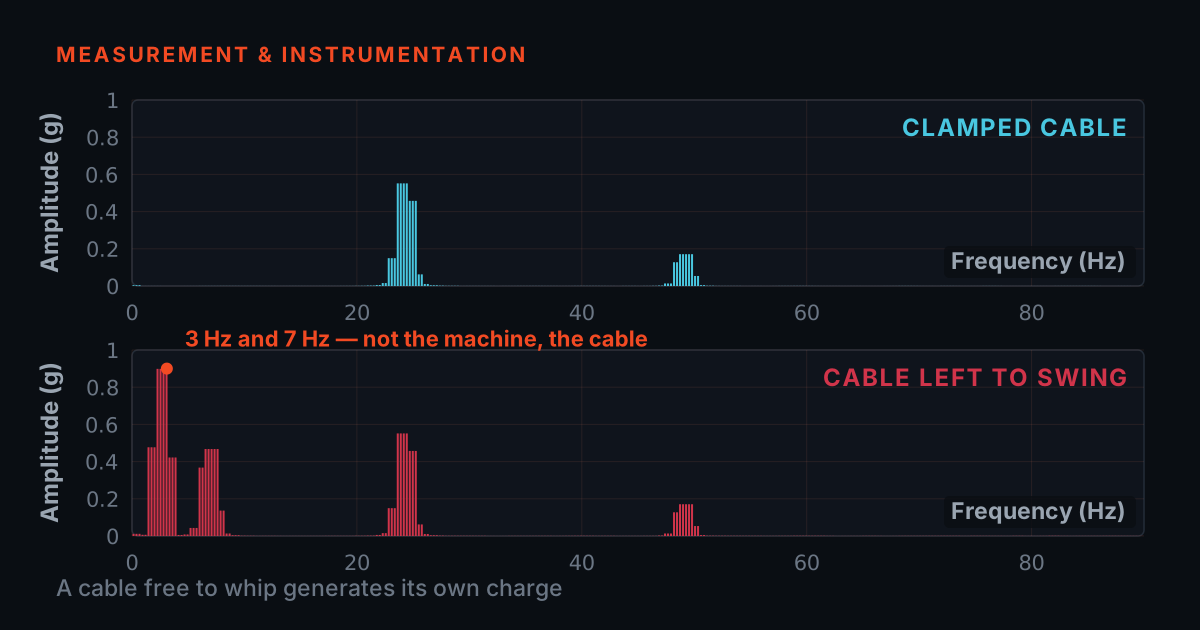 Cables & signal integrityThe Cable Is Part of the MeasurementA vibration cable carries a signal of a few millivolts. Flex the wrong cable and it generates its own charge, burying the bearing fault you bought the sensor to find. What makes a cable good, how cable quality is tested, and why the cheapest cable is the expensive one.14 min read · Read →