
TIERA Book demo ->
Sound & Vibration

Measurement Setup 101

Get clean, repeatable data before you press record — mounting, cabling, grounding, conditioning and calibration.

More bad diagnoses come from bad setup than from bad analysis. Measurement Setup 101 is the discipline course: how to get clean, trustworthy, repeatable data before you ever look at a spectrum. It starts with the single most under-rated variable — how the sensor is attached — and shows why a stud mount reaches far higher frequencies than a magnet, and why a hand-held probe is fine for a quick check but useless for bearing work.

You will then cover the rest of the chain that quietly ruins data: cable routing and strain relief so cable-whip does not masquerade as vibration, grounding and the ground loops that inject mains-frequency hum, and the conditioning and anti-alias filtering that keep the signal honest before digitising. The course closes on calibration and repeatability — verifying a sensor against a known reference and building a route where the same point is measured the same way every time, so your trends mean something. Do this well and every downstream course becomes easier.

What you'll be able to do
  • Mount sensors correctly and know the stud vs magnet roll-off
  • Avoid cable-whip and ground-loop noise
  • Set signal conditioning and anti-alias filtering
  • Calibrate and verify a sensor before a route
  • Build a repeatable route that trends reliably
Curriculum
  1. 01 Mounting methods — stud, adhesive, magnet and probe roll-off
  2. 02 Measurement location and direction — H, V and axial
  3. 03 Cabling — routing, strain relief and cable-whip noise
  4. 04 Grounding and ground loops — finding and killing them
  5. 05 Signal conditioning and anti-alias filtering
  6. 06 Calibration, verification and building a repeatable route
Go deeper

Written for this course's subject, free to read, and none of it behind a form. Each one goes further than a primer can.

What the measurements are taken with

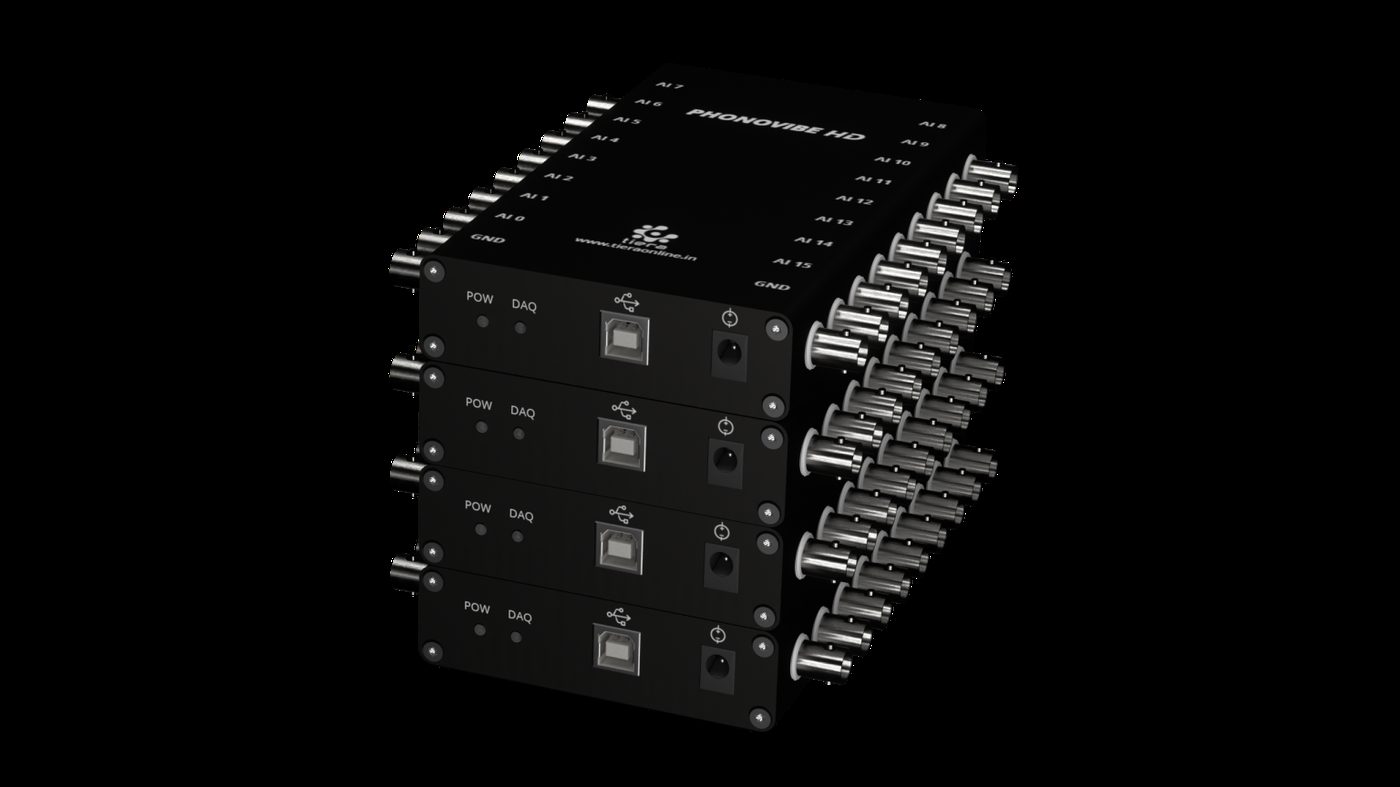
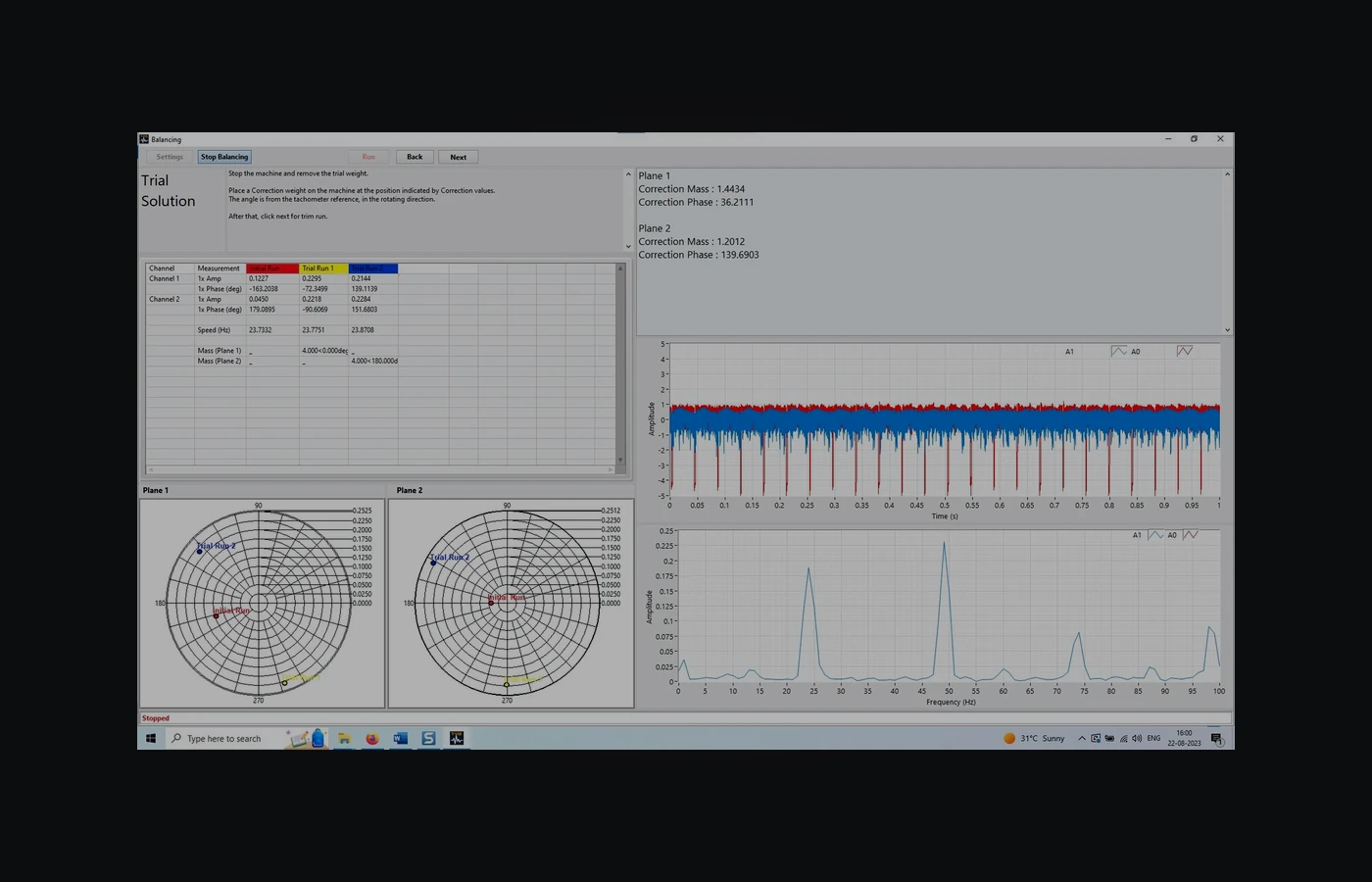
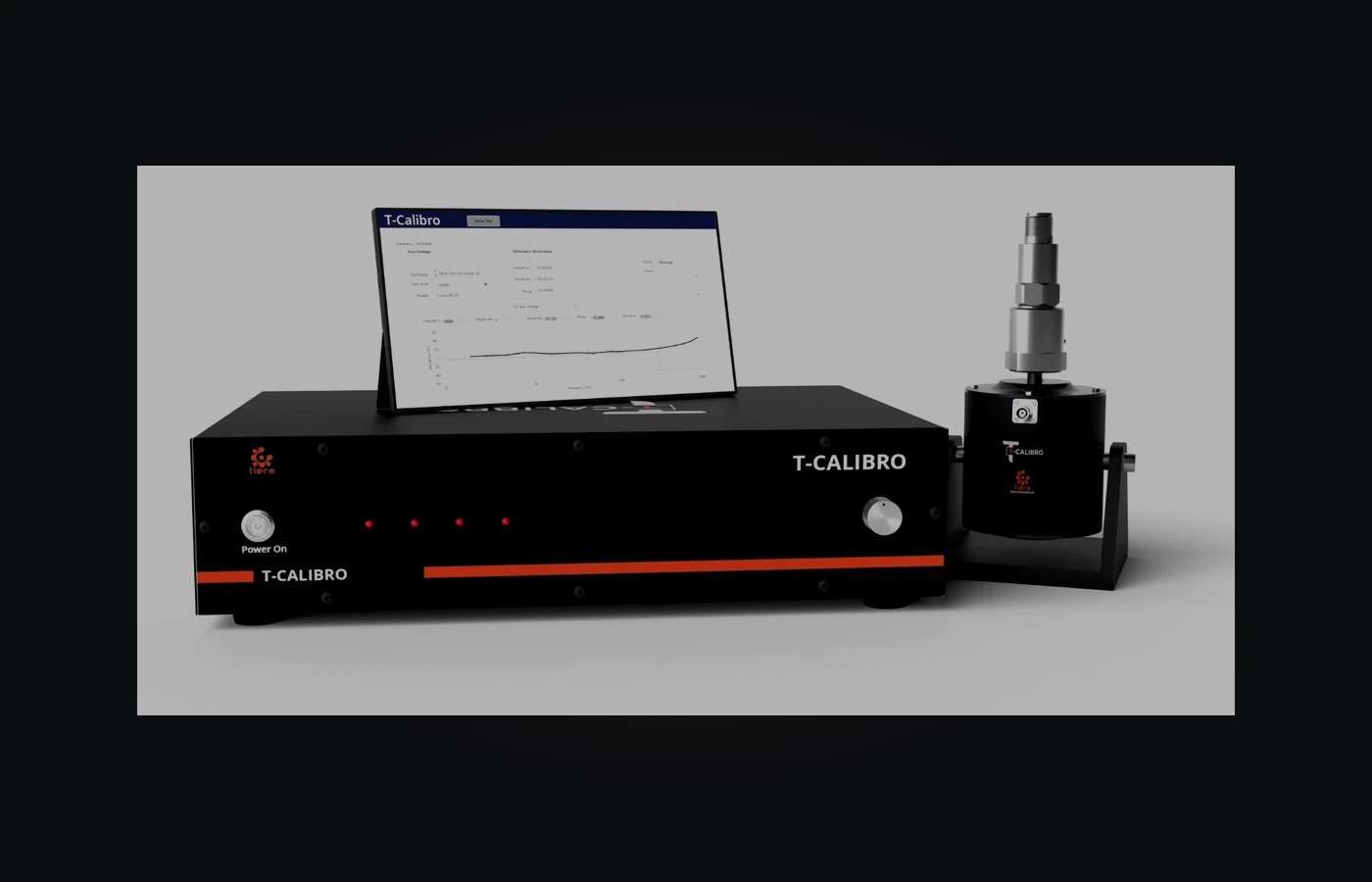
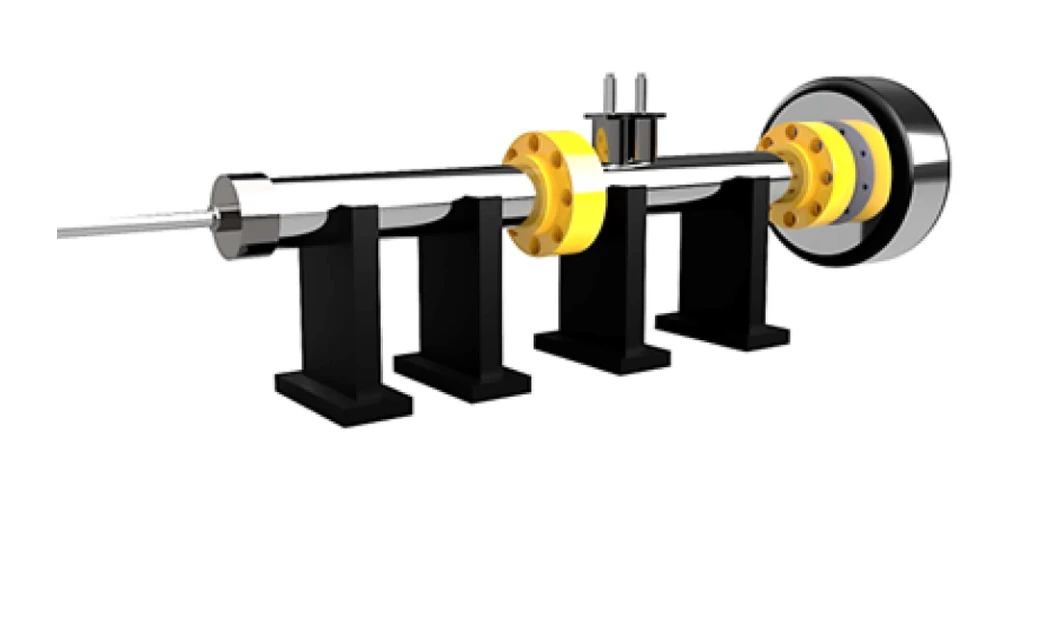
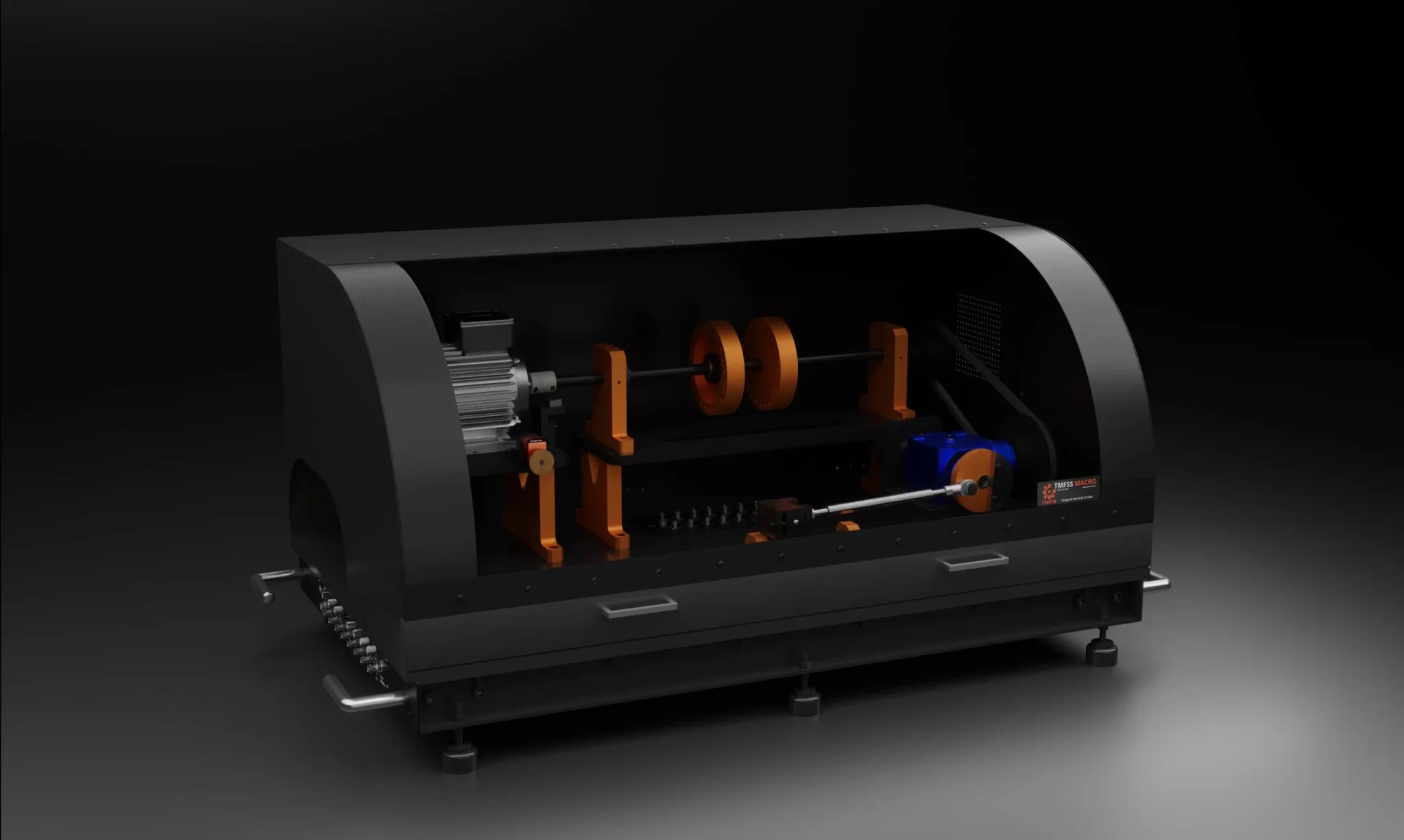
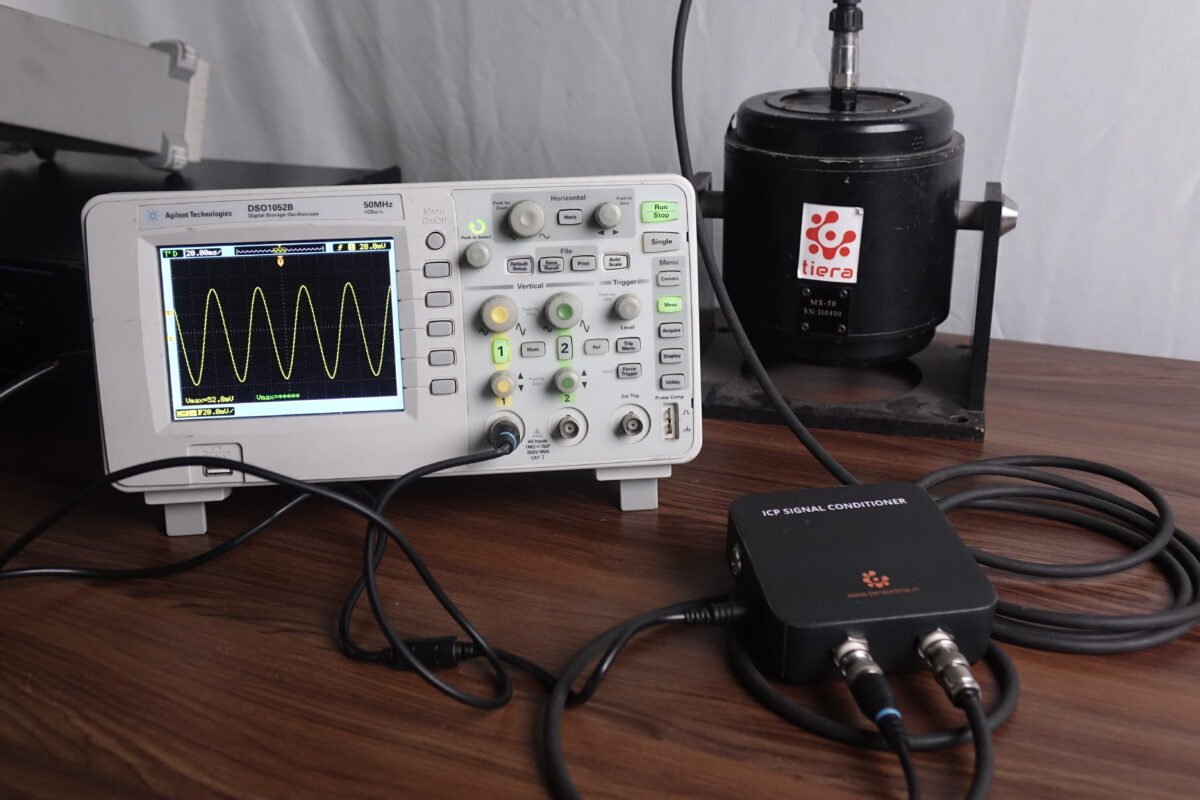
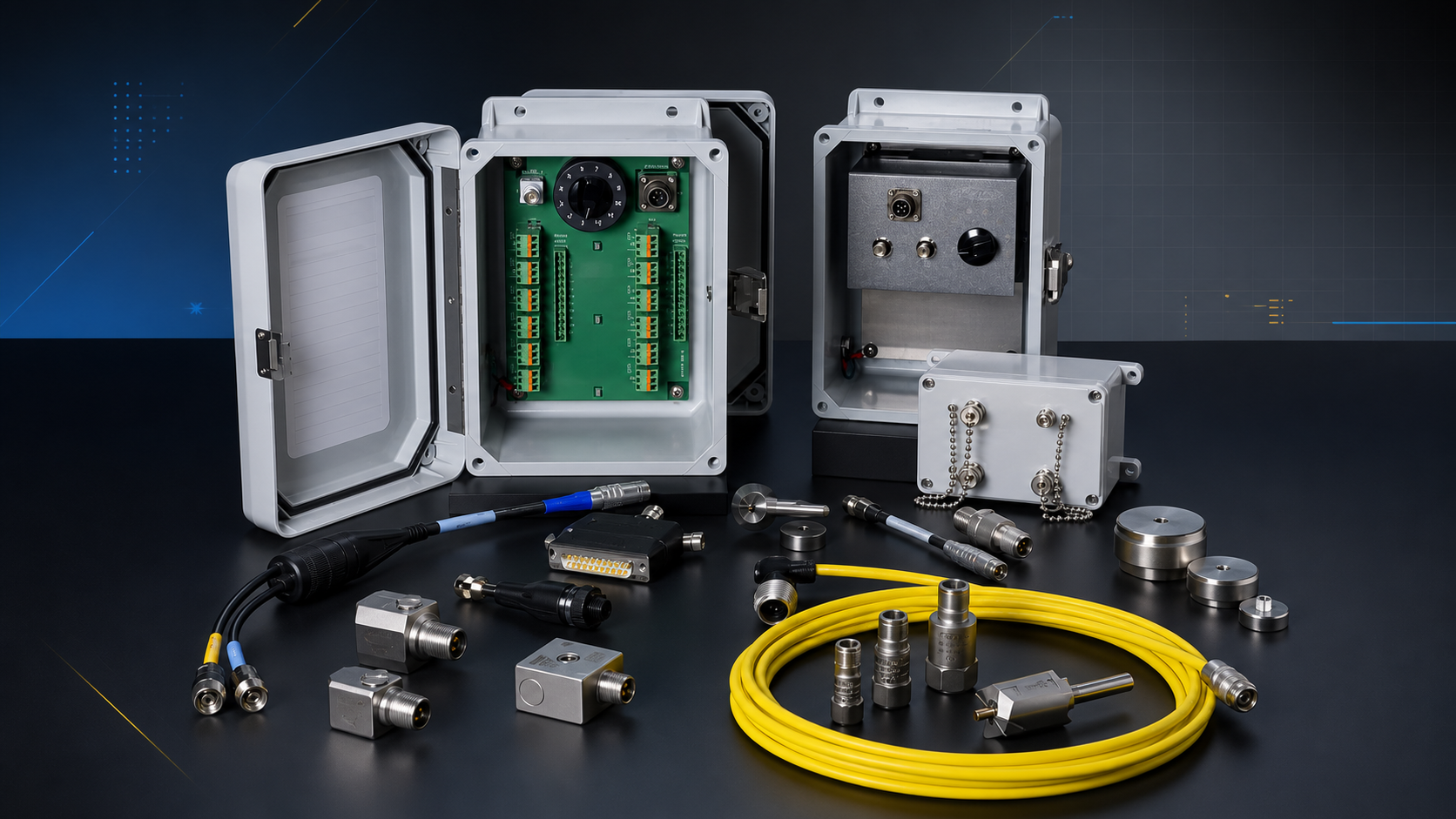
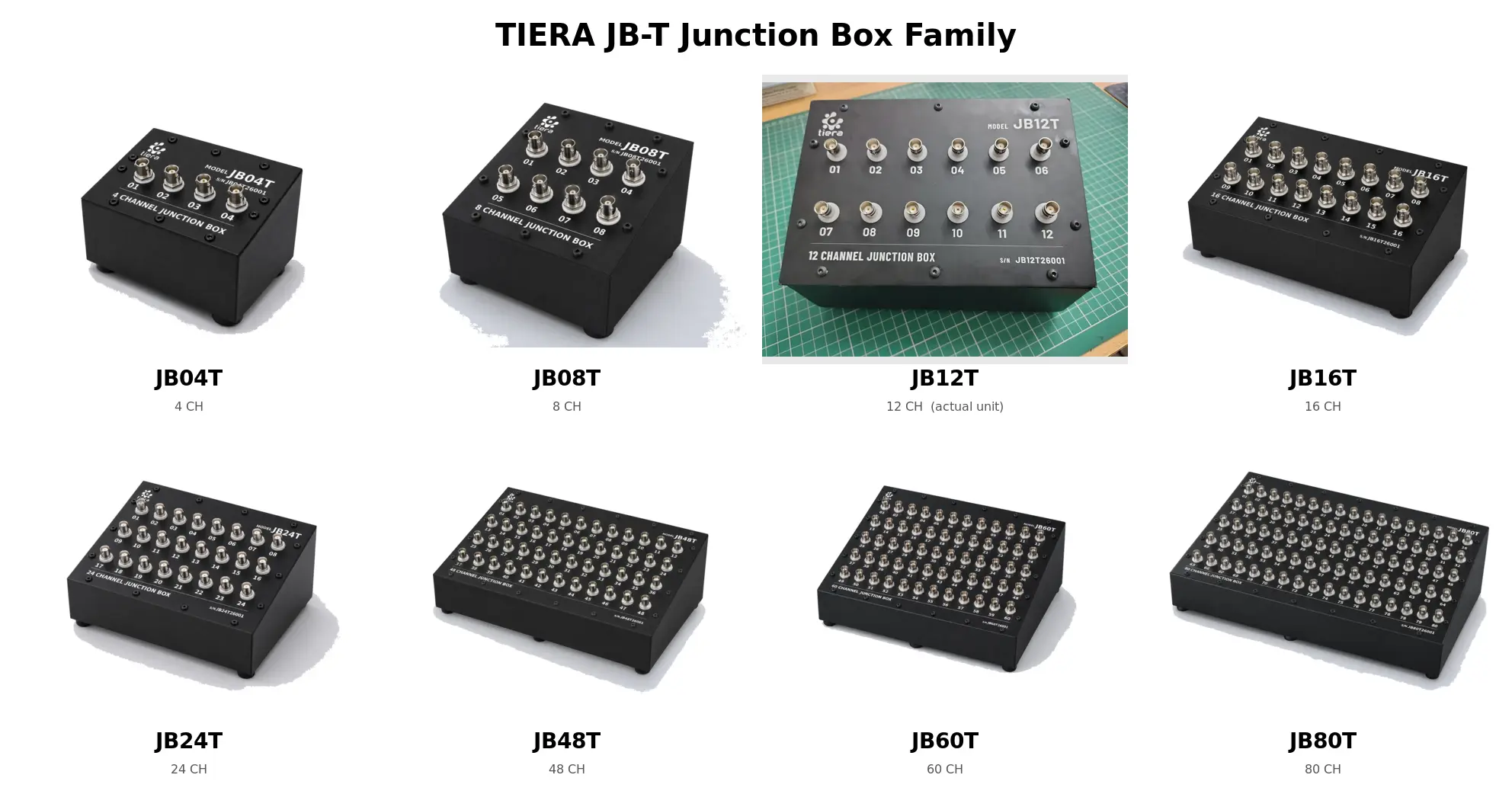
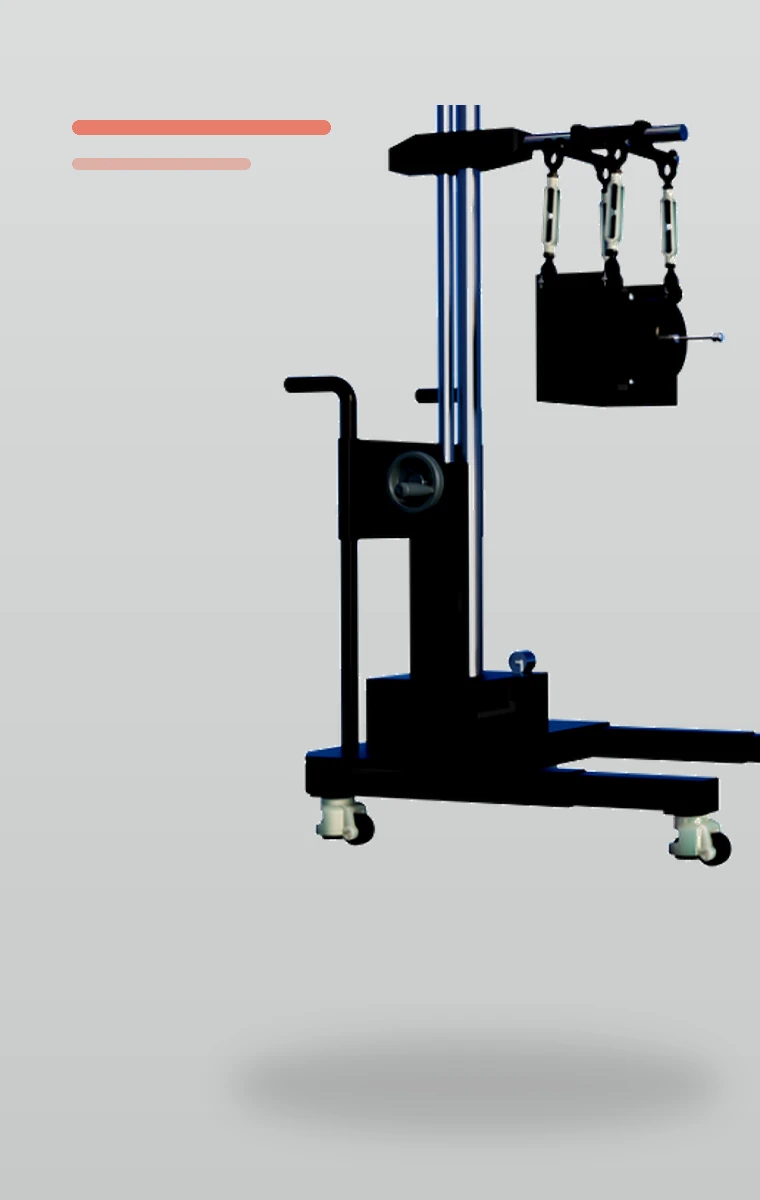
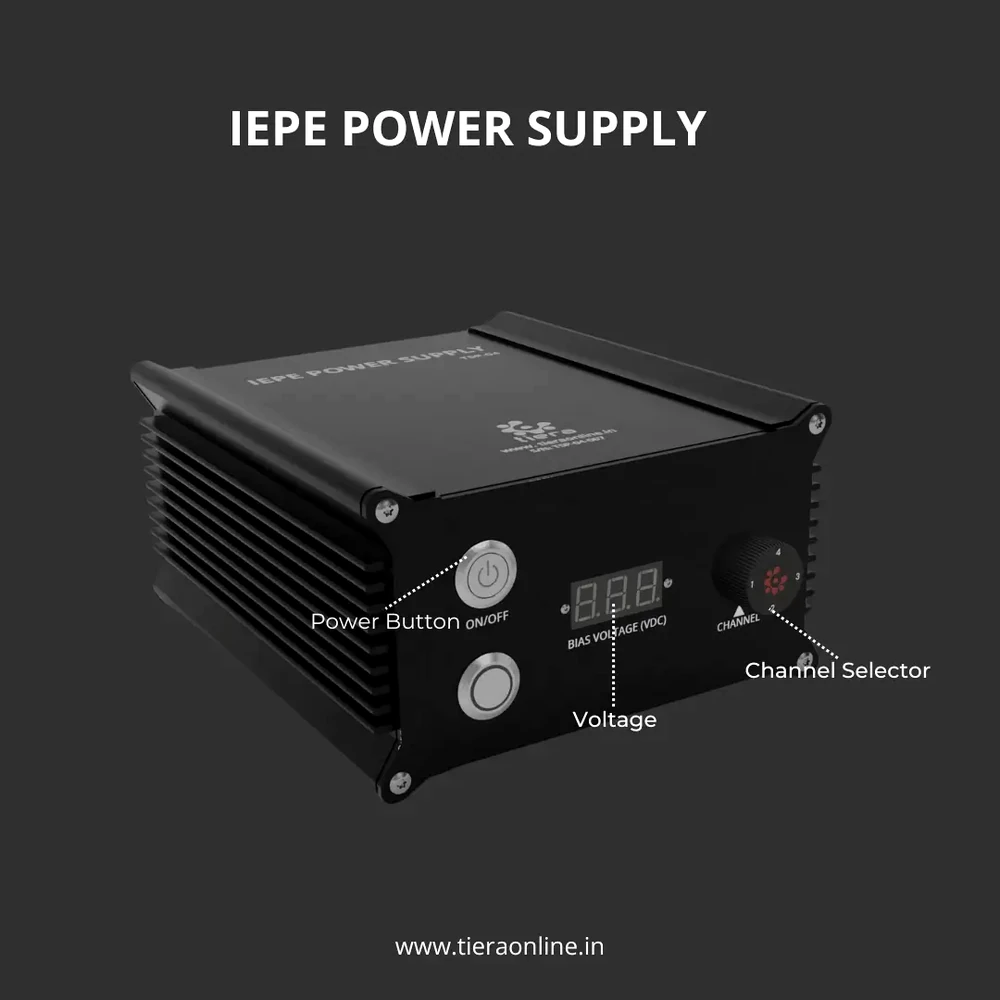
The instruments and rigs this subject is measured on, in case you want to see the hardware behind the worked examples. Nothing here is required to take the course — it is free and self-contained.

Book demo WhatsApp Call