
Low-Noise Coaxial Sensor Cable
Indicative price, ex-works. Excludes GST, packing & forwarding, freight, insurance and duties. Request a quotation to confirm.
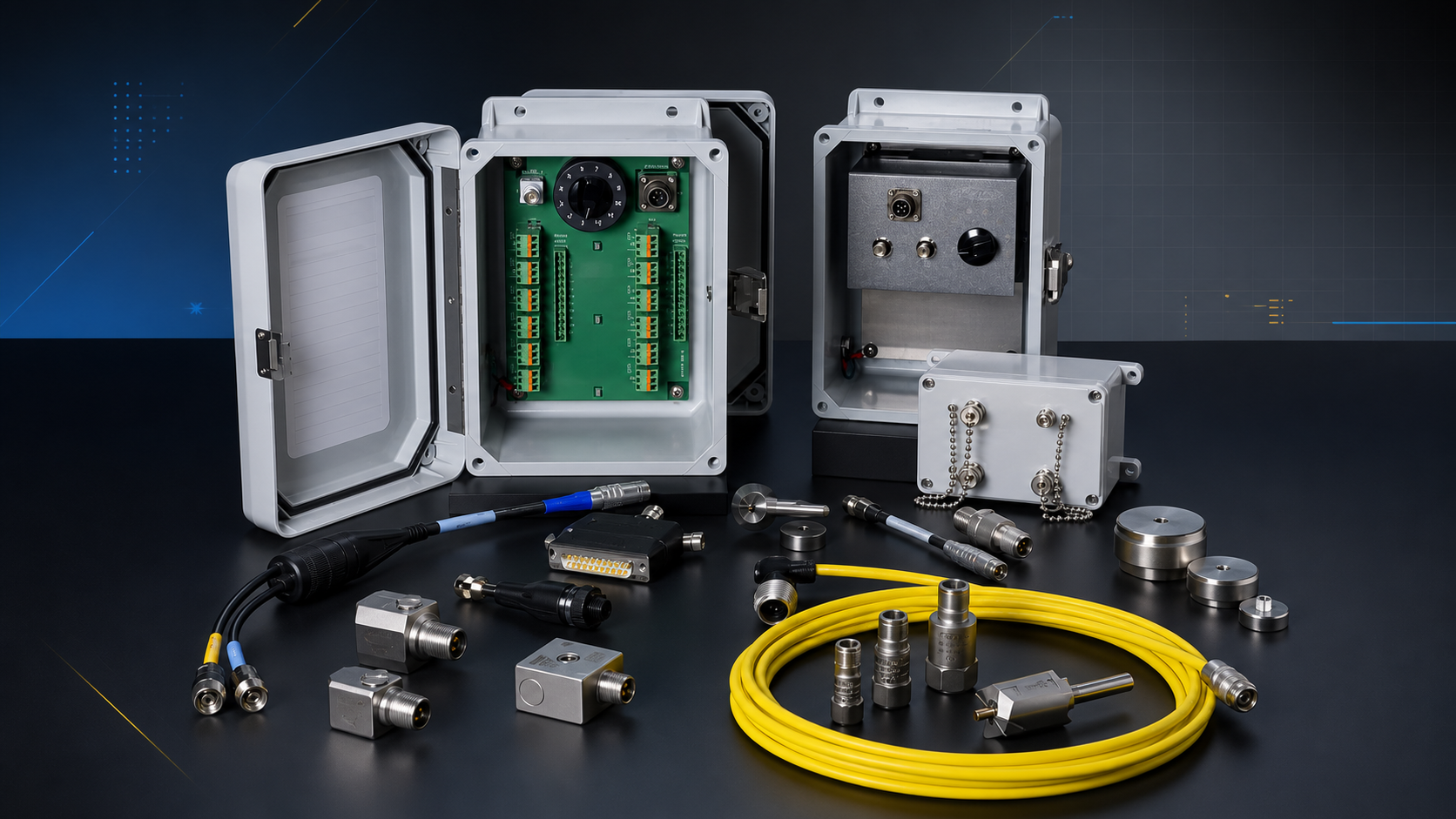
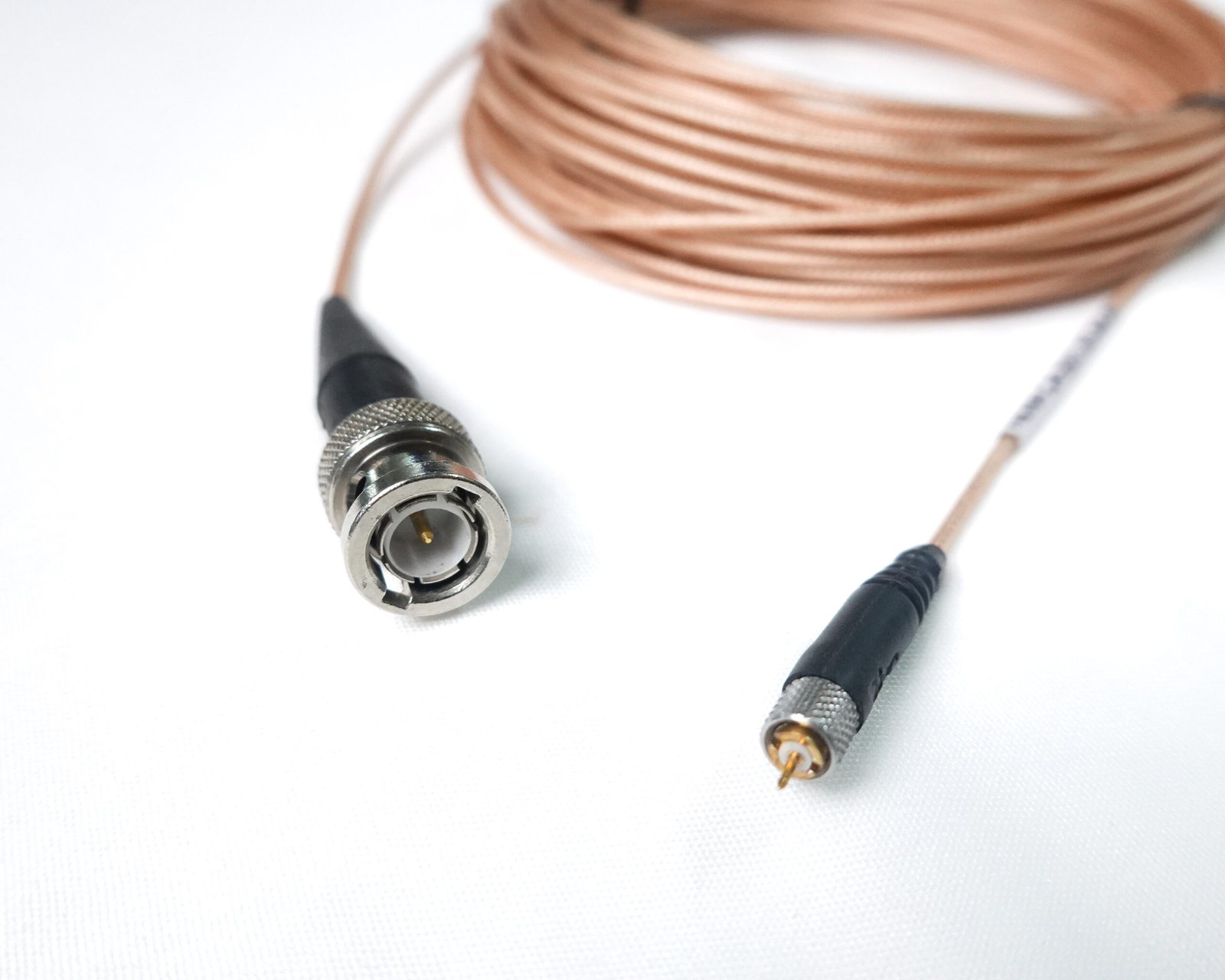
CA-101-5-M-B: Low-Noise Tin plated copper braid Coaxial cable – one end 10-32 / M5 Microdot Connector other end BNC Connector
CA-101-5-M-B: Low-Noise Tin plated copper braid Coaxial cable – one end 10-32 / M5 Microdot Connector other end BNC Connector
Description
Read full description
TIERA low-noise coaxial sensor cable is a type of cable designed specifically for transmitting signals with minimal interference and noise. It’s commonly used in applications where accurate and reliable signal transmission is crucial, such as in scientific research, industrial monitoring, medical devices, and telecommunications. Here are some key features and characteristics of low-noise coaxial sensor cables: Connectors: The cable is terminated with connectors compatible with both 10-32 /M5 and BNC interfaces. These connectors allow for easy and secure connection to devices or sensors equipped with corresponding ports. The 10-32 and M5 connector is commonly used in scientific and industrial applications, while the BNC connector is widely used in telecommunications, test equipment, and audio/video applications. Coaxial Design: These cables consist of a central conductor surrounded by an insulating layer, which is then surrounded by a metallic shield. This coaxial design helps to minimize electromagnetic interference (EMI) and radio frequency interference (RFI). Shielding: The metallic shield surrounding the central conductor serves to protect the signal from external interference. High-quality low-noise cables often have multiple layers of shielding to provide maximum protection against noise. Low Capacitance: Capacitance in a cable can introduce noise and signal degradation. Low-noise coaxial sensor cables are engineered to have low capacitance, which helps to maintain signal integrity over long distances. High-Quality Materials: These cables are typically constructed using high-quality materials such as low-loss dielectrics and precision-engineered conductors. This ensures minimal signal loss and distortion. Impedance Matching: Coaxial cables are designed to have a specific characteristic impedance. Low-noise sensor cables are carefully engineered to match the impedance of the connected devices or sensors, reducing signal reflections and improving signal quality. Flexible and Durable: Despite their sophisticated design, these cables are often flexible and durable, allowing for easy installation and reliable performance in various environments. Application-Specific Variants: Depending on the application, there may be specialized variants of low-noise coaxial sensor cables available, optimized for factors such as temperature range, chemical resistance, or mechanical stress.
Related products
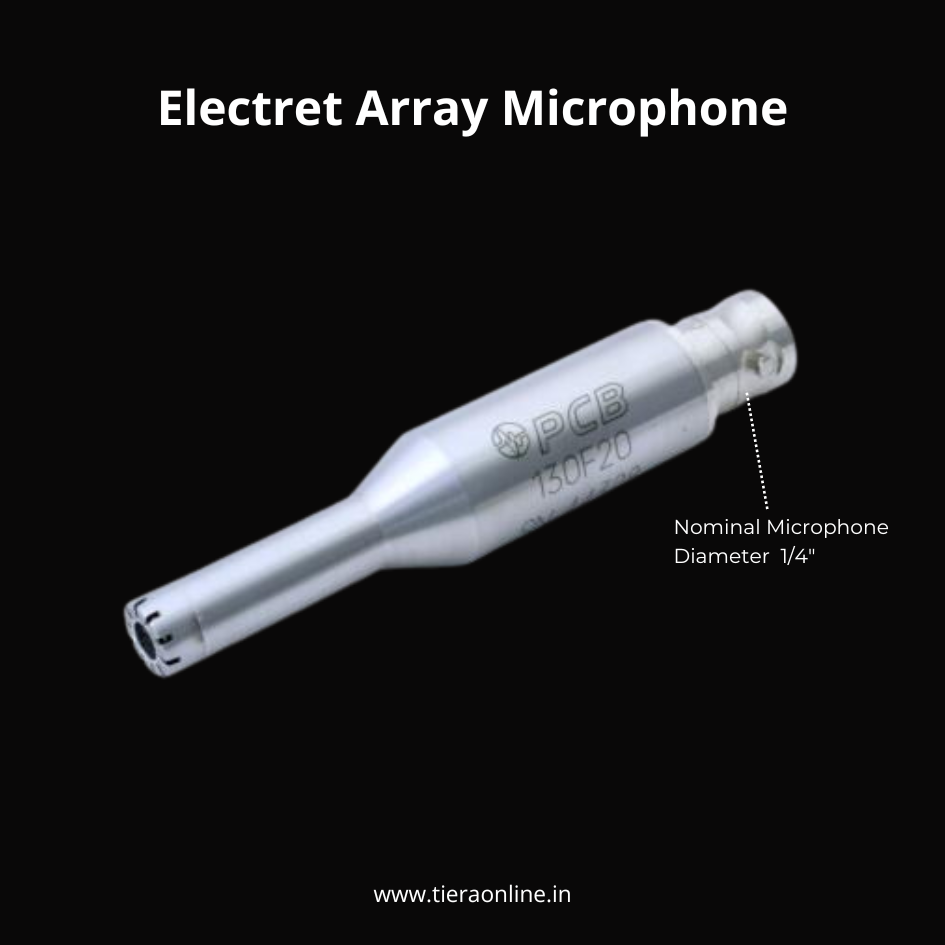
130F20 ICP® Electret Array Microphone
₹57,600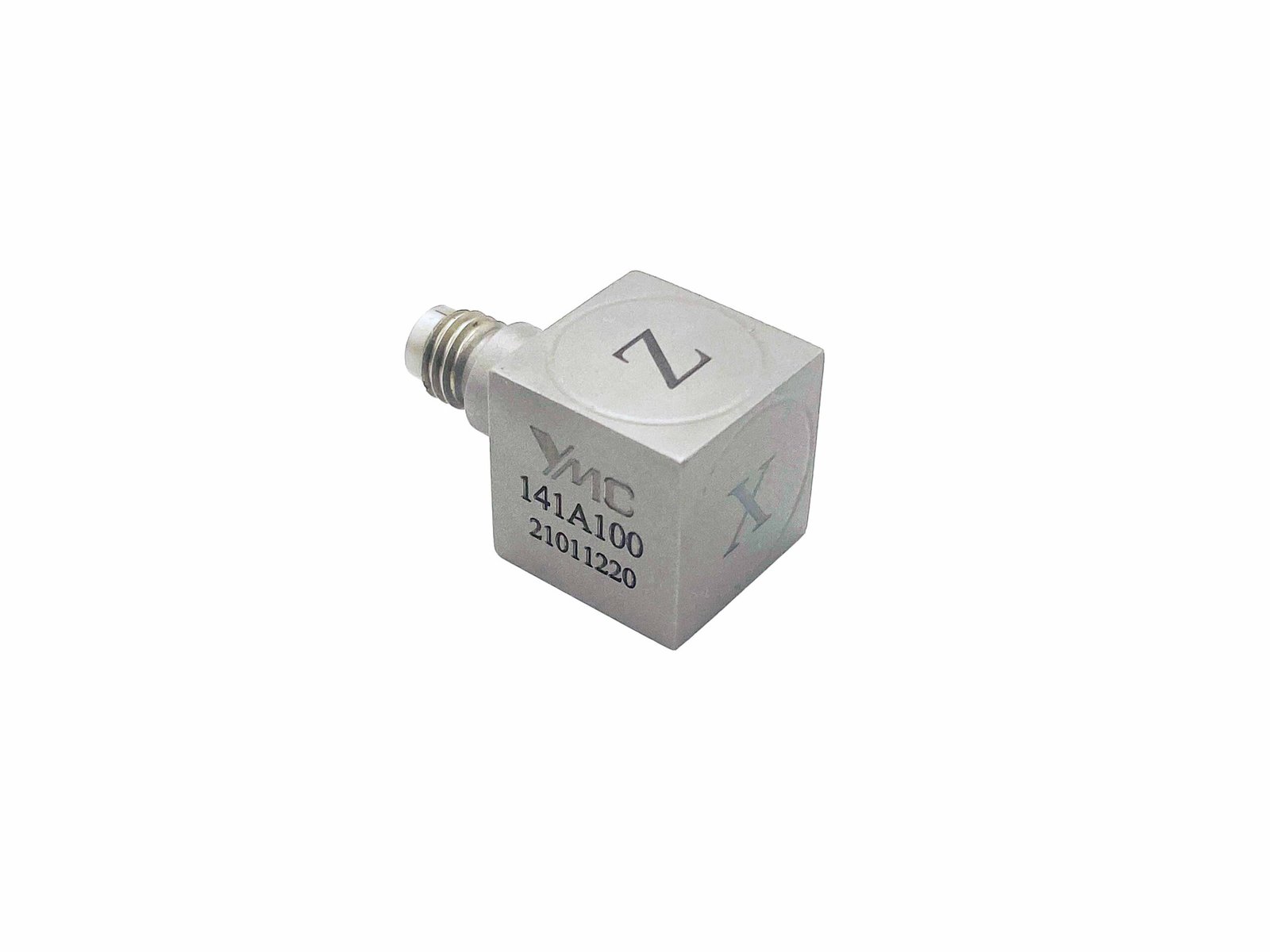
Miniature Tri-axial IEPE Accelerometer-141A100
₹1,21,145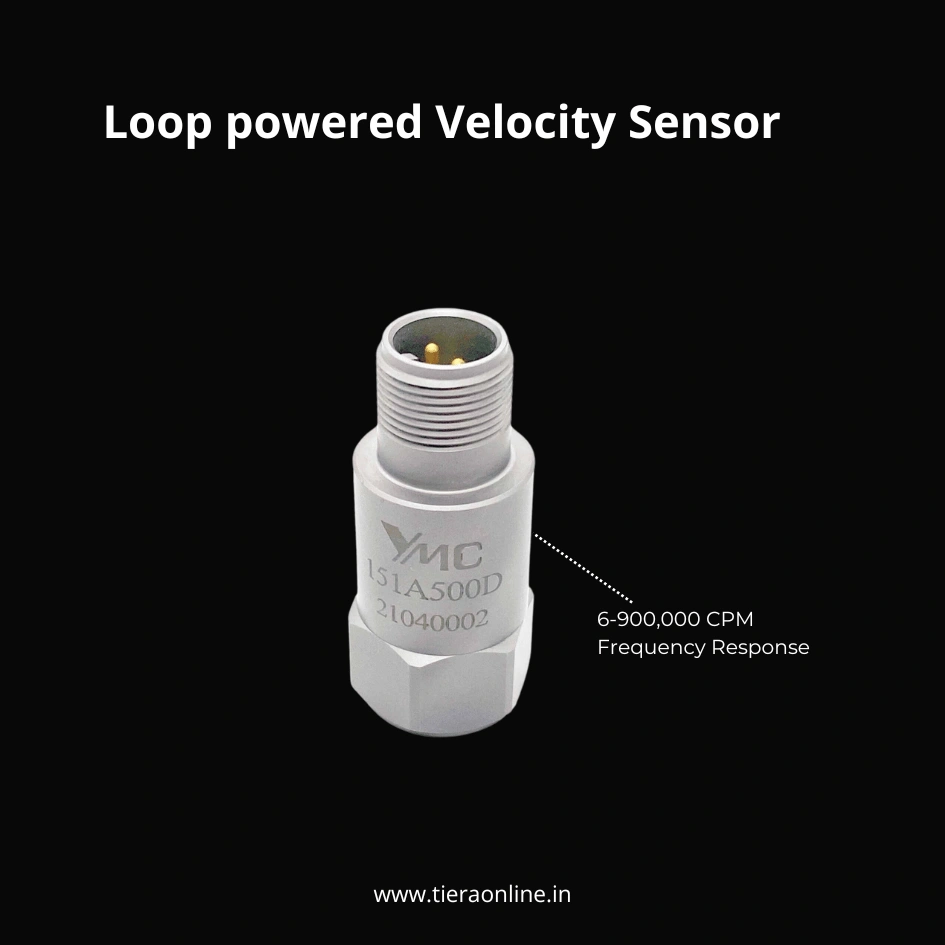
151A500D, 500mV/g Industrial Accelerometer
₹24,522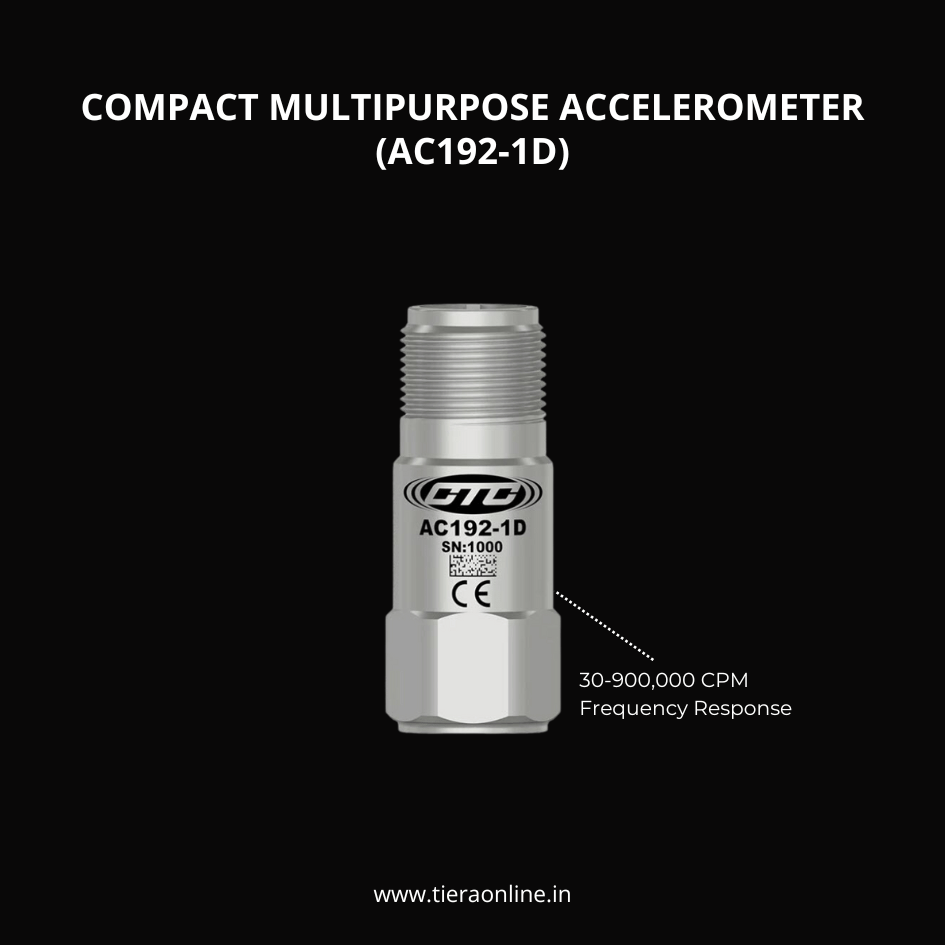
AC 192-1D, COMPACT MULTIPURPOSE ACCELEROMETER
₹16,280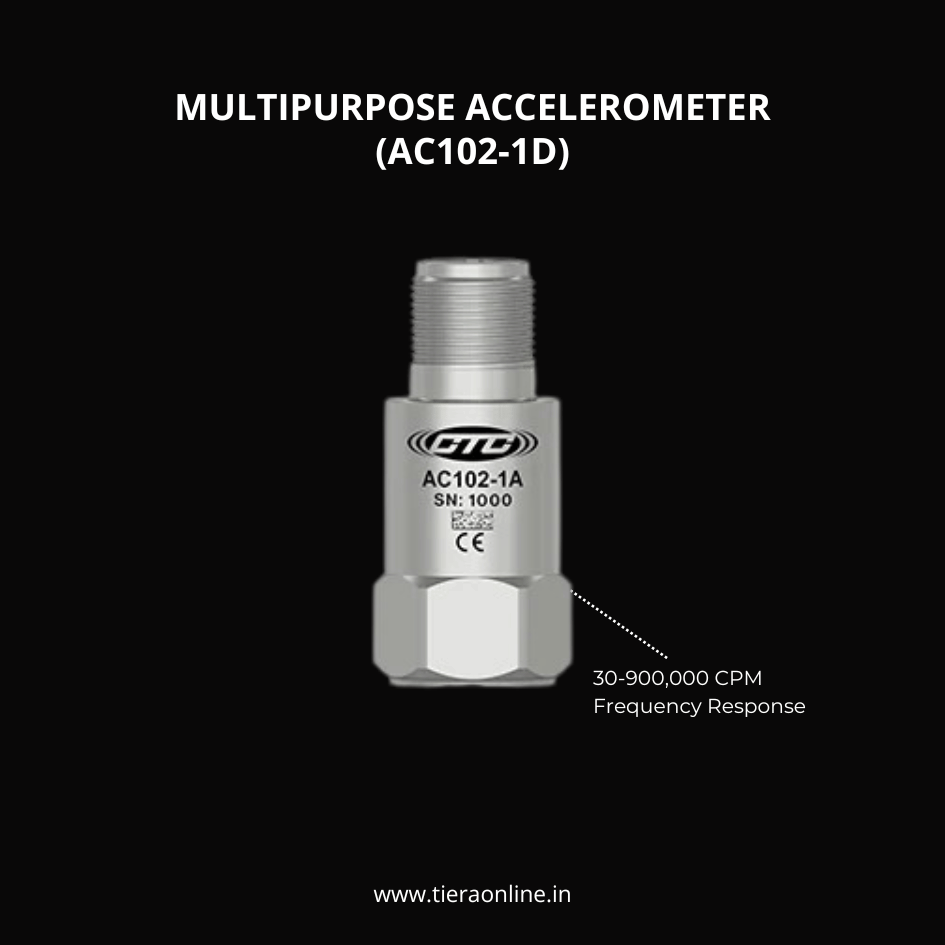
AC102-1D, MULTIPURPOSE ACCELEROMETER
₹14,750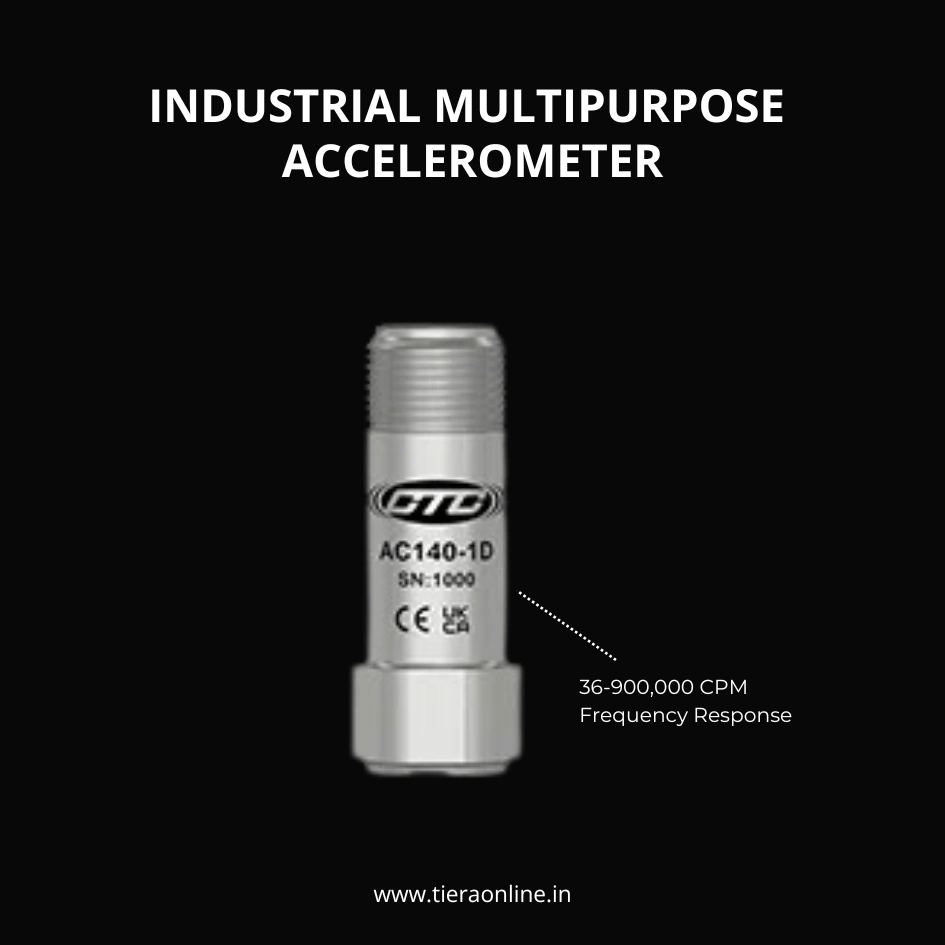
AC140-1D LOW COST MINIATURE INDUSTRIAL MULTIPURPOSE ACCELEROMETER
₹15,000Indicative price, ex-works. Excludes GST, packing & forwarding, freight, insurance and duties. Request a quotation to confirm.
Request a quote
Send this straight to our sales team — pricing, lead time, accessories, or a demo.
Before you buy
The engineering behind this product
Why this measurement is made, how it goes wrong, and what the numbers mean — written by the people who build the instrument.
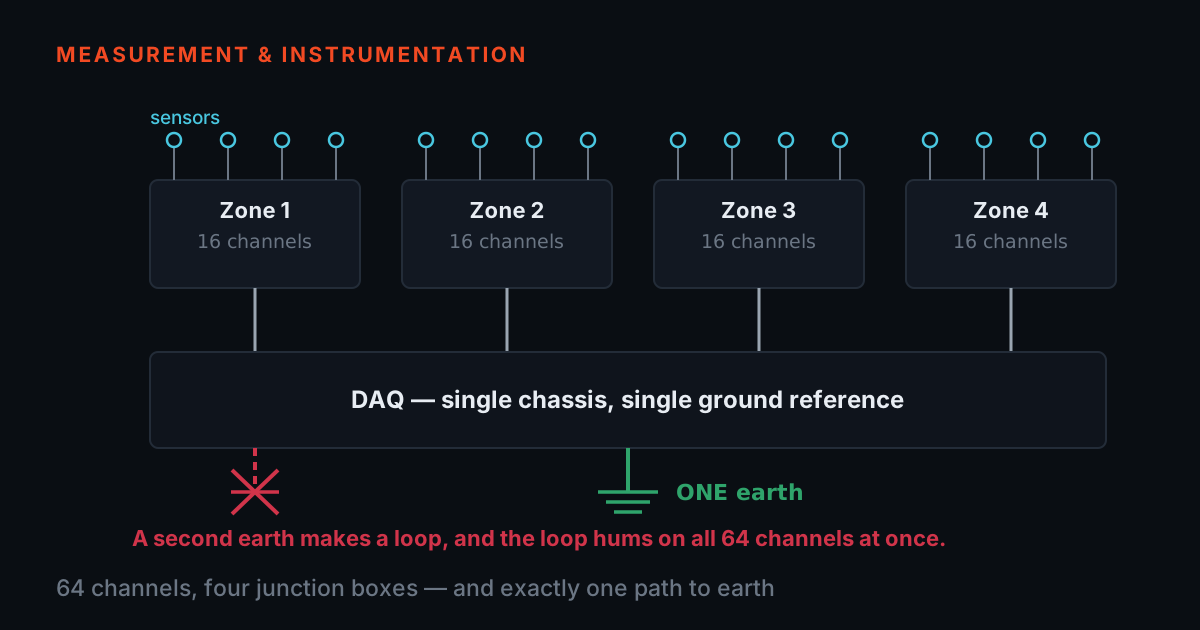 Test set-upWiring a 64-Channel Test: Junction Boxes, Ground Loops, and Channel DisciplineBelow about eight channels, cabling is an afterthought. Above thirty it becomes the dominant risk in the test: a mains hum you cannot explain, a channel map nobody trusts, and a day lost to a connector that was never seated. The fixes are boring, cheap and almost always skipped.8 min read · Read →
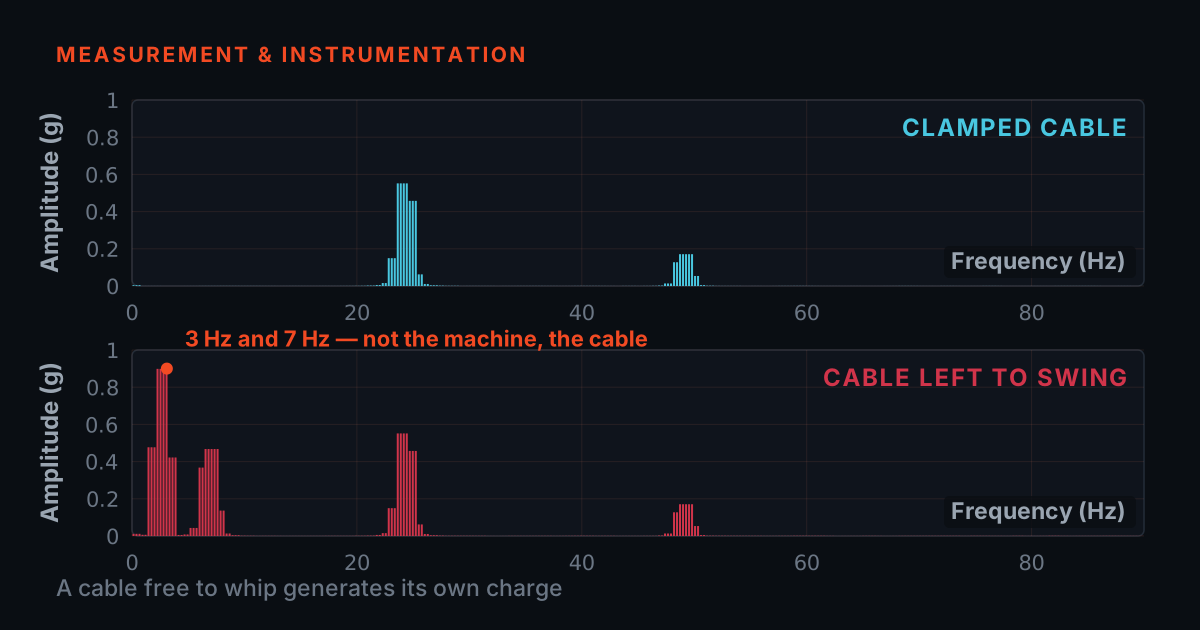 Cables & signal integrityThe Cable Is Part of the MeasurementA vibration cable carries a signal of a few millivolts. Flex the wrong cable and it generates its own charge, burying the bearing fault you bought the sensor to find. What makes a cable good, how cable quality is tested, and why the cheapest cable is the expensive one.14 min read · Read →
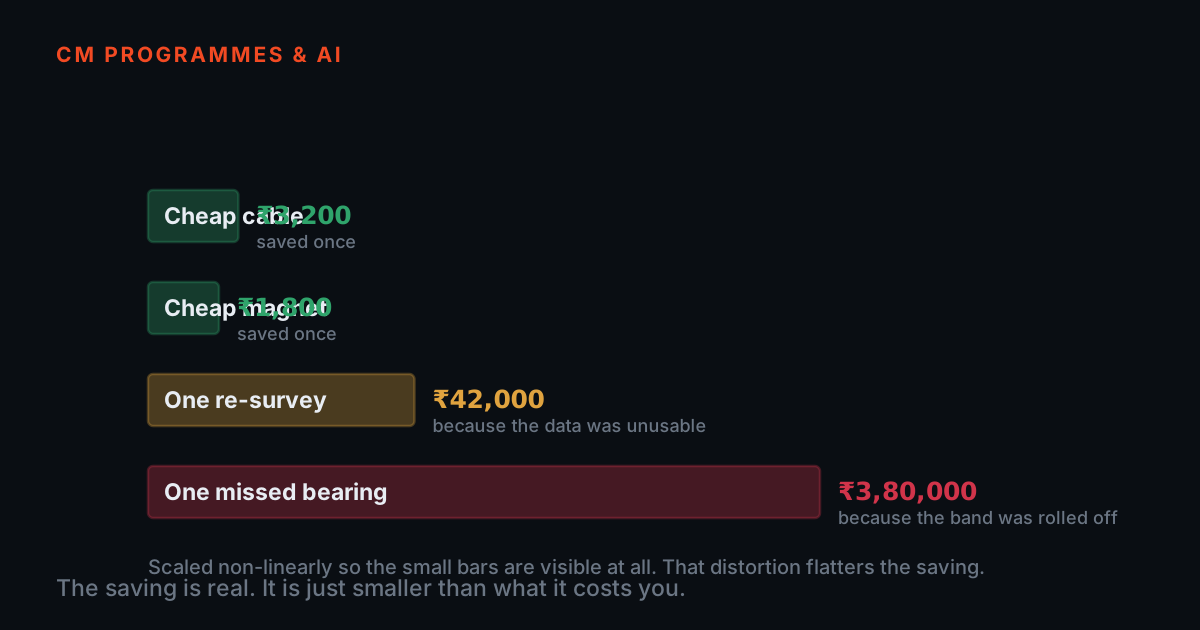 The buying decisionWhy the Cheapest Cable and Magnet Cost the MostA plant will approve a serious analyser and then defeat it with an unspecified cable and an unknown magnet. This is the commercial case for buying the whole measurement chain to a specification — the three failure modes that cost real money, the questions that separate a measurement-grade accessory from a generic one, and an interactive model you can drive with your own numbers.11 min read · Read →