

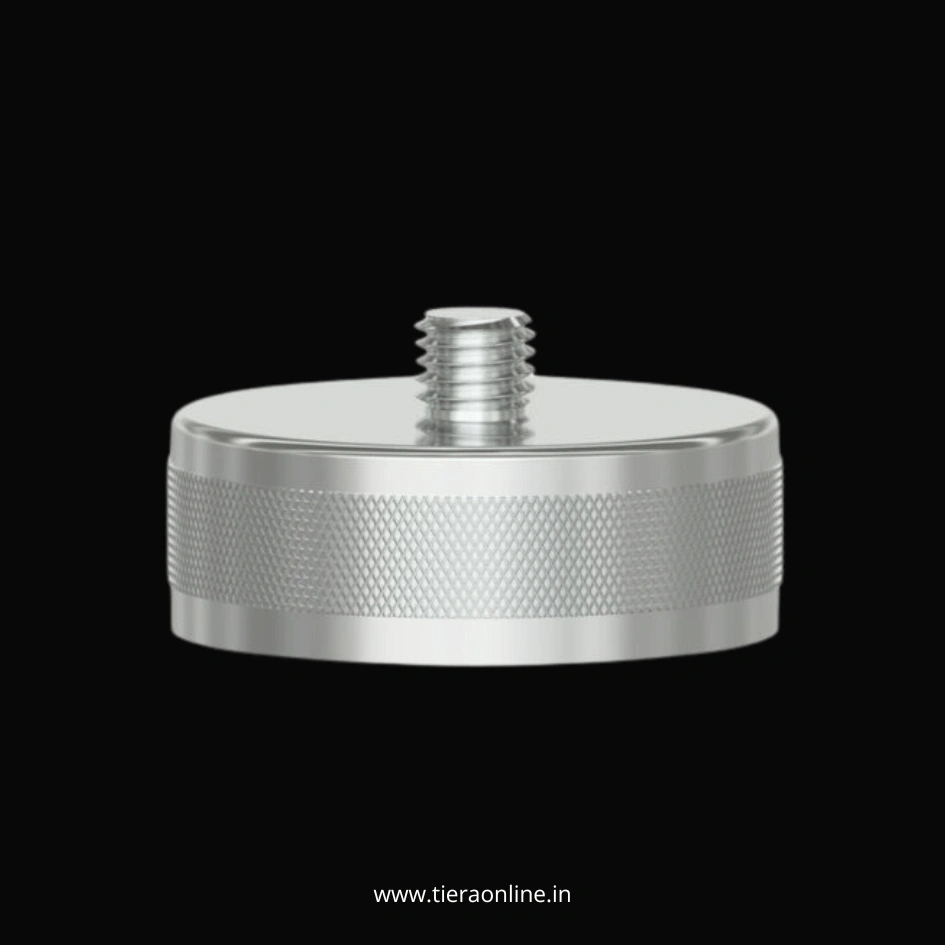
Magnetic Mounting Pad for Vibration sensor
Indicative price, ex-works. Excludes GST, packing & forwarding, freight, insurance and duties. Request a quotation to confirm.
TMA-101-1A : SS 304 Magnetic Mount for Accelerometers and Vibration Sensors.
TMA-101-1A : SS 304 Magnetic Mount for Accelerometers and Vibration Sensors.
Description
Read full description
TIERA magnetic mount is a mounting solution that allows you to attach the sensor to metallic surfaces using magnets. Here’s some information about it: Mounting Method: The magnetic mount typically consists of a strong magnet or a set of magnets embedded within a housing. These magnets create a strong magnetic field that securely attaches the vibration sensor to metallic surfaces, such as machinery, equipment, or structures. Compatibility: Magnetic mounts are suitable for vibration sensors that have a metal housing or are equipped with a metal mounting base. The magnetic force ensures a firm and stable attachment, preventing the sensor from shifting or falling off during operation. Versatility: Magnetic mounts provide a versatile mounting solution that allows for quick and easy installation of vibration sensors without the need for drilling holes or using additional hardware. This makes them ideal for temporary or portable monitoring applications where flexibility and convenience are essential. Adjustability: Some magnetic mounts feature adjustable mounting angles or swivel mechanisms, allowing you to position the vibration sensor at the desired orientation for optimal monitoring and data collection. Stability: The strong magnetic force of the mount ensures that the vibration sensor remains securely in place even in dynamic or high-vibration environments. This stability is crucial for accurate and reliable vibration monitoring. Removability: Despite their strong grip, magnetic mounts are usually designed for easy removal and repositioning of the vibration sensor as needed. This allows for flexibility in sensor placement and makes it convenient to relocate the sensor to different monitoring points.
Indicative price, ex-works. Excludes GST, packing & forwarding, freight, insurance and duties. Request a quotation to confirm.
Request a quote
Send this straight to our sales team — pricing, lead time, accessories, or a demo.
Before you buy
The engineering behind this product
Why this measurement is made, how it goes wrong, and what the numbers mean — written by the people who build the instrument.
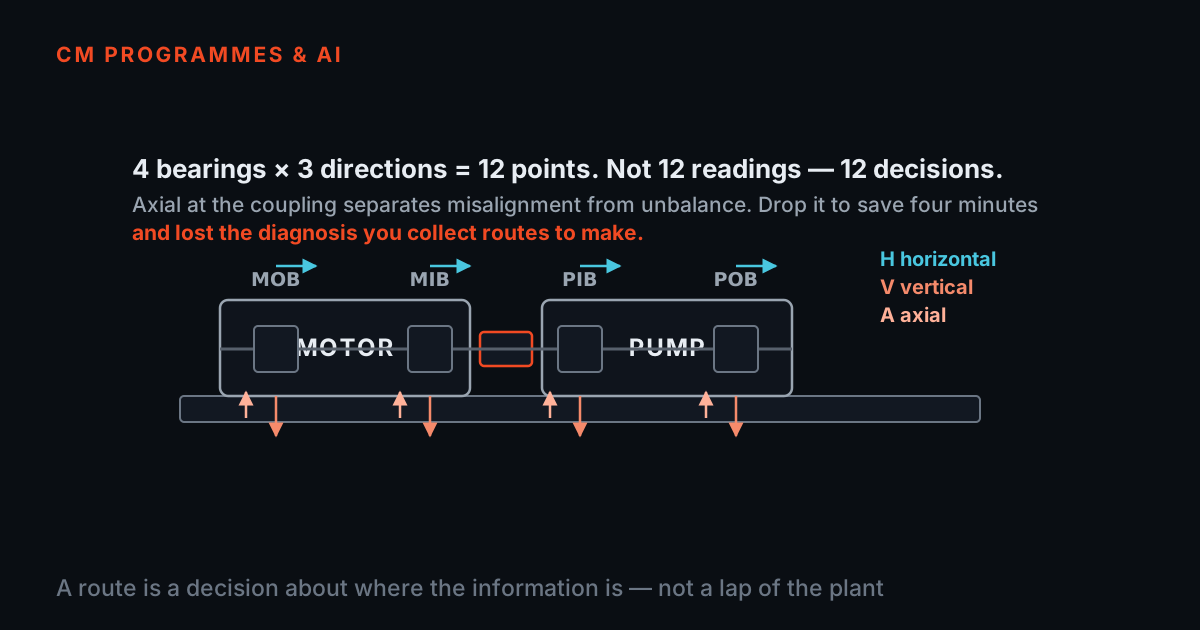 Route-based CMDesigning a Vibration Route: Where to Measure, How Often, and What to Stop CollectingA route that takes four hours and gets walked is worth more than one that takes two days and gets skipped. Most struggling programmes are not short of technology — they are carrying points nobody reads, at intervals nobody chose, on machines nobody ranked.9 min read · Read →
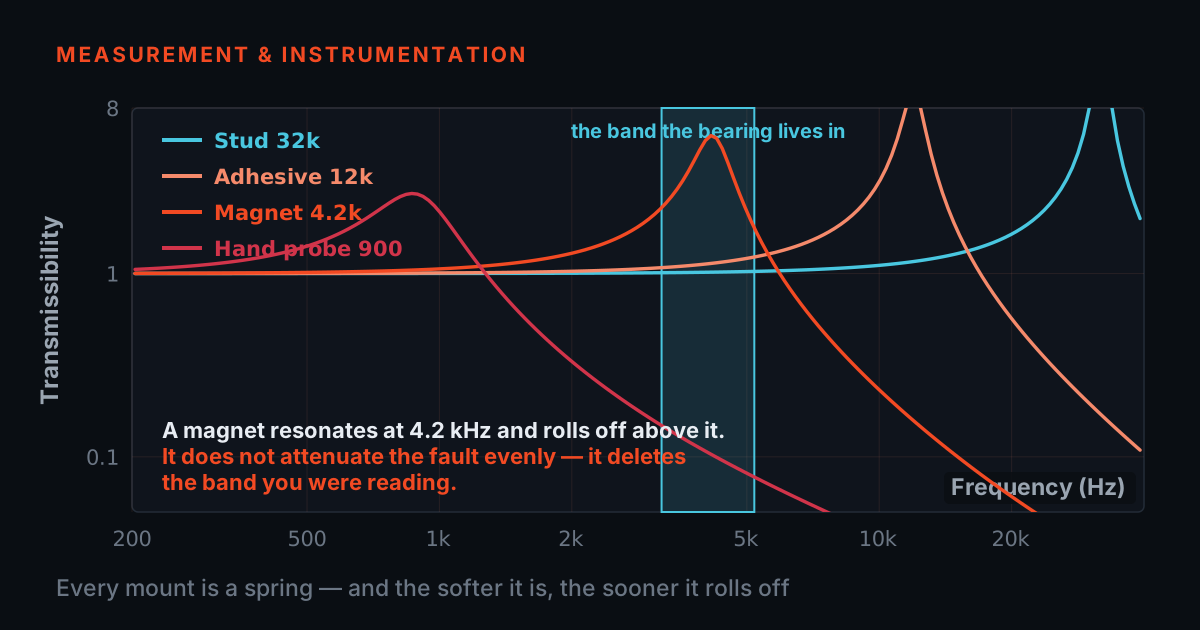 Mounting bandwidthThe Magnet That Deleted a Bearing FaultHow you attach the sensor decides which frequencies you are allowed to see. A mini explainer plus a live simulator: pick stud, adhesive, magnet or probe, drag a fault frequency, and watch an early bearing tone vanish.7 min read · Read →
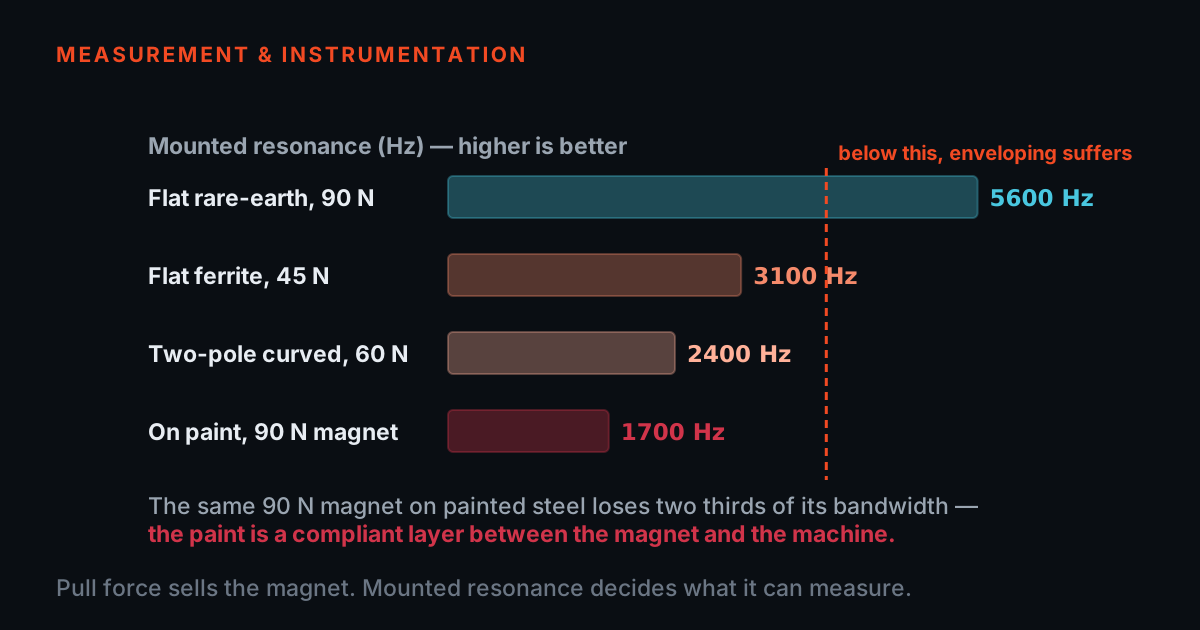 Mount selectionChoosing a Magnetic Mount: Pull Force Is the Easy HalfA magnet is not an accessory — it is the last spring between the machine and your accelerometer. A buyer's guide to pull force, flat versus two-pole curved geometry, surface condition and the five tests to demand, with a live bench that shows a flat magnet on a pipe collapsing your usable band.12 min read · Read →