A university vibration lab has to satisfy two people who want different things. The head of department wants equipment that fifty students can use without breaking, that still works in five years, and that does not need a licence key renewed from another continent. The researcher wants a measurement chain good enough to publish from.
The good news is that they are the same equipment, bought in the right order.
What a lab is for
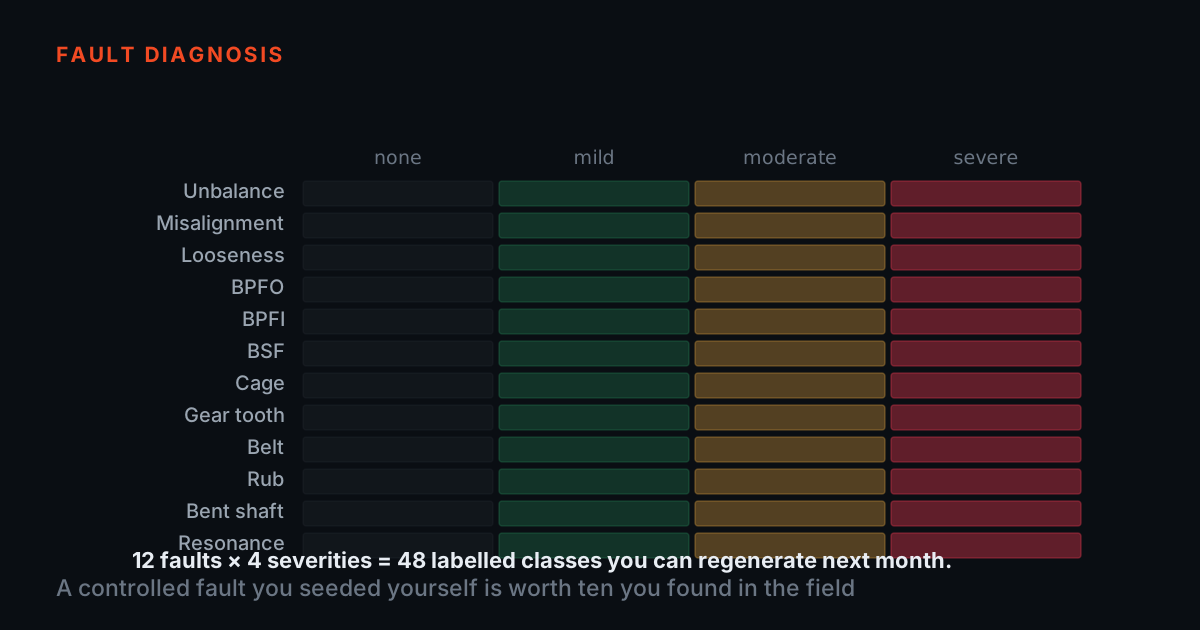
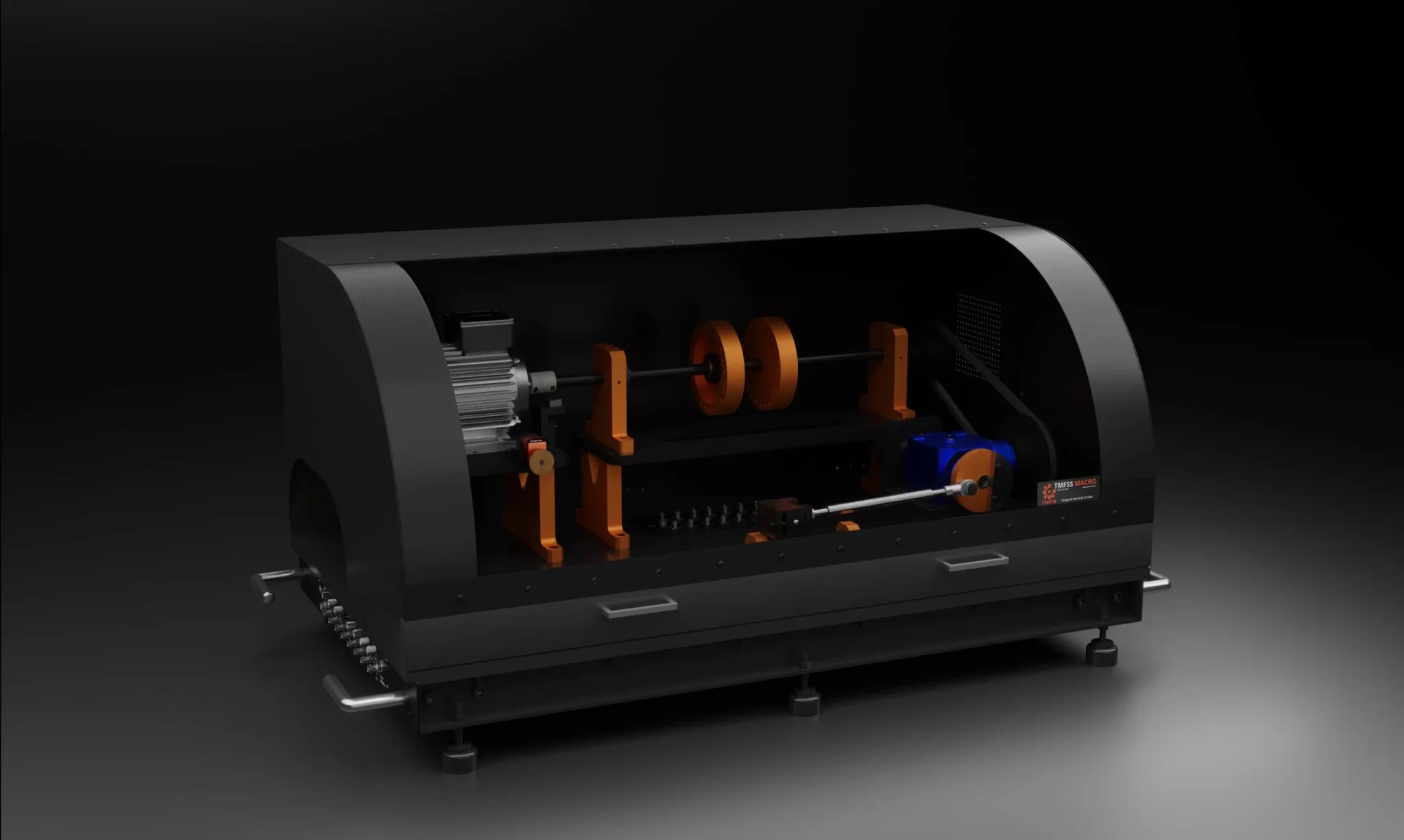
Teaching the signal, not the software. A student who has only seen a spectrum on a slide cannot tell unbalance from misalignment on a real machine. A machinery fault simulator creates the fault on demand, repeatably, so the spectrum on the screen is one the student caused — and the same rig teaches the whole vibration analyst syllabus year after year.
Research-grade measurement. Modal testing, damping estimation, structural dynamics, acoustics of materials, condition-monitoring algorithms. The modal analysis workflow is the same one an industrial lab uses; the difference is what you do with the result.
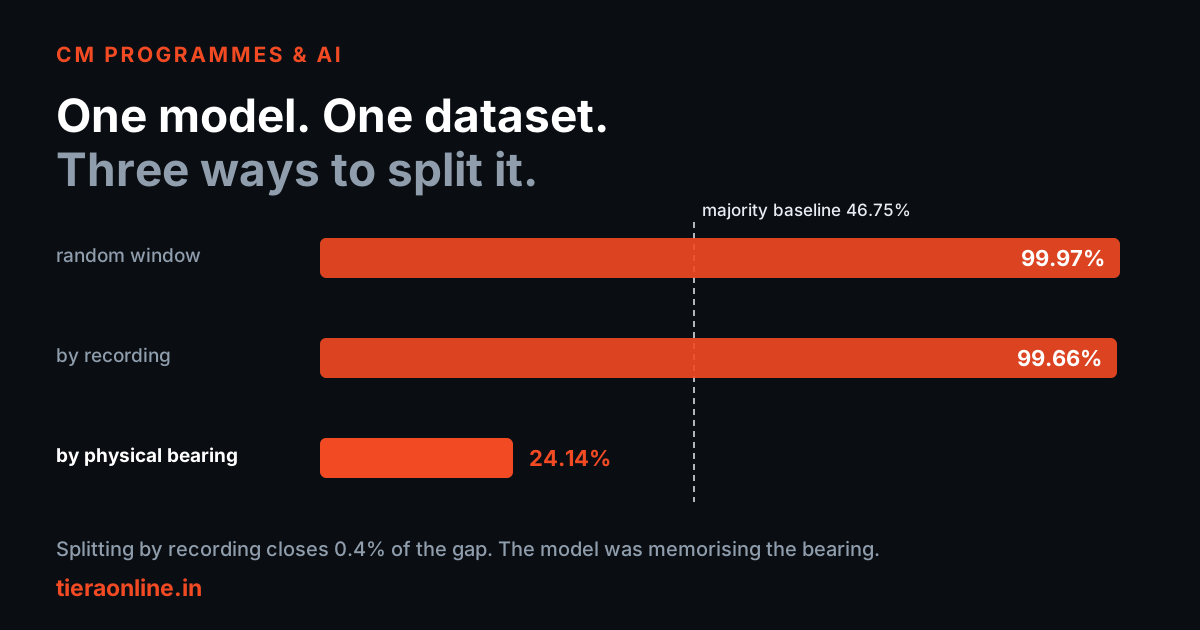
Data for algorithm work. A machine-learning project on machine condition lives or dies on the dataset. Publicly available machinery datasets carry licensing and provenance questions that a thesis should not inherit — the post on the machinery data you are allowed to train on lays out what is usable and what is not. A fault simulator sidesteps the problem entirely: you own the data because you made it. ML and AI algorithm development is the workflow.
The equipment, in the order it is usually bought
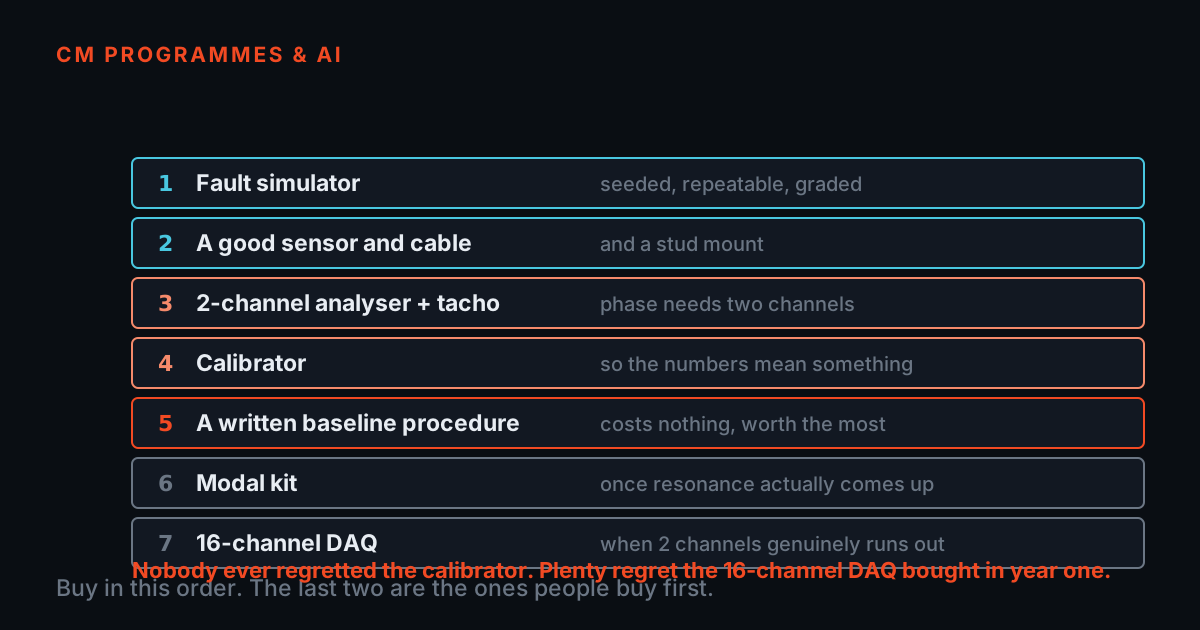
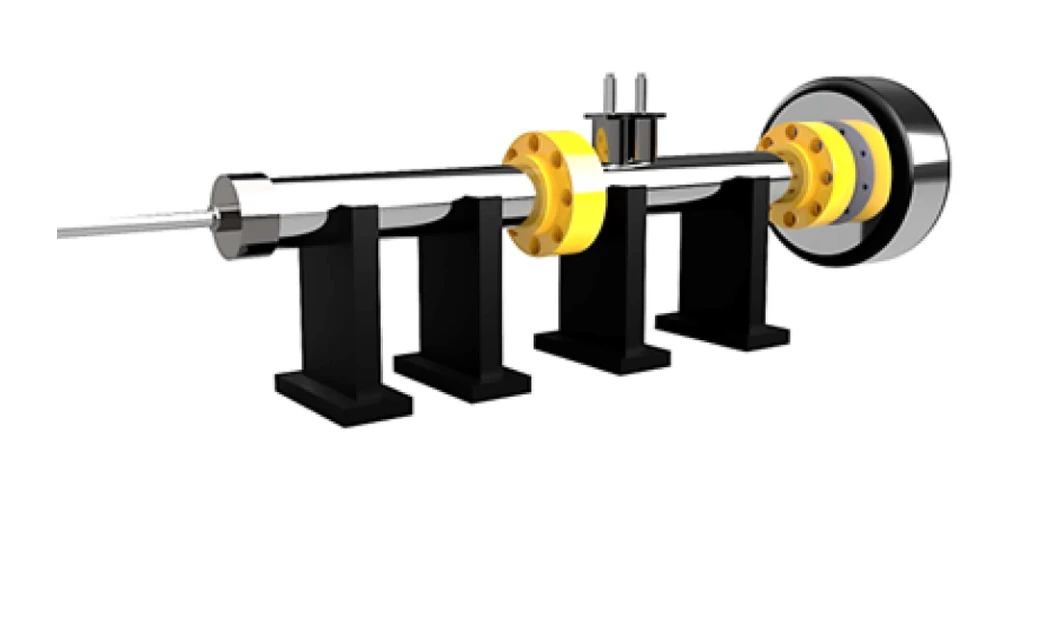
- A fault simulator. TMFSS Micro for a classroom, TMFSS Macro where the rig has to represent an industrial train.
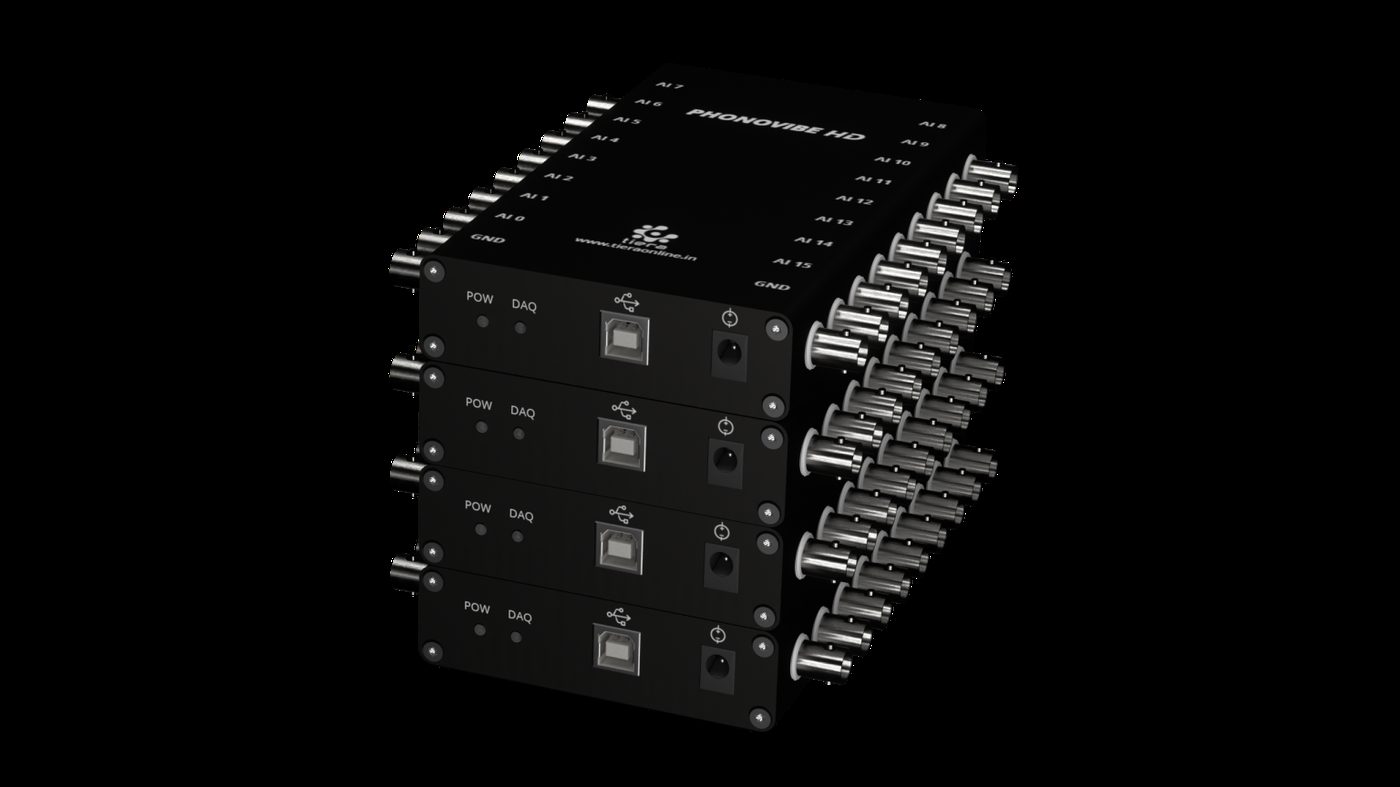
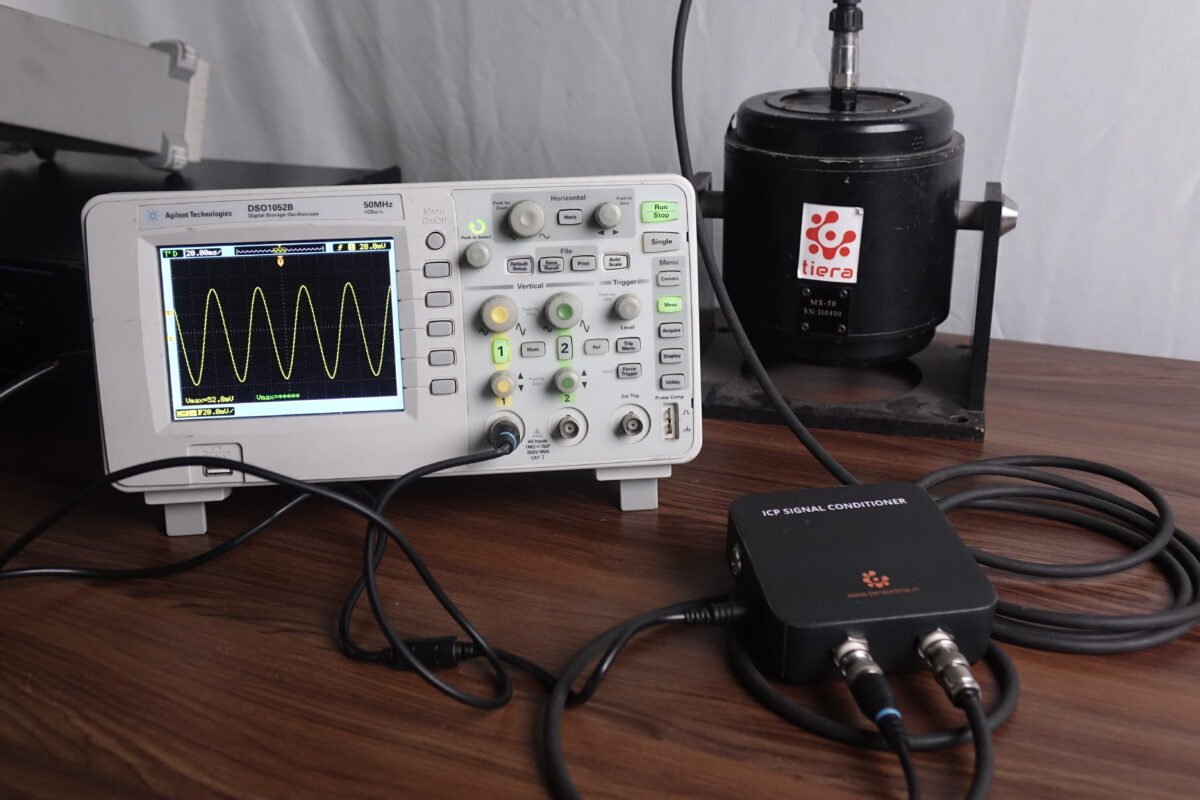
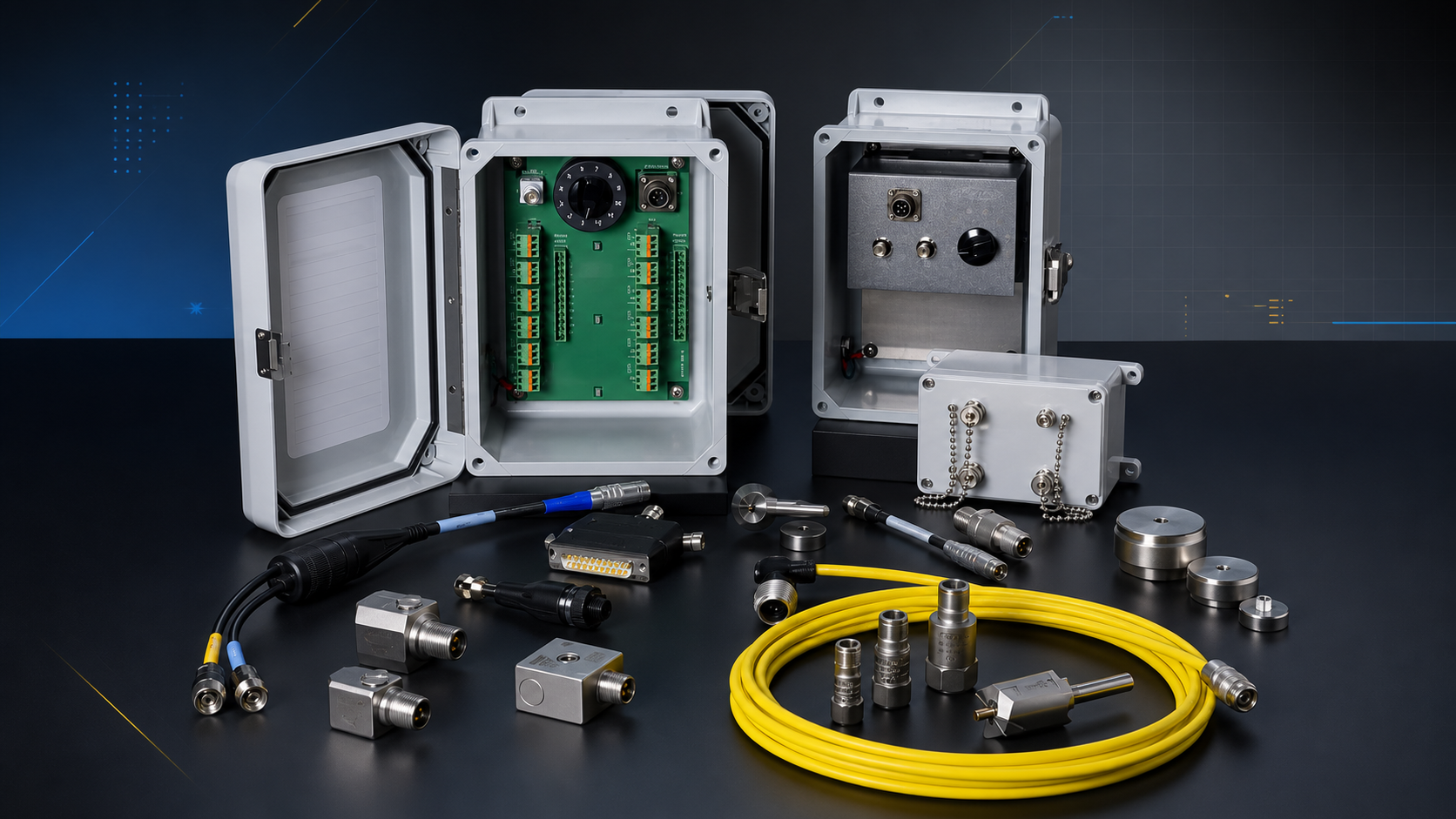
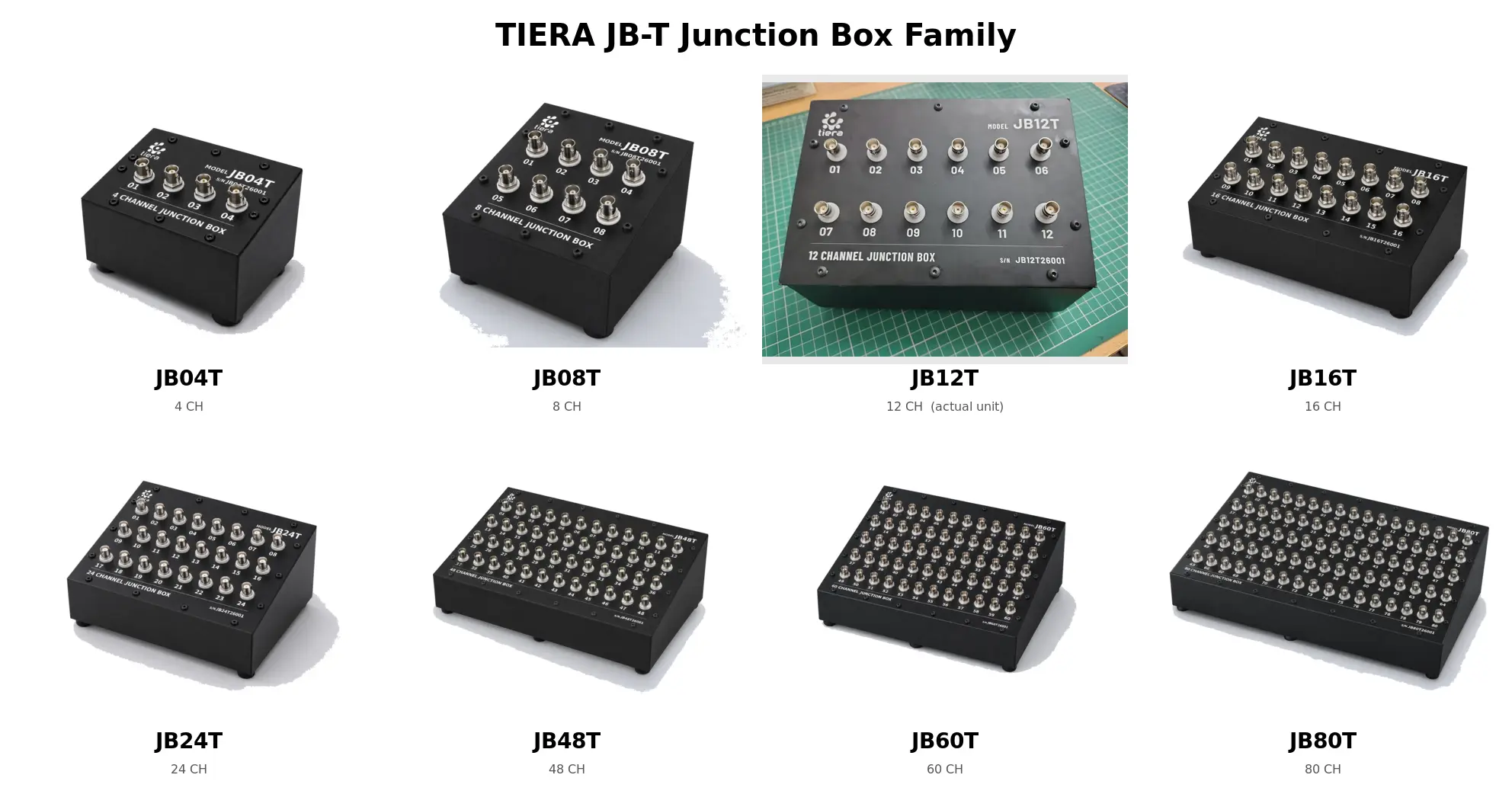
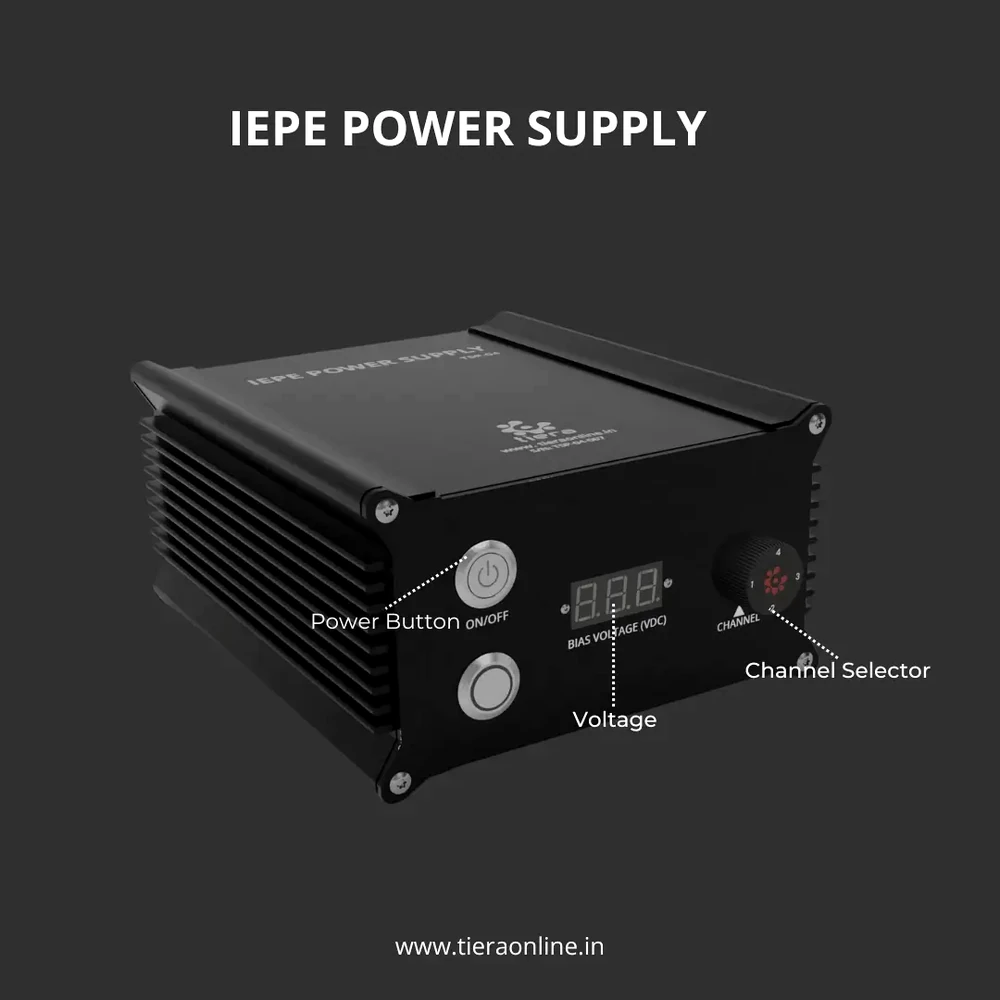
- A DAQ and sensors. PhonoVibe with 4 or 8 channels covers a teaching lab and most projects; accelerometers, mounts and cables from the same catalogue keep the chain consistent.
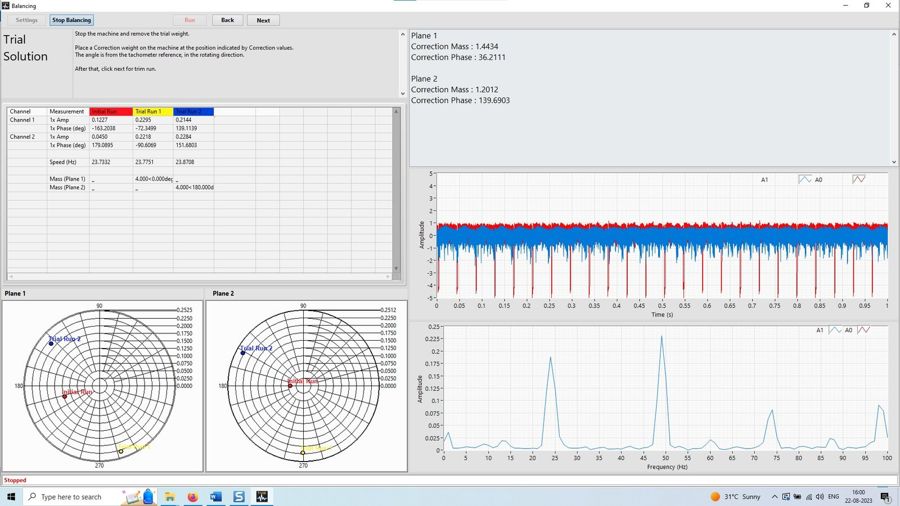
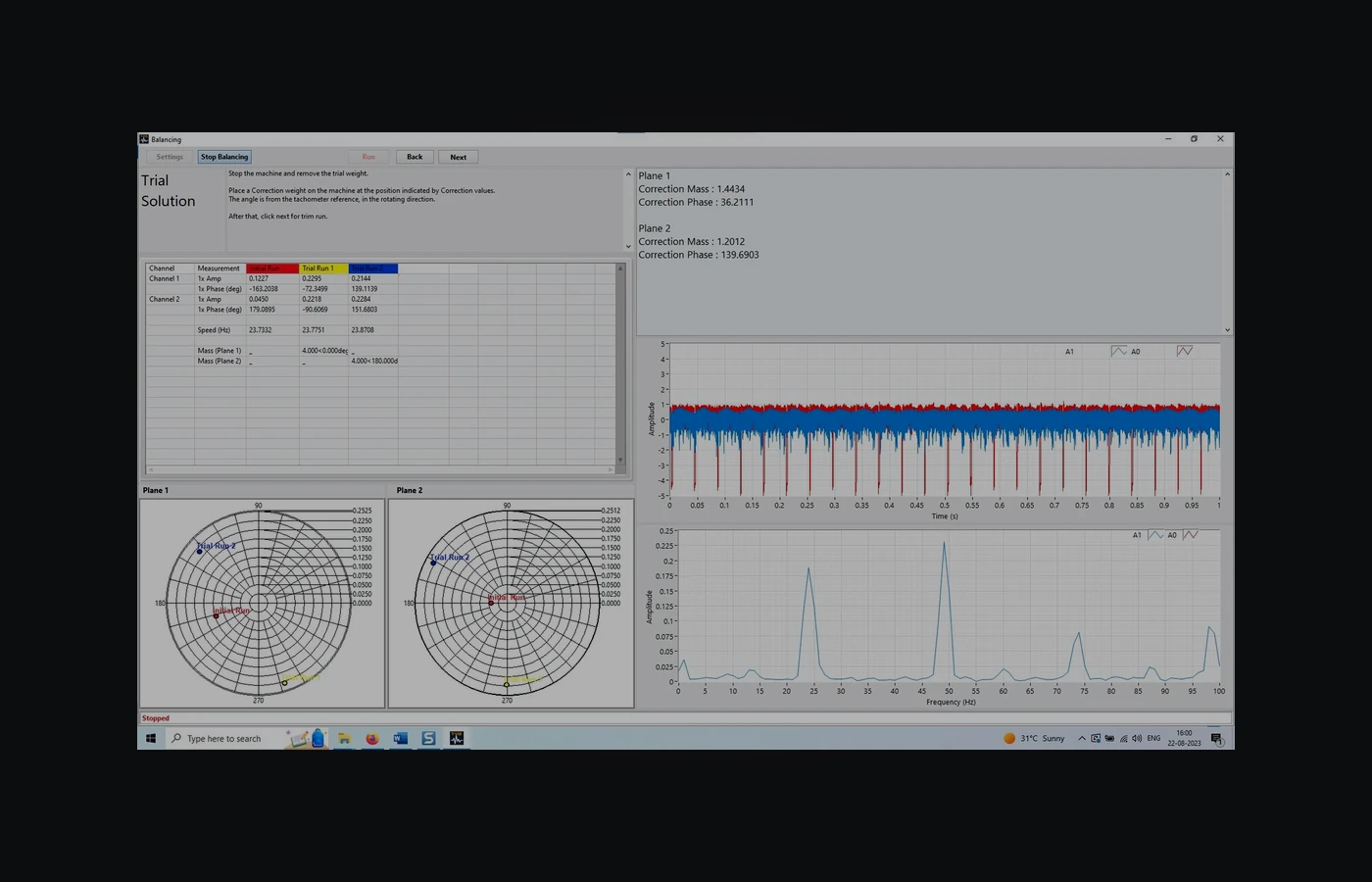
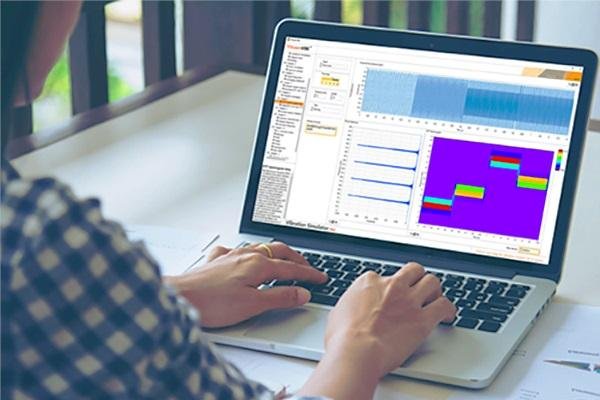
- Analysis software. TVIB for measurement and analysis; To-Learn Vibe where the point is simulation and teaching rather than acquisition.
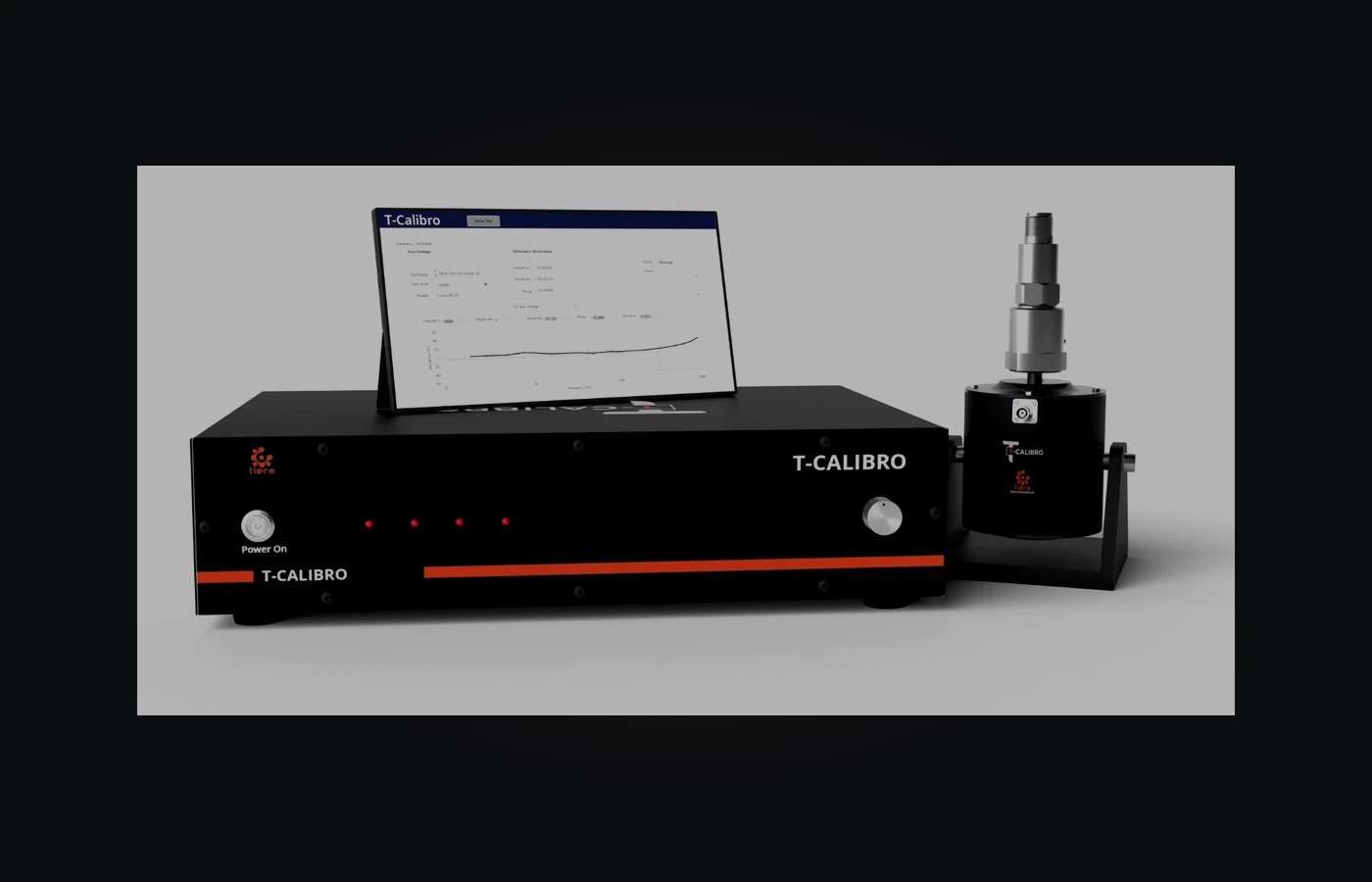
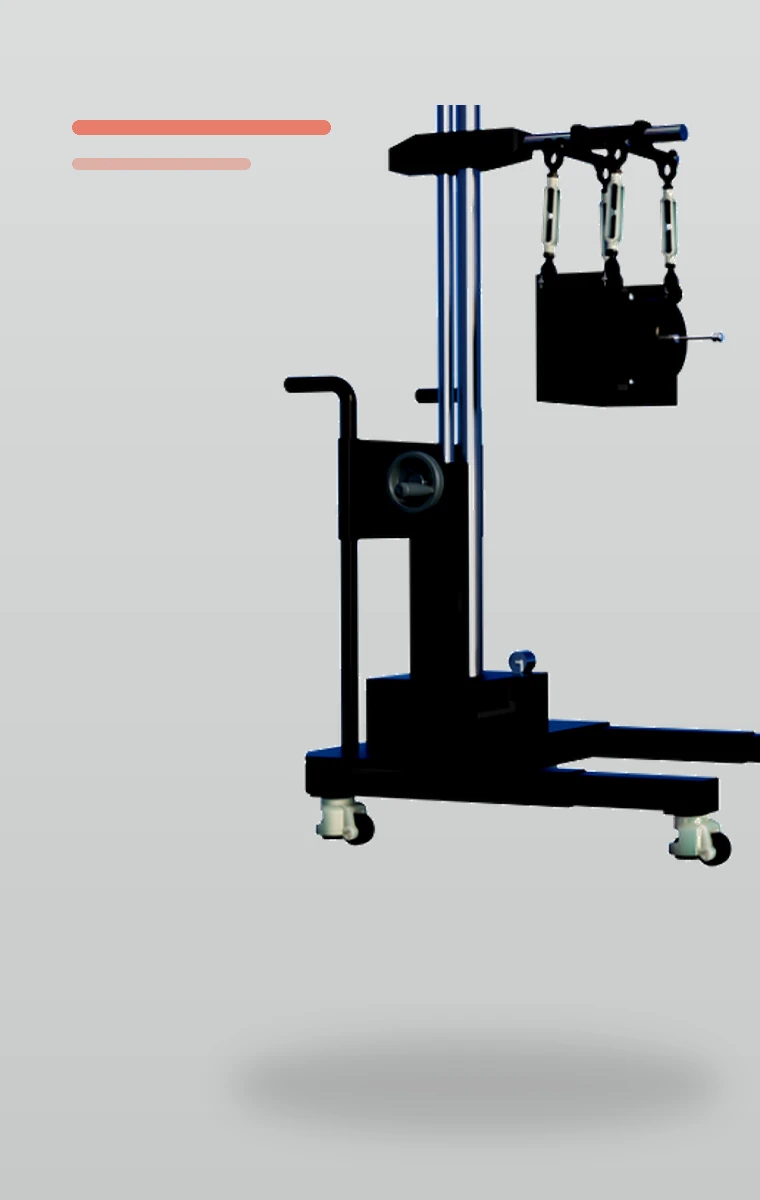
- Excitation and calibration. Shaker stands for controlled excitation, and T-Calibro when the lab needs its own traceability rather than a yearly shipment.
- Acoustics, if the syllabus covers it. The T-Sonus impedance tube measures absorption on real material samples.
Training kits bundle these for a lab being set up from nothing.
Course material you do not have to write
TIERA 101 is a free primer programme — Vibration 101, Signal Processing 101, Modal & Resonance 101 and others — that a department can point students at directly. Where the goal is certification, the ISO 18436-2 Category I and II courses run on the same material.
Where to start
Read building a vibration training lab first: it is written for exactly this decision and says plainly what to buy first and what can wait a year. Then ask for a demonstration — the rig is more convincing than the datasheet.
The workflows behind this
Each one is a full measurement route with its own instrument list.
Modal Analysis and Structural Dynamics R&D
Hammer and shaker-based FRF testing, frequency-response characterisation, and mode-shape extraction for mechanical R&D teams and structural dynamics labs.
Open the workflow →Vibration Analyst Certification Training
ISO 18436-2 Cat I and Cat II training programmes combining hardware fault rigs, structured course material, and digital simulation software — for training institutes and in-plant L&D teams.
Open the workflow →ML / AI Algorithm Development for Predictive Maintenance
Generate clean, labelled fault datasets, capture high-channel-count parallel sensor streams, and validate classifier outputs against ground-truth spectral features — without leaving your lab.
Open the workflow →