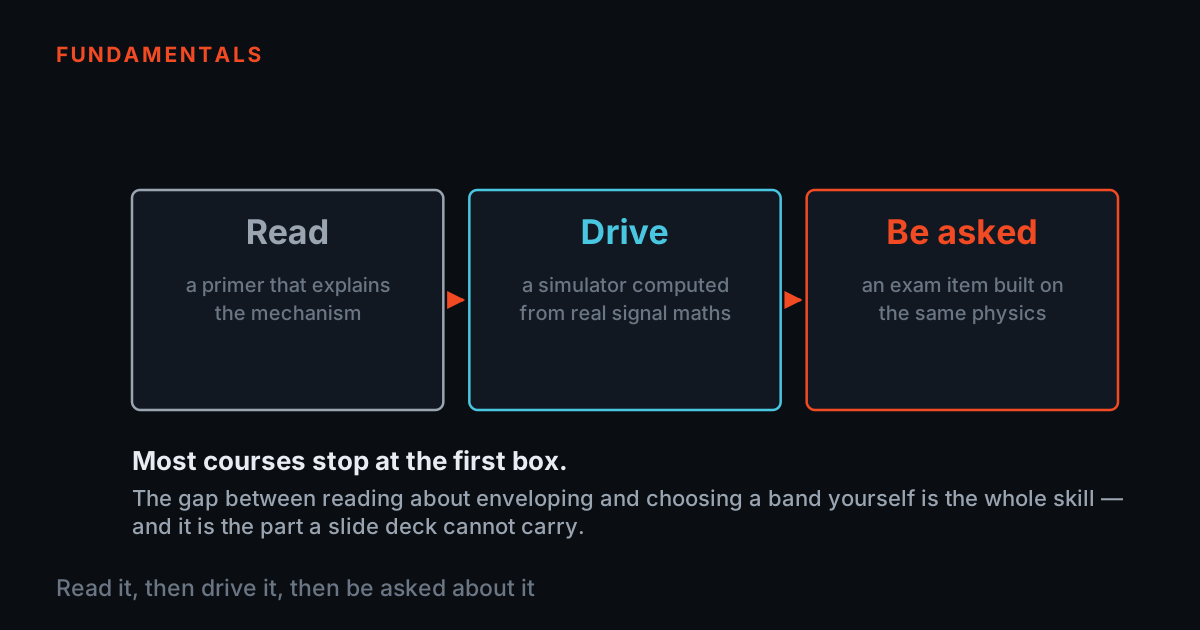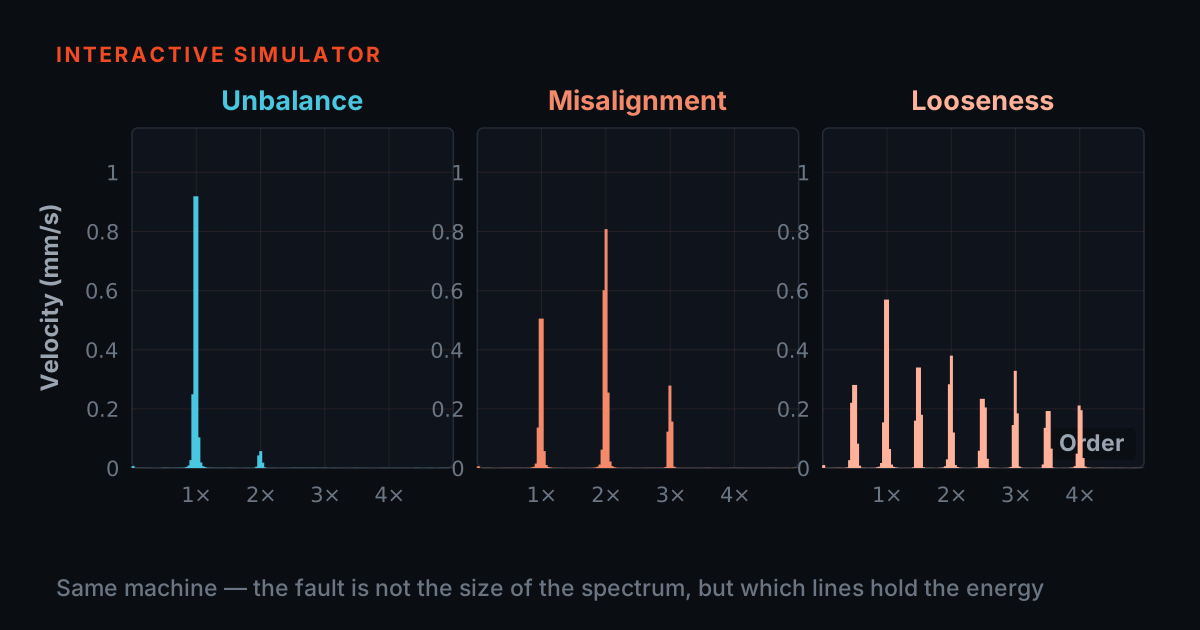
Vibration analysis is not learned from slides. A student who has watched a spectrum on a projector can define unbalance and still not recognise it on a machine; a student who has induced unbalance on a rig, watched 1× rise, moved the sensor and watched phase change, does not forget it.
That is the whole argument for a training rig, and it is why the equipment list for a training provider looks different from a plant’s.
What a classroom needs
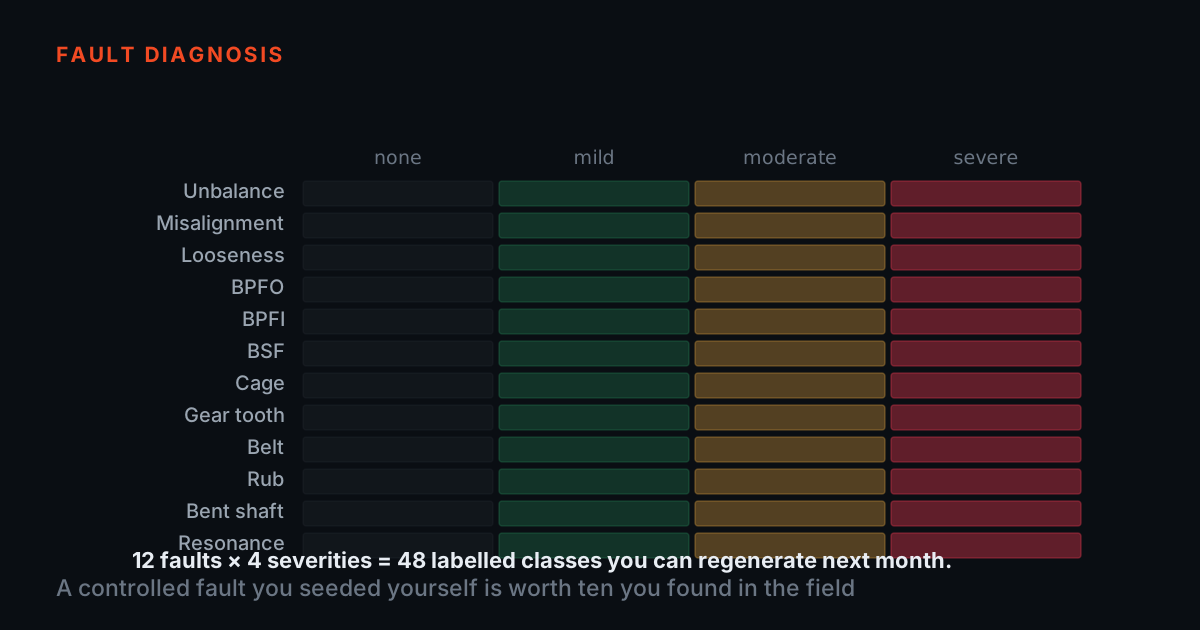
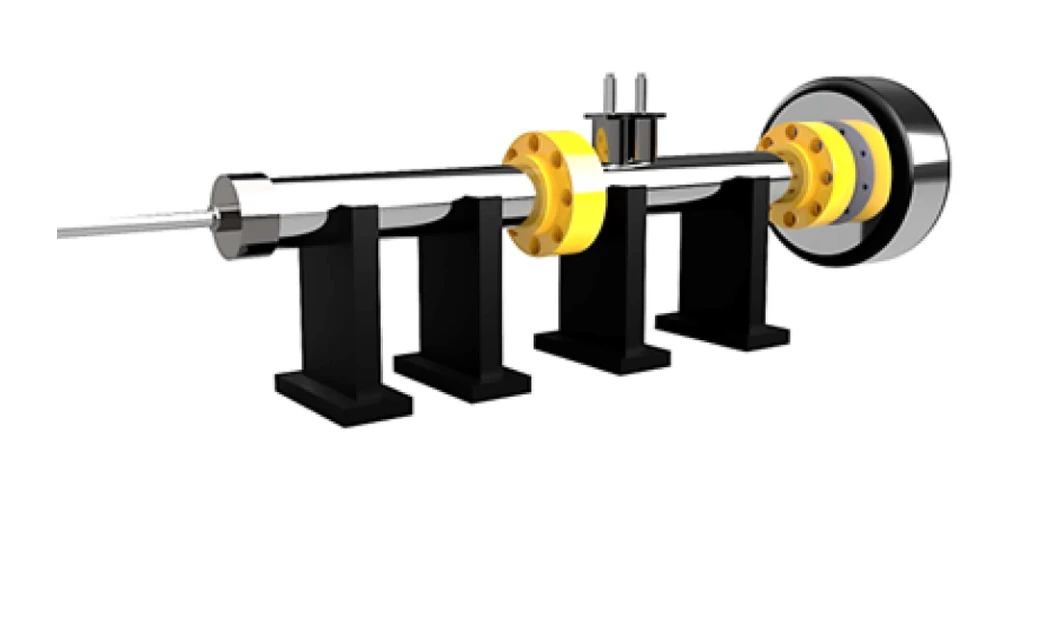
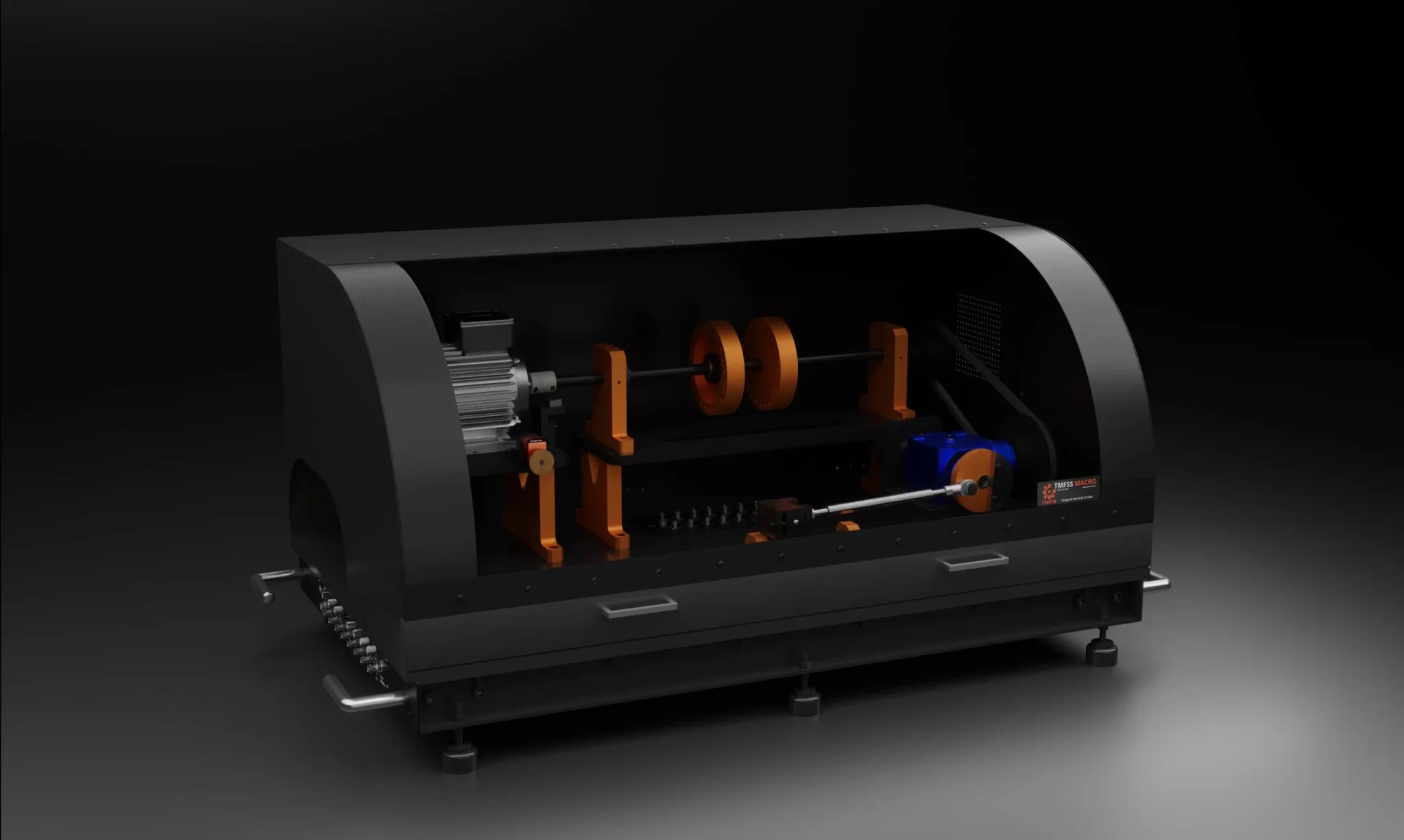
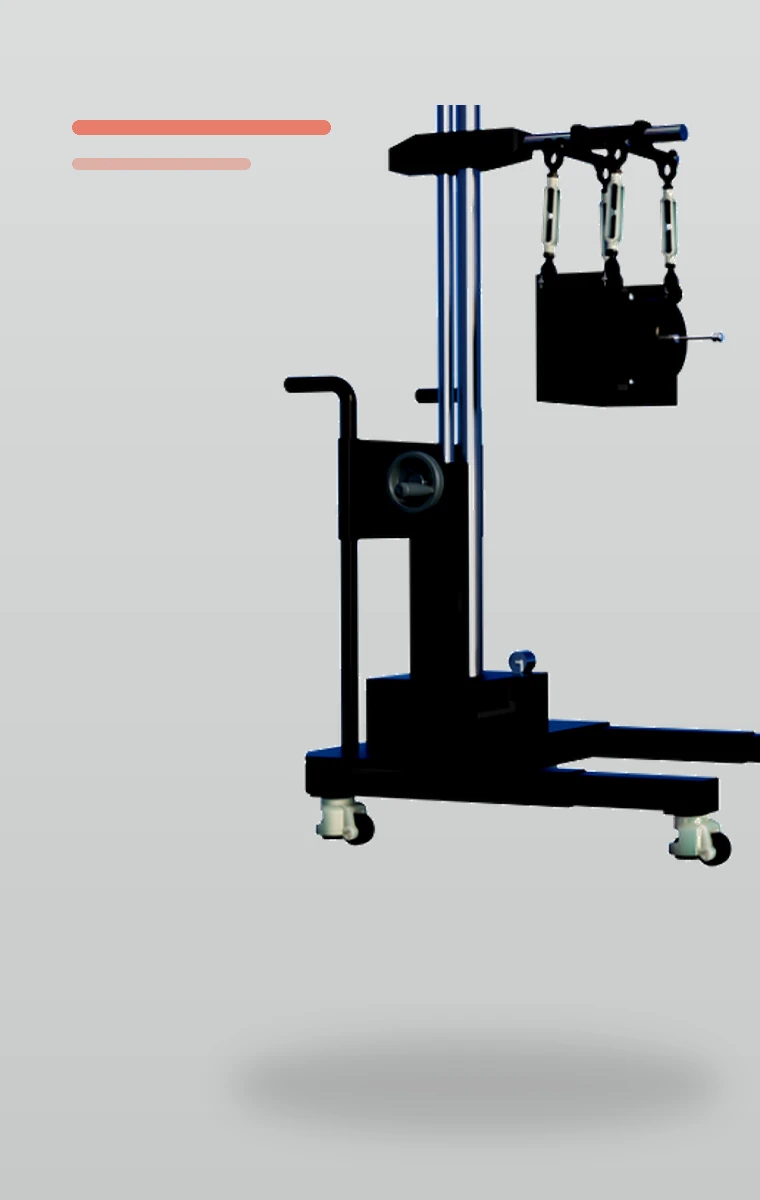
A machine that can be made faulty on demand. TMFSS produces unbalance, misalignment, looseness, bearing and gear faults repeatably — the same fault, the same spectrum, for the next cohort. TMFSS Micro suits a classroom bench; TMFSS Macro represents an industrial train and shows faults a small rig cannot. Building a fault library, so that a course runs from recorded and repeatable cases rather than whatever the rig felt like doing, is covered in building a controlled fault library.
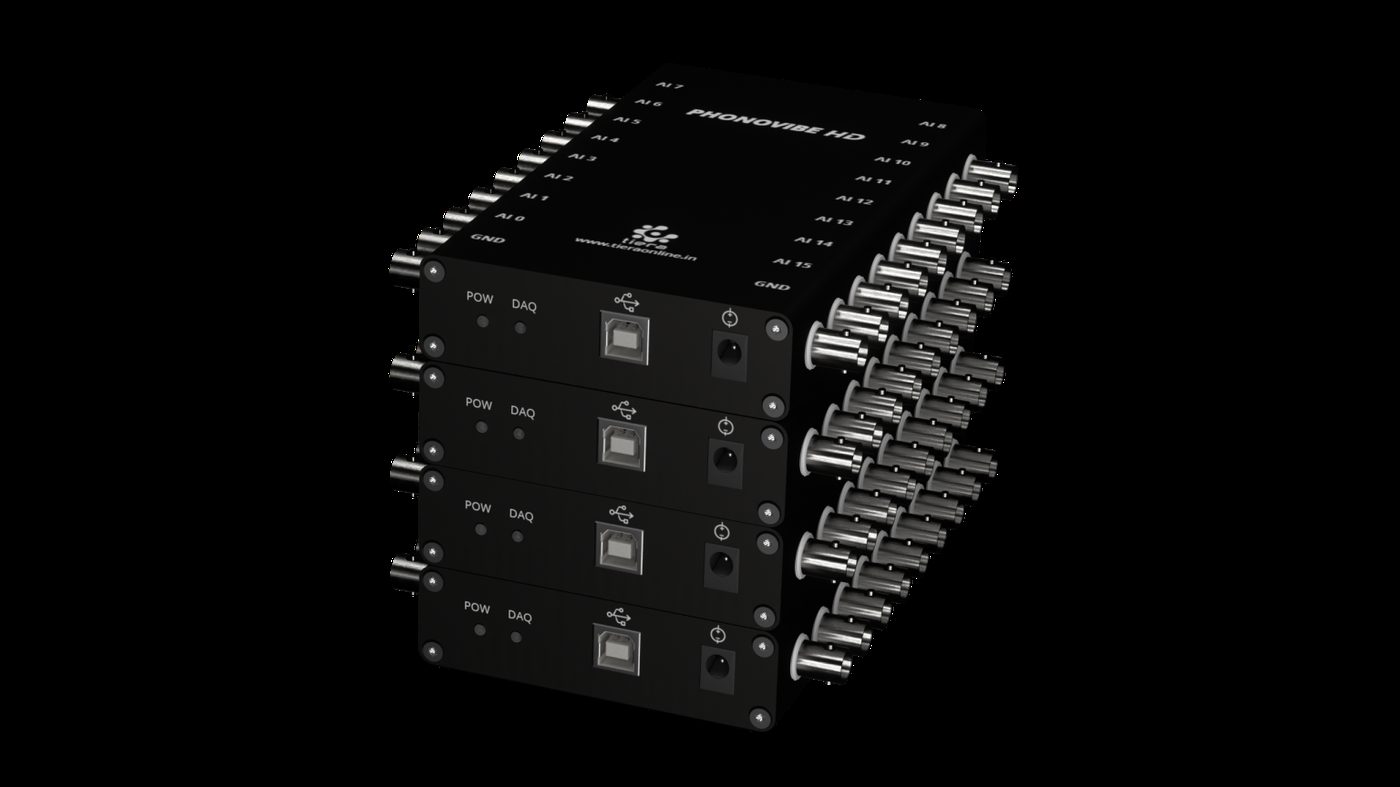
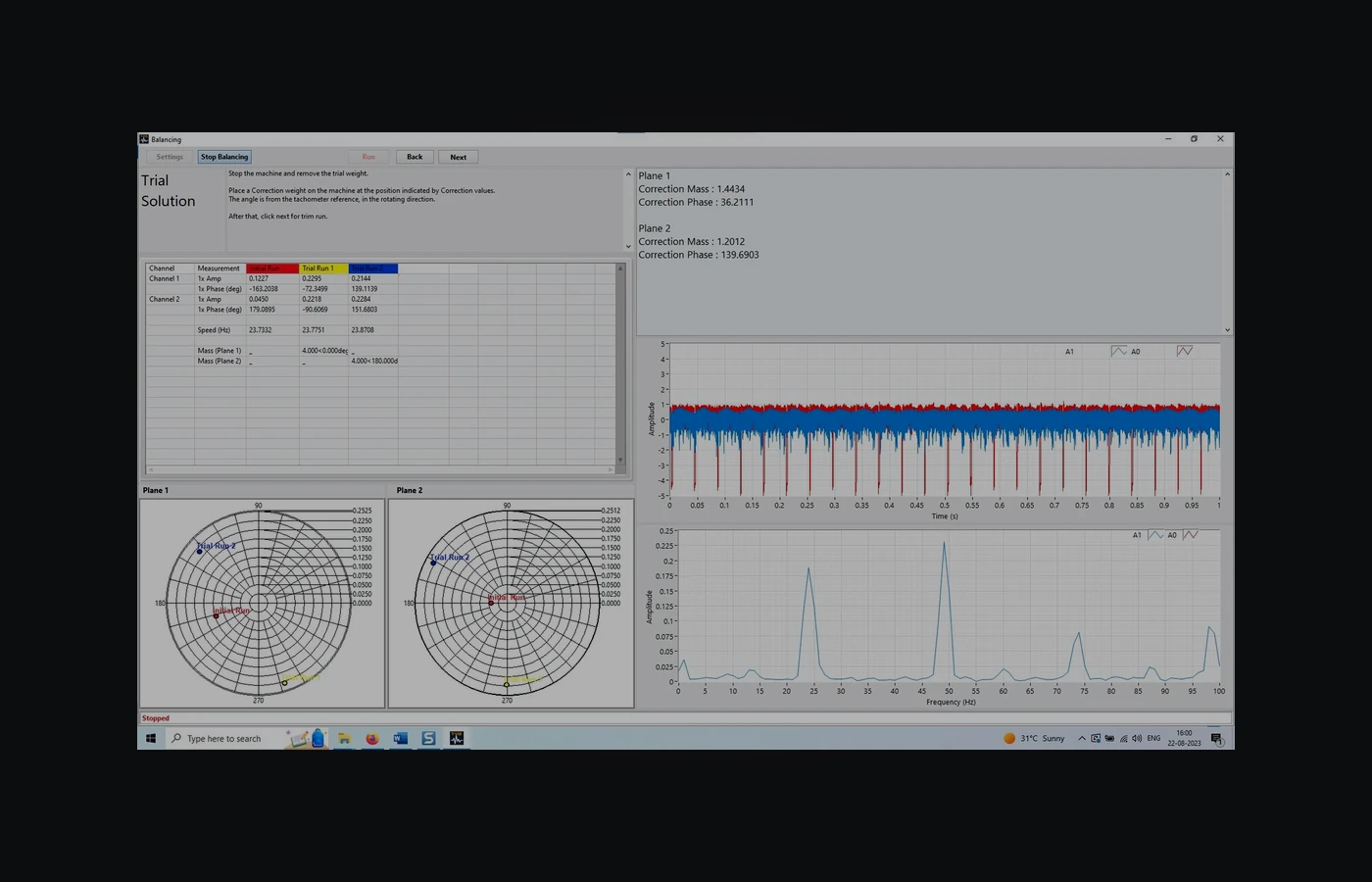
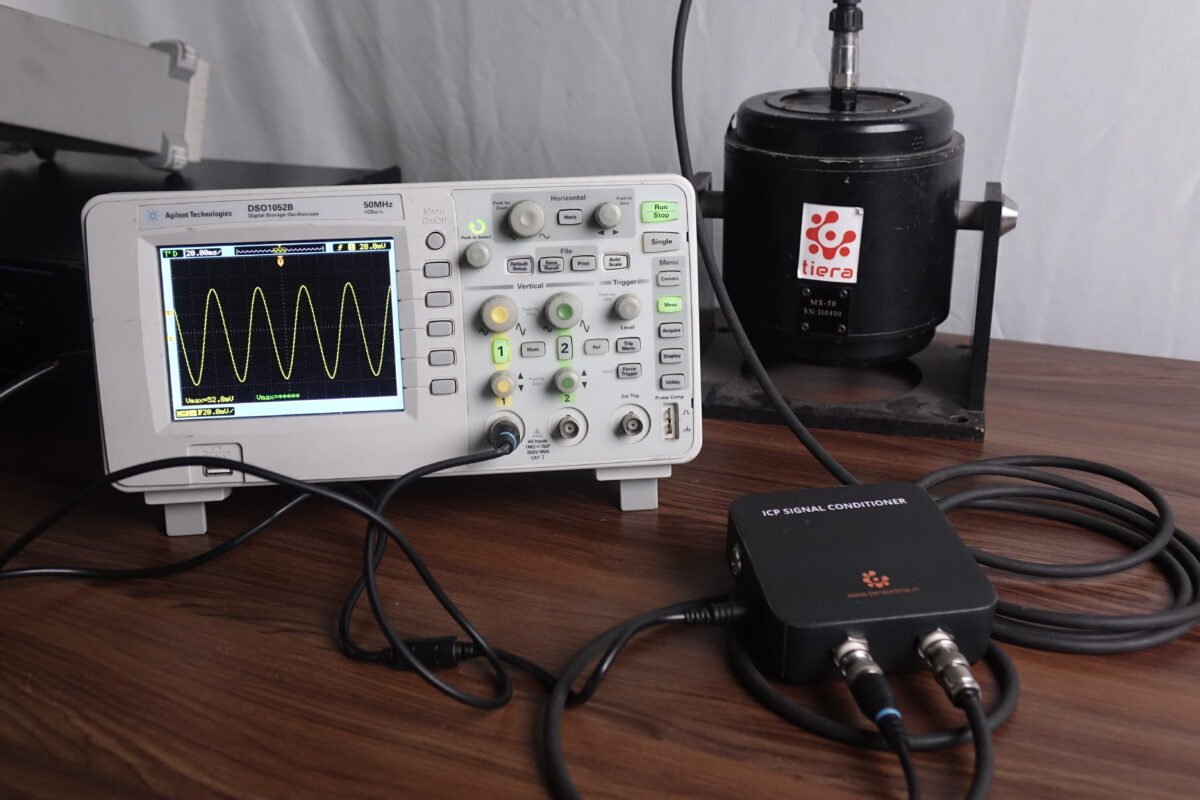
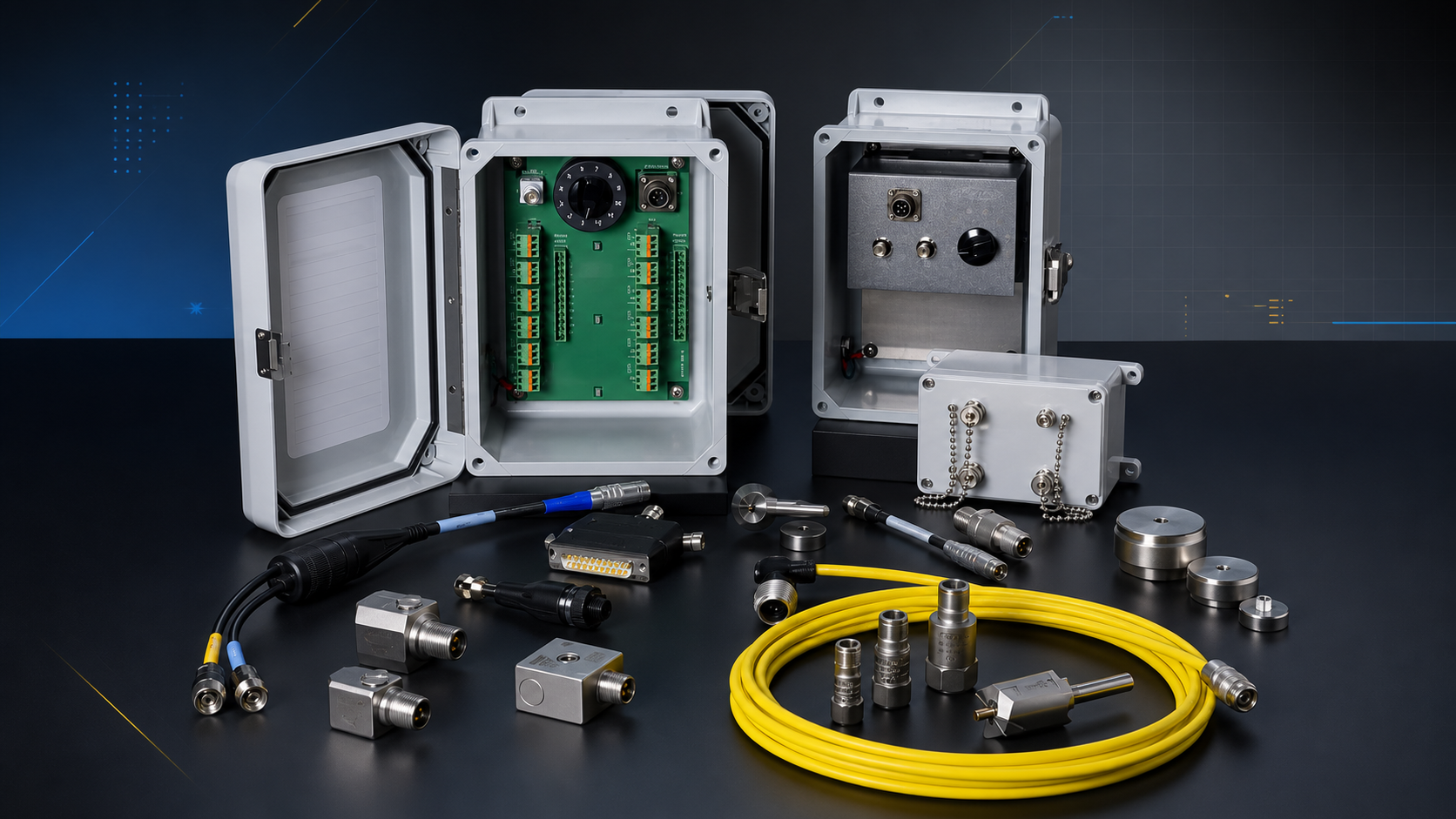
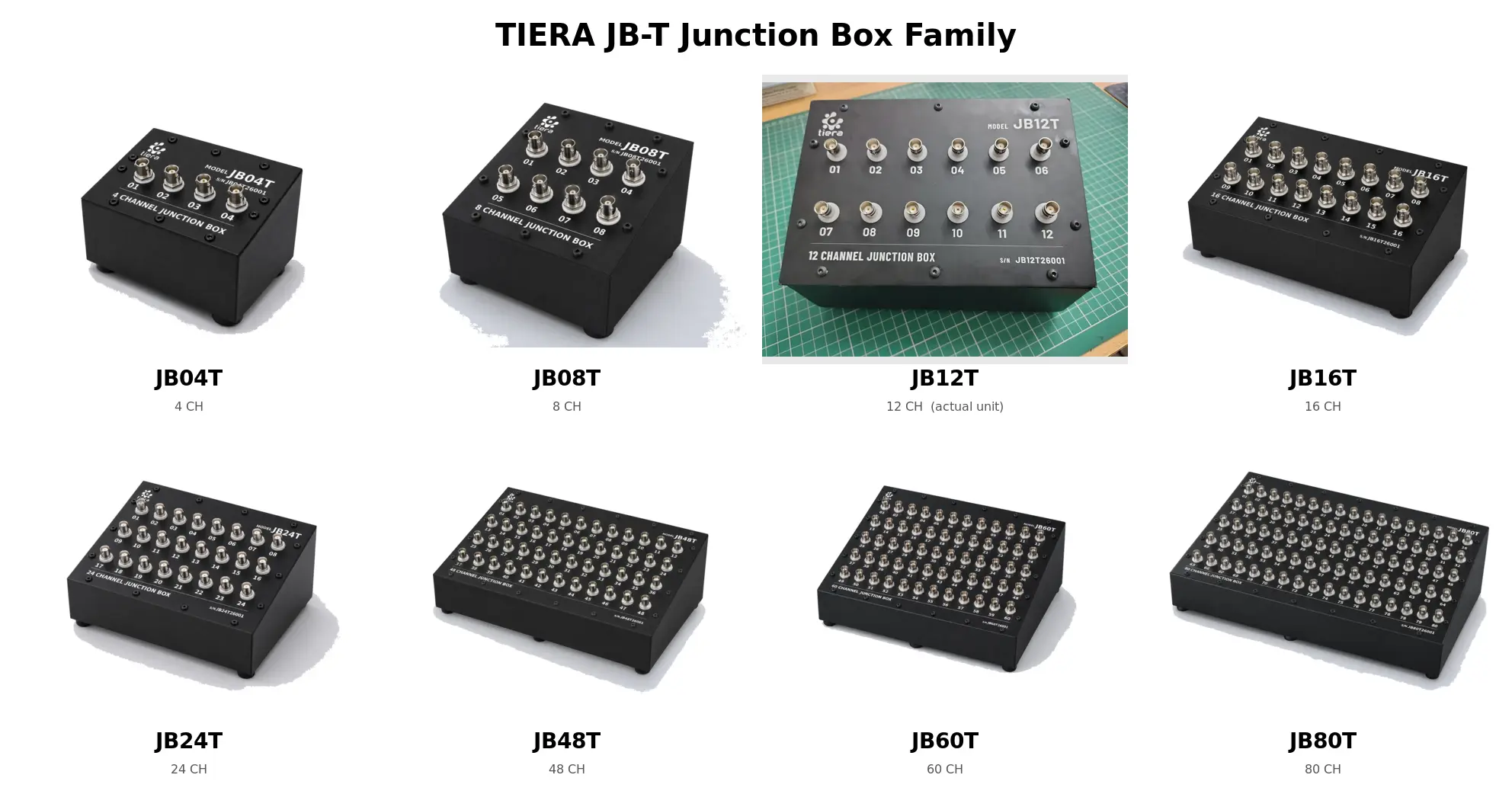
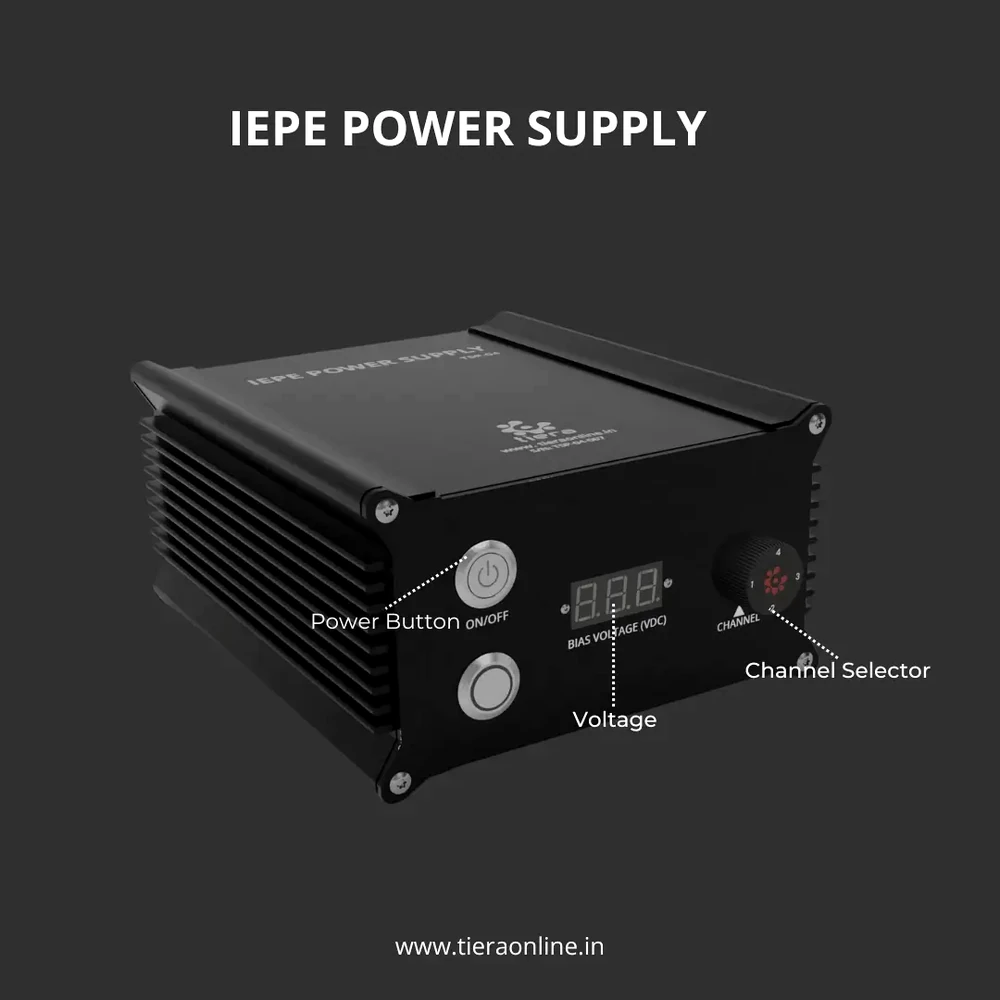
A way to measure it. PhonoVibe with accelerometers and TVIB. One channel is enough for Category I; Category II needs a second channel and a phase reference, because phase is the ruler that separates unbalance from misalignment and from a bent shaft.
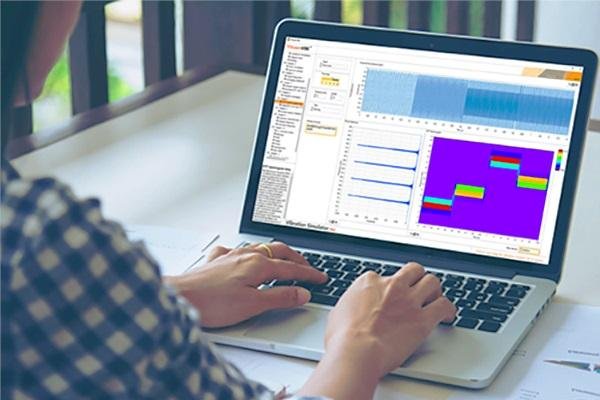
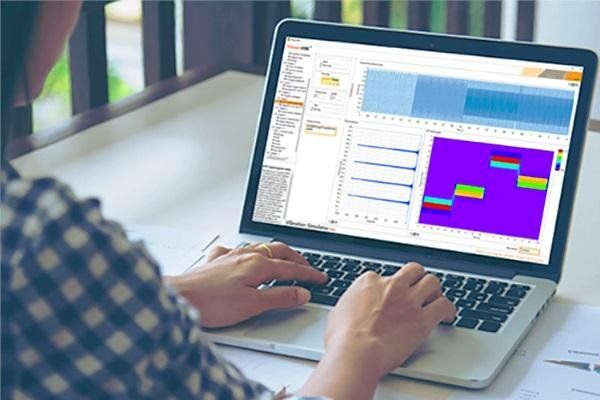
Something to teach the signal with when the rig is busy. To-Learn Vibe is simulation software for exactly this: build a spectrum from chosen fault components and see what each one contributes. The spectrum builder on this site is a small public example of the same idea.
A bundle, if the programme is starting from nothing. Training kits put the rig, the acquisition chain and the software together.
Course material
TIERA 101 is a free primer programme — Vibration 101, Signal Processing 101, Bearing & Gear Analysis 101 and others — that a trainer can set as pre-reading without licensing anything. Why a free vibration programme is worth your time explains what it does and does not cover.
TIERA’s own Category I and Category II courses are aligned to ISO 18436-2, which is the standard that defines what a vibration analyst at each category is expected to know and do. A provider running its own programme on TIERA equipment is running its own programme: the equipment does not confer accreditation, and any certification claim belongs to the provider making it.
The teaching order that works
- Show the healthy machine and record it. Everything later is a comparison against this.
- Induce one fault at a time and let the student find it. One variable, one spectrum, one conclusion.
- Add phase once amplitude alone stops being enough — which happens the first time a student has to choose between unbalance and misalignment.
- Only then introduce the analyser’s cleverness. A student who reaches for enveloping before understanding why the raw spectrum is quiet has learned a button, not a technique.
Where to start
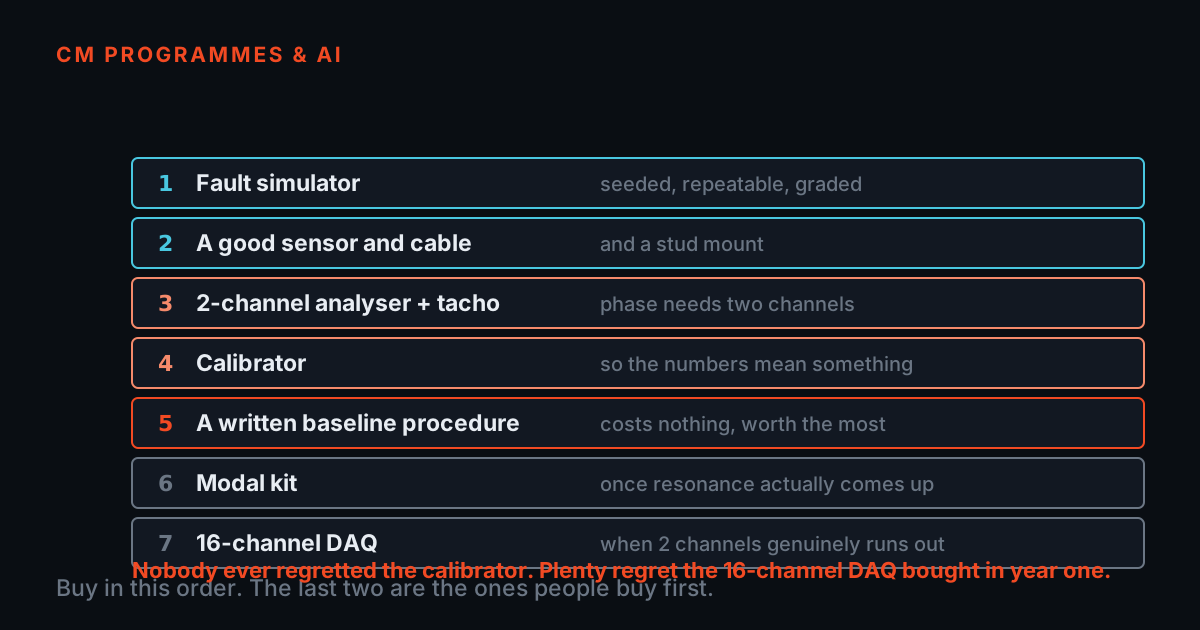
Vibration analyst certification training is the workflow, and building a vibration training lab says plainly what to buy first. If the programme already exists and the gap is hands-on time, the simulator is usually the missing piece rather than the software.
The workflows behind this
Each one is a full measurement route with its own instrument list.
Vibration Analyst Certification Training
ISO 18436-2 Cat I and Cat II training programmes combining hardware fault rigs, structured course material, and digital simulation software — for training institutes and in-plant L&D teams.
Open the workflow →Rotating Machinery Condition Monitoring
Route-based vibration measurement, spectral analysis, and trend monitoring for plant maintenance teams running a predictive maintenance program on fans, pumps, motors, and compressors.
Open the workflow →