

Triaxial Accelerometer Mounting Block
Indicative price, ex-works. Excludes GST, packing & forwarding, freight, insurance and duties. Request a quotation to confirm.
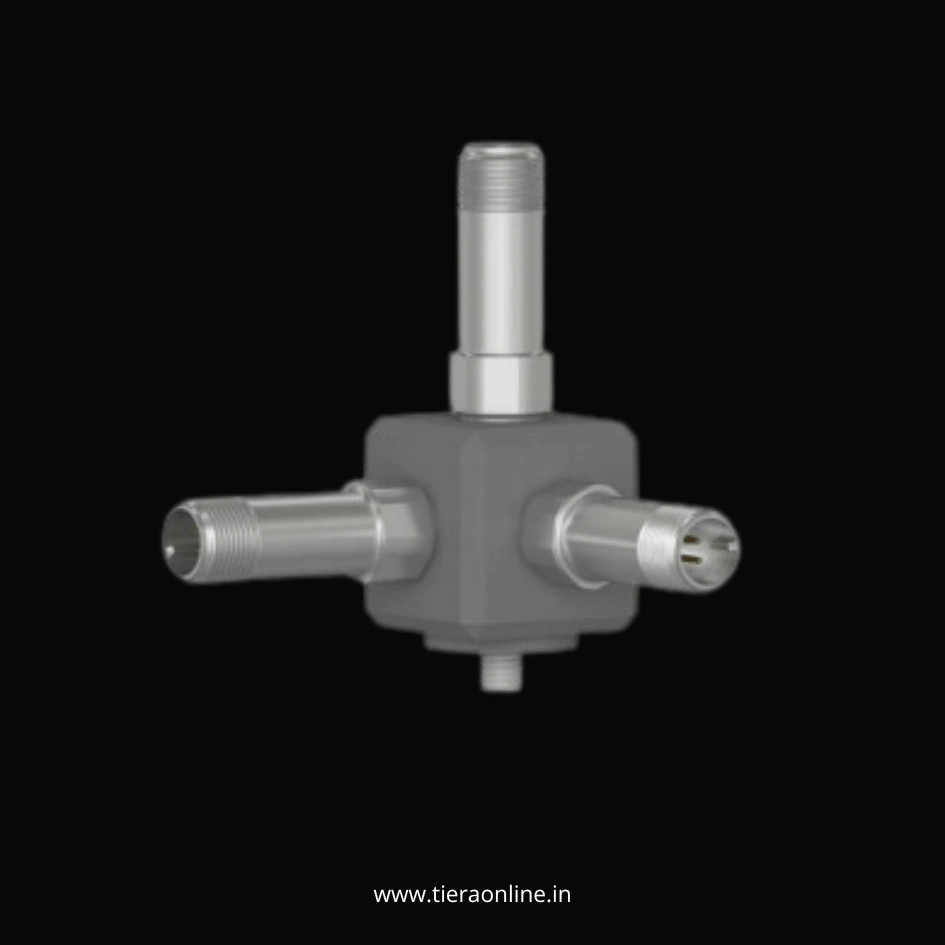
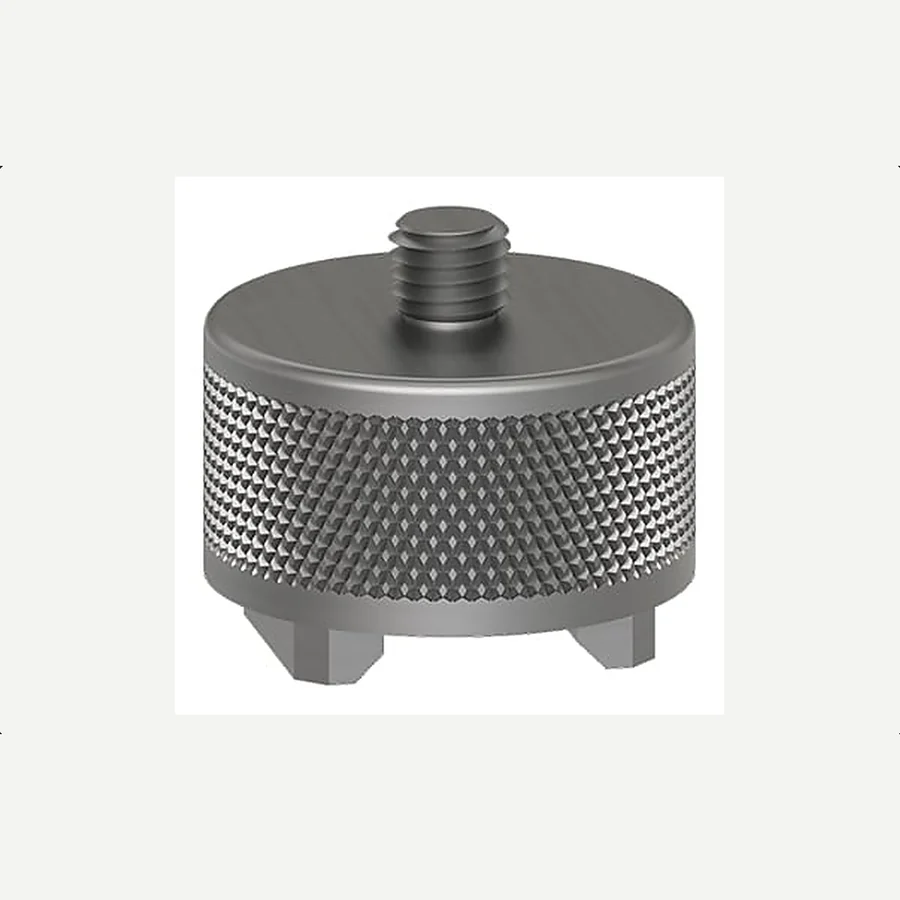
TMB-101-1-A : SS304 Triaxial Mount for Accelerometer Mounting Low Cost Customizable Allows attachment of 3 single axis accelerometers
TMB-101-1-A : SS304 Triaxial Mount for Accelerometer Mounting Low Cost Customizable Allows attachment of 3 single axis accelerometers
Description
Read full description
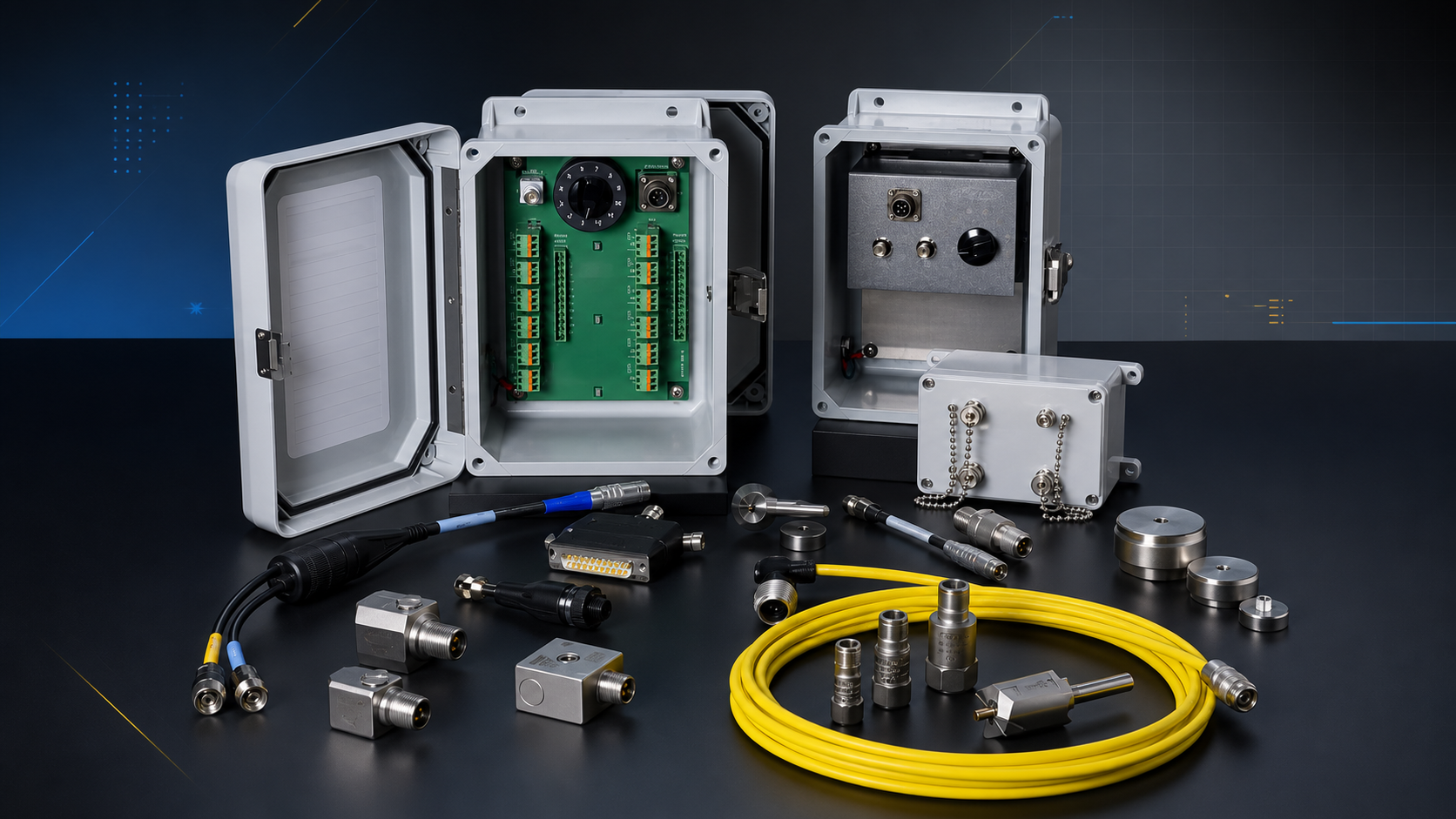
TIERA Triaxial accelerometer mounting block is a device used to securely attach a triaxial accelerometer to a structure or surface for the purpose of measuring acceleration in three orthogonal axes (typically x, y, and z). The accelerometer itself measures the rate of change of velocity in each axis, allowing for the calculation of acceleration in real-world applications. Triaxial accelerometer mounting adaptors increase the utilization of your present inventory of single axis sensors when you need to take measurement from 3 directions at a sensor(s) location. It is always best to use triaxial accelerometers, but where cost has to be avoided, triaxial mounting adaptors offer an economical option. These adaptors mate to three standard single axis accelerometers to monitor vibration in three orthogonal axes. The user installs three single axis accelerometers on one mounting block to obtain vertical, horizontal, and axial measurements from the same location without the high cost of a triaxial accelerometer. The mounting block is threaded for industry standard 1/4-28 UNF threaded sensors and adapters can be purchased for other thread types. The mounting block serves several purposes: Secure Attachment: It provides a stable and secure mounting platform for the accelerometer, ensuring accurate and consistent measurements. Isolation: It may include features to isolate the accelerometer from external vibrations or disturbances that could affect the accuracy of the measurements. Orientation: It often includes markings or indicators to ensure correct orientation of the accelerometer relative to the structure being monitored. Compatibility: It may be designed to be compatible with specific types or models of accelerometers, ensuring a proper fit and alignment. Accessibility: It may incorporate features that allow for easy installation, removal, or adjustment of the accelerometer as needed. These mounting blocks are commonly used in various industries such as automotive, aerospace, civil engineering, and manufacturing for tasks such as vibration analysis, structural health monitoring, and vehicle dynamics testing.
Indicative price, ex-works. Excludes GST, packing & forwarding, freight, insurance and duties. Request a quotation to confirm.
Request a quote
Send this straight to our sales team — pricing, lead time, accessories, or a demo.
Before you buy
The engineering behind this product
Why this measurement is made, how it goes wrong, and what the numbers mean — written by the people who build the instrument.
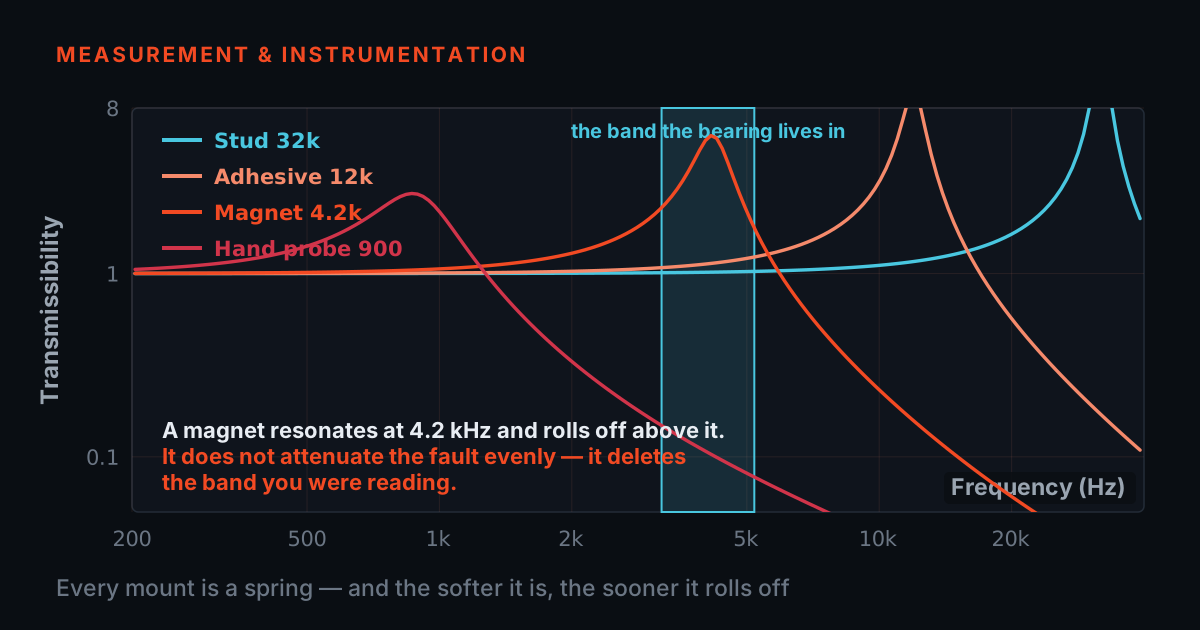 Mounting bandwidthThe Magnet That Deleted a Bearing FaultHow you attach the sensor decides which frequencies you are allowed to see. A mini explainer plus a live simulator: pick stud, adhesive, magnet or probe, drag a fault frequency, and watch an early bearing tone vanish.7 min read · Read →
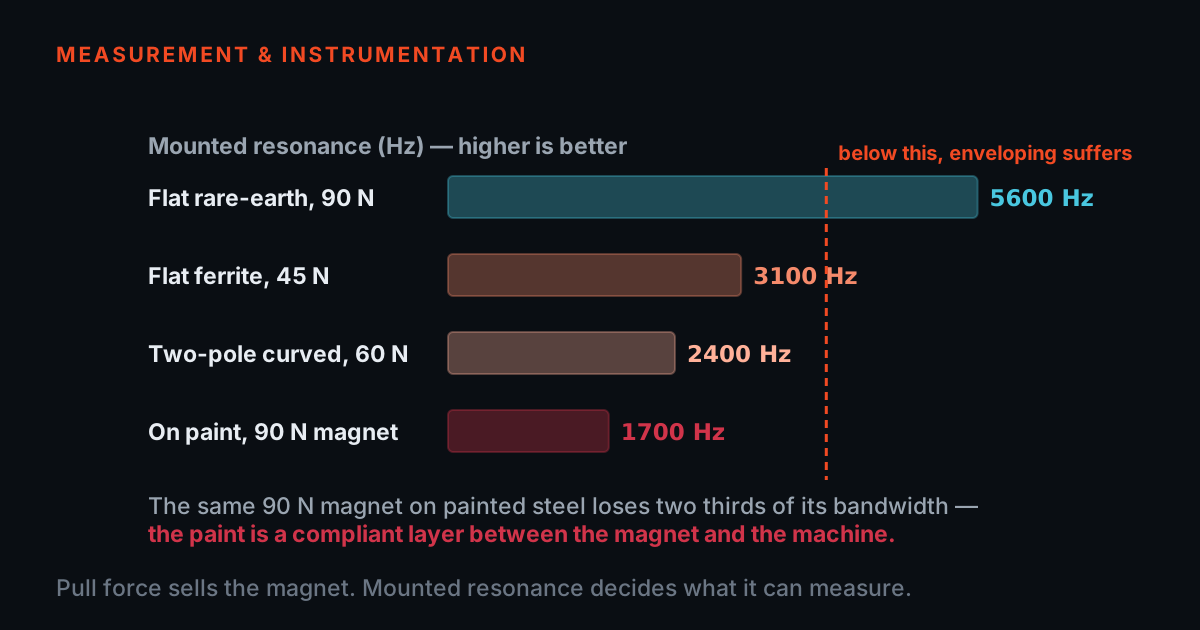 Mount selectionChoosing a Magnetic Mount: Pull Force Is the Easy HalfA magnet is not an accessory — it is the last spring between the machine and your accelerometer. A buyer's guide to pull force, flat versus two-pole curved geometry, surface condition and the five tests to demand, with a live bench that shows a flat magnet on a pipe collapsing your usable band.12 min read · Read →
 Interactive · Installation practiceThe Mount Is Part of the Instrument: Magnets, Pads and Studs for Wireless SensorsA wireless vibration node is a spring-mounted mass, and the spring is whatever you put between it and the machine. Stud, adhesive pad, flat magnet, curved-surface magnet, magnet-on-paint — each has a mounted resonance, and that resonance decides which frequencies reach the sensor honestly, which arrive amplified, and which never arrive at all. A driveable model, the paint trap, and the mounting hardware that fixes it.9 min + hands-on · Read →