
Horizontal / Lateral Shaker Stand
Indicative price, ex-works. Excludes GST, packing & forwarding, freight, insurance and duties. Request a quotation to confirm.
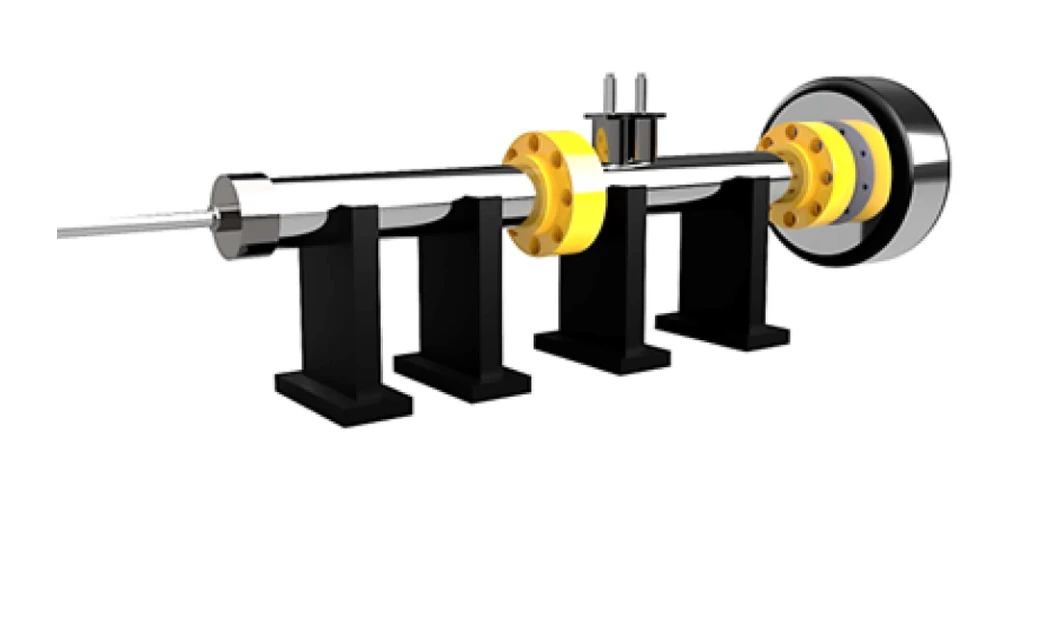
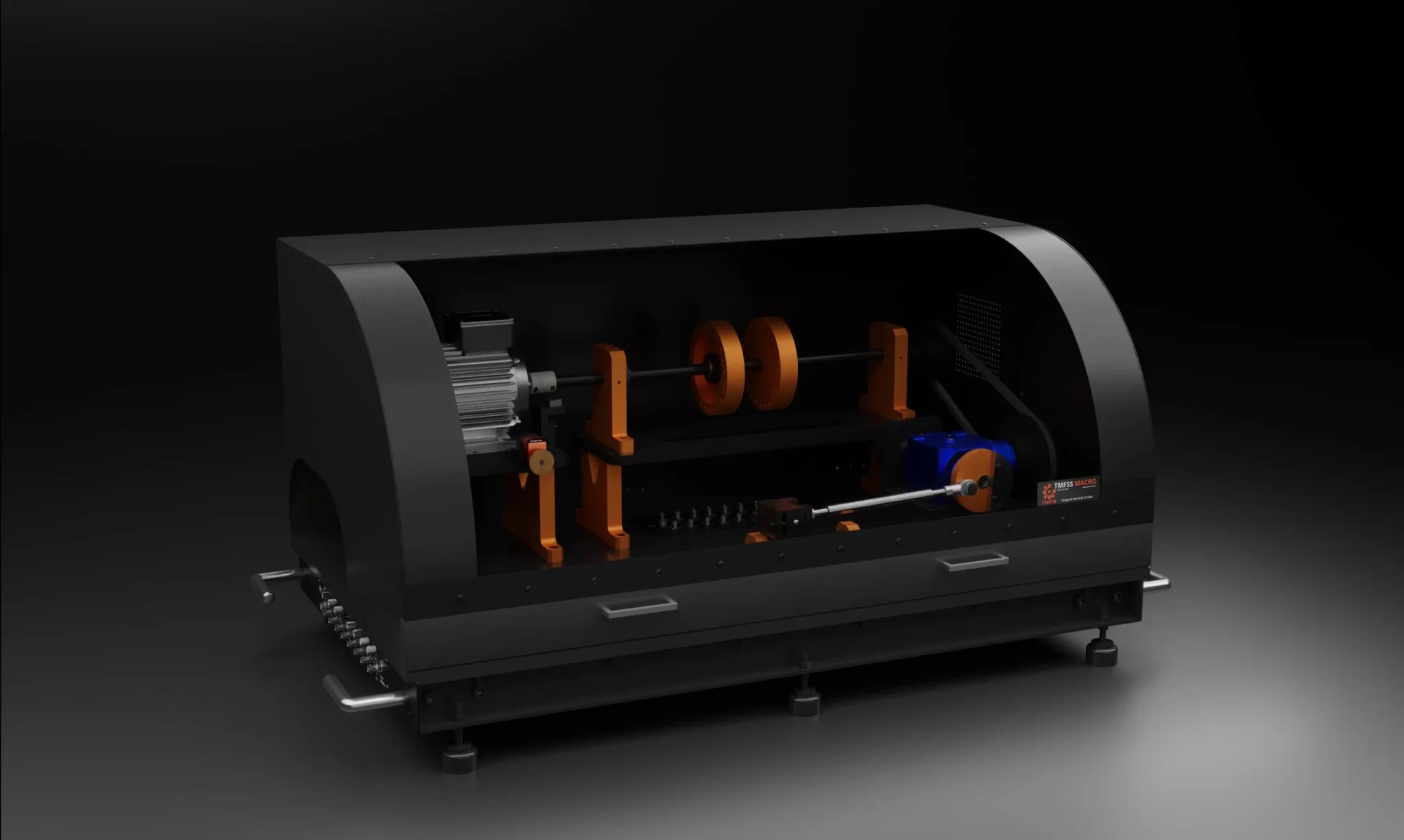
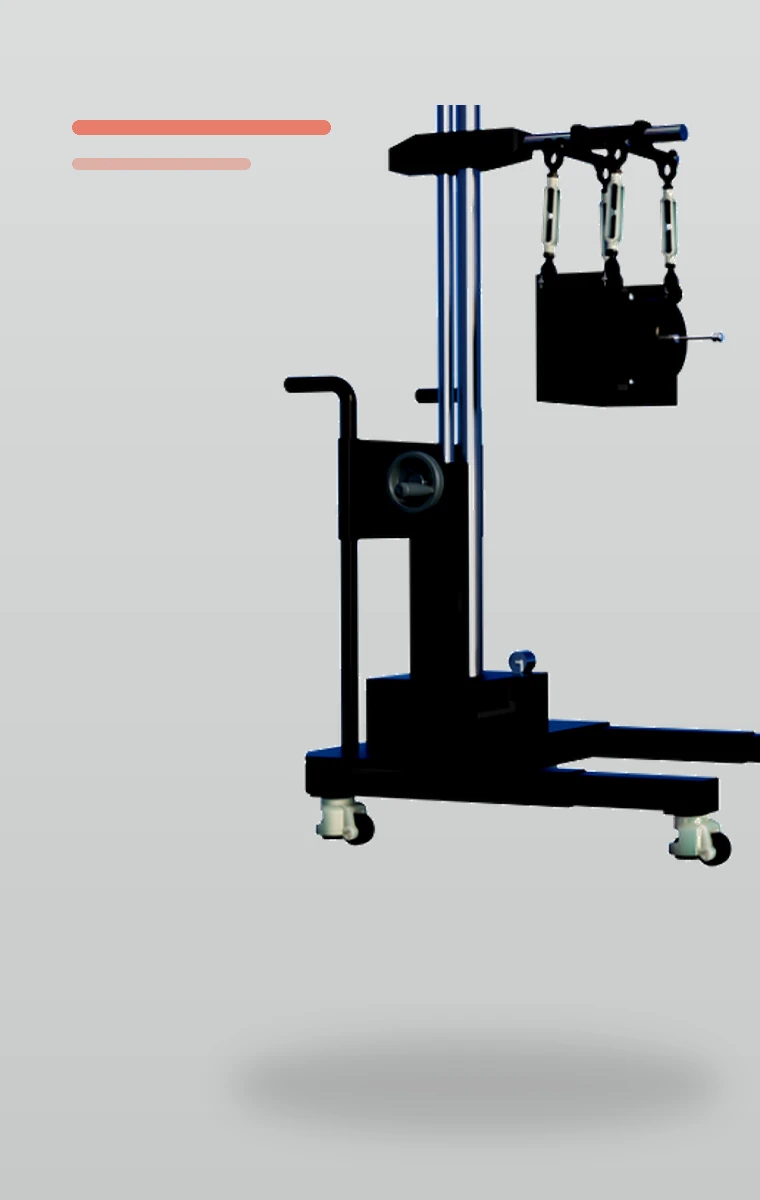
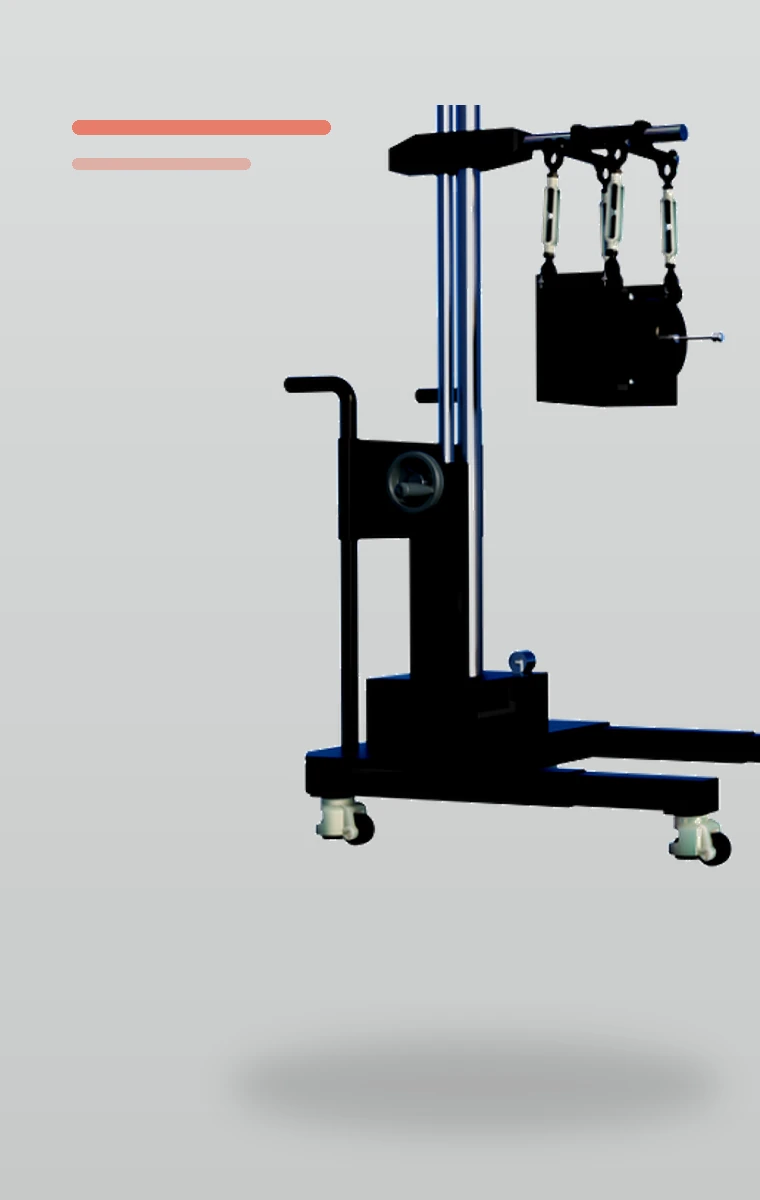
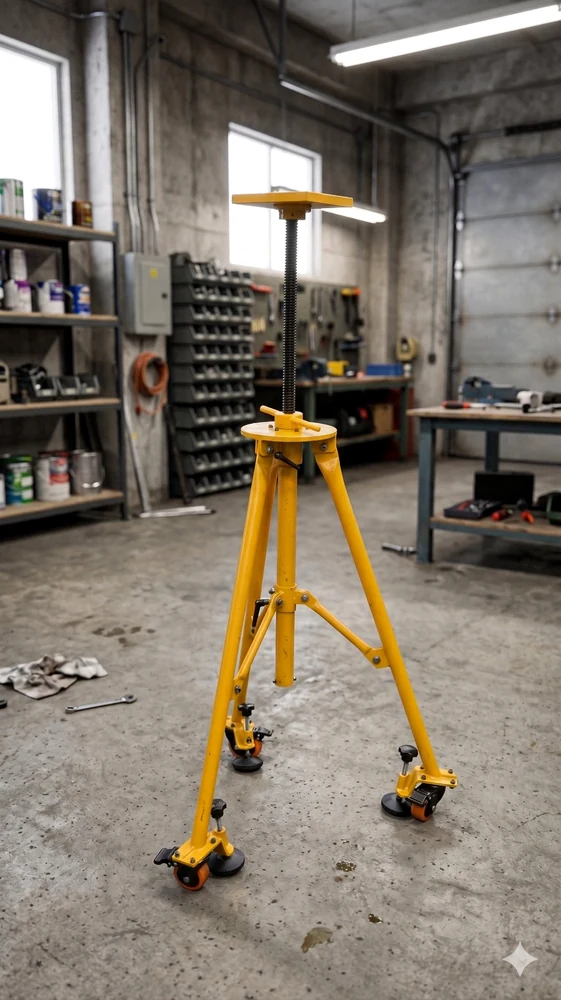
Mechanical stand that adapts an electrodynamic shaker for horizontal and oblique excitation — safer handling, better alignment and repeatable force input for modal and structural dynamics testing.
Mechanical stand that adapts an electrodynamic shaker for horizontal and oblique excitation — safer handling, better alignment and repeatable force input for modal and structural dynamics testing.
TIERA shaker stands support electromagnetic shakers during structural testing, helping laboratories position the actuator for better alignment, safer handling and repeatable force input. The lateral / horizontal excitation stand adapts electromagnetic shakers for horizontal and oblique input during experimental structural testing.
Features
- Lateral / horizontal excitation stand for horizontal and oblique input
- Mobile stand format for quicker laboratory repositioning
- Wire-stinger and fixture arrangements for cleaner force input
- Designed for modal, FRF, ODS and structural dynamics testing
- Works with compact electrodynamic shakers and custom test fixtures
Typical applications
- Modal analysis and FRF testing of panels, beams, frames and assemblies
- Aircraft structure and aerospace component excitation
- Experimental structural dynamics in university and R&D laboratories
- Repeatable test setup for comparison between design iterations
Pairs with TIERA’s electrodynamic shaker range (TXcite). Contact sales@tieraonline.in for fixture-specific sizing.
Related products
Indicative price, ex-works. Excludes GST, packing & forwarding, freight, insurance and duties. Request a quotation to confirm.
Request a quote
Send this straight to our sales team — pricing, lead time, accessories, or a demo.
Before you buy
The engineering behind this product
Why this measurement is made, how it goes wrong, and what the numbers mean — written by the people who build the instrument.
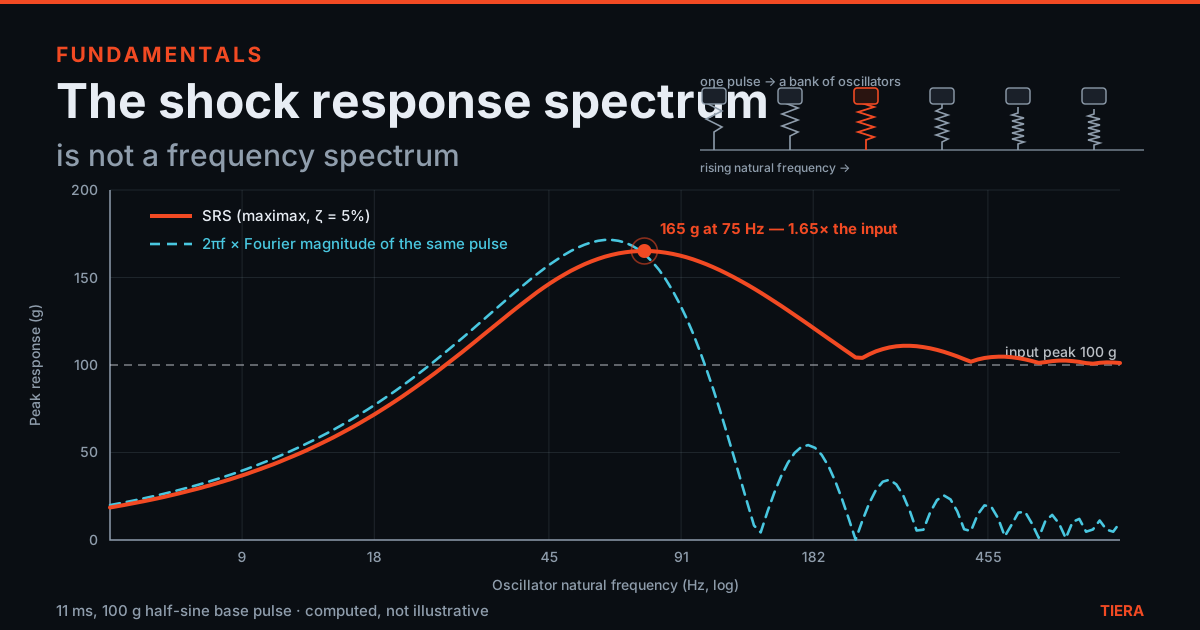 Interactive explainerThe Shock Response Spectrum Is Not a Frequency SpectrumAn SRS looks like a spectrum and is plotted like a spectrum, but it is not a decomposition of the pulse into frequencies — it is the worst thing a bank of imaginary oscillators ever felt. Build one live from a pulse you choose, watch the pulse's own Fourier magnitude diverge from it on the same axis, and compute a drop-shock level from height and pulse width.13 min read · Read →
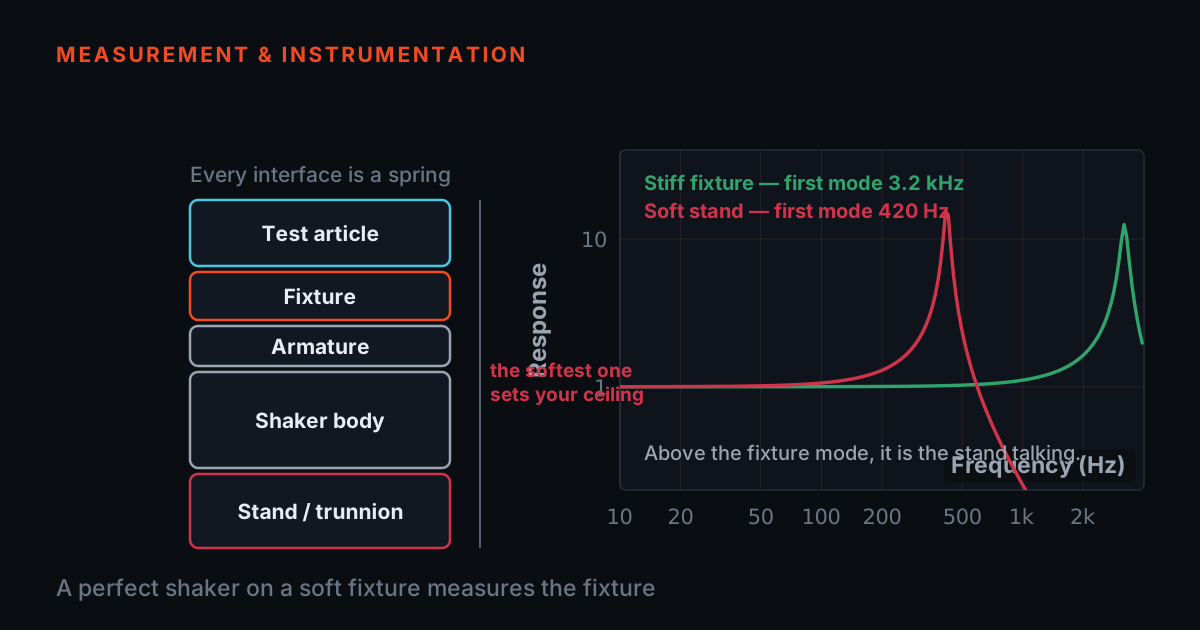 ExcitationShaker Testing: What the Stand Does, and Why a Good Shaker on a Bad Fixture Measures the FixtureAn electrodynamic shaker gives you controlled excitation — a known force, at a known frequency, repeatably. What decides whether the result means anything is the thing underneath it: the stand, the fixture and the boundary condition. Most disappointing shaker data is a fixture resonance wearing a costume.8 min read · Read →