

Cementing pad for Accelerometer mounting
Indicative price, ex-works. Excludes GST, packing & forwarding, freight, insurance and duties. Request a quotation to confirm.
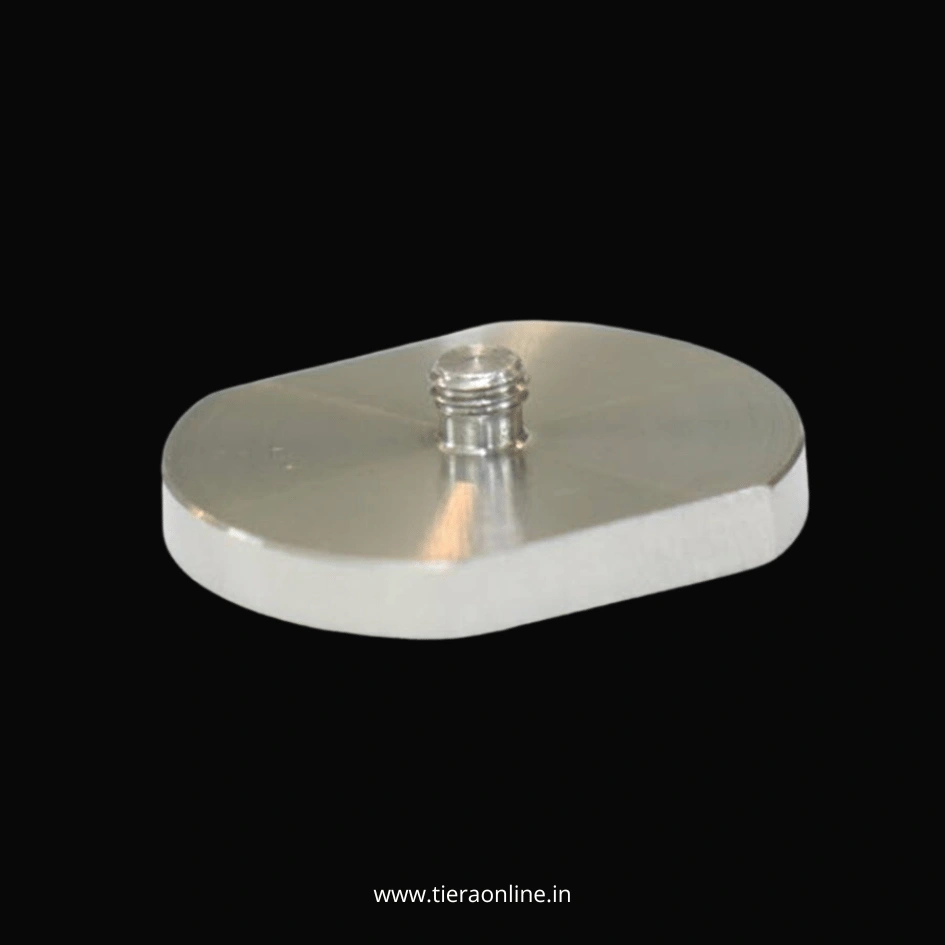
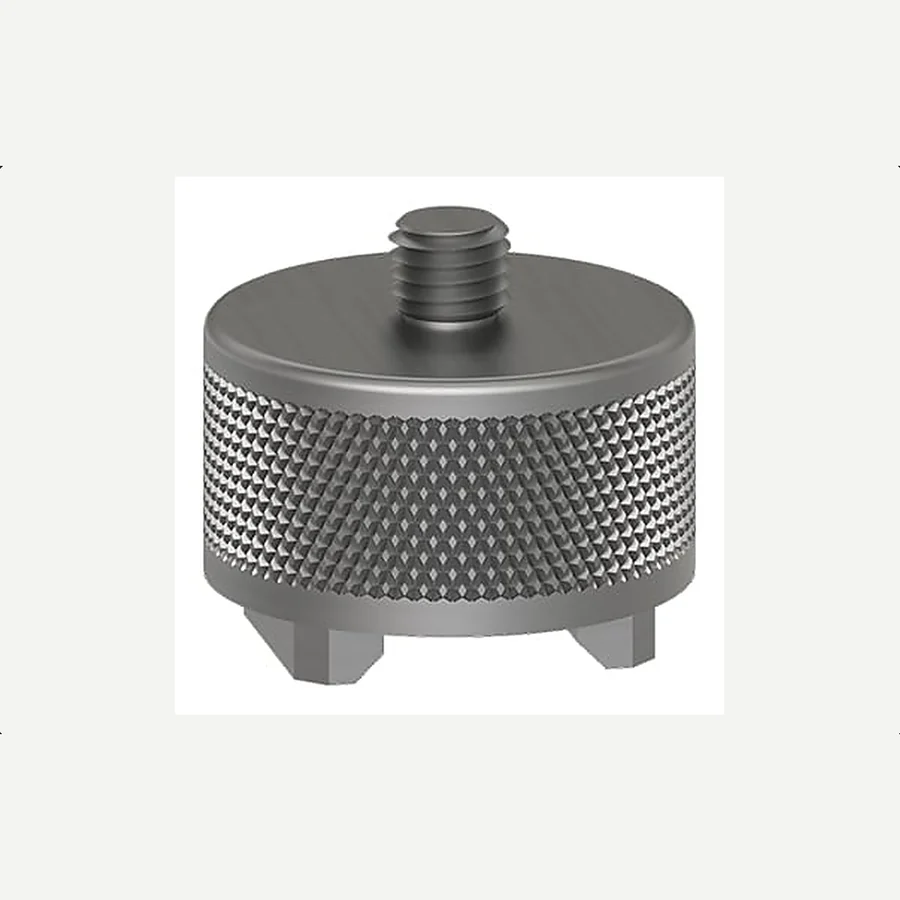
TAP-101-1-A : SS 304 Cementing pad for Accelerometers and Vibration sensors
TAP-101-1-A : SS 304 Cementing pad for Accelerometers and Vibration sensors
Description
Read full description
TIERA Cementing pad is a type of adhesive or pad used to securely attach an accelerometer sensor to a surface, typically on machinery or structures. Here’s some information about it: Material: Cementing pads are typically made of materials like epoxy, silicone rubber, or other industrial-grade adhesives. These materials provide strong adhesion to both the accelerometer sensor and the mounting surface. Adhesion Strength: Cementing pads are designed to provide a strong and durable bond between the accelerometer sensor and the mounting surface, ensuring that the sensor remains securely in place during operation, even in high-vibration environments. Compatibility: Cementing pads are compatible with various types of accelerometer sensors and mounting surfaces, including metal, concrete, plastic, and composite materials. They can be used for both permanent and temporary installations. Versatility: Cementing pads come in different shapes, sizes, and thicknesses to accommodate different accelerometer sensor models and mounting requirements. Some pads may have pre-drilled holes or slots to facilitate sensor installation. Ease of Installation: Cementing pads are easy to apply and require minimal preparation. Simply clean the mounting surface, apply the adhesive or pad to the desired location, and press the accelerometer sensor into place. The adhesive typically cures within a short period, providing a strong bond. Removability: While cementing pads provide a strong and permanent bond, they can usually be removed with the appropriate tools and solvents if necessary, without damaging the mounting surface or the sensor.
Indicative price, ex-works. Excludes GST, packing & forwarding, freight, insurance and duties. Request a quotation to confirm.
Request a quote
Send this straight to our sales team — pricing, lead time, accessories, or a demo.
Before you buy
The engineering behind this product
Why this measurement is made, how it goes wrong, and what the numbers mean — written by the people who build the instrument.
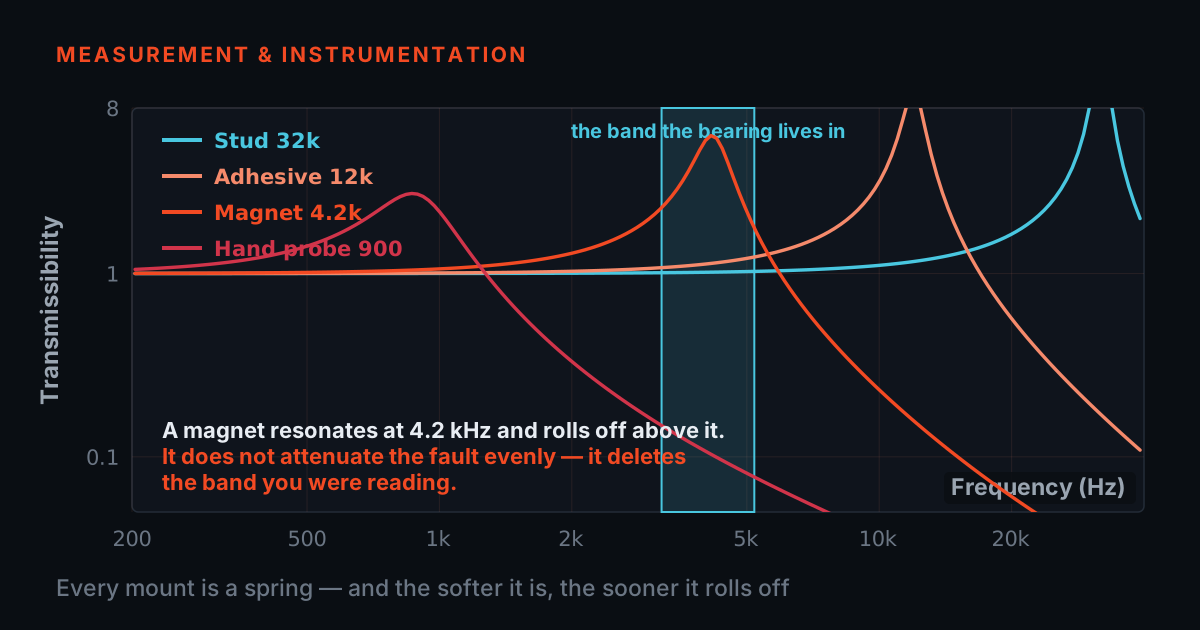 Mounting bandwidthThe Magnet That Deleted a Bearing FaultHow you attach the sensor decides which frequencies you are allowed to see. A mini explainer plus a live simulator: pick stud, adhesive, magnet or probe, drag a fault frequency, and watch an early bearing tone vanish.7 min read · Read →
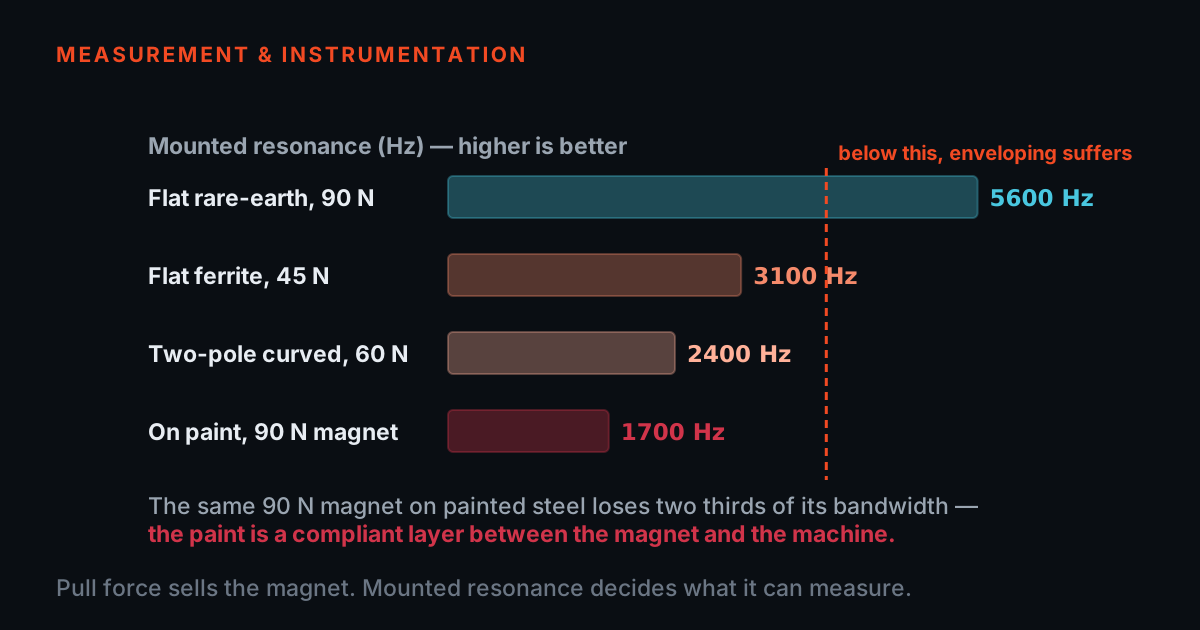 Mount selectionChoosing a Magnetic Mount: Pull Force Is the Easy HalfA magnet is not an accessory — it is the last spring between the machine and your accelerometer. A buyer's guide to pull force, flat versus two-pole curved geometry, surface condition and the five tests to demand, with a live bench that shows a flat magnet on a pipe collapsing your usable band.12 min read · Read →
 Interactive · Installation practiceThe Mount Is Part of the Instrument: Magnets, Pads and Studs for Wireless SensorsA wireless vibration node is a spring-mounted mass, and the spring is whatever you put between it and the machine. Stud, adhesive pad, flat magnet, curved-surface magnet, magnet-on-paint — each has a mounted resonance, and that resonance decides which frequencies reach the sensor honestly, which arrive amplified, and which never arrive at all. A driveable model, the paint trap, and the mounting hardware that fixes it.9 min + hands-on · Read →