
How Bad Is 4.5 mm/s? Reading Vibration Severity Without Guessing
4.5 mm/s RMS is a red flag on a small motor and mid-band normal on a large turbine set. An interactive checker shows how ISO 20816-style severity zones shift with machine class and mounting — and why your own trend beats any table.
The number that means nothing on its own
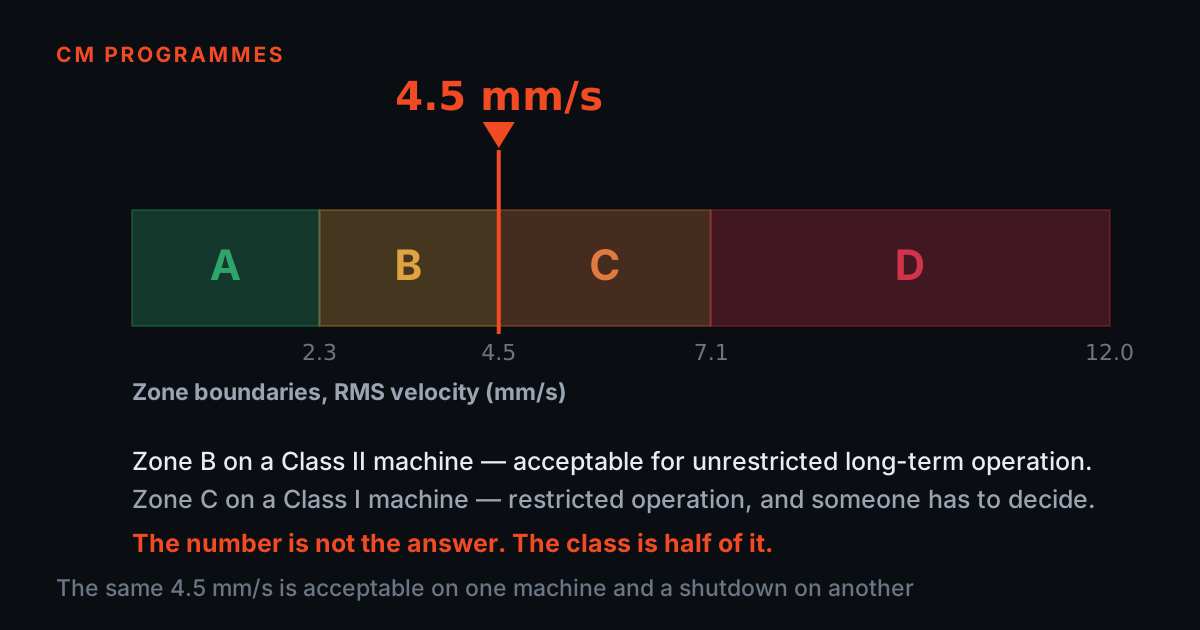
A maintenance fitter reads 4.5 mm/s RMS off a bearing housing and asks the only question that matters: is that bad? The honest answer is that the number alone cannot say. On a 22 kW motor bolted to a stiff concrete plinth, 4.5 mm/s sits right at the edge of the zone where long-term damage becomes likely. On a large turbine-generator set on a flexible foundation, the same 4.5 mm/s is comfortably inside normal long-term operation. Same reading, opposite verdicts.
That is not a flaw in the standard — it is the whole point of it. ISO 20816 (the successor to ISO 10816) does not publish one limit; it publishes a scheme of severity zones whose boundaries depend on the machine group — broadly its size and type — and on whether its support is rigid or flexible. Reading severity without guessing means knowing which column of the table your machine lives in before you look up the row.
What the four zones actually say
- Zone A is what a newly commissioned machine reads; Zone B is unrestricted long-term running.
- Zone C is unsatisfactory for continuous operation — run on for a limited period while you plan the repair.
- Zone D means damage is likely and is normally treated as cause to act now.
The zone scheme is deliberately plain. Zone A is the vibration level typical of a newly commissioned machine — what the machine should read on day one. Zone B is acceptable for unrestricted long-term operation: nothing to fix, keep trending. Zone C is unsatisfactory for continuous long-term running — the machine may be operated for a limited period, but you should be planning the remedial action. Zone D is severe enough that damage is likely: vibration at this level is normally considered sufficient cause to act now.
Two details keep people honest. First, the value being judged is the overall broadband velocity, in mm/s RMS, typically evaluated over roughly 10 to 1,000 Hz and measured on non-rotating parts such as bearing housings — not a single spectral peak, not a peak or peak-to-peak value, and not a reading from a hand on the casing. Second, the boundaries are guidance for machines in general, agreed by committee across thousands of machine types. Your OEM's limits, your contract acceptance levels, and the applicable edition of the standard itself always take precedence over any summary table — including the ones in this article.
Try it: the severity checker
Pick a machine group and a support type below, then drag the velocity slider — or tap directly on the chart. The bands redraw as you switch class and mounting, and the verdict updates in the words the zones actually use. Watch what happens to 4.5 mm/s as you flip from a medium rigid machine to a large flexible one: the reading does not change, but its meaning does.
One rule before you use it on a real machine: the boundary values in this checker are indicative. They follow the widely published band structure associated with ISO 20816-3 for these machine groups, but they are not a reproduction of the standard, and machine groups beyond the two shown here have their own tables. Confirm the class, the support type, the evaluation band and the exact boundaries against the applicable edition of ISO 20816 and your OEM documentation before you base a maintenance decision on them.
Indicative boundaries only, following the published band structure associated with ISO 20816-3 — not a reproduction of the standard. The applicable edition of ISO 20816 and OEM limits govern; confirm against the standard before acting. TIERA does not certify compliance.
Why class and mounting move the lines
- A big machine tolerates more housing velocity because its rotor is heavier and its casing stiffness is proportionally lower — the same reading describes a less alarming internal state.
- Support class belongs to the installation, not to the machine: the same motor is classified differently on a plinth and on isolation springs.
The physics behind the shifting boundaries is not mysterious. Larger machines have heavier rotors, larger bearing clearances, and casings whose stiffness relative to the rotating forces is proportionally lower — so a given housing velocity represents a less alarming internal state than the same velocity on a small, tight machine. The zone tables encode decades of fleet experience about what level of housing vibration each class of machine sustains without distress.
Mounting matters for a similar reason. A rigid support — a machine bolted to a massive foundation whose natural frequency sits well above running speed — transmits shaft forces into the housing with little amplification, and small housing motions can reflect meaningful internal loads. A flexible support lets the whole machine move more freely, so higher housing velocities are normal and tolerable. The support classification is a property of the installed system, not the machine alone: the same motor reads differently on a plinth than on isolation springs, and the standard classifies it differently too.
A band is triage, not a diagnosis
- A zone tells you how urgent a machine is. It says nothing about what is wrong with it.
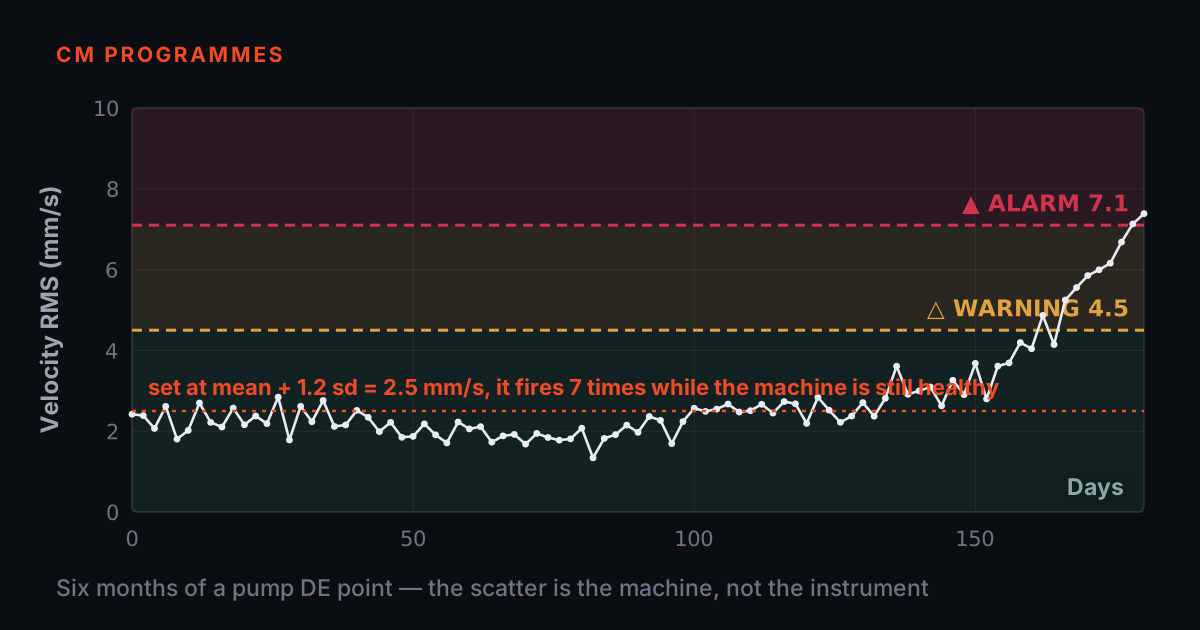
- On a machine with history, the trend outranks the table: a machine that has tripled its own normal is telling you something no static boundary can.
- The zones are the backstop for machines with no baseline — which is the argument for taking one on day one.
Severity zones tell you how urgent a machine is; they say nothing about what is wrong with it. Zone C could be unbalance, misalignment, looseness, a resonance sitting near running speed, or a bearing well into its final stages — five faults with five different remedies, all hiding behind one amber number. The zone is the trigger to look; the spectrum, the phase readings and the time waveform are how you find out what you are looking at. Treat the band chart as the triage nurse, not the surgeon.
And on any machine you already own, your own trend beats the table. A representative example, not a specific customer: a 75 kW fan has read a steady 3.1 mm/s since commissioning — Zone C on paper for its class — while the motor driving it has climbed from 0.9 to 2.2 mm/s over three months and still sits comfortably in Zone B. The table says worry about the fan; the trend says investigate the motor first, because a machine that has tripled its own normal is telling you something a static boundary never can. The zones are the backstop for machines with no history; the trend is the early warning for machines with one. This is also why the most valuable measurement you will ever take is the boring baseline on day one.
Make the number trustworthy before you judge it
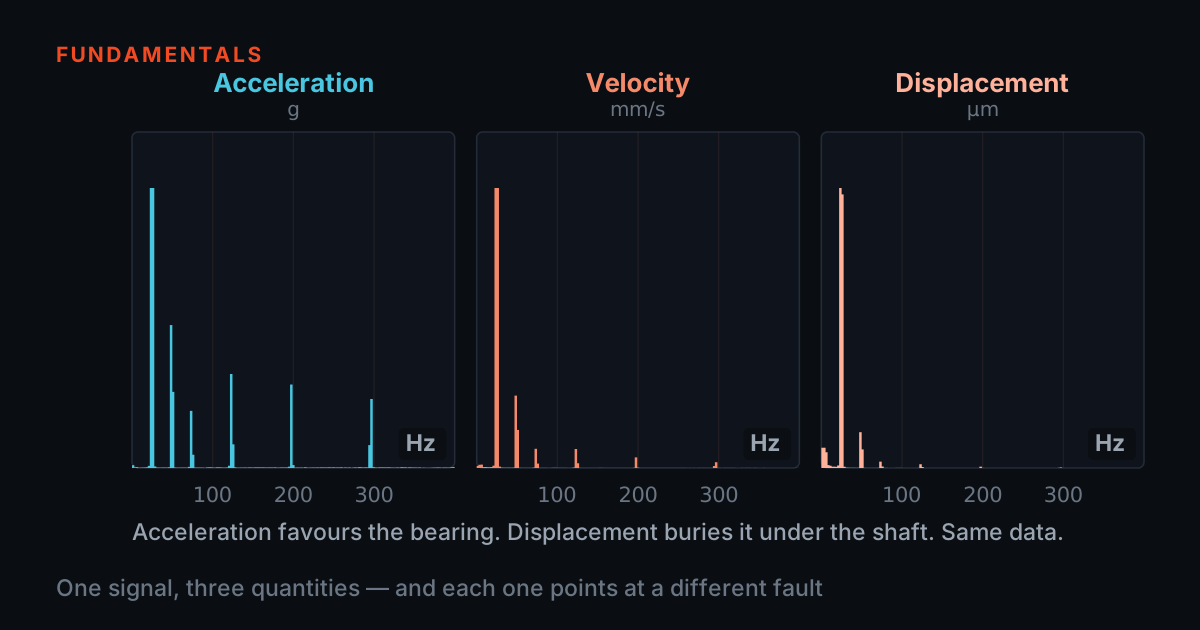
A severity verdict is only as good as the reading underneath it. That means overall velocity in mm/s RMS over the evaluation band, from a properly mounted accelerometer on the bearing housing — same point, same mounting, same sample rate and averaging every visit, with a measurement chain you can trace back to a calibration certificate. Change the mounting or the band and you have not measured a different machine state; you have measured a different number, and the zone chart will happily mislead you with it.
If severity charts are new to you, the free TIERA 101 primers at 101.tieraonline.in cover this ground properly — Vibration 101 walks through amplitude measures, the displacement–velocity–acceleration triad and reading a machine against ISO 20816, and Measurement Setup 101 covers mounting, settings and repeatable routes. They are free primers, not accredited ISO certification. When you want formal, examined credentials, the TCAT analyst programme on our services page (/services) runs proctored examinations at exams.tieraonline.in. And whatever you read here: the checker above is indicative — the applicable edition of ISO 20816 and your OEM's limits govern, so confirm against the standard itself before you act on a boundary.
- Return to the same point, with the same mounting, every visit.
- Keep the sample rate, evaluation band and averaging identical between surveys.
- Trace the measurement chain back to a calibration certificate.
- Confirm the machine group, support class and boundary values against the applicable edition of the standard before acting.
- Do not compare a magnet reading this month against a stud reading last month.
- Do not change the evaluation band and read the result as a change in machine condition.
- Do not judge a housing reading taken somewhere other than the bearing housing.
- Do not let an indicative table — including this one — override the OEM's limits or your contract acceptance levels.
TIERA instruments that do this work.
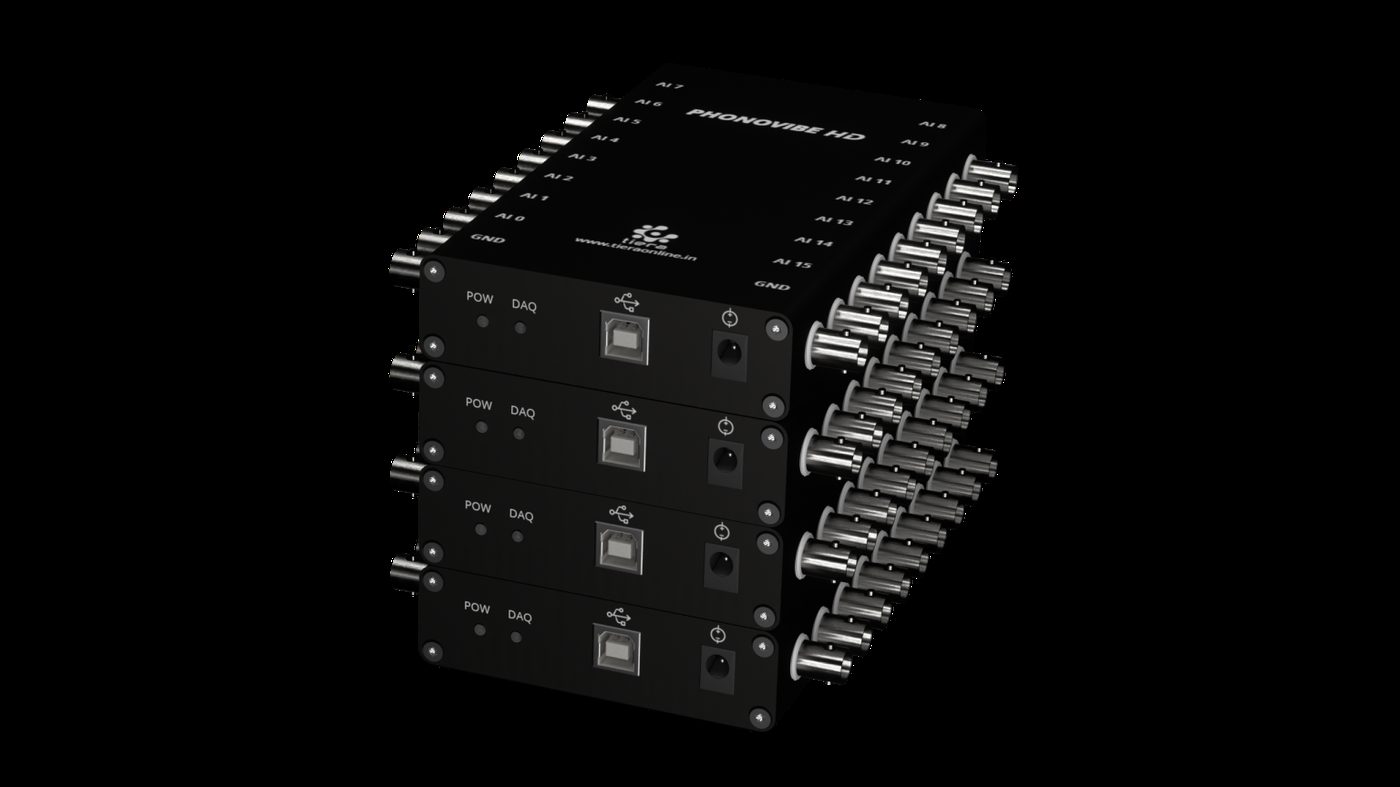
PhonoVibe Series — Sound & Vibration DAQ
A severity verdict is only as good as the reading underneath it — PhonoVibe gives you a 24-bit chain with a factory calibration certificate, so the mm/s you trend is a number you can trace.
- ADC resolution
- 24-bit
- Channels
- 2 / 4 / 8 / 16 (D, Q, O, HD)
- Sensor power
- 24 V, 4 mA constant current (IEPE/ICP/CCLD)
- Calibration
- Factory calibration certificate, 1-year validity
- Warranty
- 2 years standard, extendable to 3
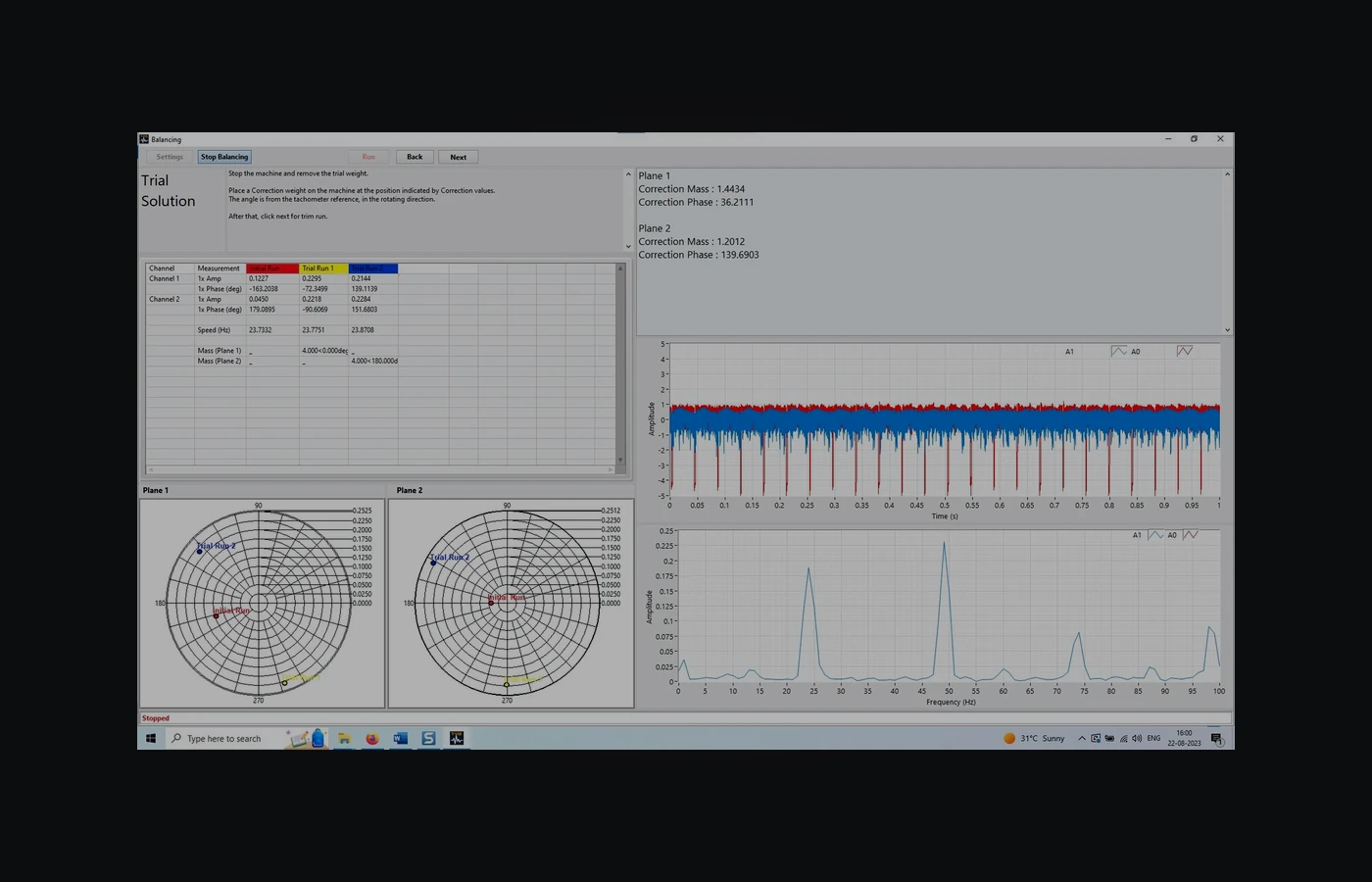
TVIB — Sound & Vibration Analysis Software
Integrates acceleration to velocity for the overall mm/s RMS the zones judge, then trends it — with band cursors and alarm bands set from your own baseline, not a generic table.
- Integration
- Acceleration → velocity → displacement
- FFT size
- Up to 102,400 points
- Averaging
- Exponential, linear, peak hold, selectable windowing
- Base module
- TSAP201 — free with every PhonoVibe DAQ

Sensors & Accessories
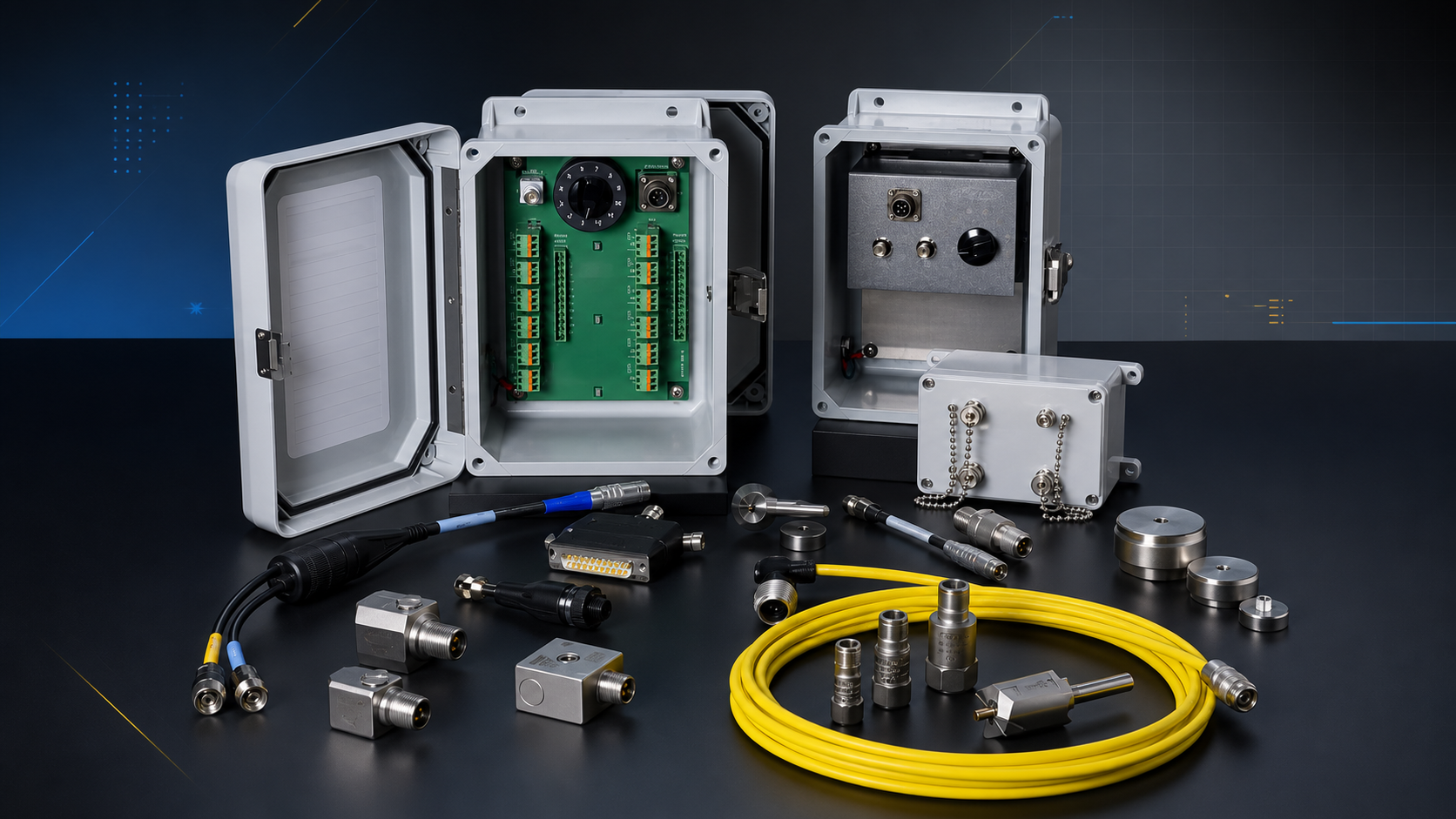
Same point, same mounting, every visit: a quick-release magnetic mount for route readings, an SS304 triaxial block for permanent points, and low-noise cable in between.
- Magnetic mount
- TMA-101-1 — rapid fixture for walk-around routes
- Triaxial block
- TMB-101-1-A — SS304, for permanent installations
- Accelerometers
- General-purpose, compact, low-frequency and industrial IEPE
- Cabling
- Low-noise coaxial (CA-101) and armored SS (CA-103), 5 m standard
From the TIERA store
The kit for this job
What we would actually put in front of someone doing the measurement this post describes — not the whole catalogue.
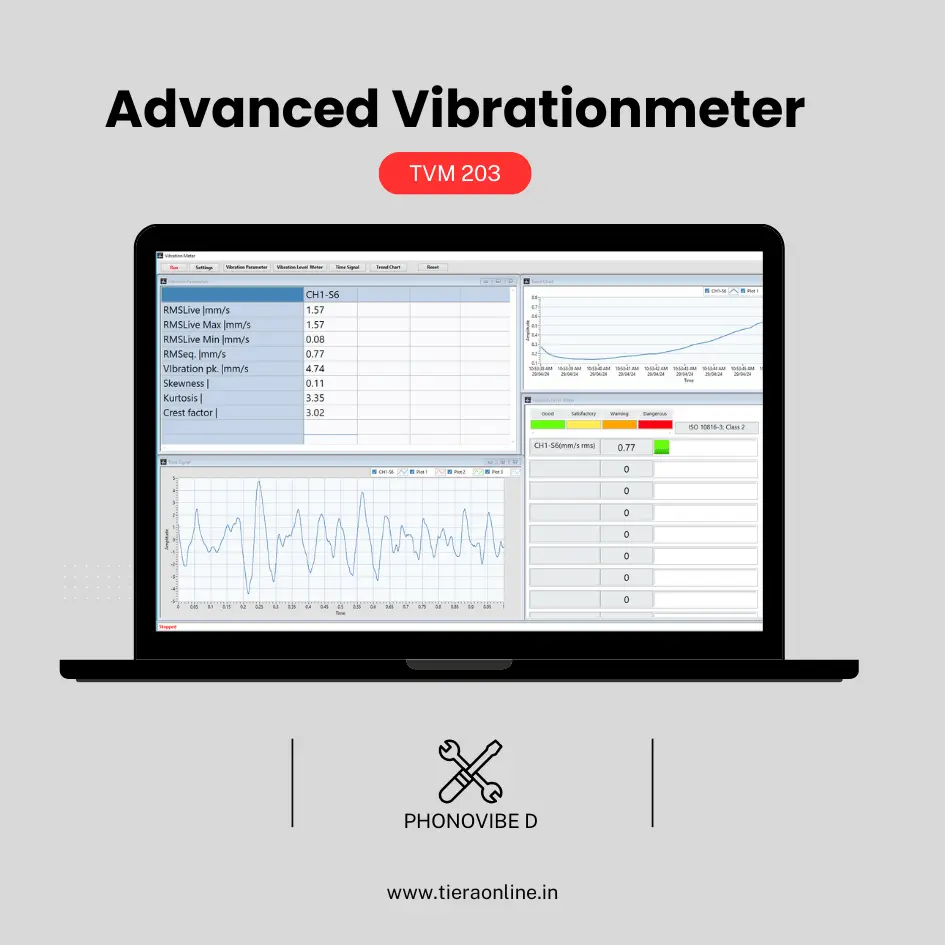 TVM 203 -Advanced Vibrationmeter (Phonovibe D)Use Cases Off route Machine Vibration analysis Product Development & Research₹30,240View →
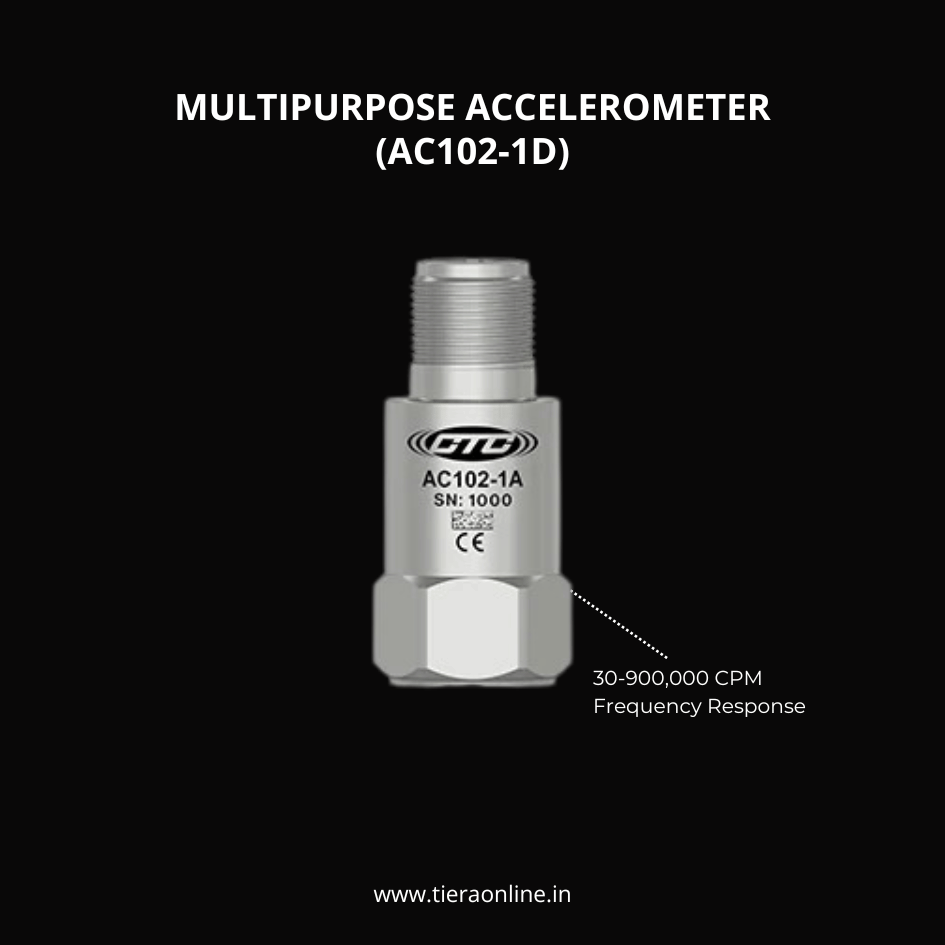 AC102-1D, MULTIPURPOSE ACCELEROMETERMULTIPURPOSE ACCELEROMETER, TOP EXIT 2 PIN CONNECTOR, 100 MV/G, ±10% 30-900,000 CPM Frequency Response (±3dB) -58 to 250 °F (-50 to 121 °C) Temperature Range Welded, Hermetic Sealing CTC’s Best Selling, Multi-Purpose Sensor Ideally Suited for Thousands of Applications₹14,750View →
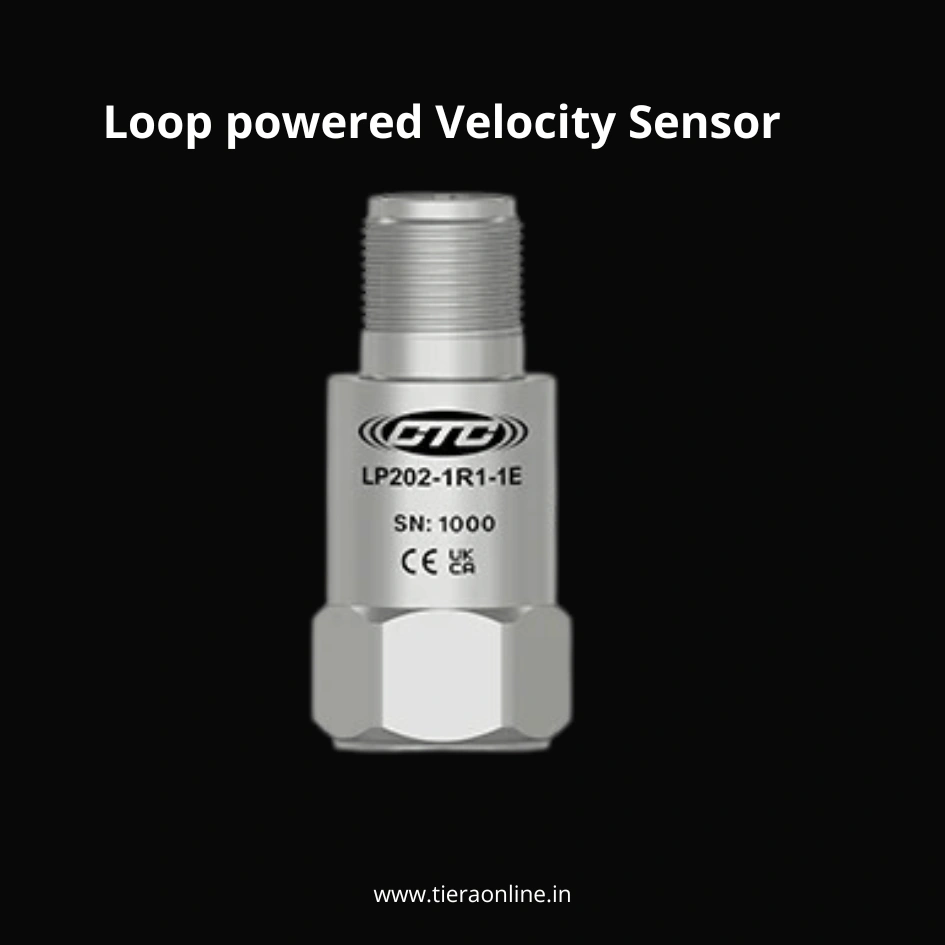 LP 202 Series, Loop powered Velocity SensorLOOP POWER SENSOR, 4-20 MA OUTPUT PROPORTIONAL TO VIBRATION IN VELOCITY, TOP EXIT 2 PIN CONNECTOR -4 to 212 °F (-20 to 100 °C) Temperature Range Welded, Hermetic Sealing 4-20 mA Current Proportional to Vibration in Velocity₹22,706View →
Use cases
Where this shows up in the field
Measure it, trend it, and set alarm bands from your machines' real baseline
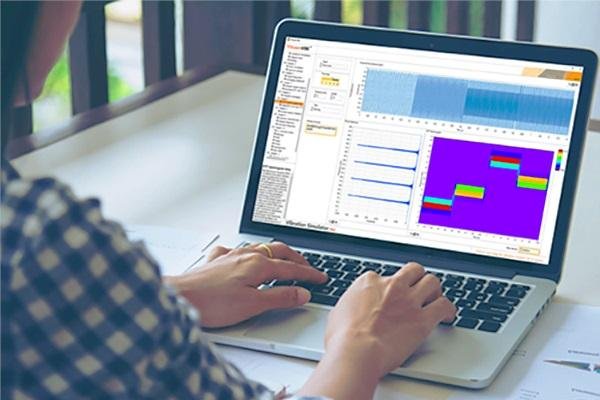
Reading a zone chart takes a minute; owning a trustworthy trend takes a measurement chain. A PhonoVibe DAQ with a TIERA accelerometer gives you a calibrated, factory-certificated chain in a carry bag, and TVIB computes overall velocity in mm/s RMS over your chosen band, alongside the spectrum you will need the moment a reading crosses into amber.
TVIB's band cursors and alarm bands let you set limits from your own baseline rather than a generic table — the day-one Zone A reading becomes the reference, and rising energy in the bands you care about becomes the early warning. If you want help choosing sensible bands and levels for your fleet, talk to us; we set up measurement programmes, we do not certify ISO compliance.
- PhonoVibe D/Q/O/HD — 24-bit USB DAQ, IEPE sensor power, factory calibration certificate with 1-year validity
- TVIB TSAP201 (free with every PhonoVibe) — overall velocity, integration to mm/s, narrowband FFT and alarm band cursors
- Support setting baseline-derived alarm bands for route-based monitoring on your machines
Where this sits on the TIERA learning ladder.
The theory behind this article is covered free, in full, by the TIERA 101 primers: Vibration 101 (Foundations), Measurement Setup 101. They are self-paced, interactive, and end in an exam and a certificate.
The free 101 primers teach you to read severity and set up a repeatable measurement; TCAT Cat I-IV adds structured analyst training with proctored examinations at exams.tieraonline.in — a TIERA credential, not an accredited ISO certification.
TIERA 101 is a free introductory primer, not an accredited ISO certification, and its hours do not count towards the formal training ISO 18436 requires.