
TIERA Book demo ->
Sound & Vibration

AI Condition Monitoring 101

From thresholds to prediction — features, anomaly detection, physics-informed ML, remaining useful life, and moving fleet data from the edge to the cloud.

Fixed alarm thresholds catch faults late and miss slow ones entirely, because every machine is a little different. AI Condition Monitoring 101 shows how modern programmes move from static limits to learning what “normal” looks like for each machine, and flagging the moment it drifts. You will start with the raw material of any model — features — and learn to extract the ones that carry the fault story: RMS and overall level, crest factor and kurtosis for impacting faults, and envelope energy for early bearing defects.

With features in hand you will learn how a baseline is built from healthy data and how anomaly detection flags departures without needing a labelled fault library. The course introduces physics-informed machine learning, where known fault physics constrains and sharpens the model rather than leaving it to guess, and explains the TMFSS data flywheel — how each machine and each labelled event makes the next prediction better. It closes on the payoff every reliability engineer wants: estimating remaining useful life, turning a detected fault into a defensible “how long do we have” so maintenance can be planned, not scrambled.

What you'll be able to do
  • Extract features — RMS, crest factor, kurtosis and envelope energy
  • Set learned baselines and detect anomalies
  • Understand physics-informed machine learning
  • See how the TMFSS data flywheel improves models
  • Estimate remaining useful life from a trend
  • Size the data a fleet will generate before it overwhelms the network
  • Keep condition-monitoring data one-way, out of the control network
Curriculum
  1. 01 Why thresholds fall short — the case for learning
  2. 02 Feature extraction — RMS, crest, kurtosis and envelope energy
  3. 03 Baselines and anomaly detection
  4. 04 Physics-informed ML — fault physics meets data
  5. 05 The TMFSS data flywheel — data that compounds
  6. 06 Remaining useful life and the prognostics horizon
  7. 07 Edge-to-cloud data plane — trend points vs waveform blocks, and the bandwidth budget
  8. 08 Publish/subscribe messaging, store-and-forward and clock sync for order tracking
  9. 09 Why a condition-monitoring gateway must never bridge back to the PLC
Go deeper

Written for this course's subject, free to read, and none of it behind a form. Each one goes further than a primer can.

What the measurements are taken with

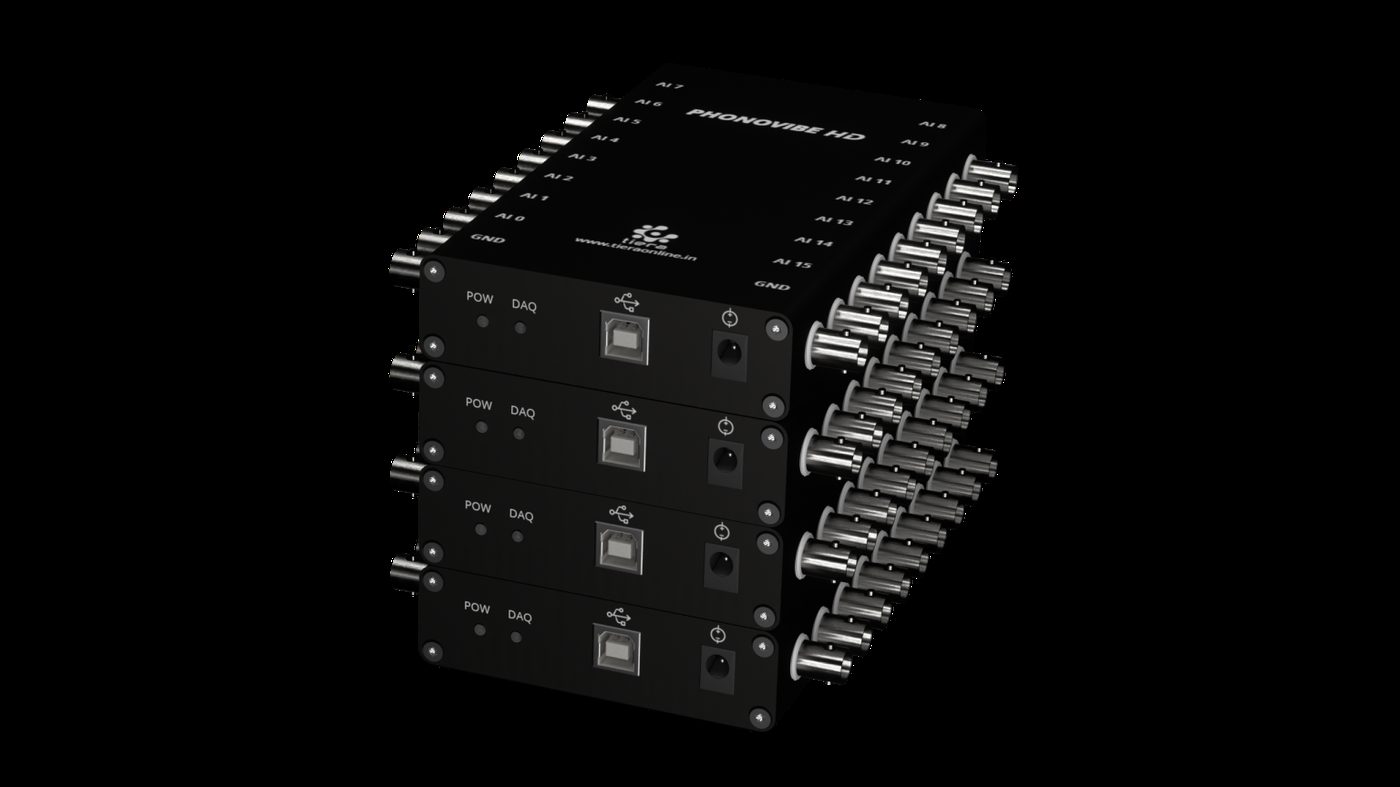
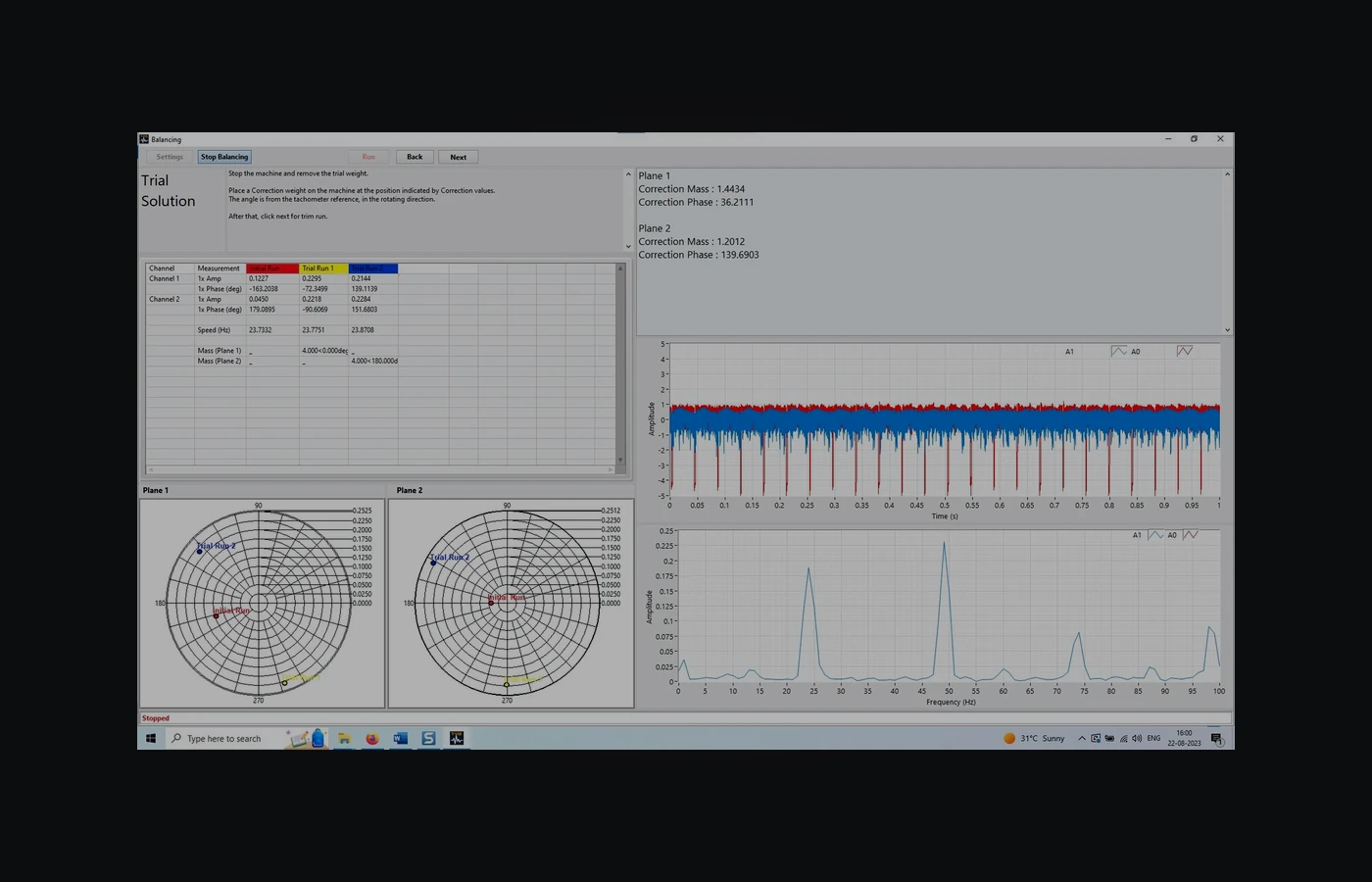
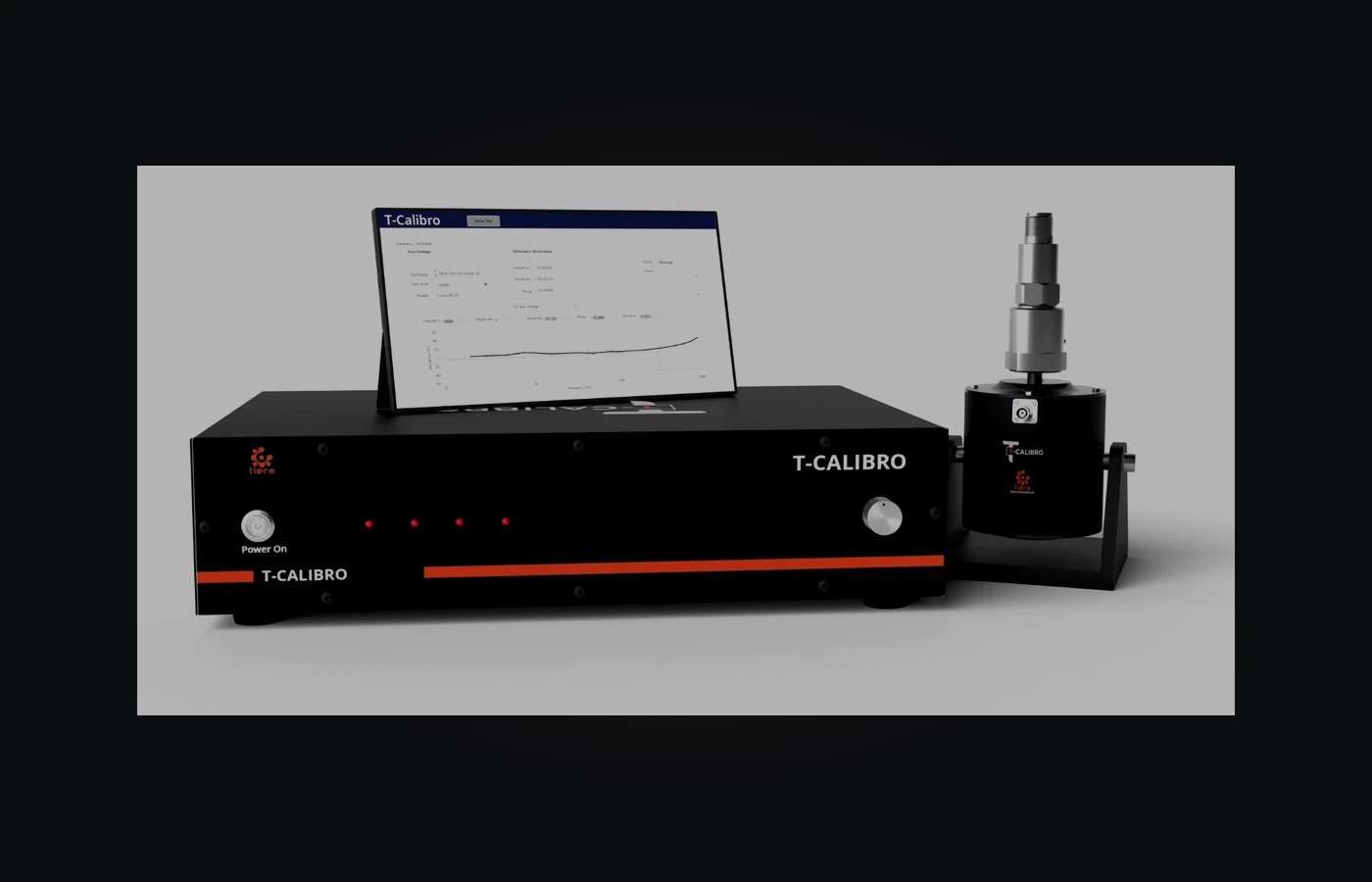
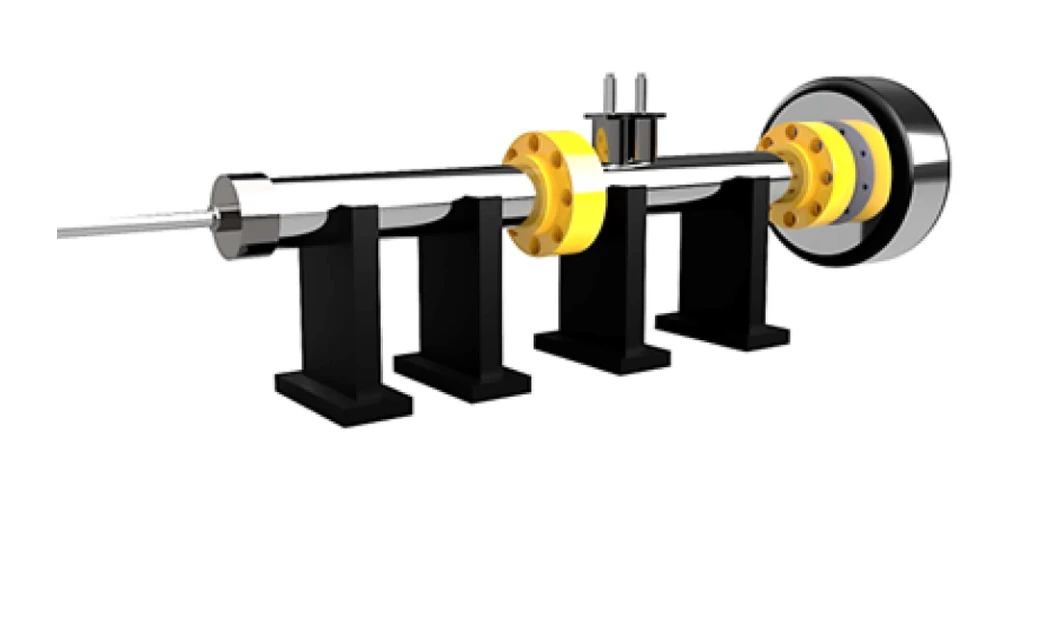
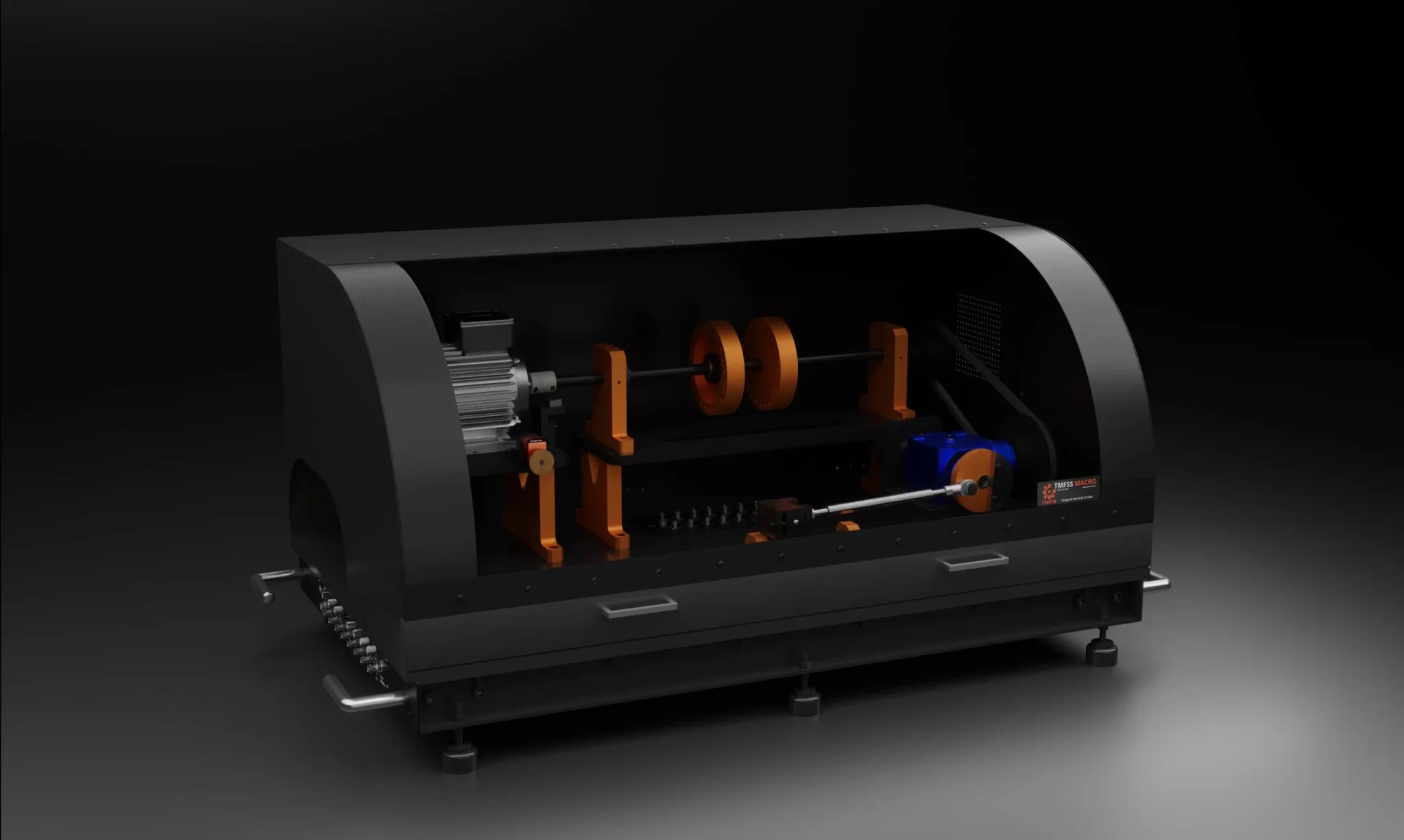
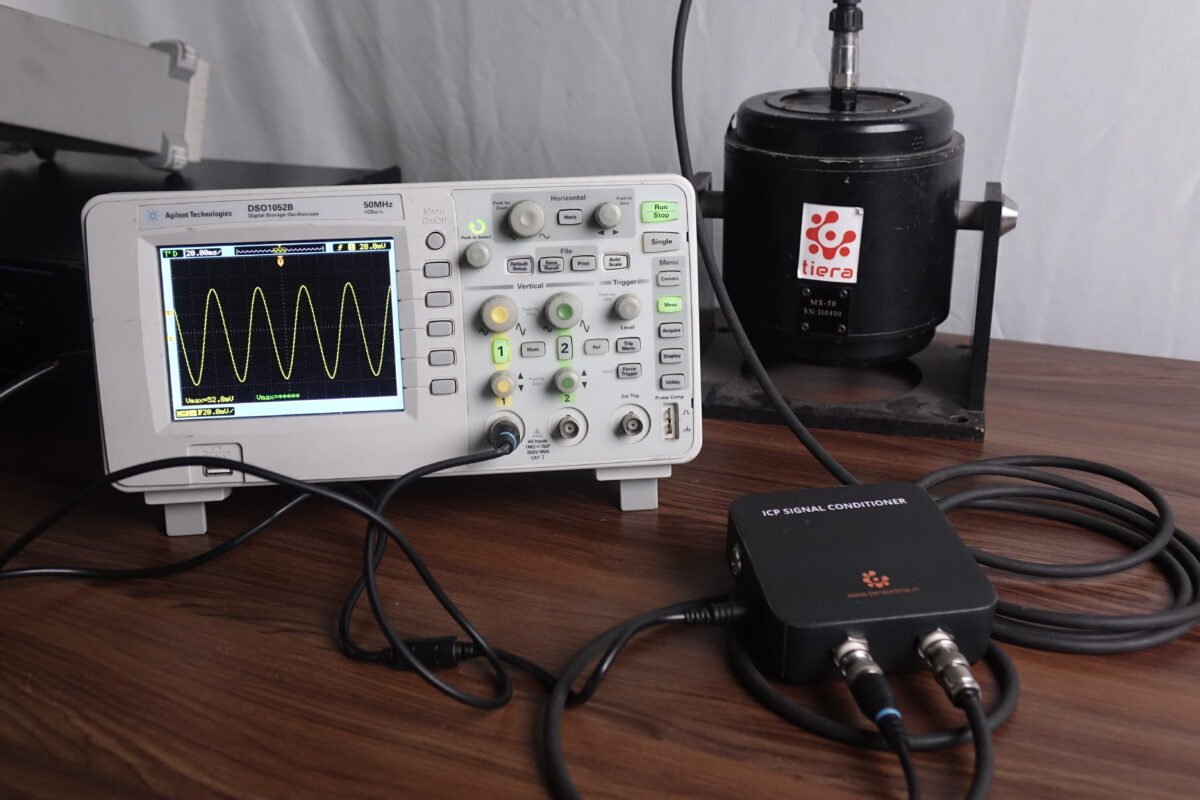
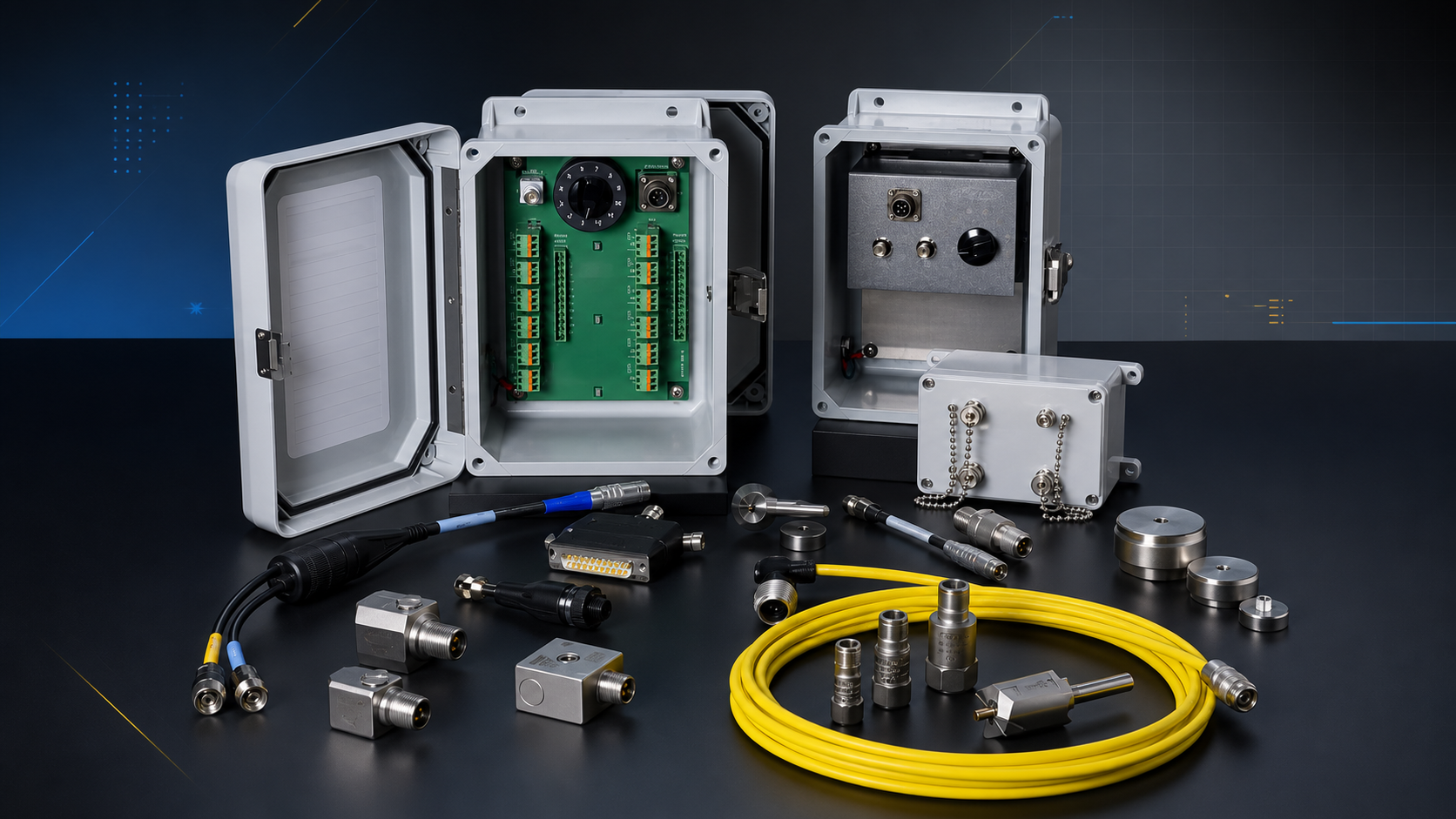
The instruments and rigs this subject is measured on, in case you want to see the hardware behind the worked examples. Nothing here is required to take the course — it is free and self-contained.

Book demo WhatsApp Call