Machine Condition Monitoring Lab for Research Universities
How universities can build a practical vibration lab for condition monitoring, diagnostics, modal testing, and student research.
A research lab should teach the whole measurement chain
A good machine condition monitoring lab is not just a rotating machine on a bench. Students need to understand sensors, mounting, cabling, data acquisition, sampling rate, anti-aliasing, windowing, FFT interpretation, fault physics, report writing, and maintenance decisions.
The best university labs make the signal chain visible. A student should be able to change a mounting method, shift a sensor location, alter speed, introduce a known fault, and immediately see how the spectrum changes.
Core equipment for a useful lab
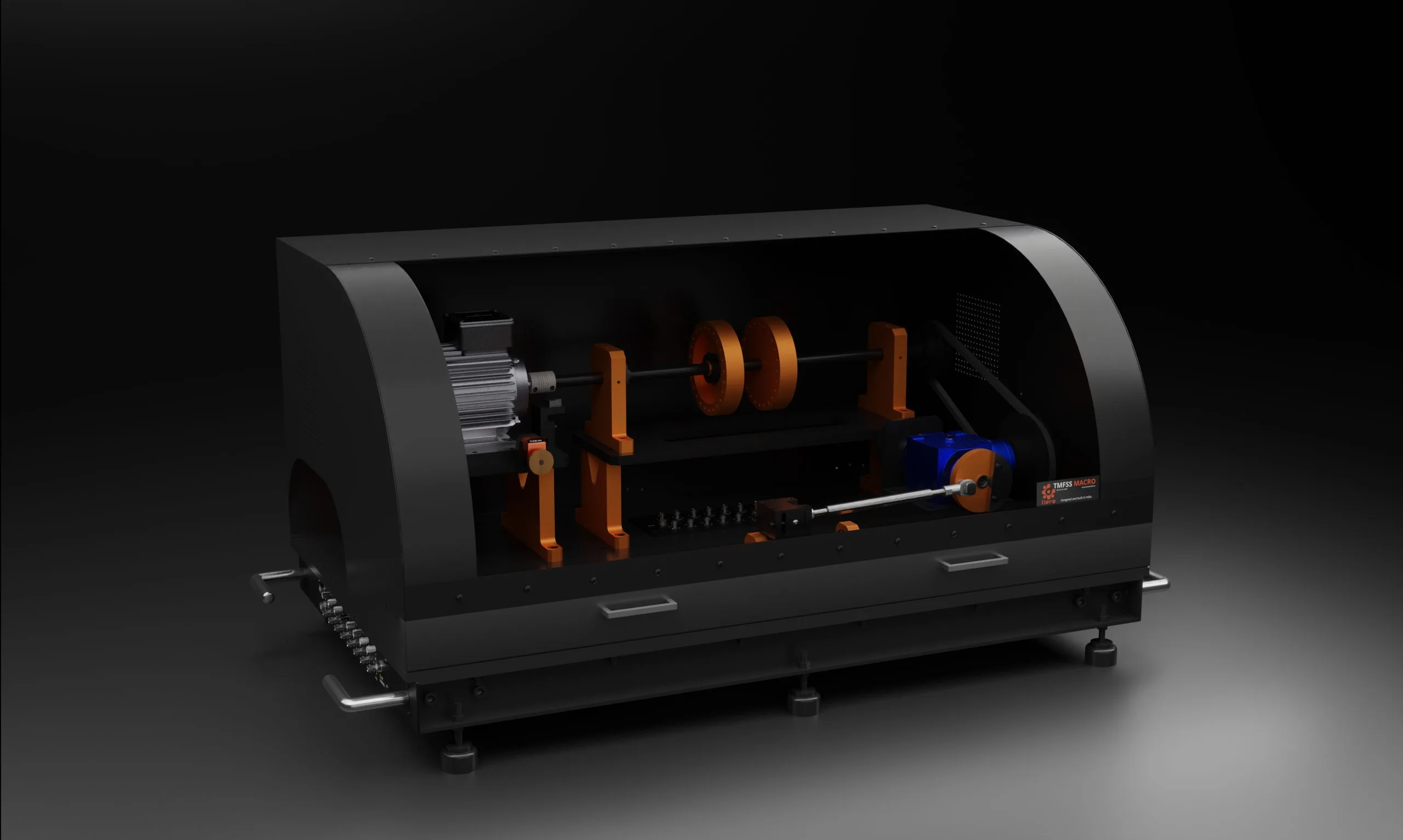
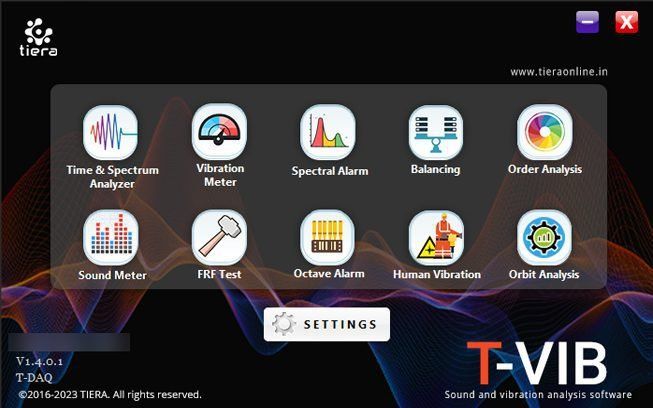
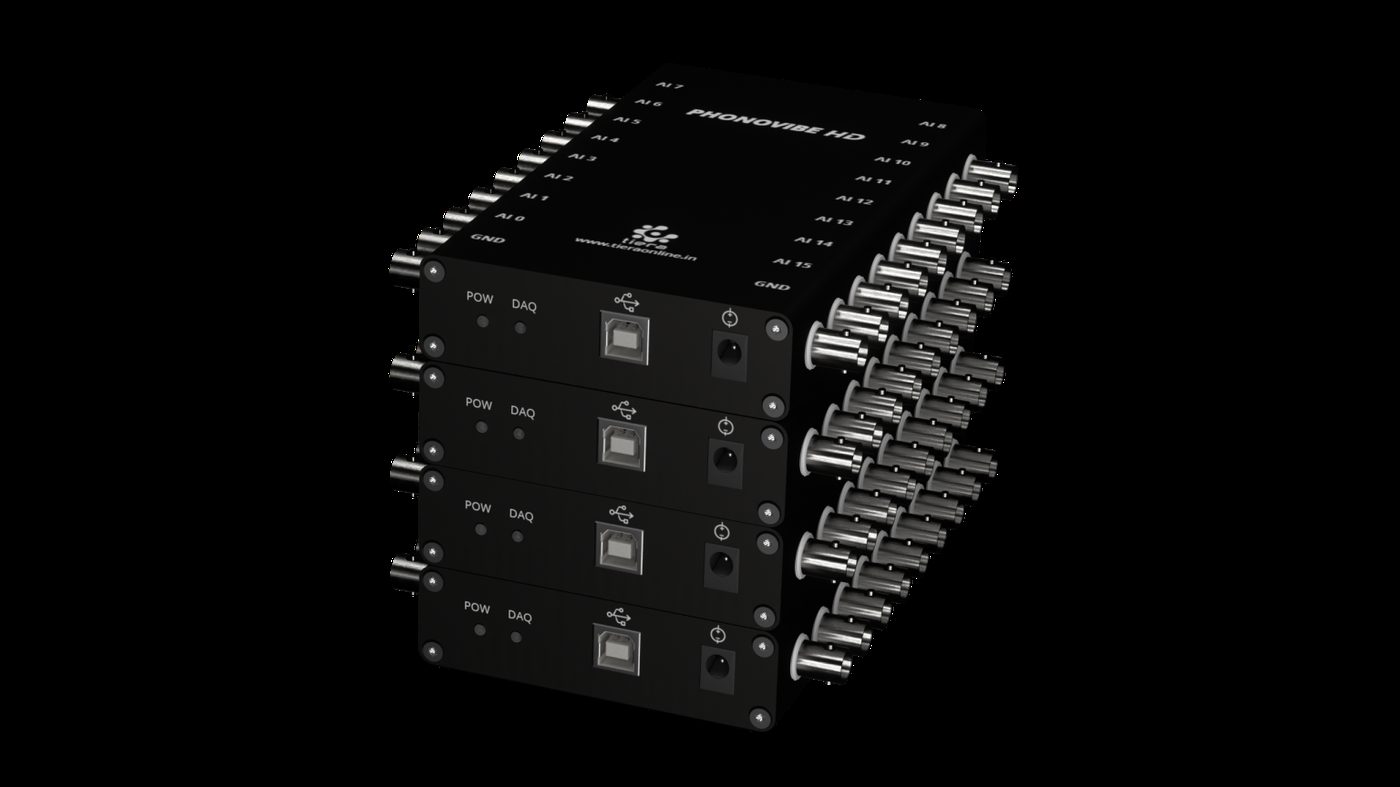
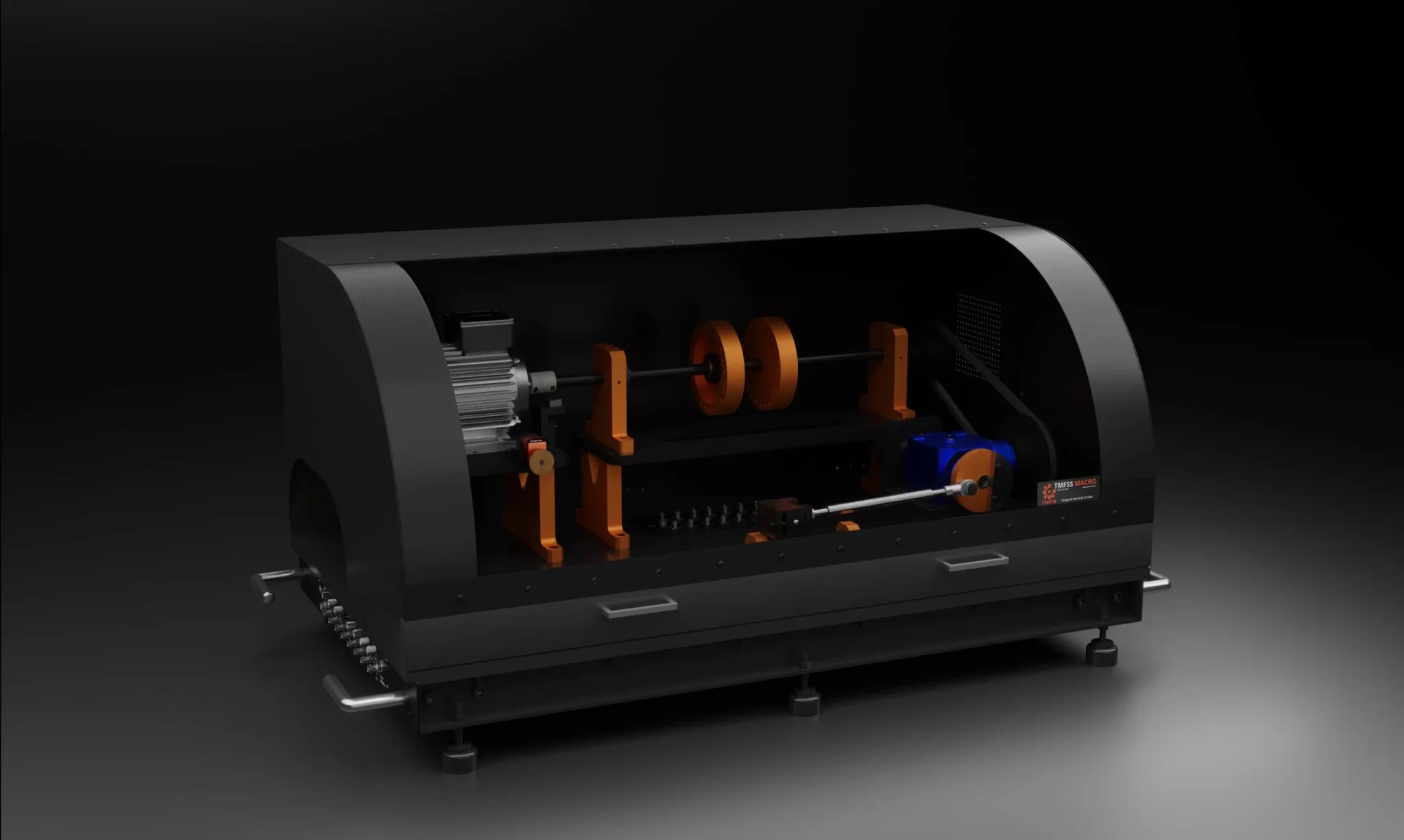
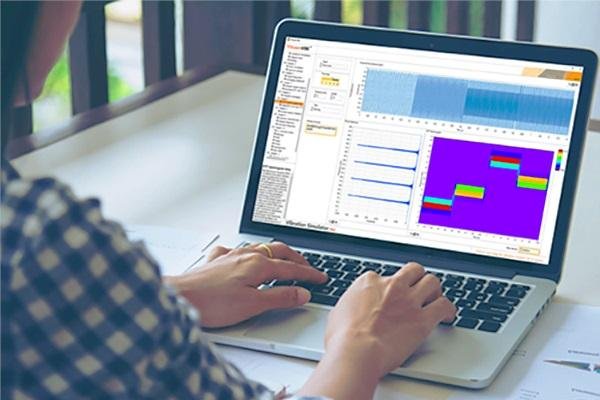
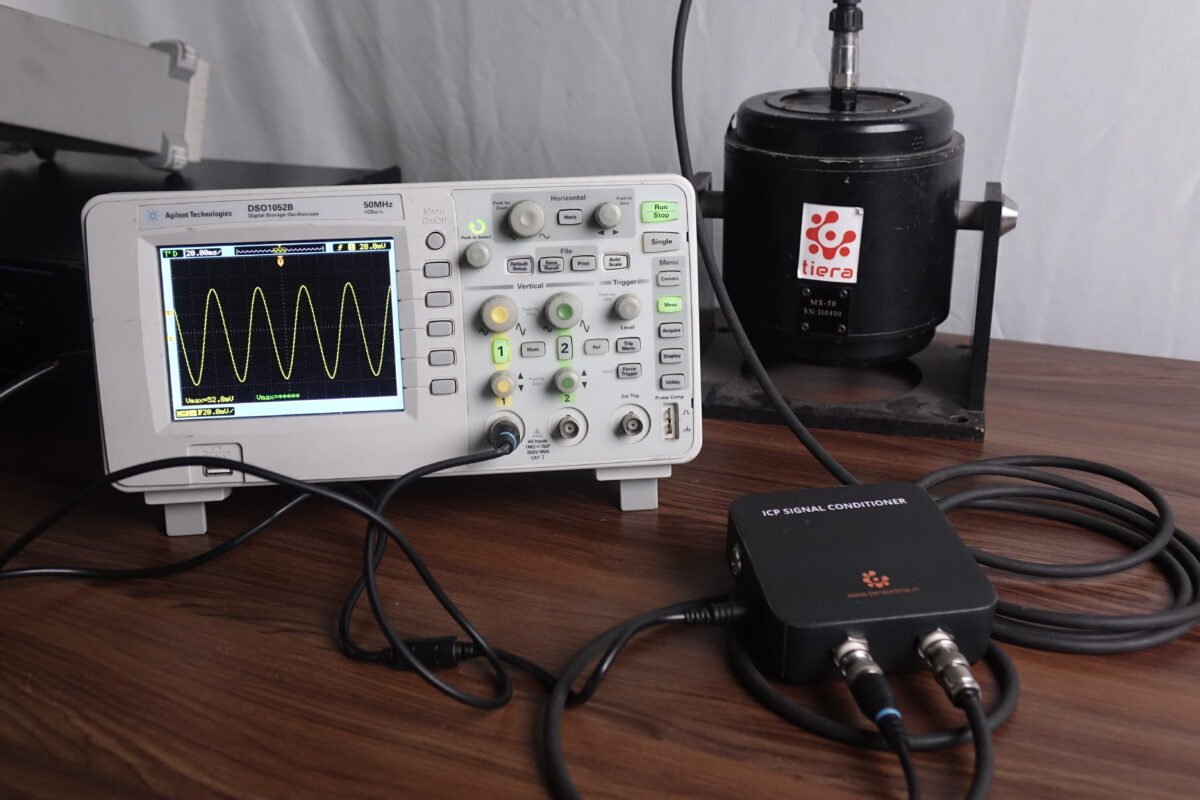
A practical lab can combine a machinery fault simulator, a multi-channel DAQ, IEPE accelerometers, tachometer input, TVIB analysis software, calibration support, and structured experiments. This supports both teaching and research without needing a full industrial plant.
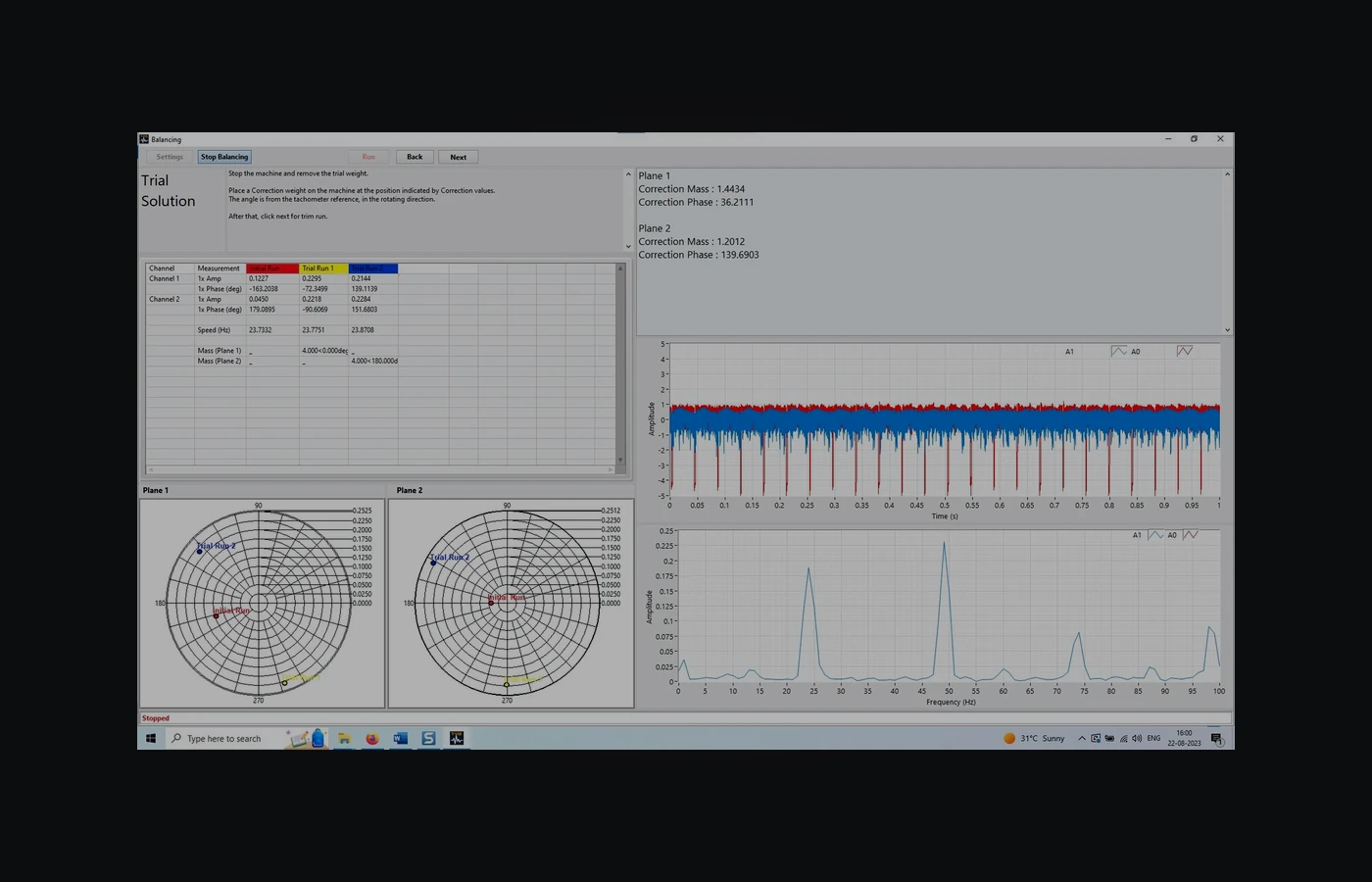
The lab can start small with route-based vibration measurement and expand into bearing diagnostics, balancing, order tracking, modal testing, wireless sensor validation, and AI dataset generation.
Experiments that create real understanding
Useful experiments include healthy baseline measurement, unbalance severity study, misalignment comparison, looseness detection, bearing fault envelope analysis, speed-dependent order tracking, sensor mounting comparison, and trend monitoring over repeated sessions.
For research students, the same hardware can support signal-processing projects, machine-learning classifiers, sensor validation, structural response studies, and digital-twin teaching modules.
From classroom exercise to publishable workflow
A university lab becomes stronger when each experiment produces reusable data: raw waveform, spectrum, metadata, photos of the setup, acquisition settings, and a short interpretation report. Over time, this becomes an internal dataset library for coursework and research.
TIERA's value in this setting is the combined stack: hardware, software, controlled fault generation, calibration thinking, and training material. That gives departments a lab that can teach fundamentals while still supporting modern predictive-maintenance research.
From the TIERA store
The kit for this job
What we would actually put in front of someone doing the measurement this post describes — not the whole catalogue.
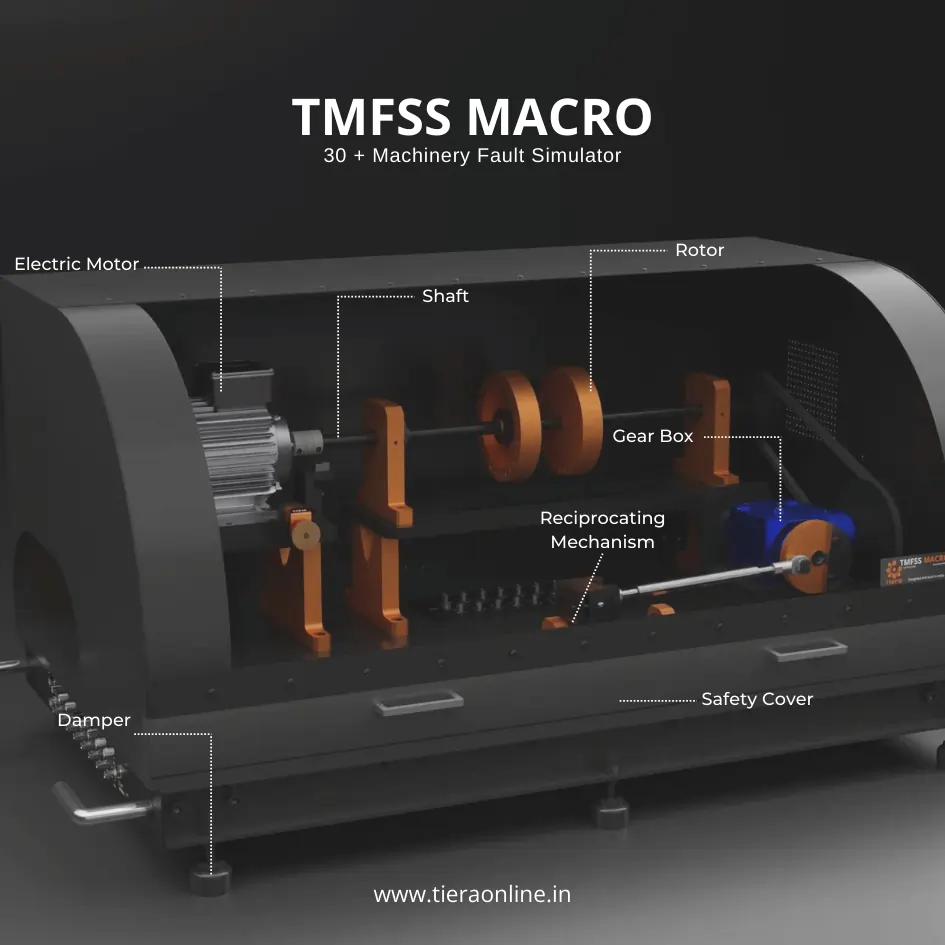 Machinery Fault Signature SimulatorTiera’s Machine Fault Simulator (TMFSS) is a valuable tool for industries and researchers, simulating over 30 real-world faults such as: Bearing faults: outer race defects, inner race defects, cage defects. Motor faults: stator faults, rotor faults, electrical unbalance. Gearbox faults: gear wear, misalignment, gear tooth damage. Etc..₹13,53,600View →
- Machinery Fault Signature Simulator | TMFSS MINIThe TMFSS Mini is Tiera’s compact yet powerful machinery fault simulator designed to provide hands-on learning and experimentation in fault diagnosis and vibration analysis. Ideal for educational institutions, research labs, and professionals, the TMFSS Mini enables users to simulate real-world machinery faults in a controlled environment.Request priceView →
- Training KitsCompact, classroom-friendly hardware bundles that pair with TCAT Cat I / Cat II syllabi — bearing-fault rigs, balancing benches, and structural-modal demonstrators. Designed to fit a 6-ft table.Request priceView →
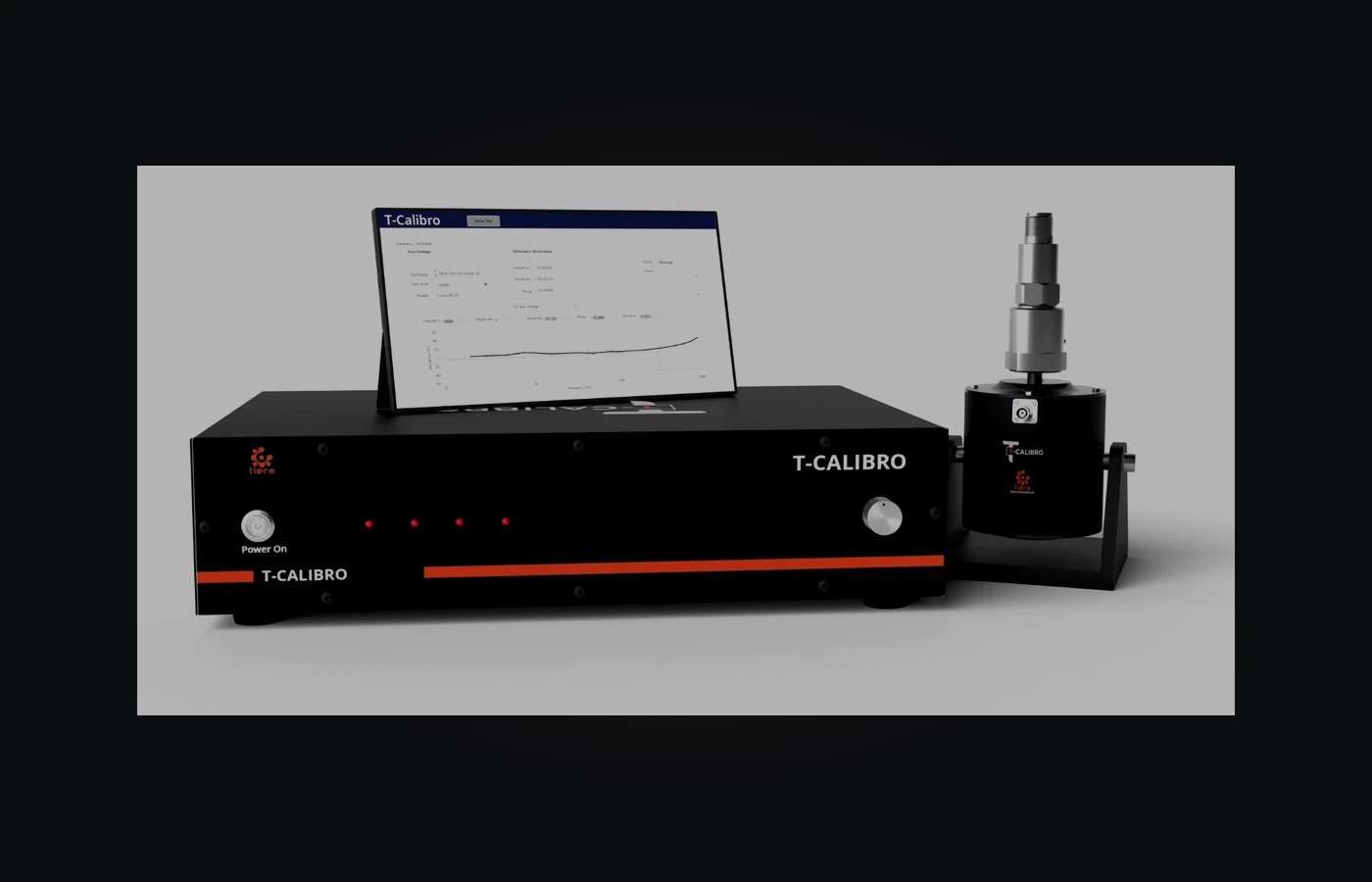
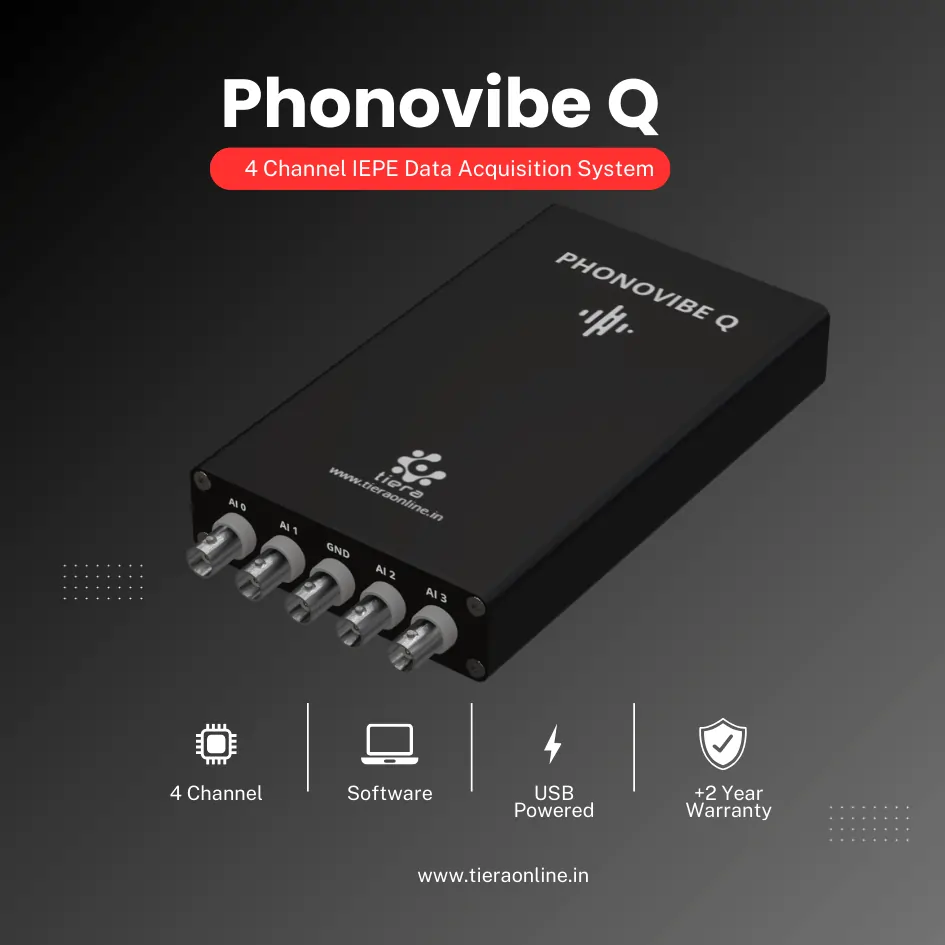 4 Channel IEPE Data Acquisition System – Phonovibe QFour Channels Standard plug & play USB Powered Take data from accelerometers, microphones, hammers, or any other IEPE Sensors T- VIB Software to acquire time waveforms, frequency spectra, overall vibration levels, FRF’s and octave measurements ** Windows 10 or above Operating System ** T-VIB Software base version comes with Time and Spectrum with Post processor TSAP 201. Check out TVIB Software regarding more module options.₹2,88,000View →
Use cases