Building a Vibration Training Lab: What to Buy First, and What Nobody Uses
The equipment that makes a vibration course work is not the equipment that photographs well. A fault simulator earns its cost in the first cohort; a second analyser and a wall of sensors usually do not. Here is the order we would buy in, and the honest reason for each step.
The thing a classroom cannot teach
You can teach the theory of a spectrum on a whiteboard. You can teach fault frequencies from a formula sheet. What you cannot teach without hardware is the part that actually separates an analyst from someone who has read about analysis: the experience of being wrong, and finding out immediately.
A trainee who sees a tall 1× and confidently says "unbalance" needs to be shown, in the next ten minutes, a bent shaft producing the same tall 1×. Not told — shown, on a machine, with their own measurement. That single experience does more than a chapter, and it is the entire argument for putting real hardware in a training programme.
This is also why a course built only on recorded datasets plateaus. Recorded data teaches recognition. It cannot teach a trainee to change something and see what changes, which is how the causal link gets built.
Buy in this order
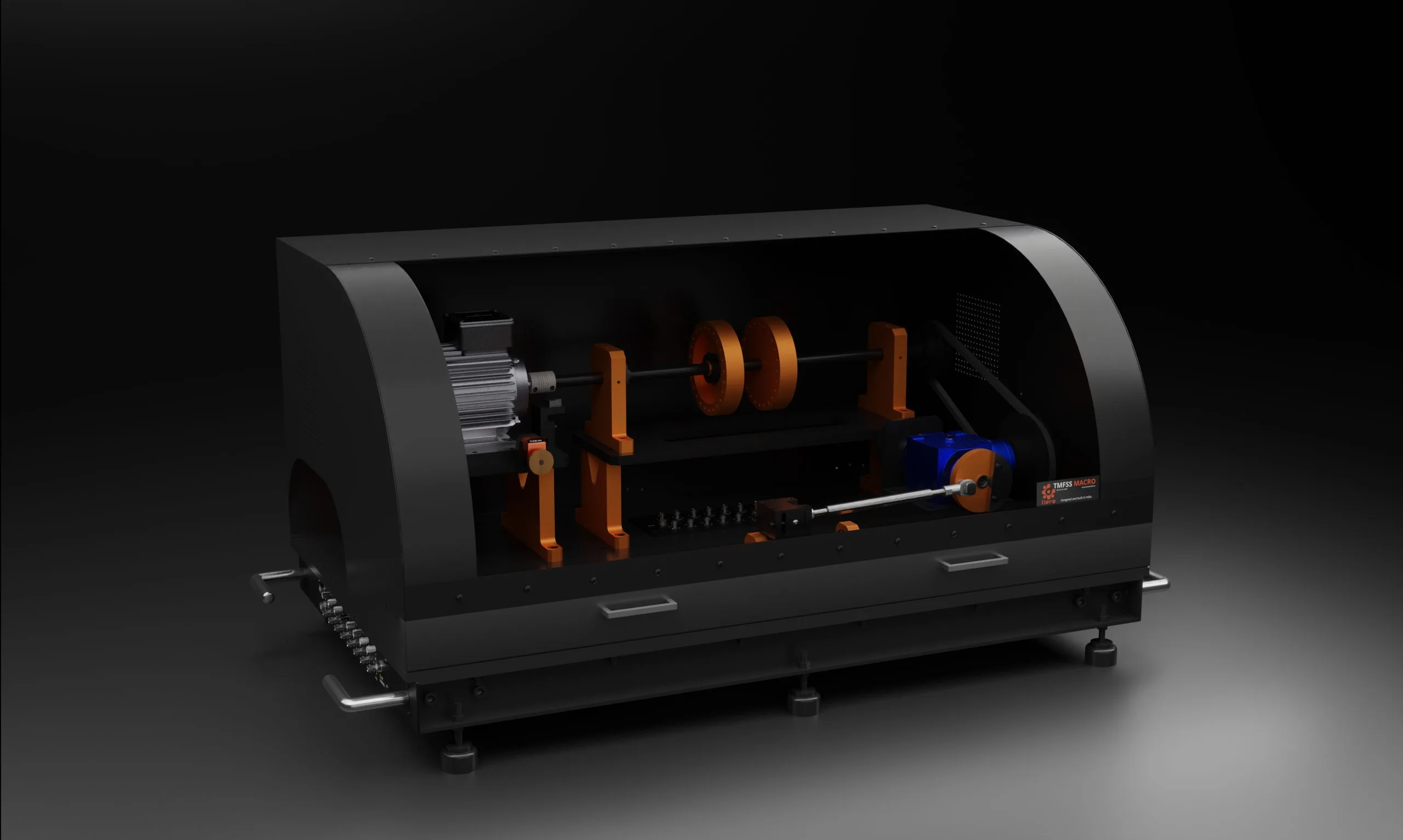
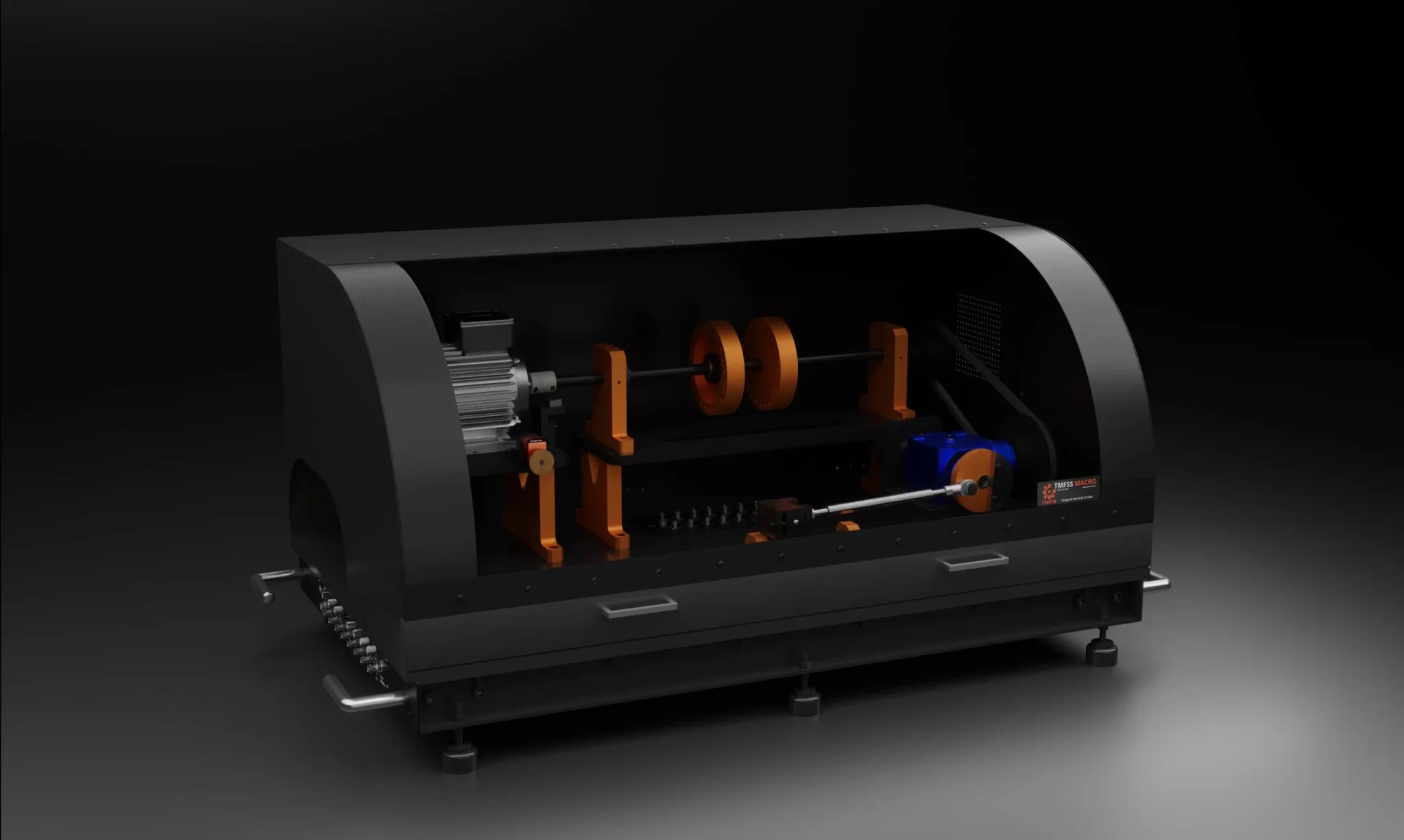
First: a machinery fault simulator. Nothing else changes a course as much. A rig where you can induce unbalance, misalignment, looseness, a bearing defect and resonance deliberately, one at a time, at a severity you choose, is the spine the whole syllabus hangs on. It converts every abstract statement into something a trainee can produce and reproduce.
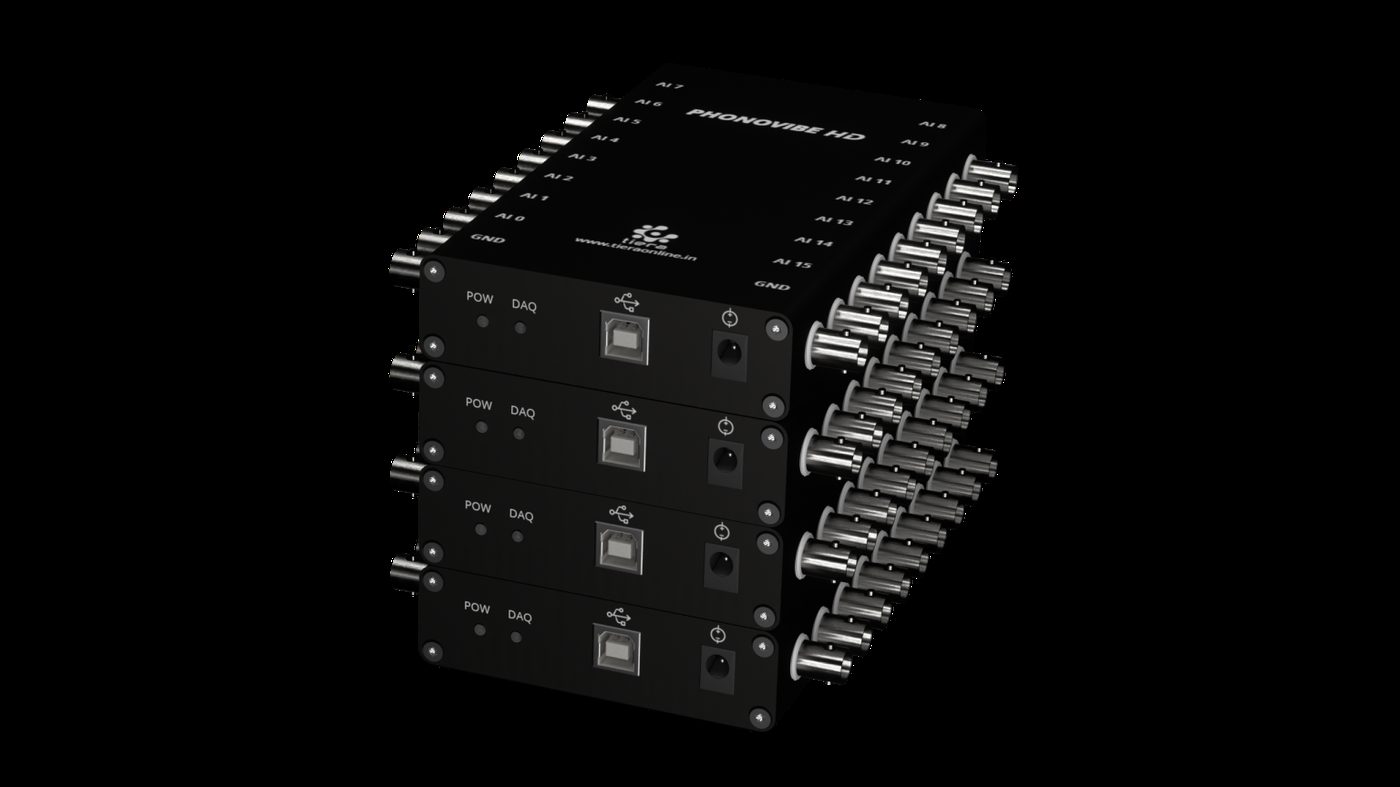
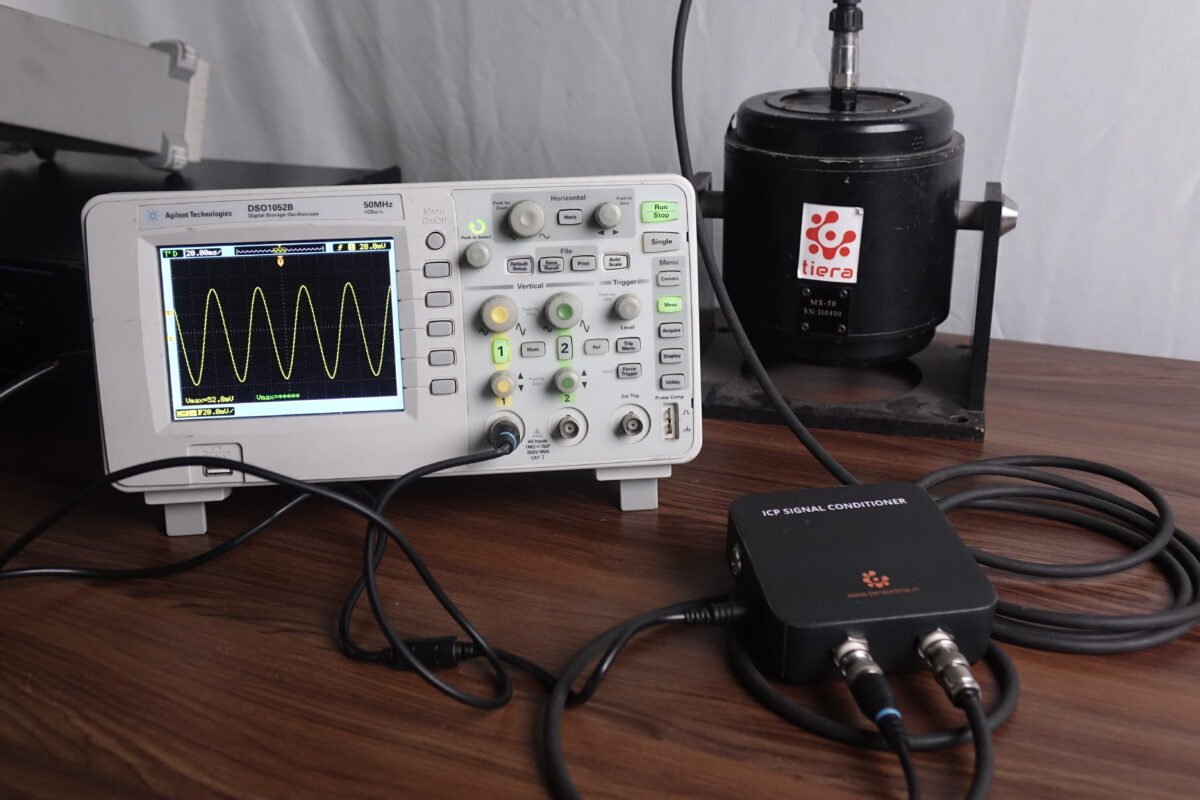
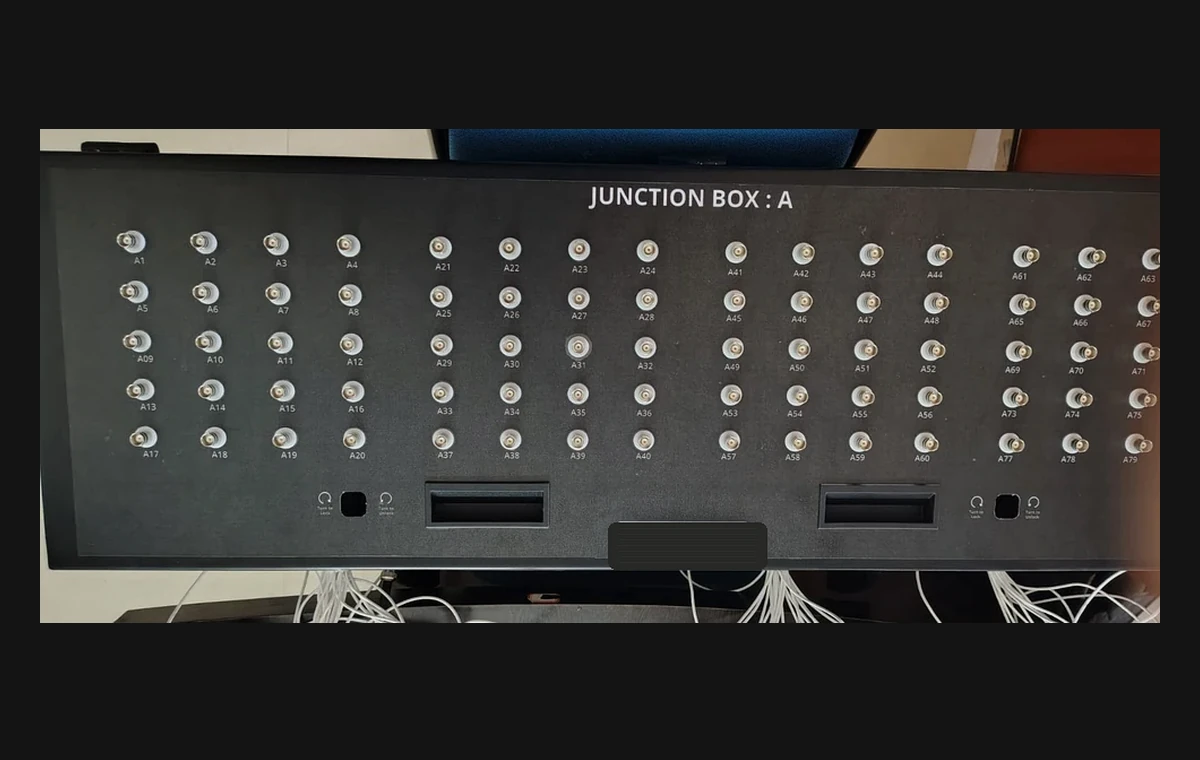
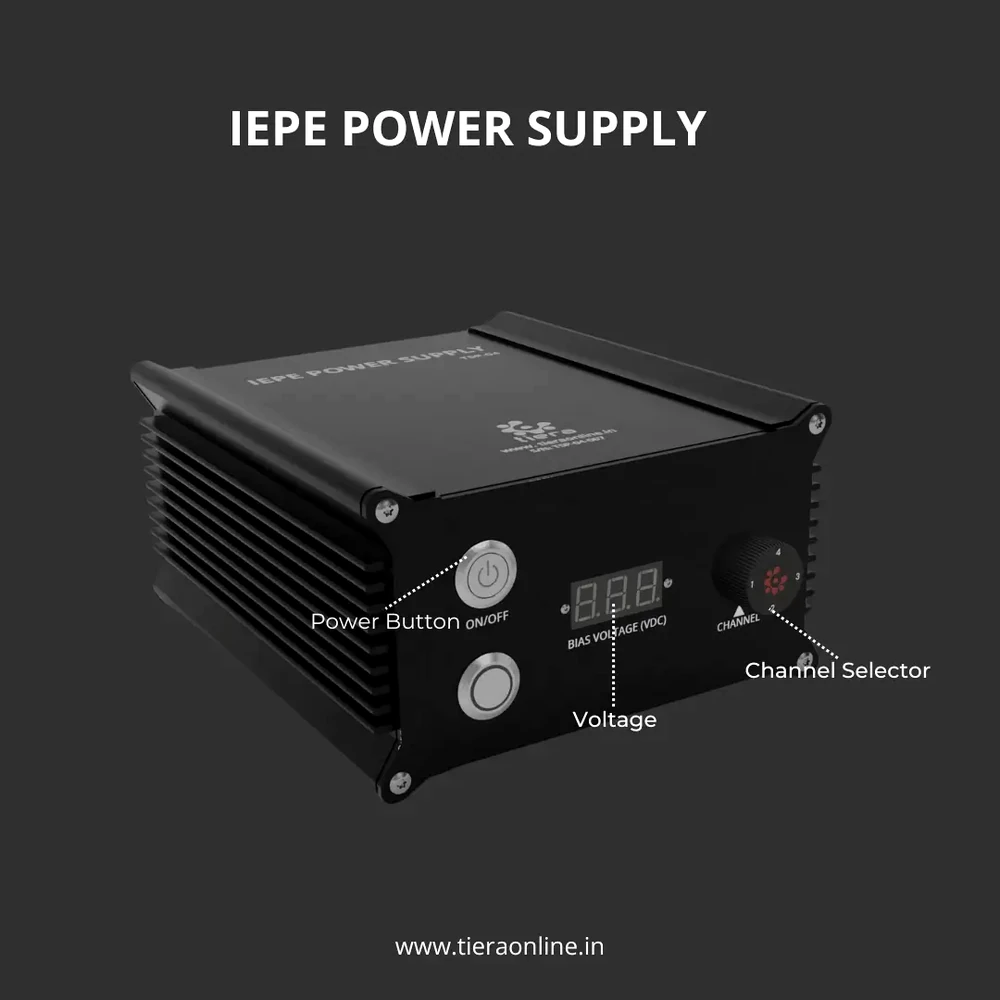
Second: one good analyser and enough sensors for small groups. One four-channel DAQ with four accelerometers lets a group of four each hold a probe. A second analyser adds far less than the first sensor did — resist buying it until group sizes genuinely demand it.
Third: the accessories that teach the measurement chain. A magnetic mount, a stud, an adhesive pad and a hand-held probe, all for the same sensor. Being able to measure the same fault four ways and watch the high-frequency content disappear as the mounting gets worse is one of the most durable lessons in the course, and it costs almost nothing.
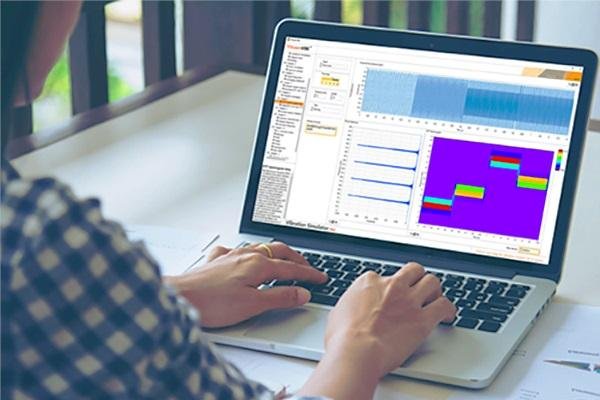
Fourth: simulation software. Useful for the theory half, for homework, and for letting trainees explore configurations the rig cannot produce. Genuinely valuable — but after the rig, not instead of it.
What people buy too early: a second rig, a large sensor inventory, a shaker, and proximity probes. Each has a role in a mature programme; none of them changes a first cohort's outcome.
Design the exercises around collisions, not around faults
The instinctive syllabus is one fault per session: unbalance week, misalignment week, bearings week. It is tidy and it under-prepares people, because in the field faults do not arrive labelled and the hard part is never recognising a textbook case.
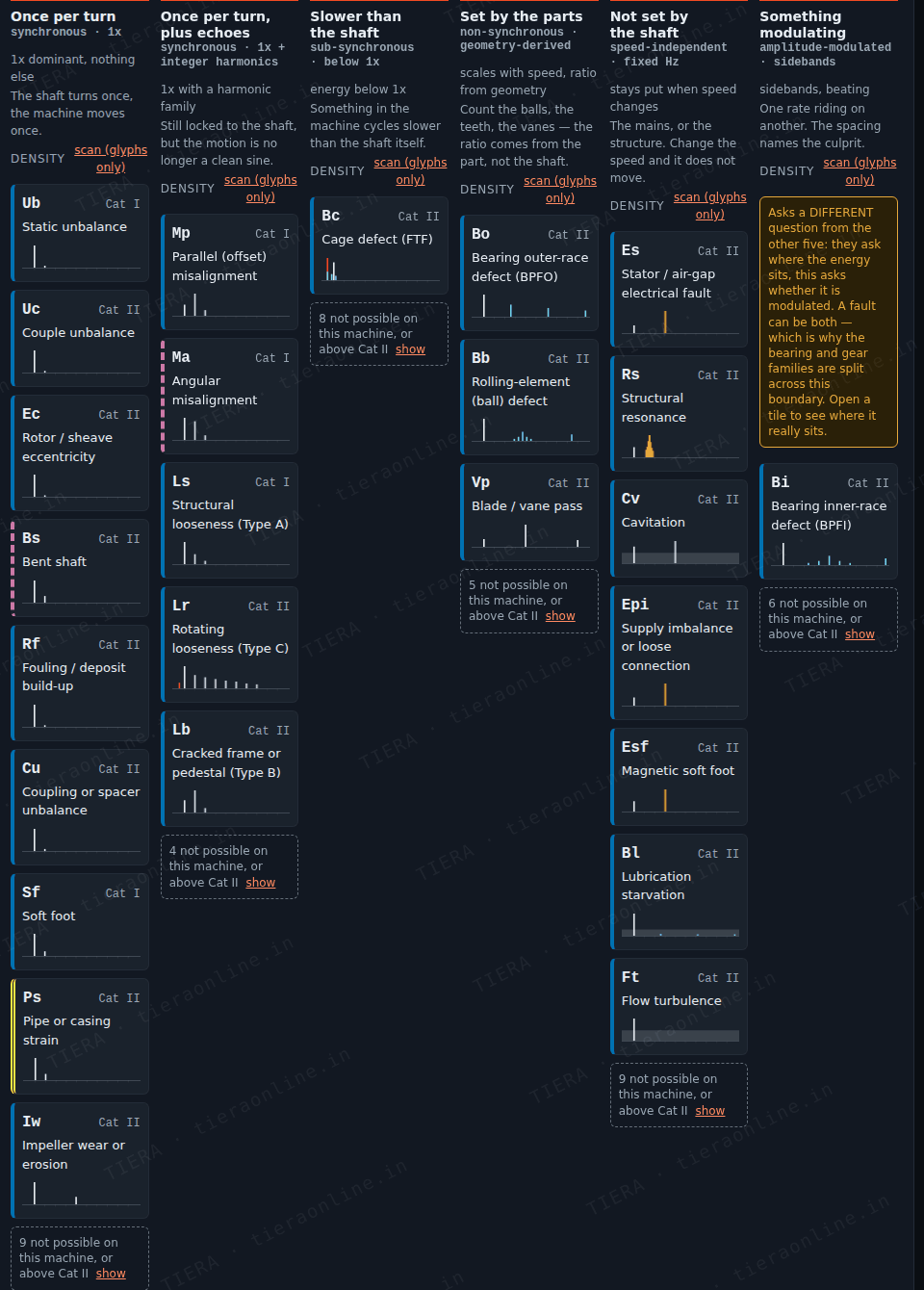
A better structure is to teach in pairs that look alike. Unbalance against a bent shaft — both dominated by 1×, separated by axial phase. Misalignment against looseness — both harmonic families, separated by how the harmonics decay and by direction. A bearing defect against a raised noise floor from a bad mount — separated by whether the comb is really there or the record is simply dirty.
Each pair gives the trainee an experience of ambiguity followed by a method for resolving it. That is the actual skill. It also front-loads the lesson that a spectrum alone frequently does not decide, which is the single most useful thing a Cat I analyst can internalise before going to a plant.
Build the bad-measurement exercises in deliberately
Every programme teaches how to take a good measurement. Very few teach how to recognise a bad one, and in the field bad measurements are far more common than exotic faults.
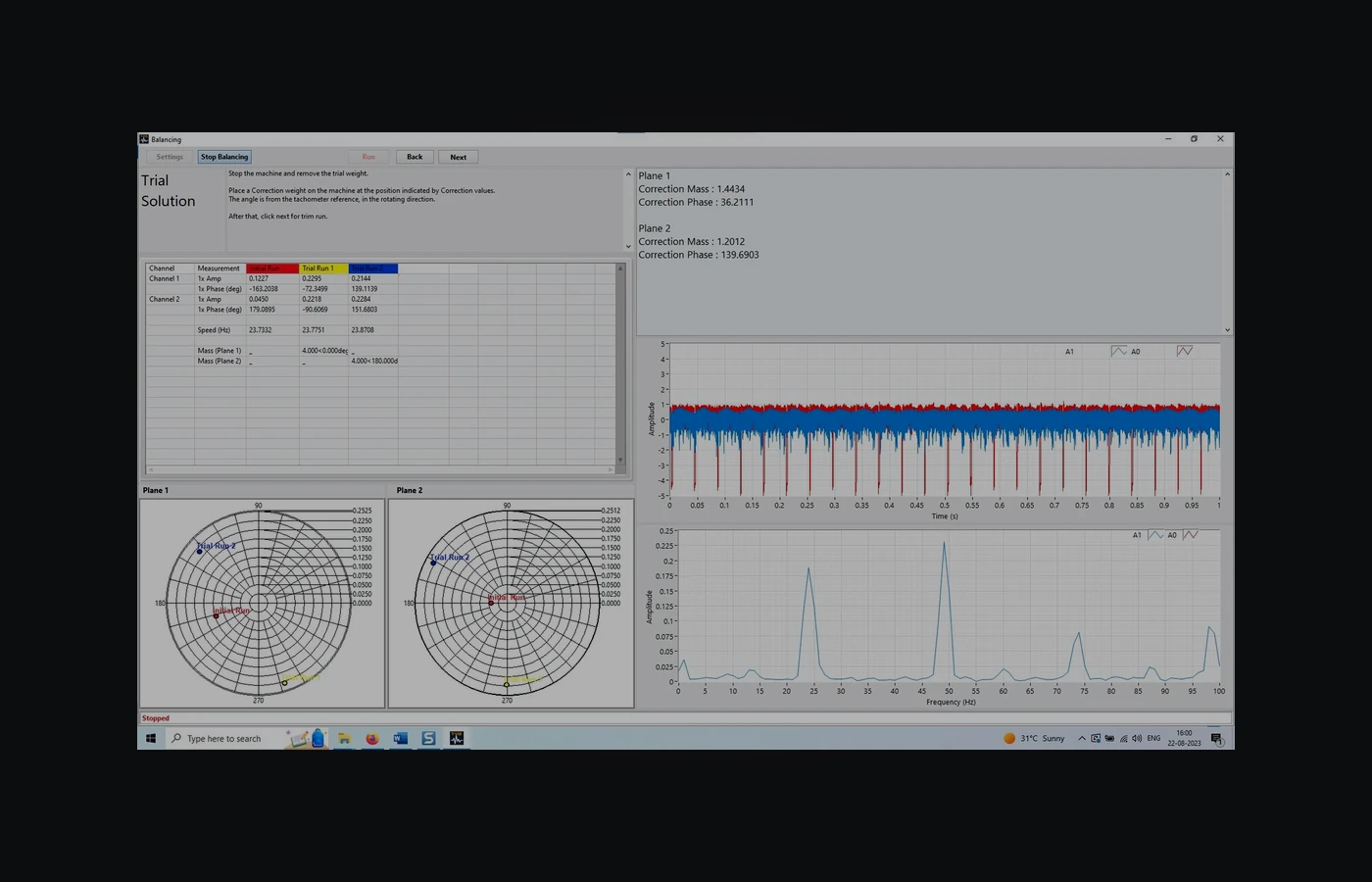
Set up sessions where the record is the problem, not the machine: a sensor on a painted surface with a weak magnet, a loose cable connector, a mount that cannot reach the bandwidth the bearing fault needs, an obvious 50 Hz pickup from a nearby drive. Ask for a diagnosis. Let them diagnose the machine. Then show them the record was never trustworthy.
A trainee who has been caught once by that will check the record first for the rest of their career, which is worth more than any amount of fault-frequency arithmetic.
What certification adds, and what it does not
A category certification gives a trainee a recognised statement of what they have studied and passed. For plant staff it is often a procurement or audit requirement, and for the individual it is portable in a way an internal course is not.
It does not, on its own, make someone a diagnostician — and a programme that treats the exam as the goal produces people who can pass it and cannot work. The rig is what closes that gap. Certification is best understood as the floor the programme has to clear, not the ceiling it aims at.
If you are standing up a programme from nothing, a realistic first year is: a fault simulator, one analyser with four channels and sensors, the mounting accessory set, and a Cat I cohort run against a syllabus built on look-alike pairs. Add the software and the second rig once you know your throughput.
TIERA instruments that do this work.
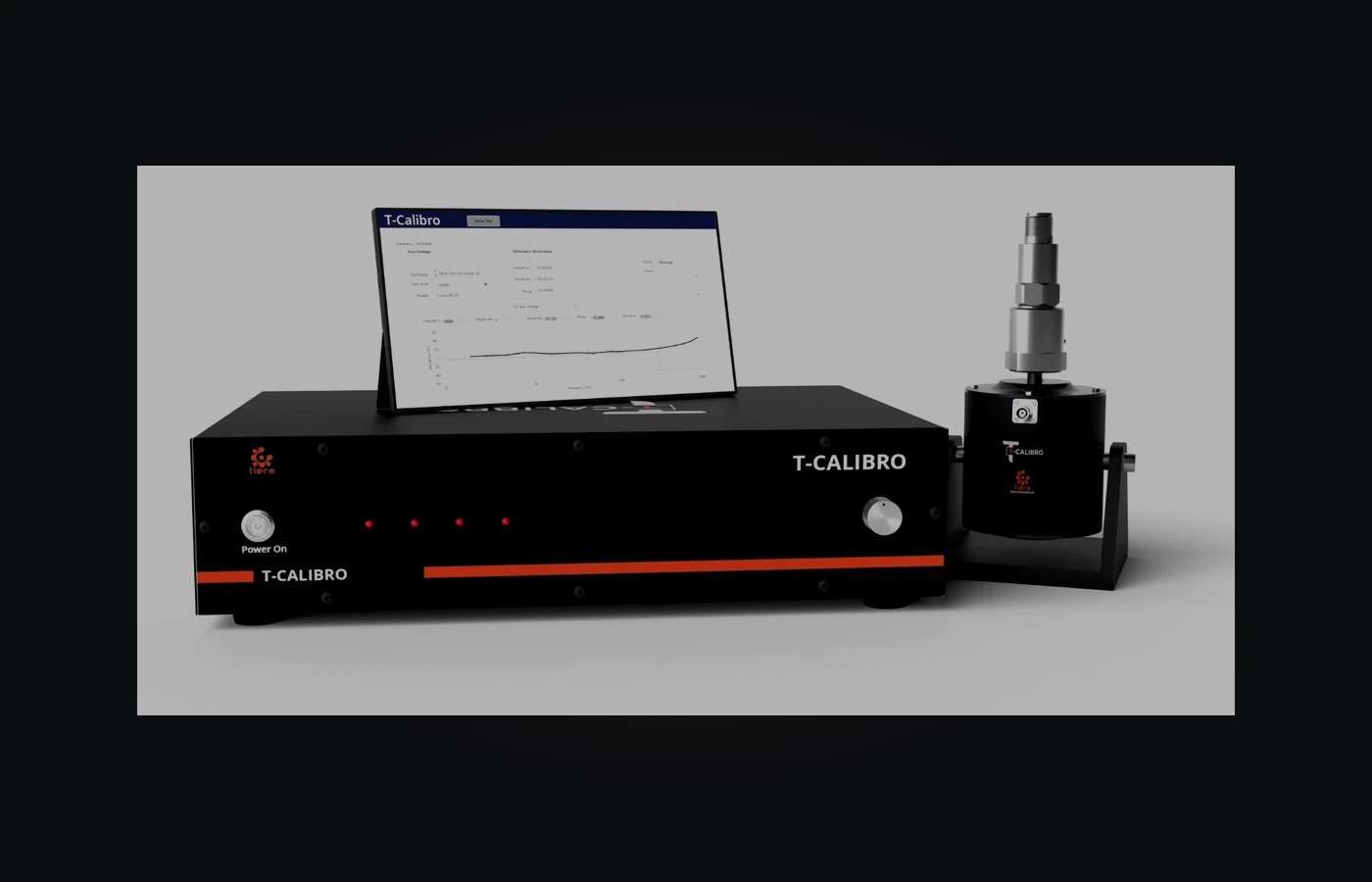
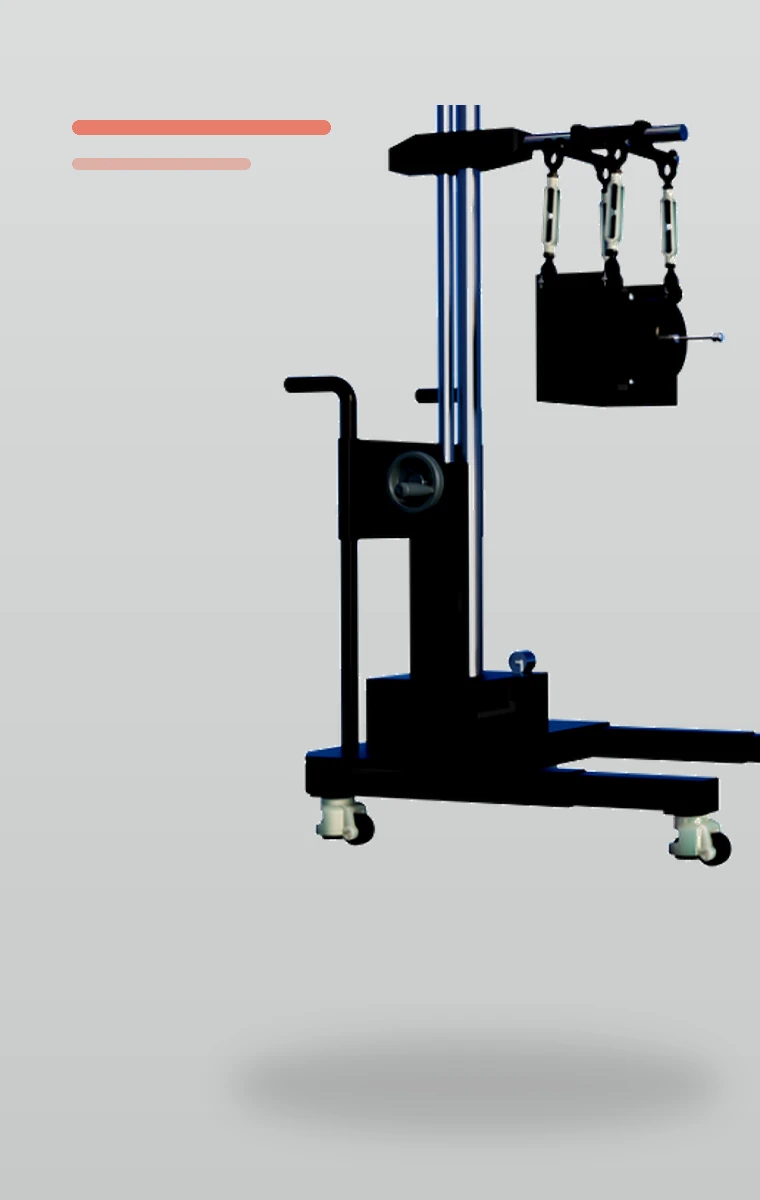
TMFSS — Machinery Fault Signature Simulator
The one purchase that changes a course. Induce a fault deliberately, at a chosen severity, and reproduce it for every cohort.
- Fault library
- 30+ faults in the base kit
- Expandable
- Gear, belt, resonance and cavitation kits
Training Kits
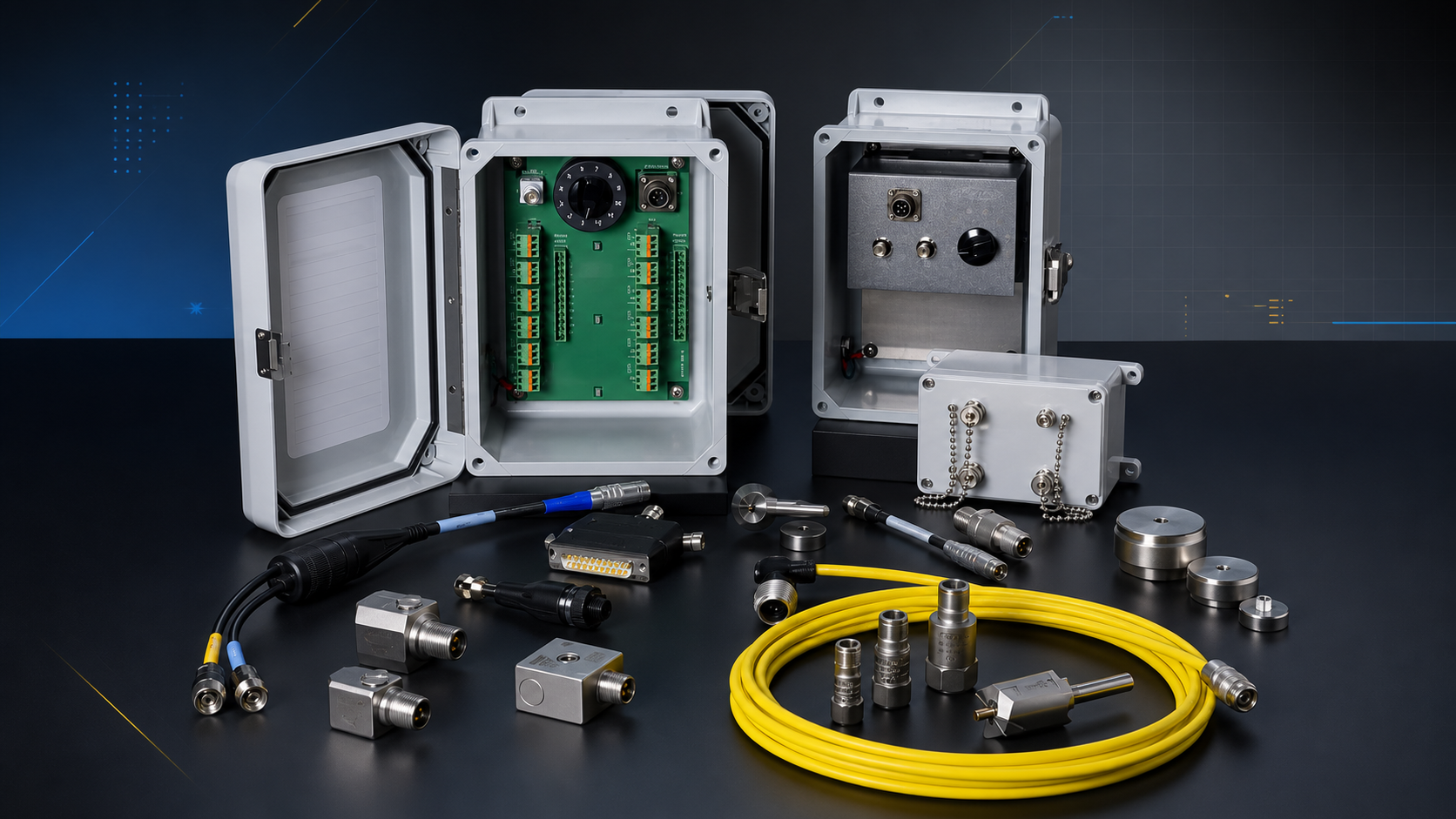
Sensor, mounting and cabling sets sized for small-group teaching rather than for a single technician.
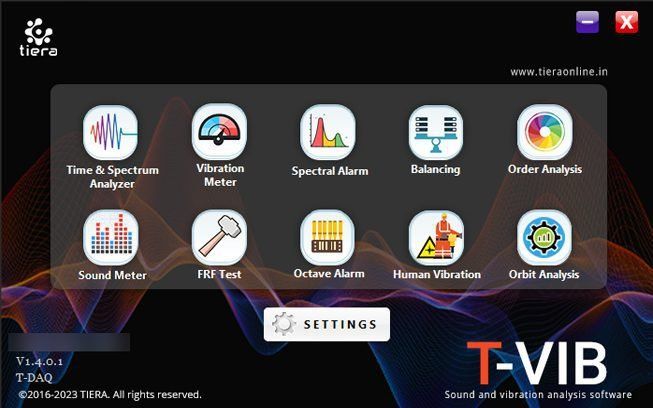
To-Learn Vibe — Vibration Simulation Training Software
For the theory half and for homework — after the rig, not instead of it.
From the TIERA store
The kit for this job
What we would actually put in front of someone doing the measurement this post describes — not the whole catalogue.
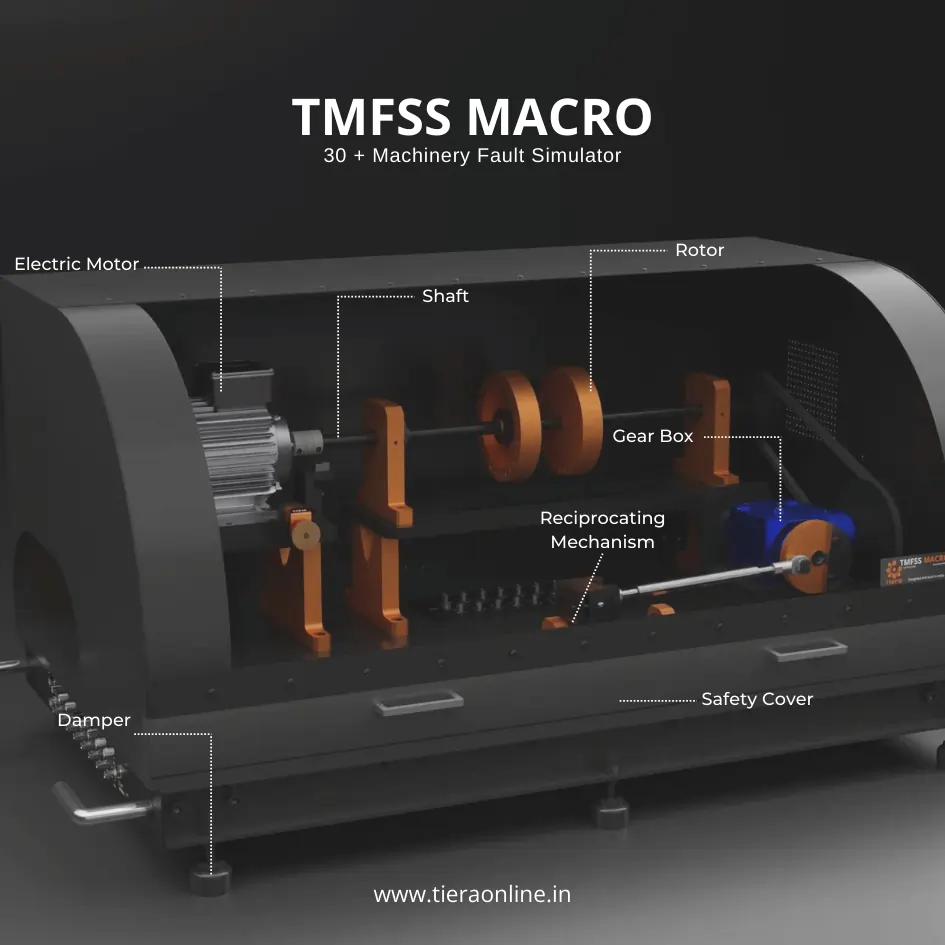 Machinery Fault Signature SimulatorTiera’s Machine Fault Simulator (TMFSS) is a valuable tool for industries and researchers, simulating over 30 real-world faults such as: Bearing faults: outer race defects, inner race defects, cage defects. Motor faults: stator faults, rotor faults, electrical unbalance. Gearbox faults: gear wear, misalignment, gear tooth damage. Etc..₹13,53,600View →
- Machinery Fault Signature Simulator | TMFSS MINIThe TMFSS Mini is Tiera’s compact yet powerful machinery fault simulator designed to provide hands-on learning and experimentation in fault diagnosis and vibration analysis. Ideal for educational institutions, research labs, and professionals, the TMFSS Mini enables users to simulate real-world machinery faults in a controlled environment.Request priceView →
- Training KitsCompact, classroom-friendly hardware bundles that pair with TCAT Cat I / Cat II syllabi — bearing-fault rigs, balancing benches, and structural-modal demonstrators. Designed to fit a 6-ft table.Request priceView →
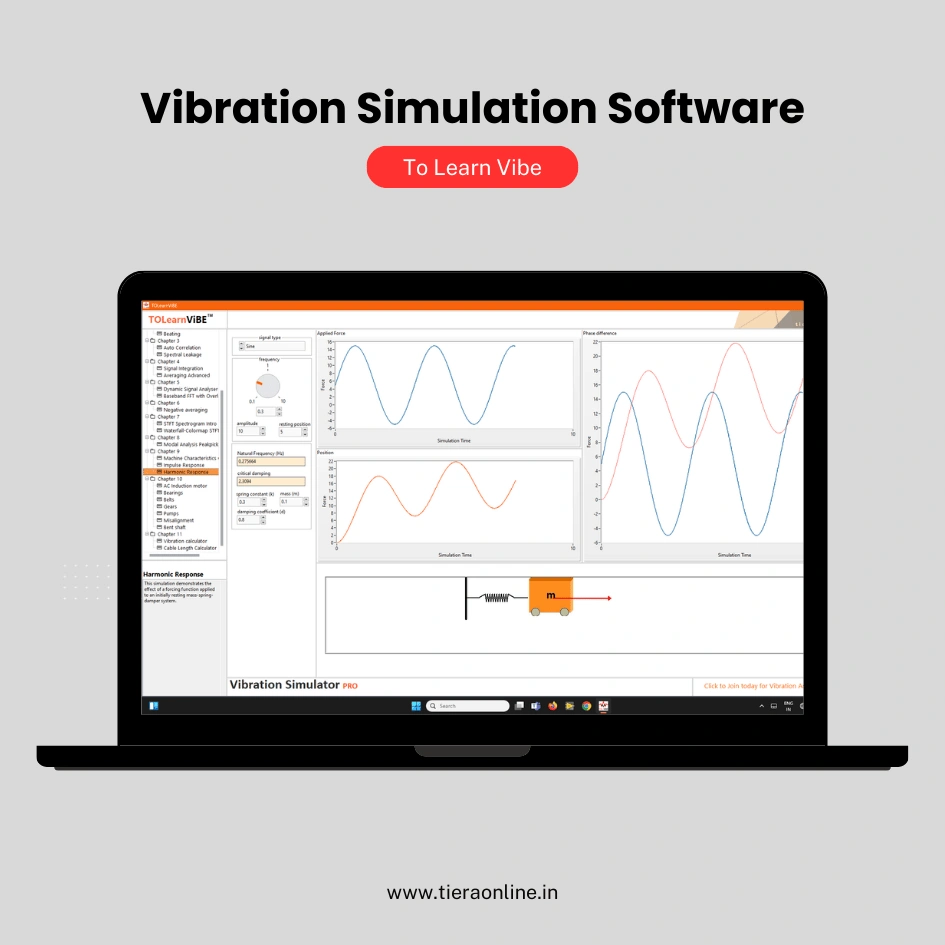 To Learn Vibe -Vibration Simulation Software Standard (Yearly Subscription)For comprehensive vibration analysis training, start with our To Learn Vibe software. Covering everything from basic to advanced vibration concepts, this software is designed to kickstart your career and enhance your expertise. Perfect for mastering fundamental and advanced vibration analysis, To Learn Vibe equips you with the knowledge and skills needed to excel in the field of vibration engineering.₹57,600View →
Use cases
Where this shows up in the field
Equip the cohort, not the photograph.
We have helped training institutes and in-plant L&D teams set these up, and the failure mode is always the same: budget spread thinly across equipment nobody uses, and no rig to make a fault happen on demand.
Tell us your cohort size and the categories you intend to run, and we will give you a first-year list and a second-year list rather than a catalogue.
- TMFSS Macro or Mini, sized to your room and cohort
- Training kits — sensors, mounts and cables for group work
- TCAT Cat I and Cat II course and exam routes
Where this sits on the TIERA learning ladder.
The theory behind this article is covered free, in full, by the TIERA 101 primers: Vibration 101 (Foundations), Machinery Fault Diagnosis 101. They are self-paced, interactive, and end in an exam and a certificate.
The free primers give a cohort common ground before the rig sessions start. The formal TCAT programme adds the assessed route and the judgement material the primers deliberately leave out.
TIERA 101 is a free introductory primer, not an accredited ISO certification, and its hours do not count towards the formal training ISO 18436 requires.