
TIERA Book demo ->
Sound & Vibration

Bearing & Gear Analysis 101

Catch a bad bearing months early — BPFO/BPFI/BSF/FTF, envelope demodulation, crest-factor early warning and gear mesh.

Bearings and gears are where condition monitoring earns its keep, because both give weeks or months of warning if you know how to listen. Bearing & Gear Analysis 101 teaches you to read that warning. You will learn the anatomy of a rolling-element bearing and the four defect frequencies it produces — BPFO, BPFI, BSF and FTF — how to calculate them from geometry and speed, and why a defect first shows up as tiny, repetitive impacts long before the overall level moves.

That is exactly where envelope demodulation shines, and this course shows how it lifts weak bearing impacts out of the noise floor when the raw spectrum still looks calm. You will use crest factor and kurtosis as early-warning flags, follow a defect through the four classic stages of bearing failure, and then turn to gearboxes — the gear-mesh frequency, the sidebands that reveal an eccentric or cracked tooth, and hunting-tooth patterns. Catch these early and you convert an unplanned breakdown into a scheduled repair, which is the entire point of the practice.

What you'll be able to do
  • Compute and recognise BPFO, BPFI, BSF and FTF
  • Use envelope demodulation to surface early defects
  • Read crest factor and kurtosis as early warnings
  • Track a defect through the four bearing-failure stages
  • Diagnose gear-mesh frequency and its sidebands
Curriculum
  1. 01 Rolling-element bearing anatomy and defect frequencies
  2. 02 Calculating BPFO, BPFI, BSF and FTF
  3. 03 Envelope demodulation — why it beats the raw spectrum
  4. 04 Crest factor and kurtosis as early-warning indicators
  5. 05 The four stages of bearing failure
  6. 06 Gear mesh frequency, sidebands and hunting-tooth defects
Go deeper

Written for this course's subject, free to read, and none of it behind a form. Each one goes further than a primer can.

Where this work is done

The jobs this subject belongs to. Useful if you are working out whether the course matches what your team actually does, or what the role looks like on the other side of it.

What the measurements are taken with

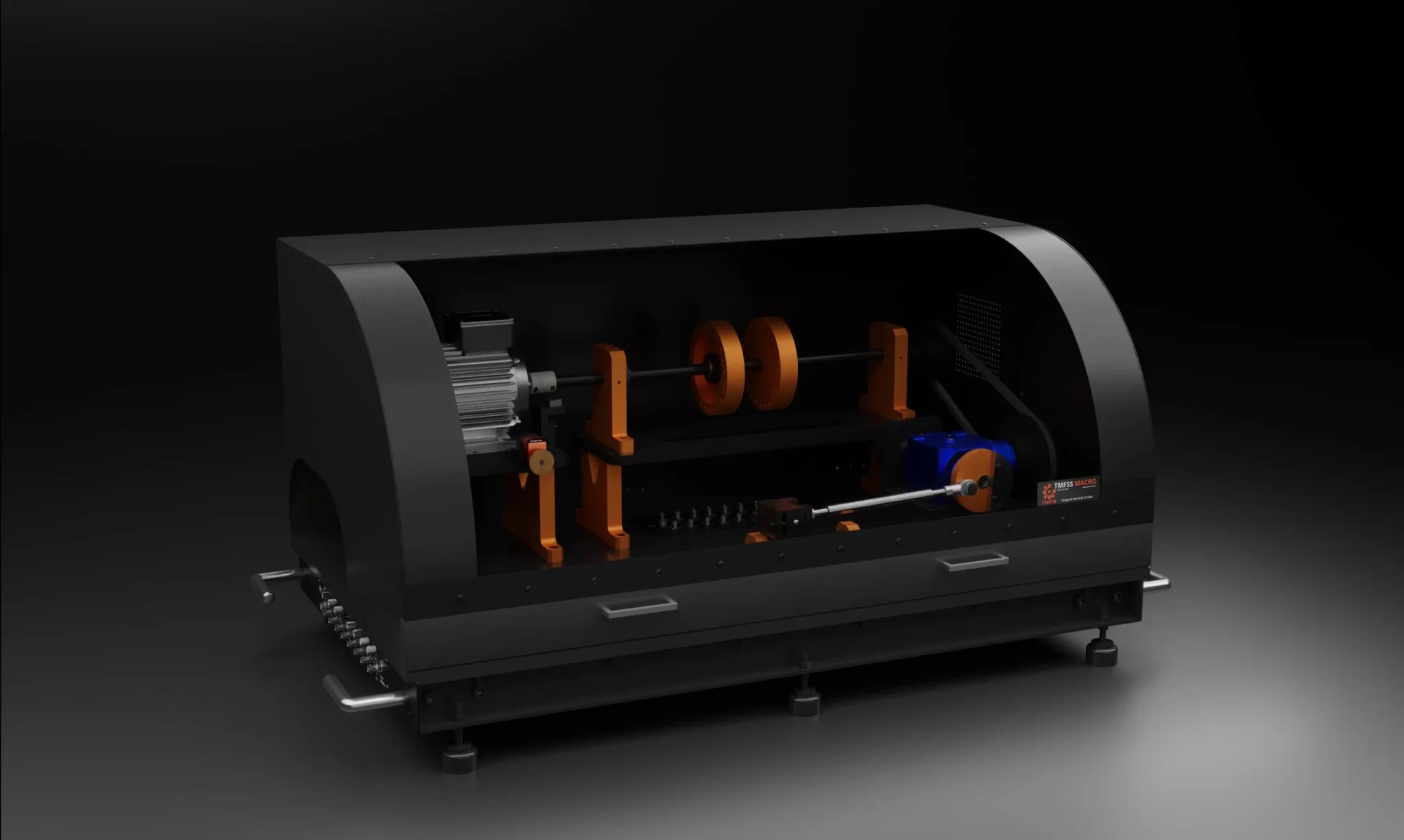
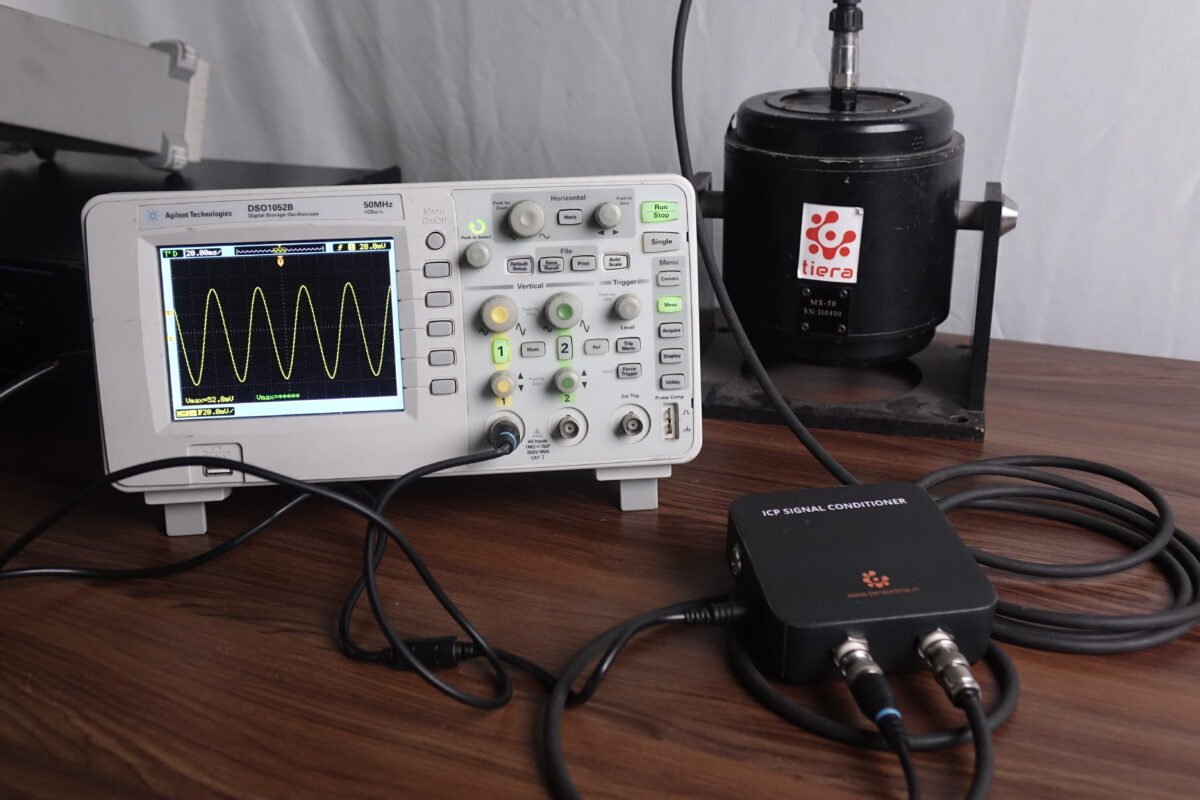
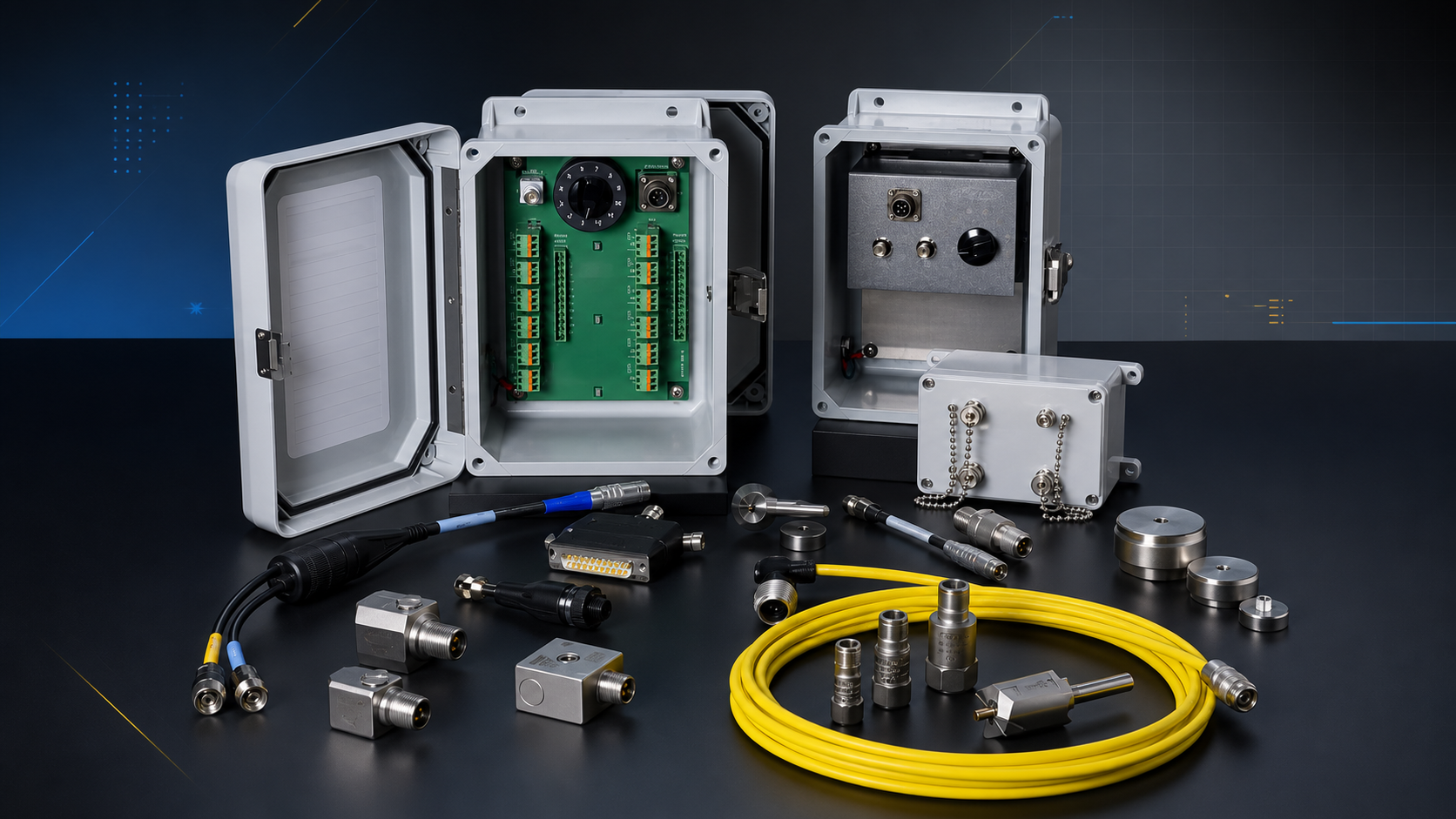
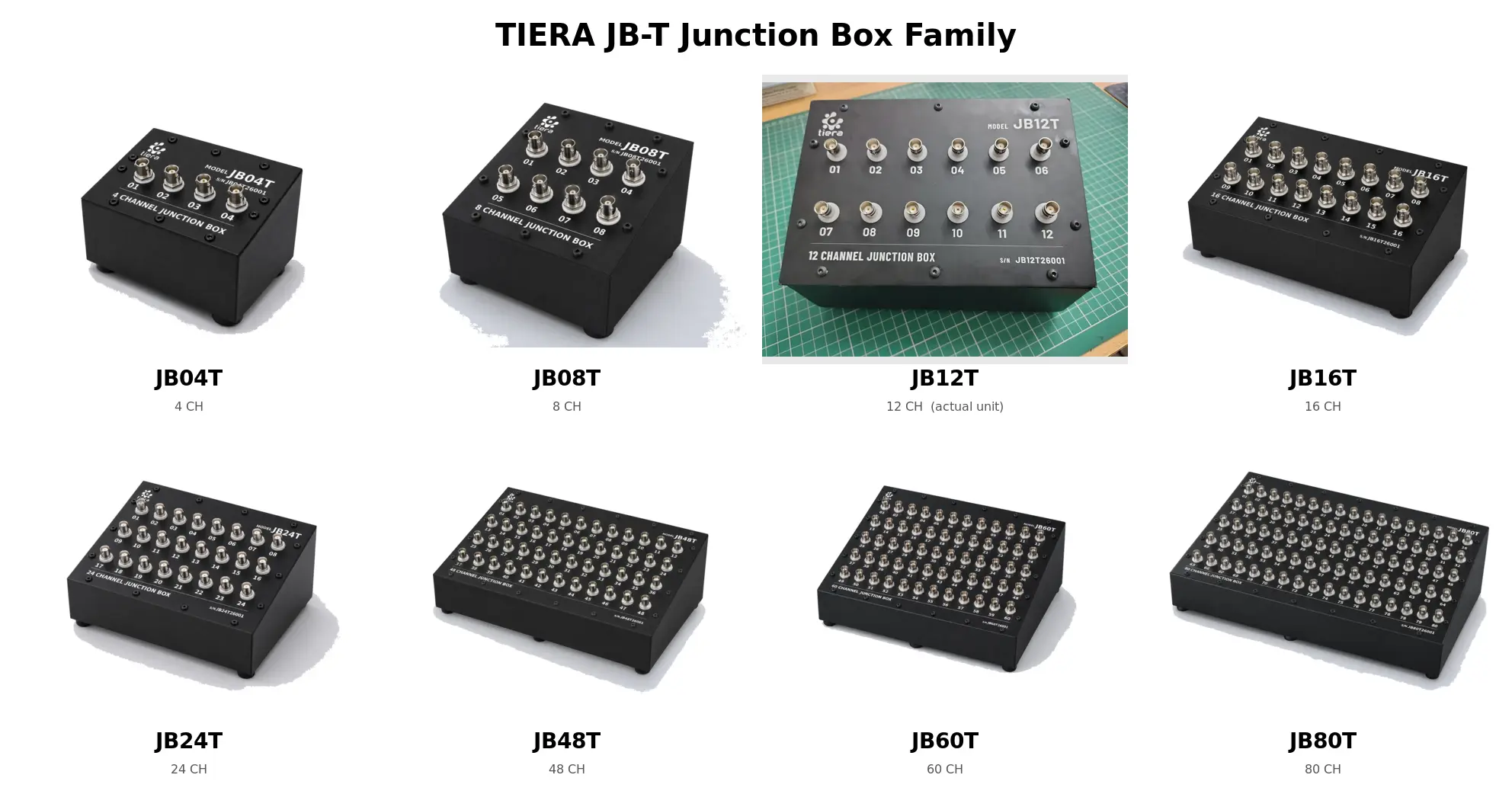
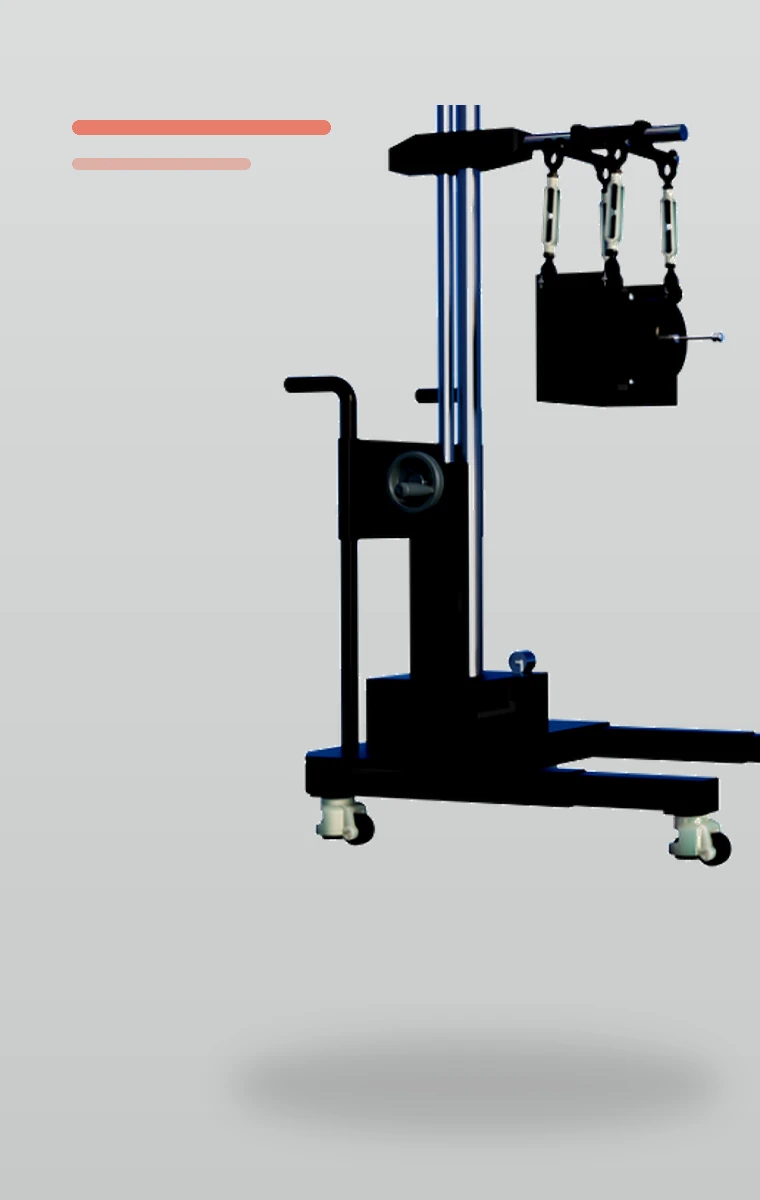
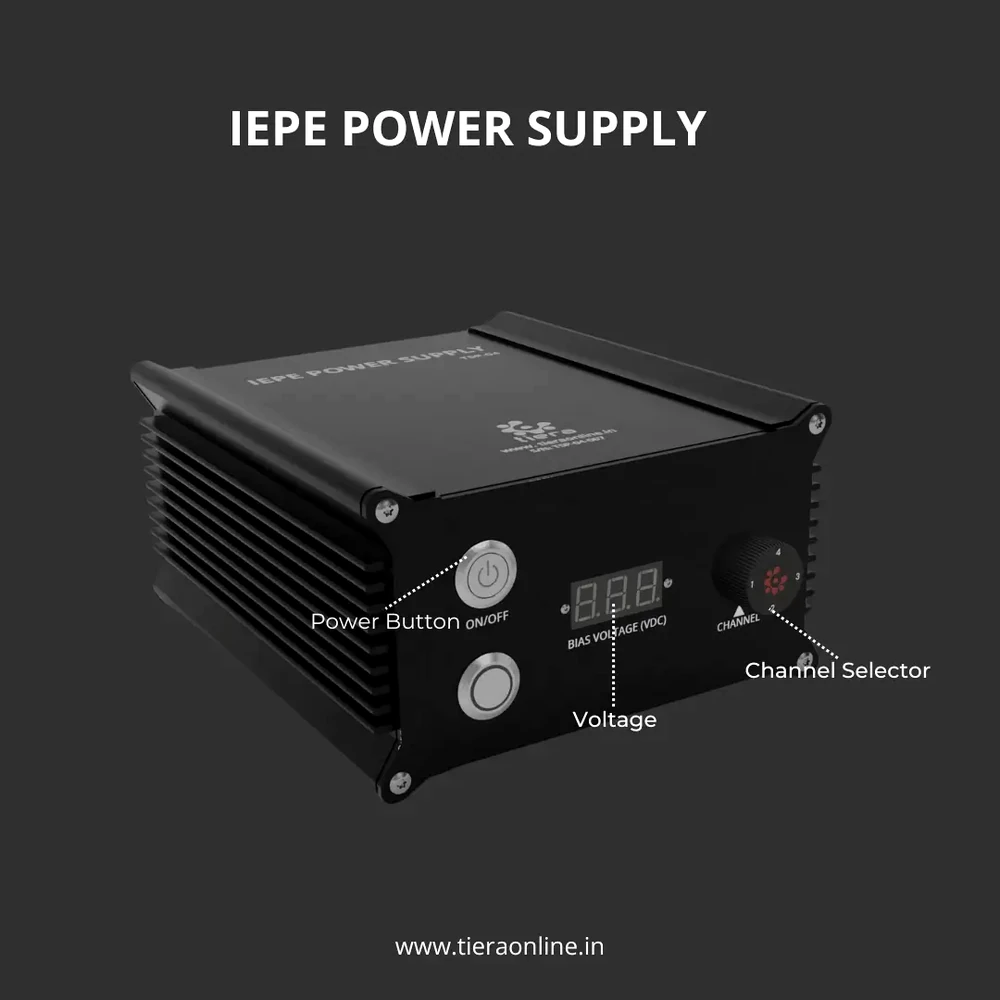
The instruments and rigs this subject is measured on, in case you want to see the hardware behind the worked examples. Nothing here is required to take the course — it is free and self-contained.

Book demo WhatsApp Call