
TIERA Book demo ->
Sound & Vibration

Acoustics & Noise 101

Measure, diagnose and cut noise — decibels and dB(A), octave bands, fan blade-pass and absorption.

Vibration you feel; noise you hear — and often they are the same problem viewed through different sensors. Acoustics & Noise 101 gives you the vocabulary and the measurements to take on noise properly. You will learn what a decibel really is and why the scale is logarithmic, how A-weighting approximates the ear so a dB(A) figure means something for hearing and compliance, and how octave and one-third-octave bands summarise a sound into a shape you can act on.

From there the course moves to diagnosis and control. You will learn to recognise tonal sources such as fan and pump blade-pass frequencies, which tie a noise back to a specific rotating part, and to measure how well a material absorbs sound using an impedance tube. The closing framework is the one every noise problem reduces to: source, path and receiver — quiet the source, break the path, or protect the receiver. With these tools a vague “it’s too loud” becomes a measured, ranked list of what to fix first.

What you'll be able to do
  • Use decibels, the dB scale and A-weighting correctly
  • Read octave and one-third-octave band spectra
  • Identify fan and pump blade-pass tones
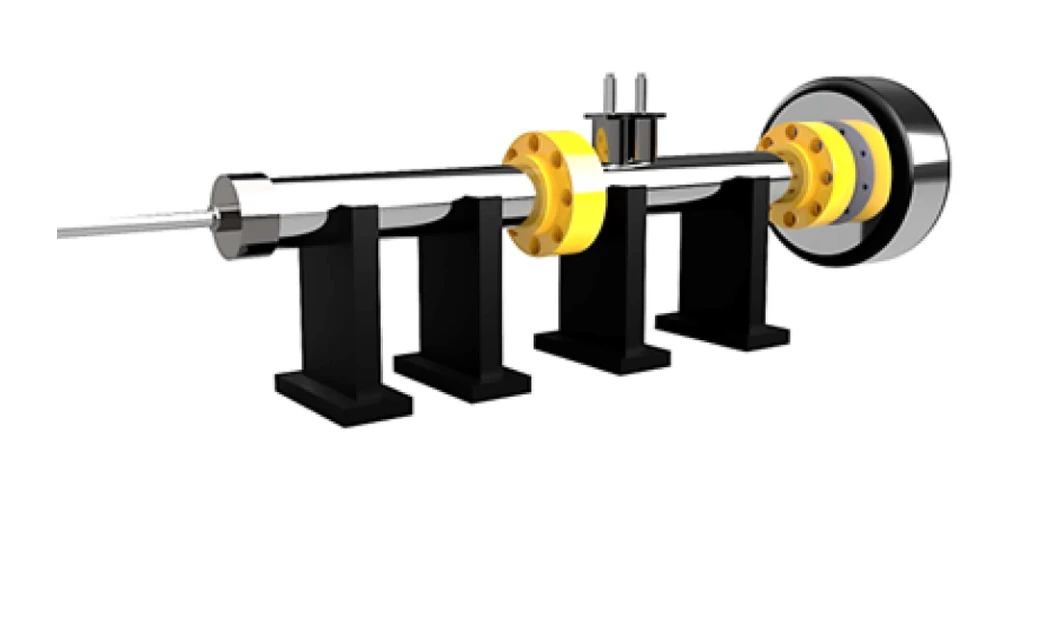
  • Measure absorption with an impedance tube
  • Apply source–path–receiver noise control
Curriculum
  1. 01 Sound basics — pressure, level and the decibel
  2. 02 Weightings — dB(A), dB(C) and why they exist
  3. 03 Octave and one-third-octave band analysis
  4. 04 Tonal sources — fan and pump blade-pass frequencies
  5. 05 Sound absorption and the impedance tube
  6. 06 Noise control — source, path and receiver
Go deeper

Written for this course's subject, free to read, and none of it behind a form. Each one goes further than a primer can.

Where this work is done

The jobs this subject belongs to. Useful if you are working out whether the course matches what your team actually does, or what the role looks like on the other side of it.

What the measurements are taken with

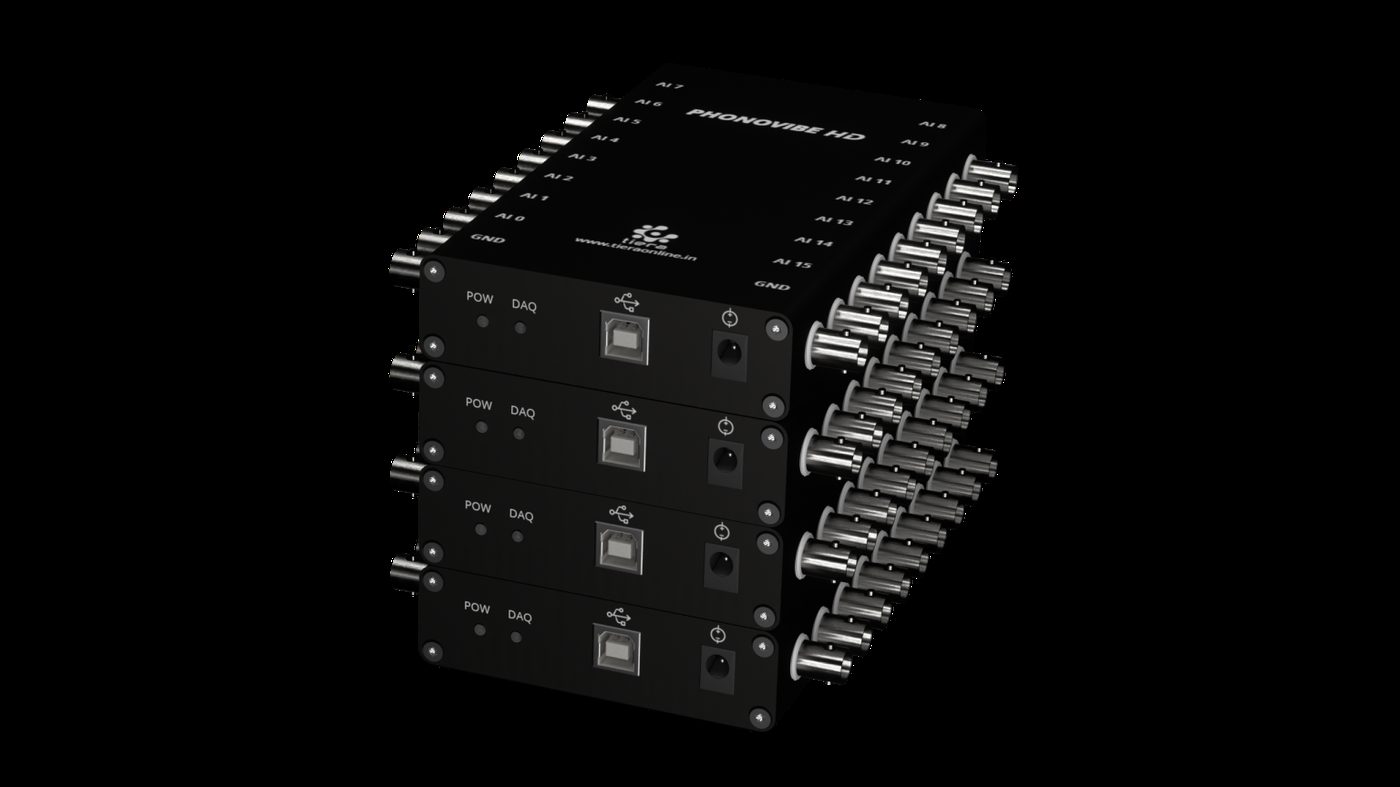
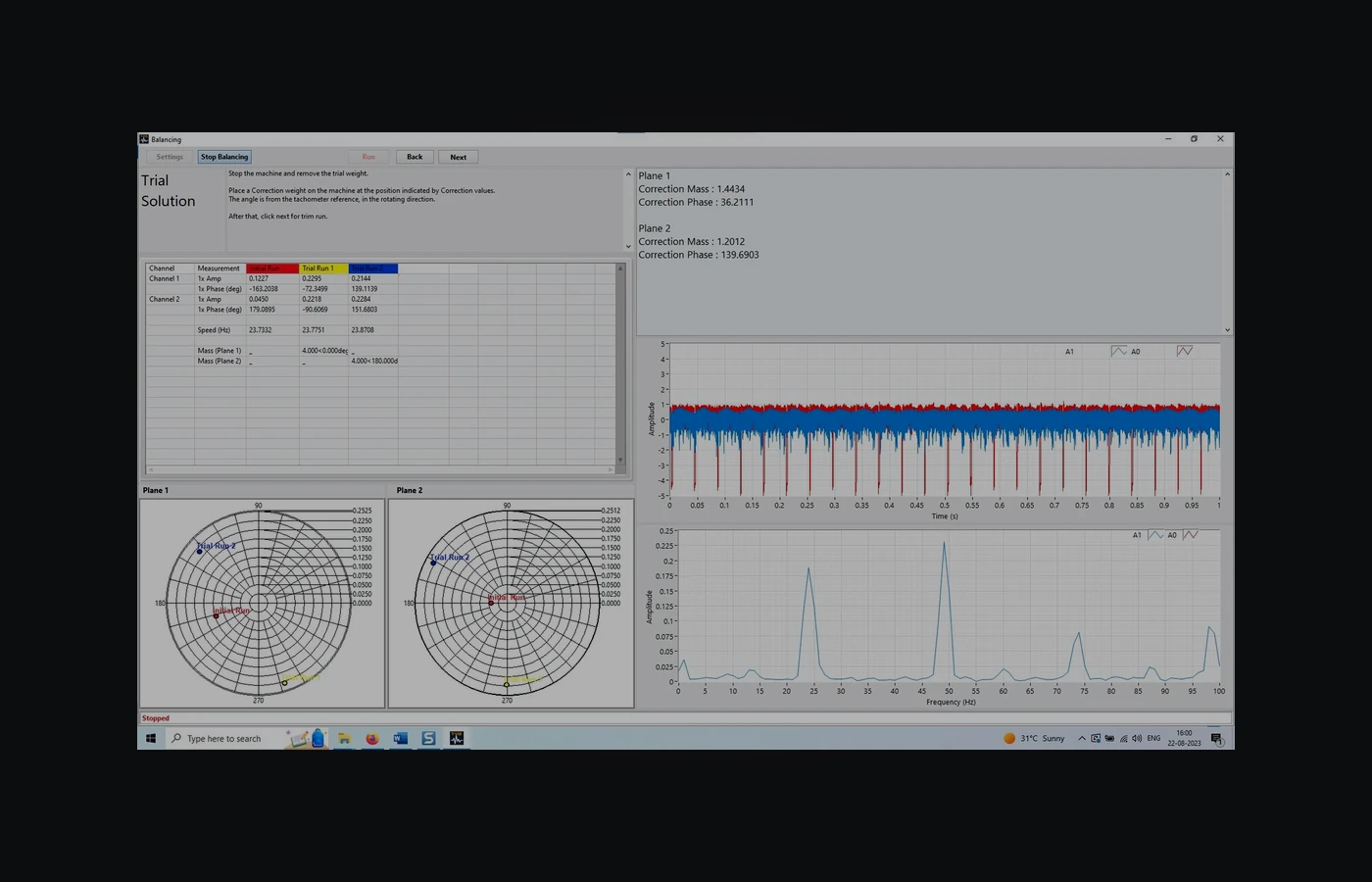
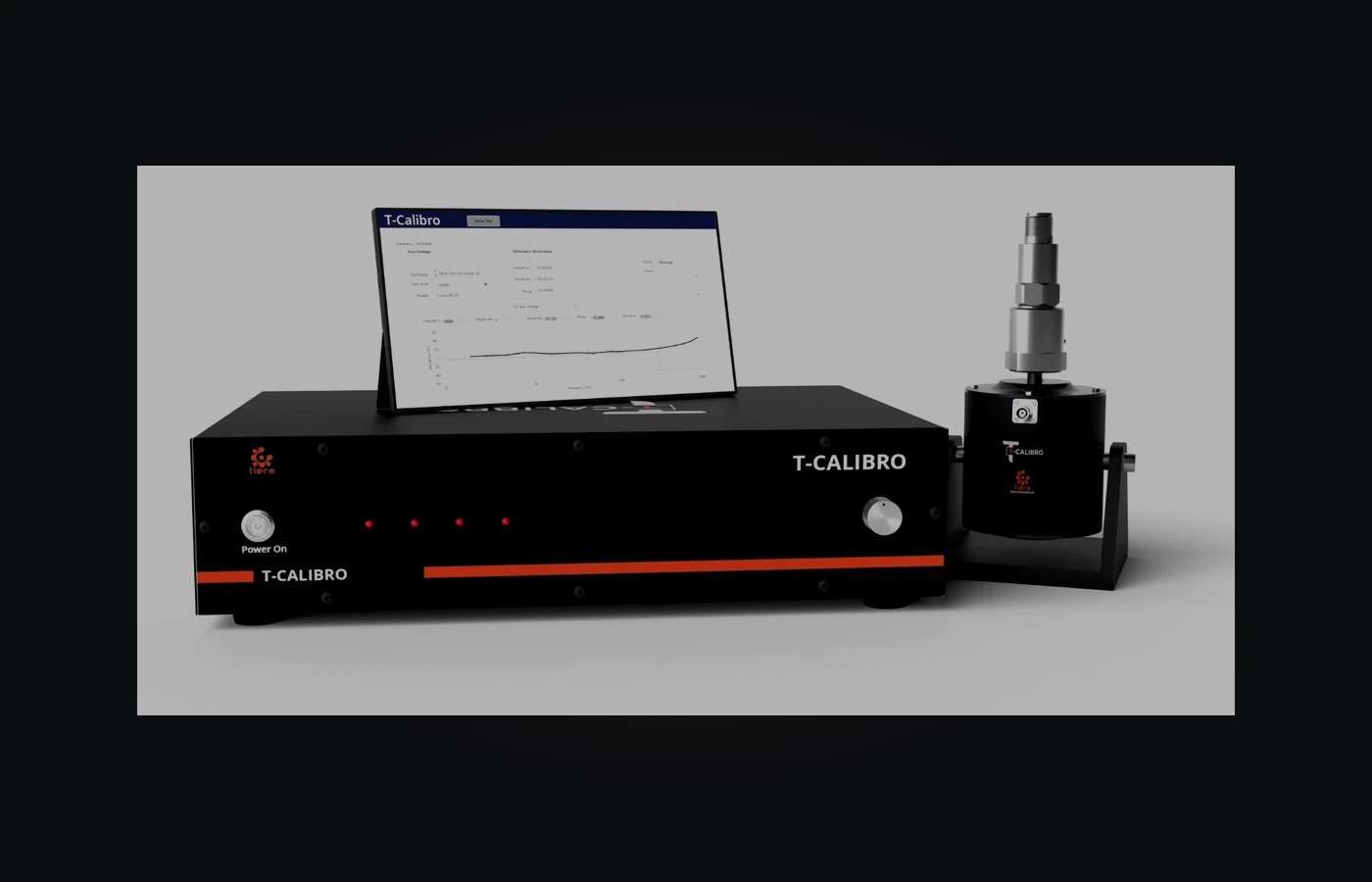
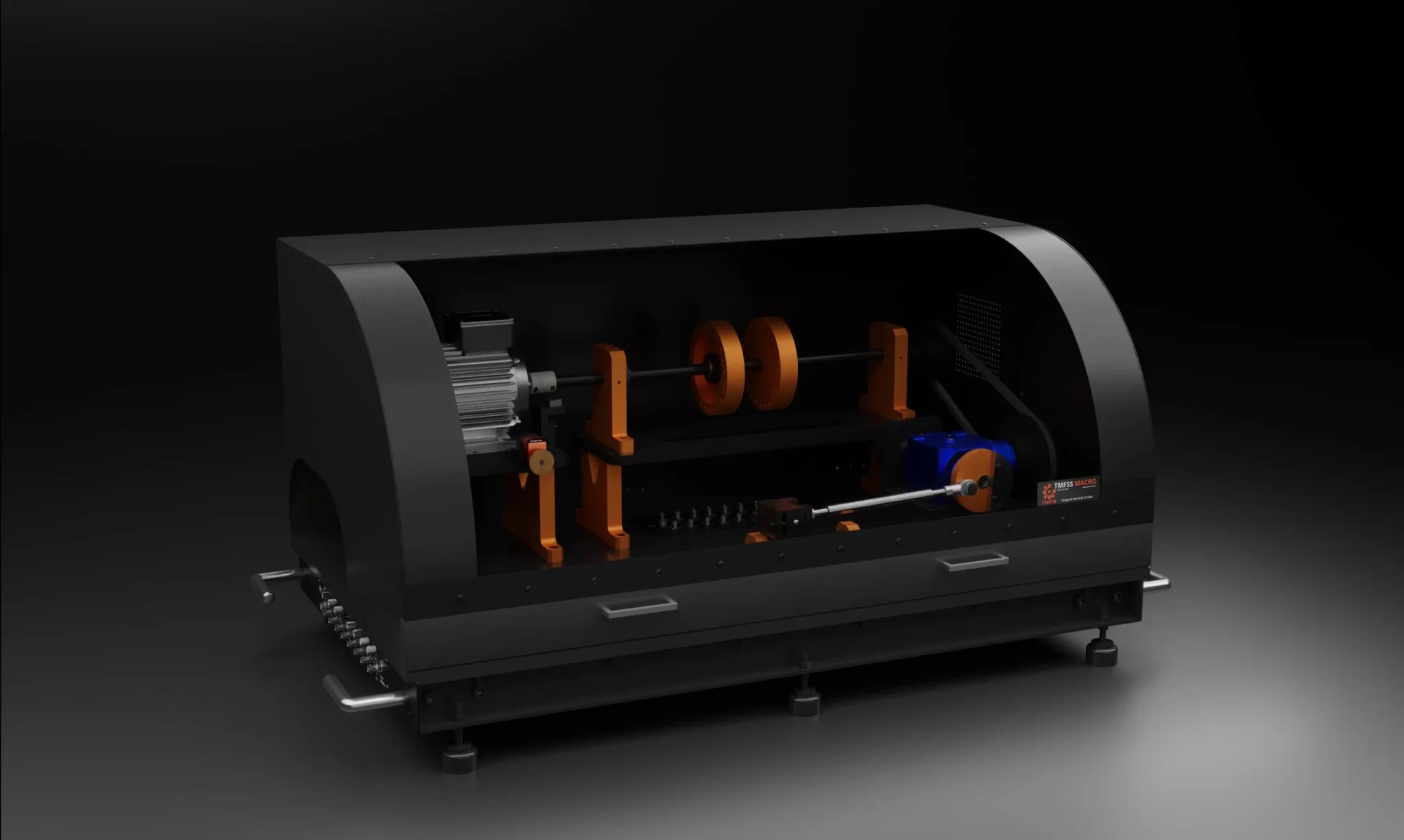
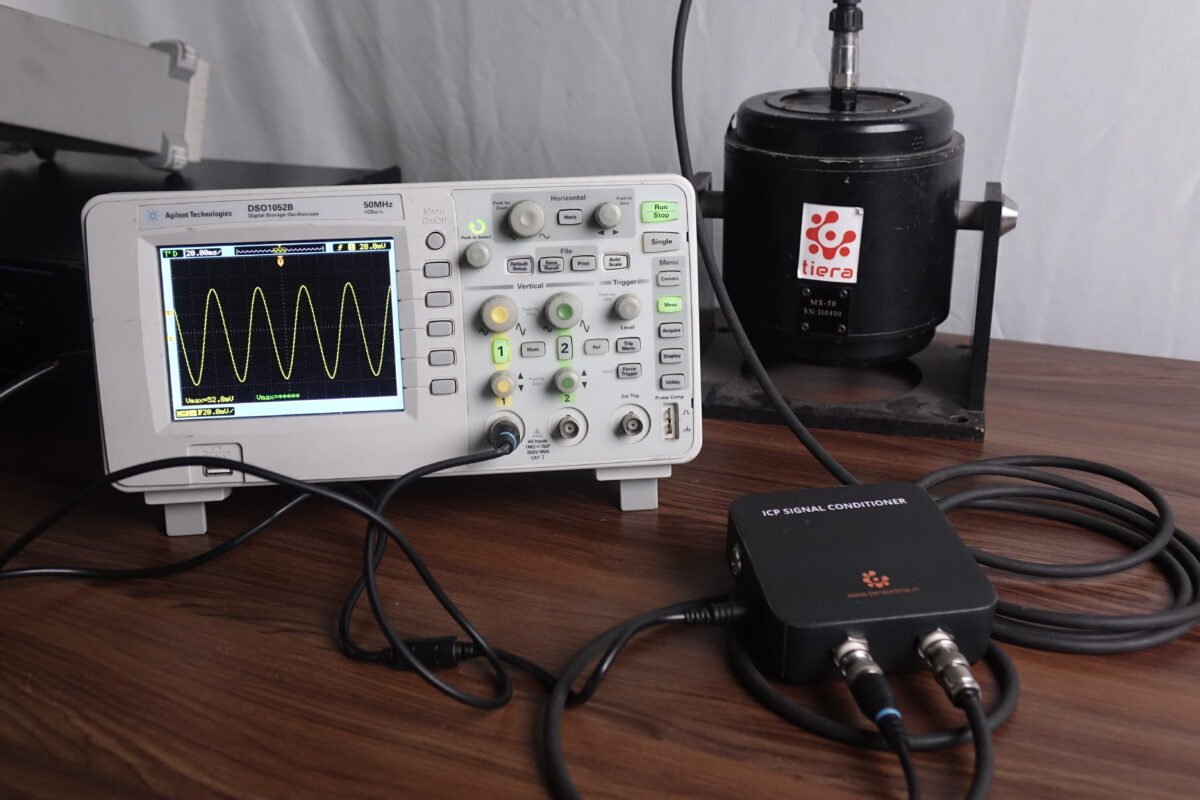
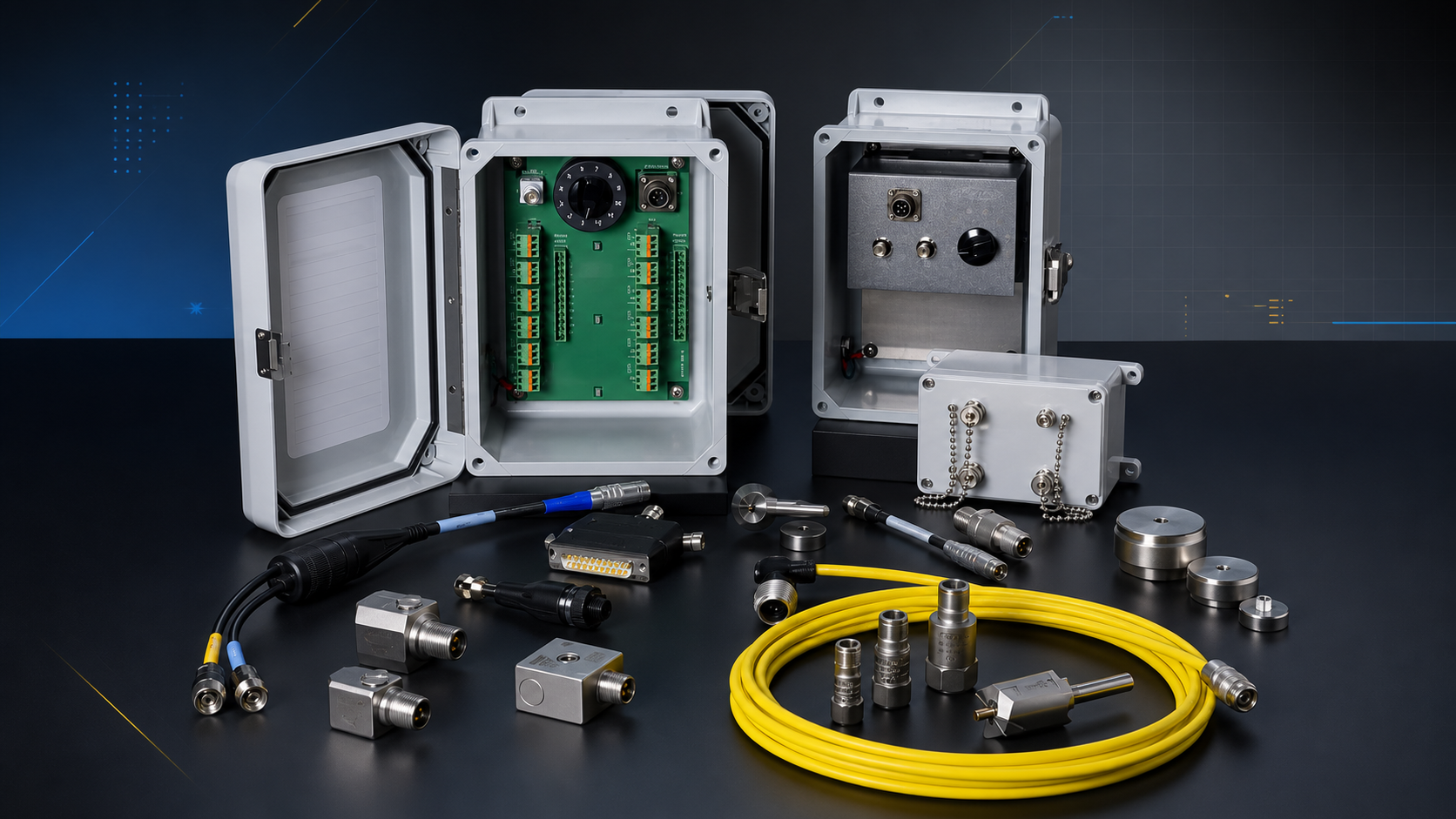
The instruments and rigs this subject is measured on, in case you want to see the hardware behind the worked examples. Nothing here is required to take the course — it is free and self-contained.

Book demo WhatsApp Call