

TIERA Book demo ->
Sound & Vibration

Balancing & Alignment 101

Fix the two most common faults — 1× unbalance and 2× misalignment — with phase, trial weights and alignment.

Unbalance and misalignment cause the majority of rotating-machine vibration, and the good news is that both are correctable on site once you understand them. Balancing & Alignment 101 takes you from spotting these faults to fixing them. On the balancing side you will confirm unbalance from its clean 1× peak and steady phase, then learn single-plane correction with trial weights and influence coefficients — the practical procedure a technician uses with a portable analyzer — and when a job needs two planes.

On the alignment side you will learn to separate parallel from angular misalignment, understand how the coupling type shapes the signature, and check for soft foot and base distortion before touching the feet, because aligning on a rocking machine only chases your tail. Crucially, the course teaches sequencing: you align first and balance second, because a misaligned machine cannot be balanced meaningfully. By the end you will be able to take a diagnosis and turn it into a corrective action with a measurable before-and-after.

What you'll be able to do
  • Diagnose 1× unbalance and confirm it with phase
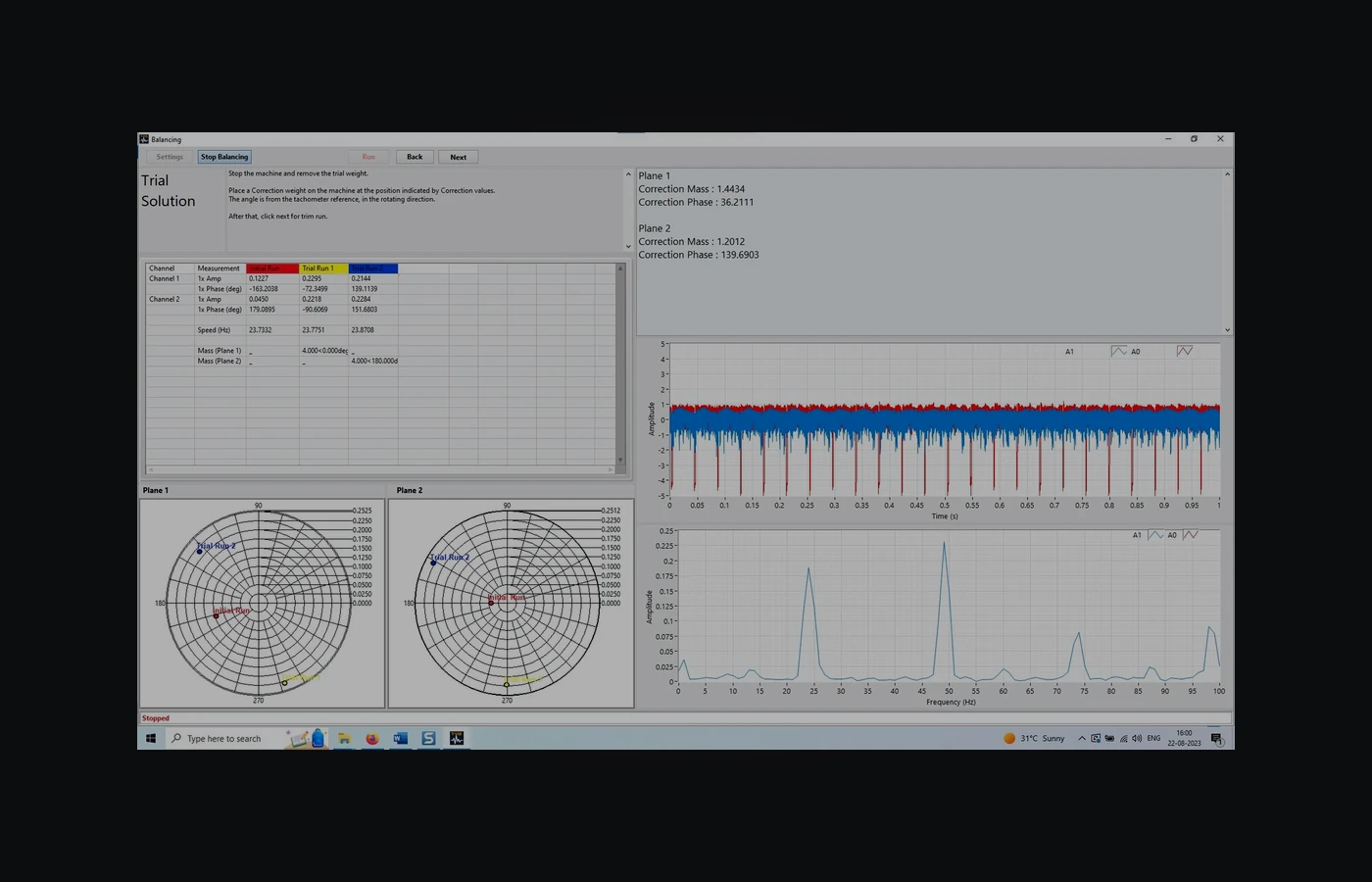
  • Correct unbalance using trial weights and the influence method
  • Tell parallel from angular misalignment
  • Check for soft foot before aligning
  • Know why you align first, then balance
Curriculum
  1. 01 Unbalance revisited — the 1× signature and steady phase
  2. 02 Single-plane balancing with trial weights and influence coefficients
  3. 03 When two-plane balancing is needed
  4. 04 Misalignment — parallel vs angular and the coupling's role
  5. 05 Soft foot and base checks before alignment
  6. 06 Align first, then balance — sequencing the repair
Go deeper

Written for this course's subject, free to read, and none of it behind a form. Each one goes further than a primer can.

Where this work is done

The jobs this subject belongs to. Useful if you are working out whether the course matches what your team actually does, or what the role looks like on the other side of it.

What the measurements are taken with

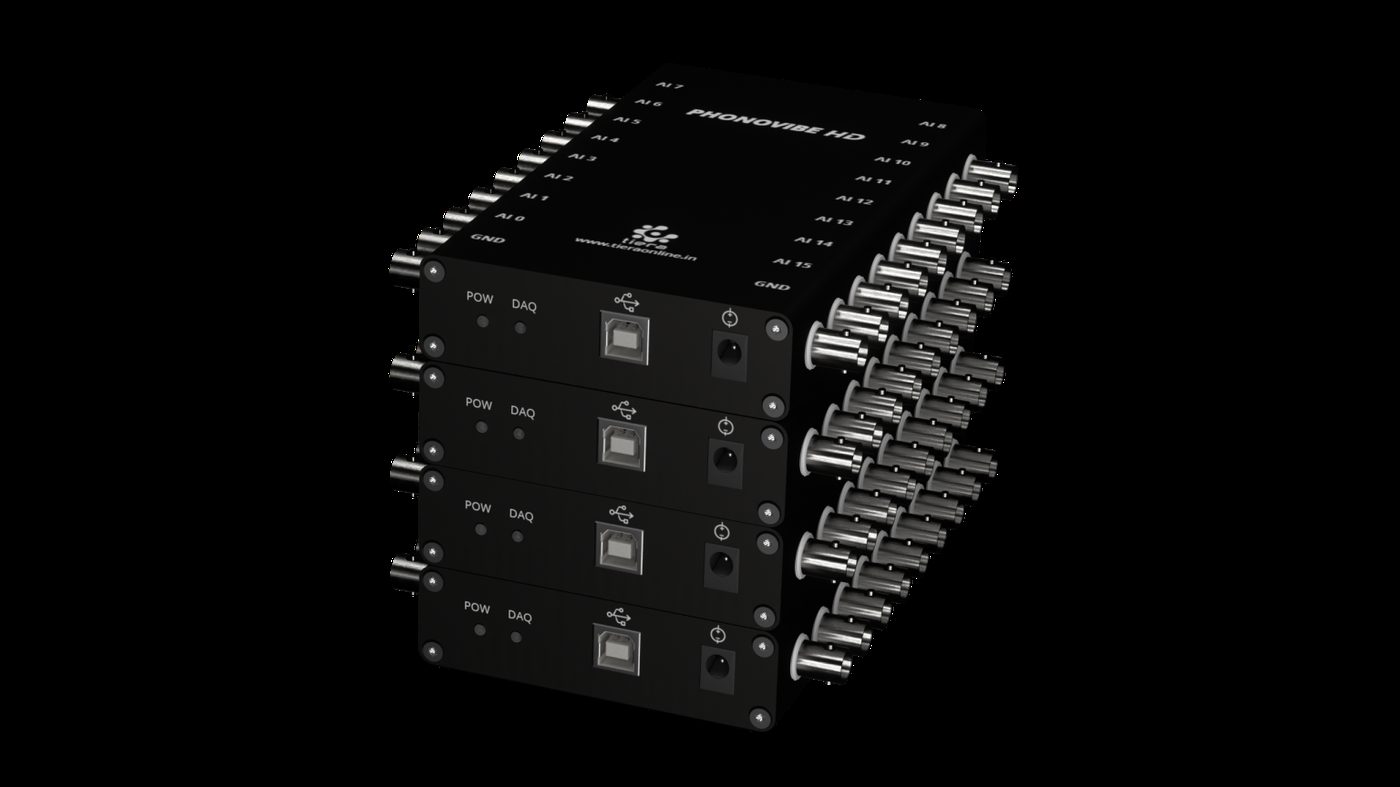
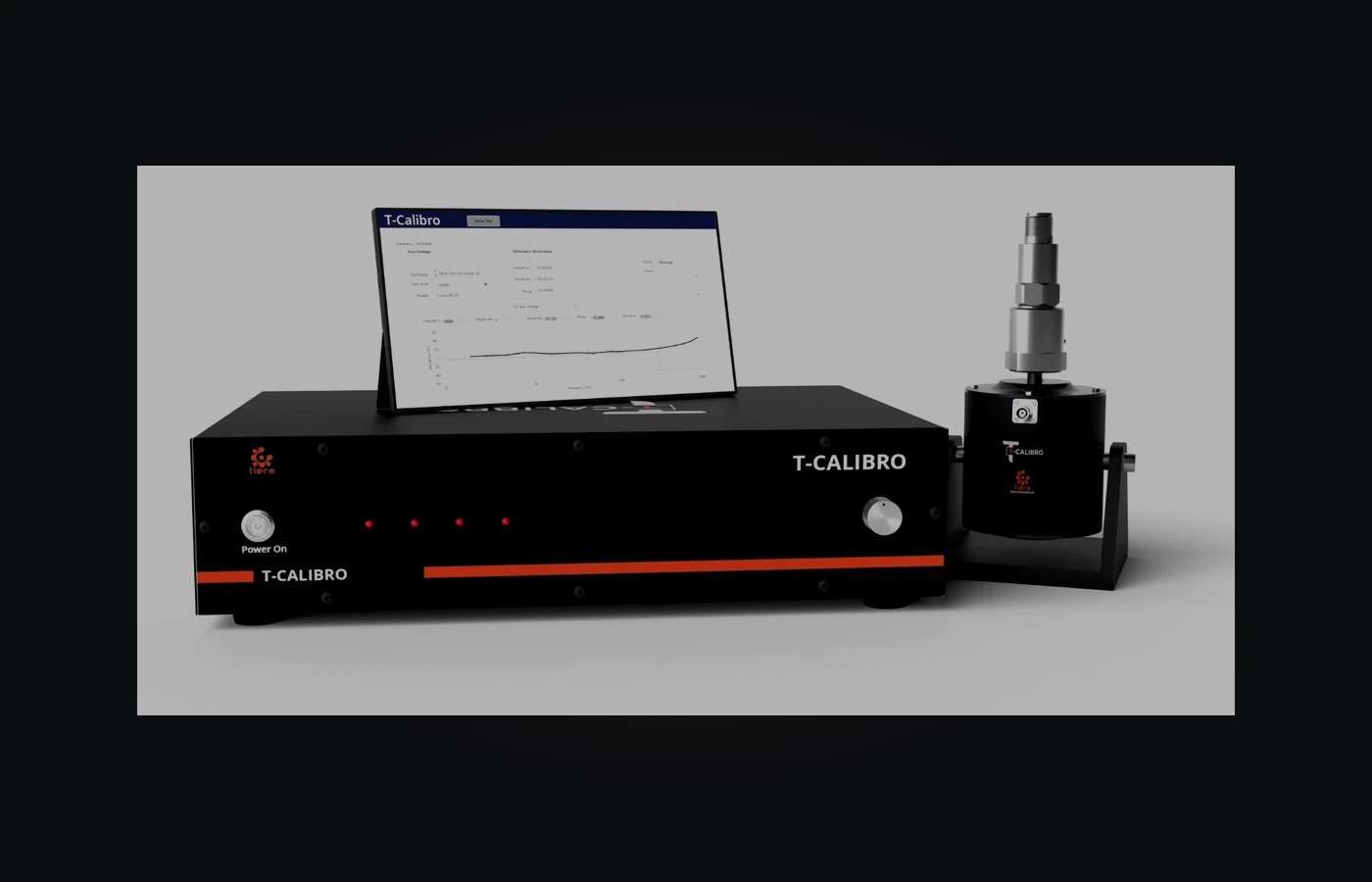
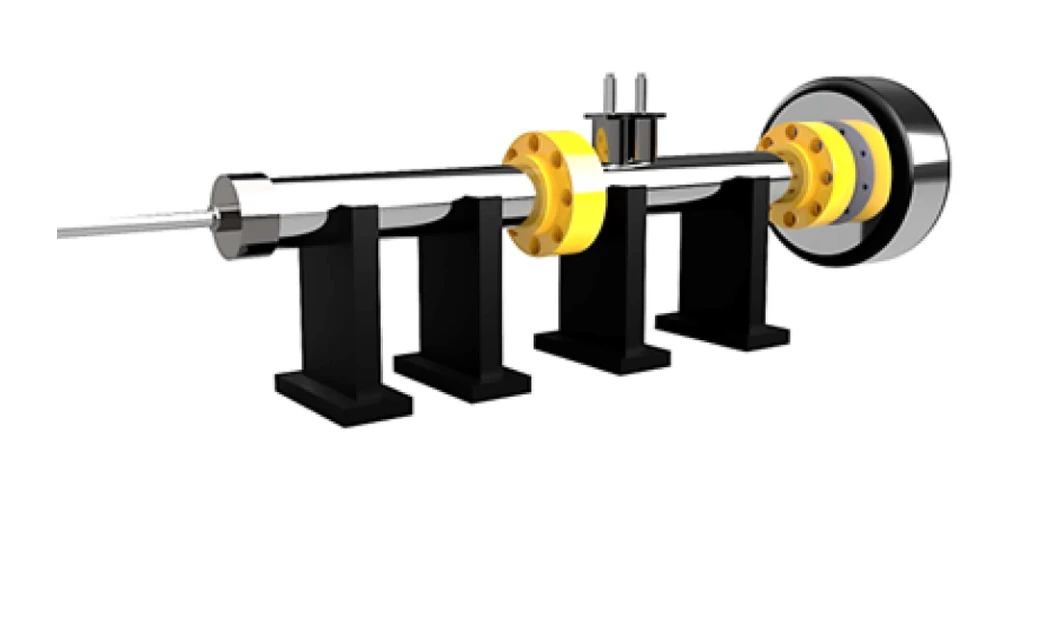
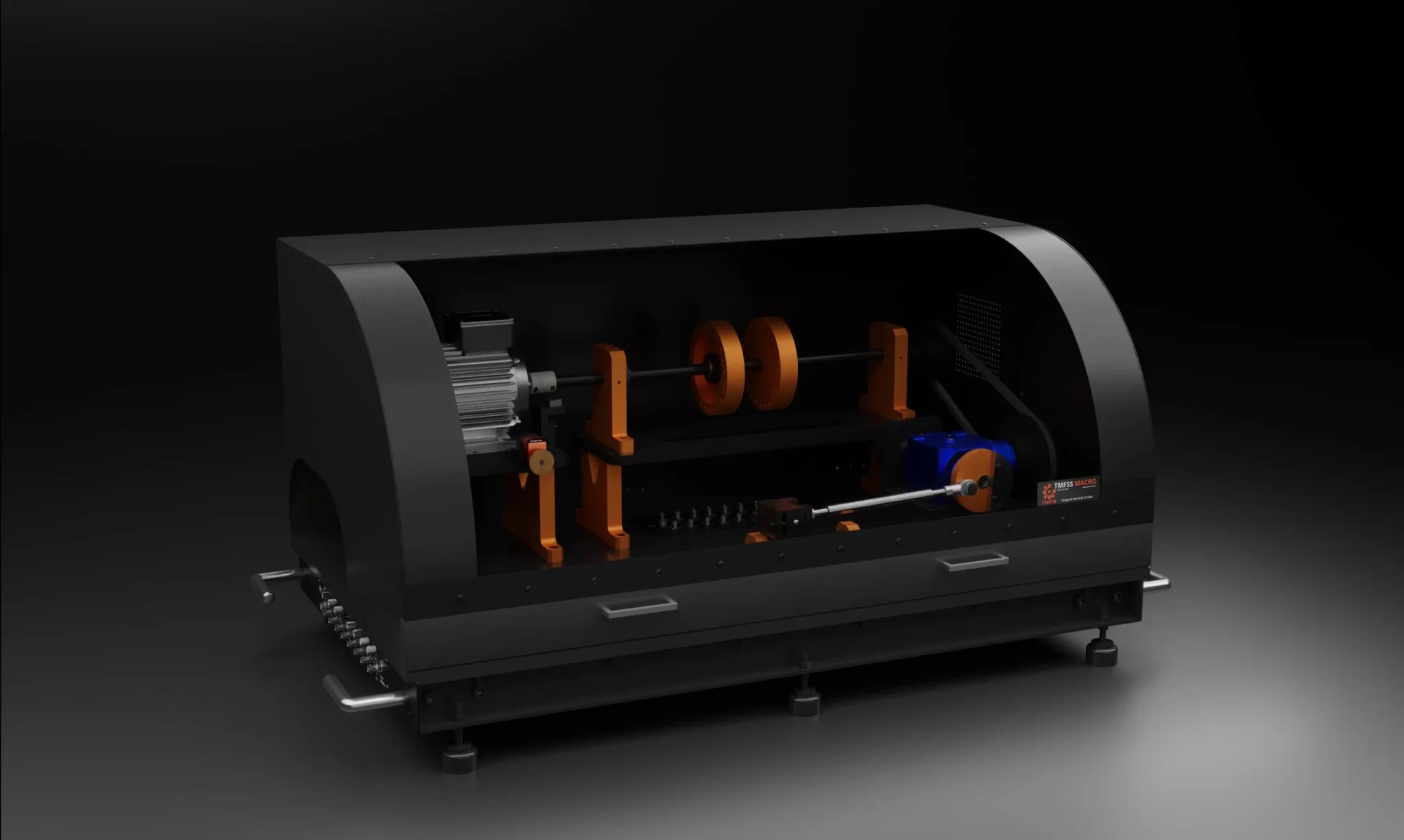
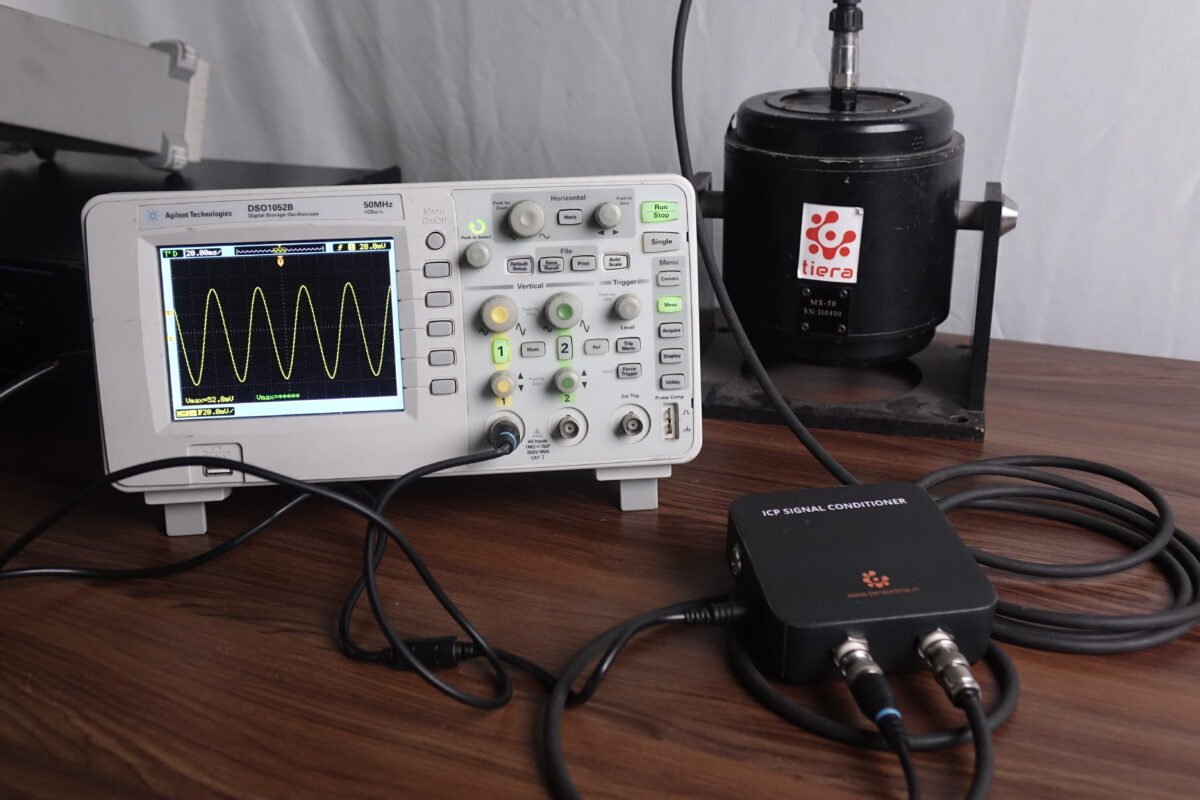
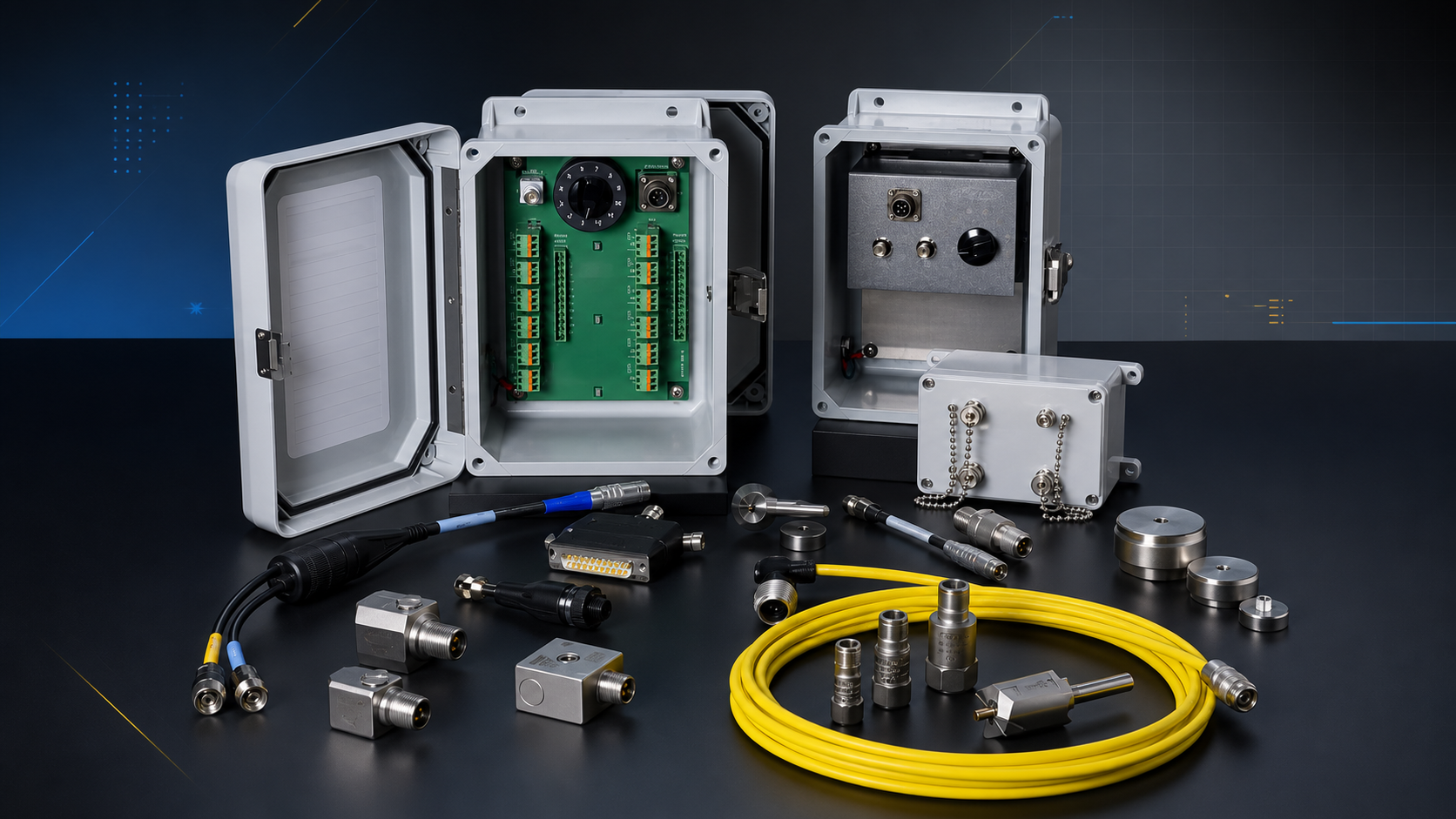
The instruments and rigs this subject is measured on, in case you want to see the hardware behind the worked examples. Nothing here is required to take the course — it is free and self-contained.

Book demo WhatsApp Call