
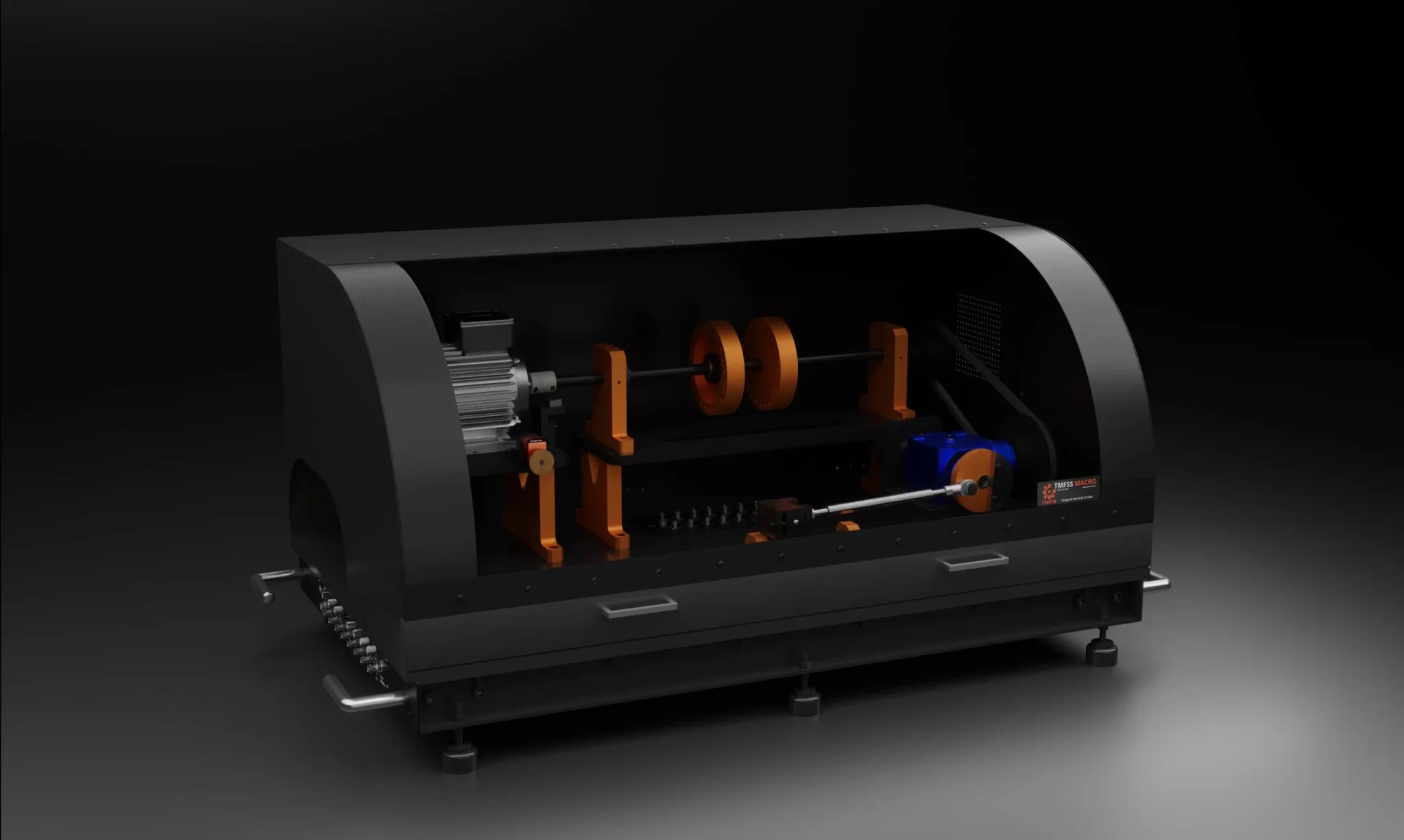
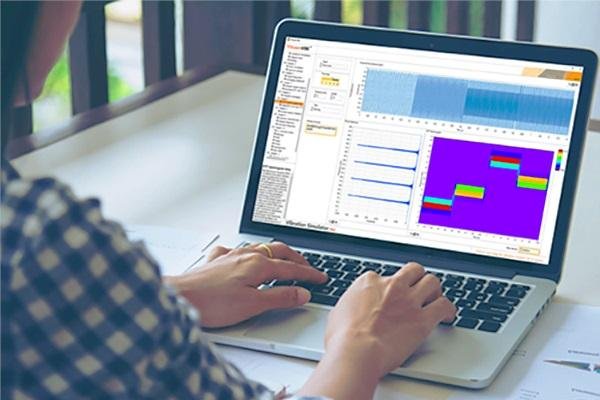
Learn and understand the fundamentals behind industrial vibration testing in this ISO 18436-2 compliant, hands-on Category I program. It is an affordable, in-depth vibration training course suited to both industry and academia: you learn at your own pace and practise using the TOLearnVibe vibration simulator, which you download from the course site.
The course is organised into two modules — Vibration Fundamentals and Measuring Vibration — spanning the time waveform, sensing vibration, the relationship between time waveform and spectrum, overall level readings and an introduction to vibration analysis, followed by transducer basics, routine data collection and maintenance practices. Each topic is reinforced with quizzes and supplementary self-study, including an “Equipment Knowledge” section on how machines work.
By the end you will understand condition-monitoring technologies (acoustic emission, thermography, oil and wear-particle analysis, motor testing), know how to collect good repeatable measurements and set alarm limits, grasp what the Fmax, resolution and averaging settings mean, and be able to analyse spectra to diagnose unbalance, misalignment, looseness, rolling-element bearing faults and resonance.
Path to certification
The course concludes with a completion certificate, verifiable online via the TIERA credential management site. ISO 18436-2 Category I certification itself is awarded through a separate proctored online exam — a two-hour paper with a 75% cut-off — and requires six months of verifiable experience. To begin the certification process, contact info@tieraonline.in.