Published · Updated
Wireless Sensor Validation Lab
A reference workflow for validating wireless accelerometers against wired sensors, calibration systems, and repeatable machinery faults.
Wireless sensors still need wired truth
Wireless accelerometers are attractive because they reduce cabling, installation time, and route complexity. But before a wireless sensor can be sold into reliability programs, it needs evidence: amplitude accuracy, phase behaviour, bandwidth, noise floor, latency, and fault-detection performance.
The cleanest validation method is to compare the wireless device against a wired reference sensor and a stable DAQ chain under the same vibration input.
Characterise the sensor before the fault test
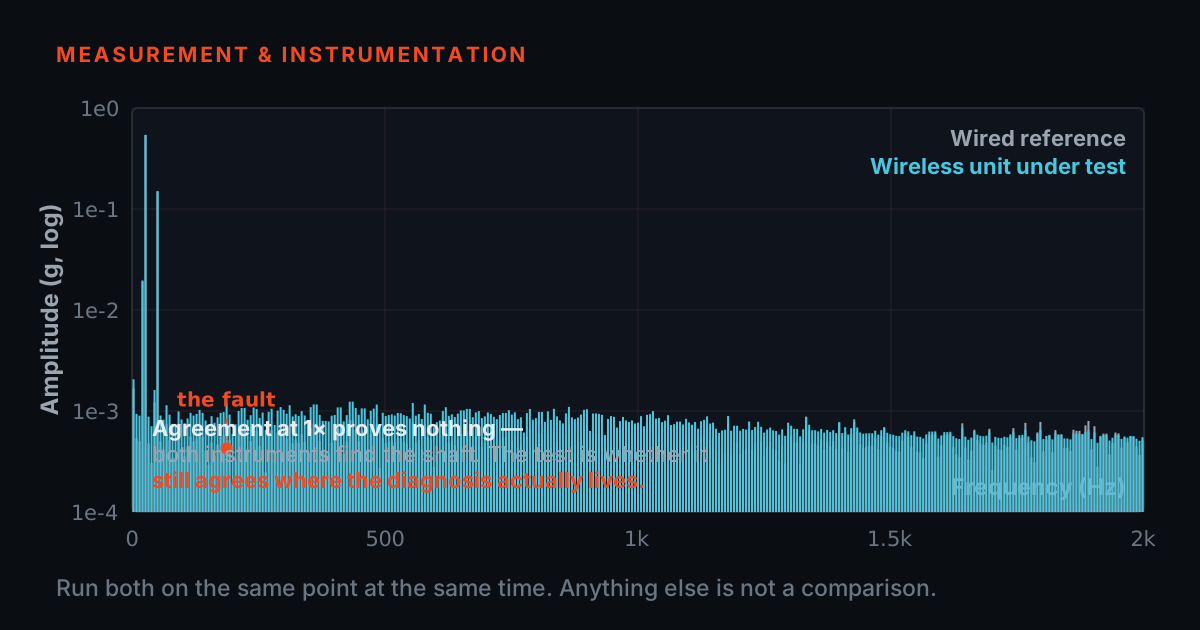
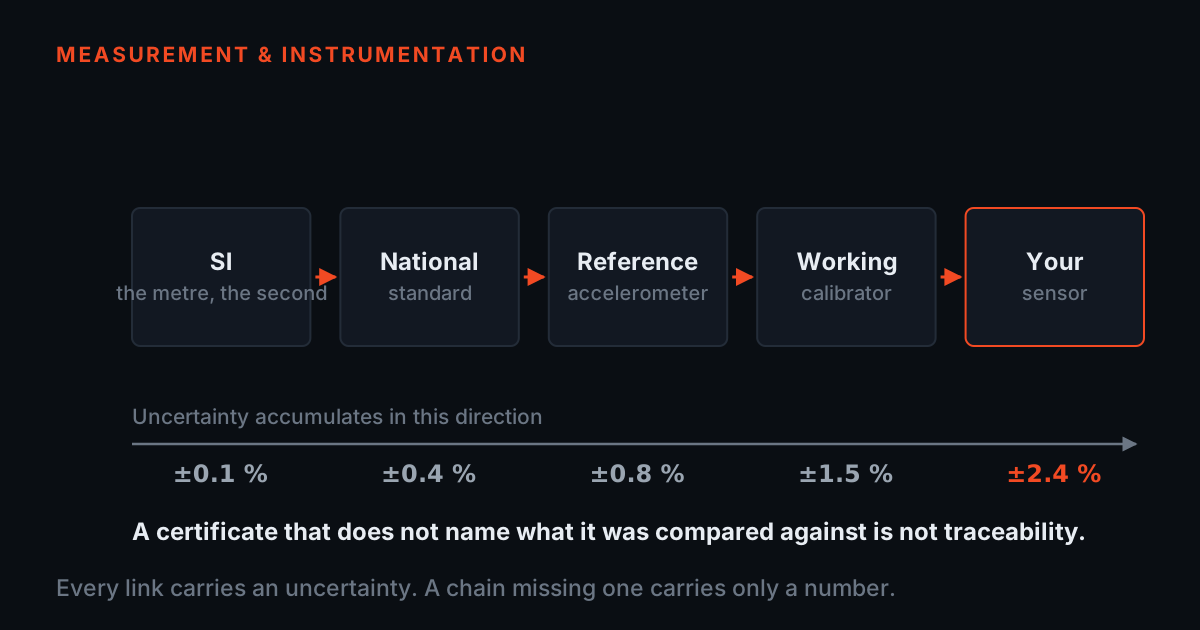
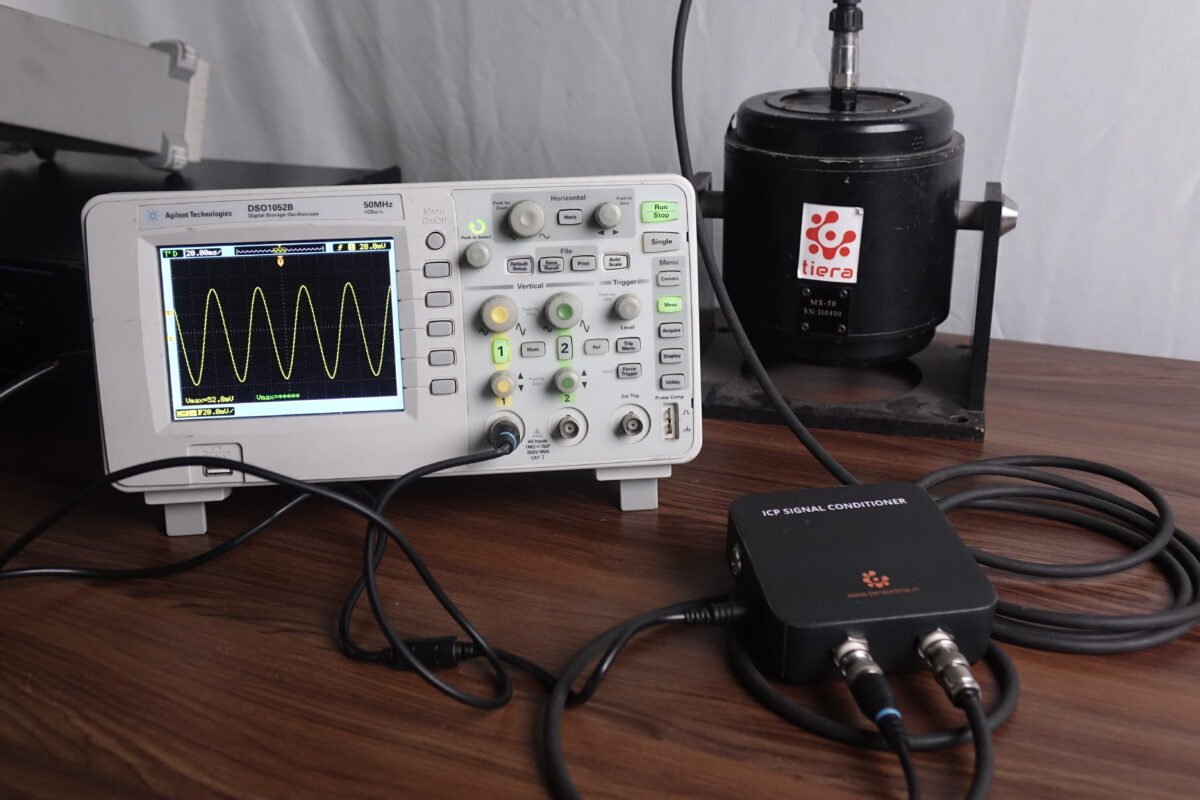
A calibration or comparison step should come first. Mount the wireless unit and a reference accelerometer on the same vibration input, then sweep the usable frequency range. Record amplitude deviation, phase deviation, repeatability, and any frequency bands where the wireless signal rolls off or becomes noisy.
This creates a device record before the sensor is placed on a machinery fault rig. Without this step, it is difficult to separate a sensor limitation from a real fault signature.
Use known faults for algorithm validation
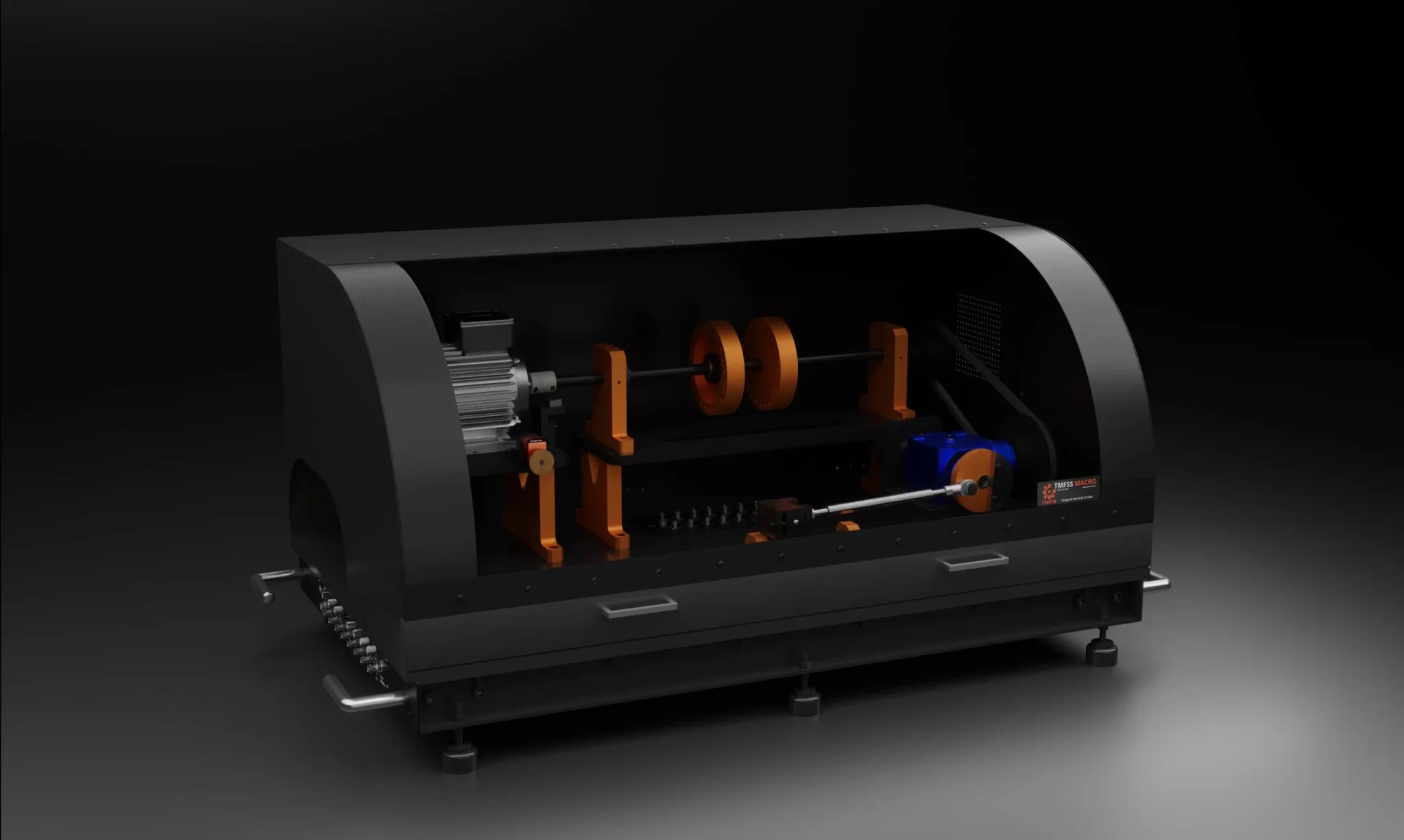
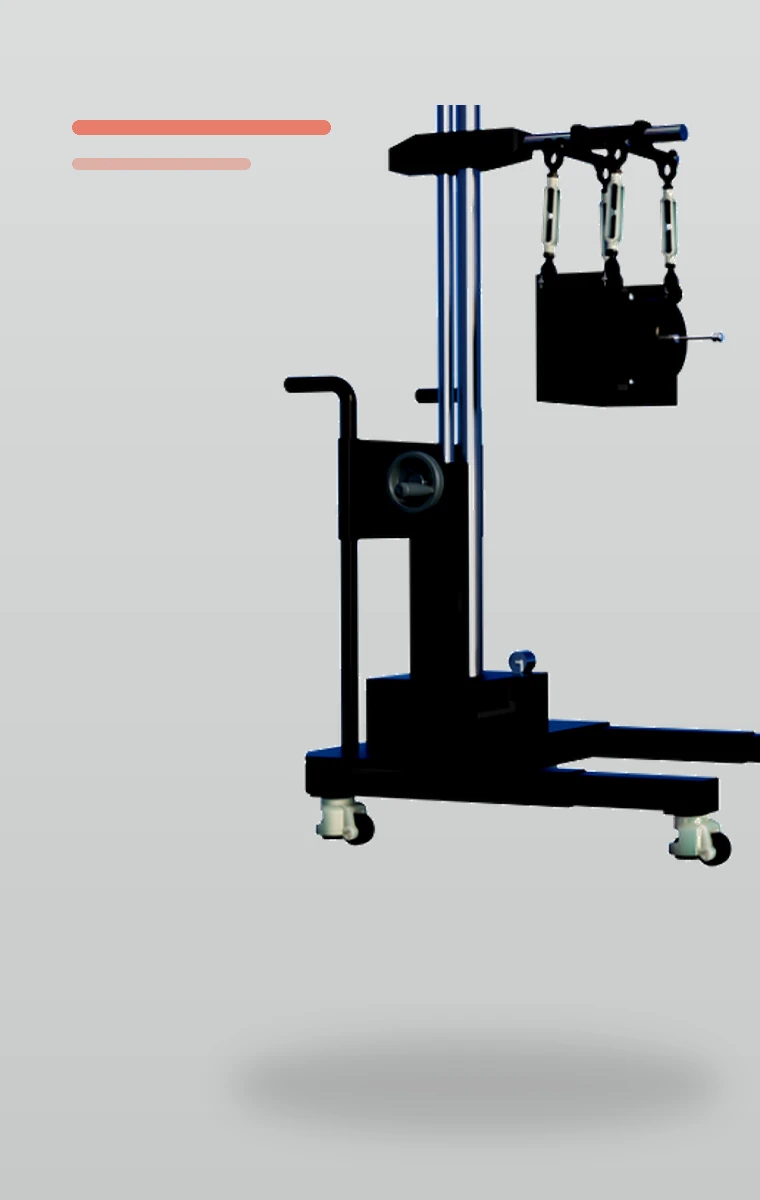
Once the sensor is characterised, the TMFSS can provide repeatable fault signatures. Run healthy baseline, unbalance, misalignment, bearing defects, looseness, and other controlled conditions while capturing a wired reference signal in parallel.
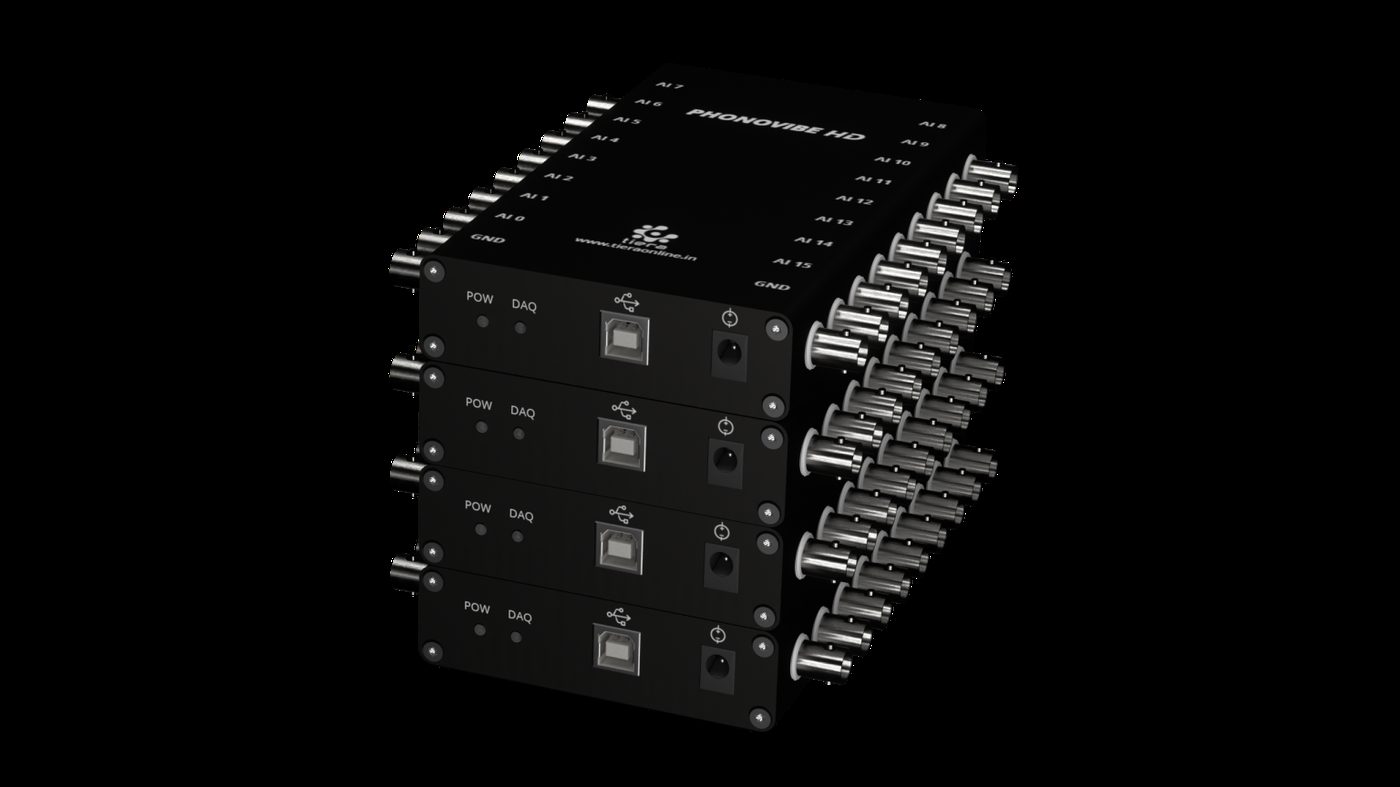
The wireless stream becomes the test signal. The wired PhonoVibe stream becomes the reference. Together they form labelled signal pairs that can be used for firmware validation, edge analytics, cloud model training, and customer demonstrations.
What a serious validation report should show
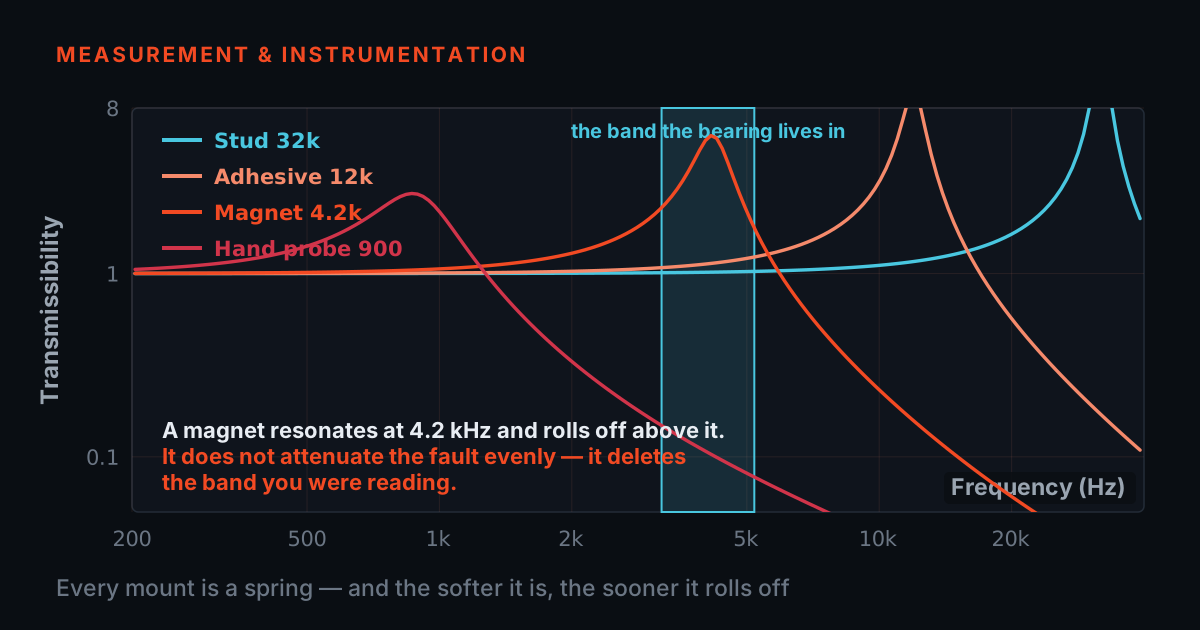
A strong report includes test setup, sensor location, mounting method, sampling settings, frequency response comparison, phase comparison, repeatability, fault class results, and example time and frequency plots. It should also state where the wireless sensor performs well and where engineering limits remain.
That honesty is useful. Customers do not only need a perfect-looking graph; they need to know the operating envelope where the sensor can be trusted.
From the TIERA store
The kit for this job
What we would actually put in front of someone doing the measurement this post describes — not the whole catalogue.
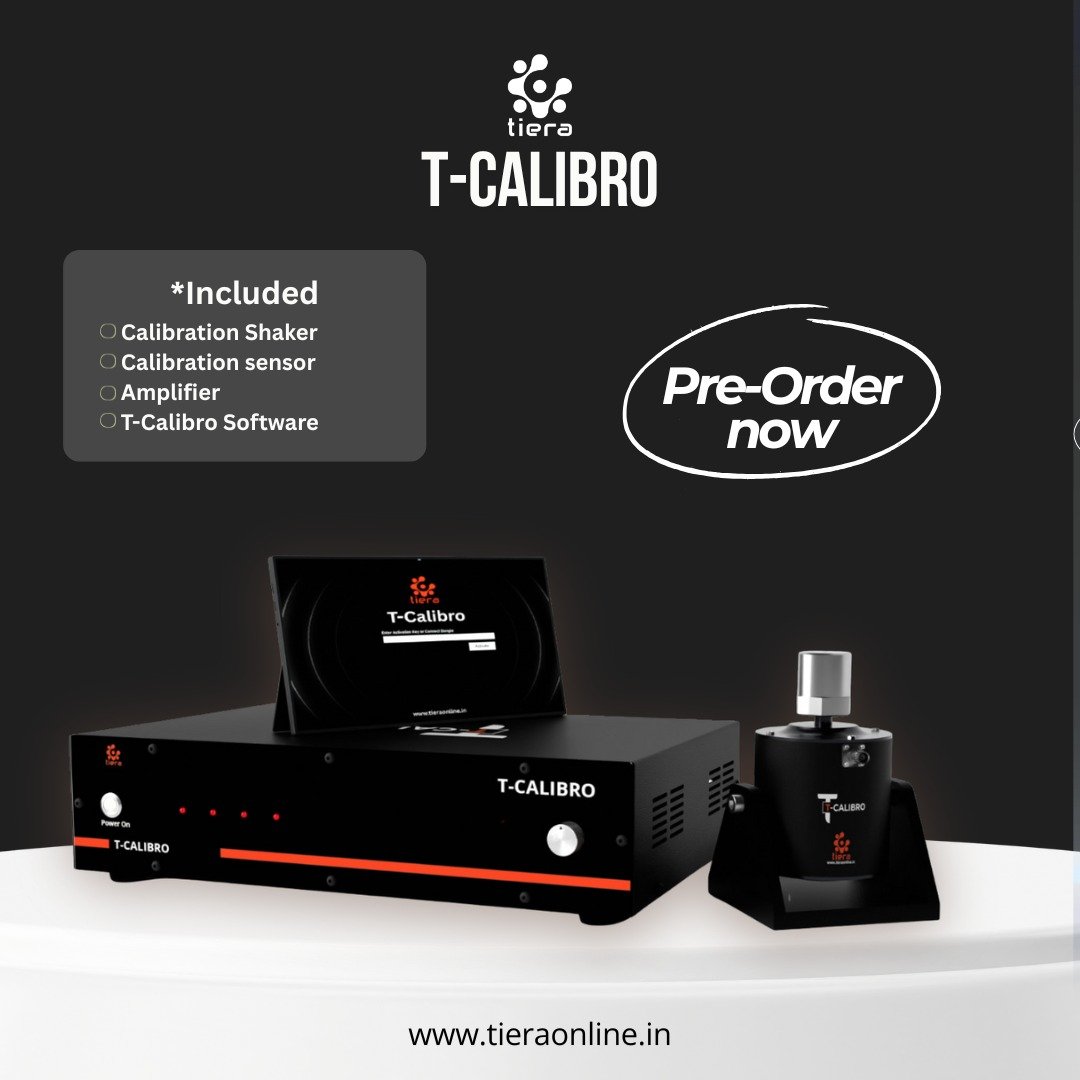 T-Calibro _ Precision Sensor Calibration Device for Accelerometers & Vibration SensorsT-Calibro is a high-performance PC-based vibration calibrator designed to calibrate and verify the working conditions of accelerometers, velocity sensors, and vibration meters. It provides stable, traceable vibration signals and supports IEPE, charge and voltage-type sensors, ensuring complete flexibility for industrial, laboratory, and R&D environments.₹18,00,000View →
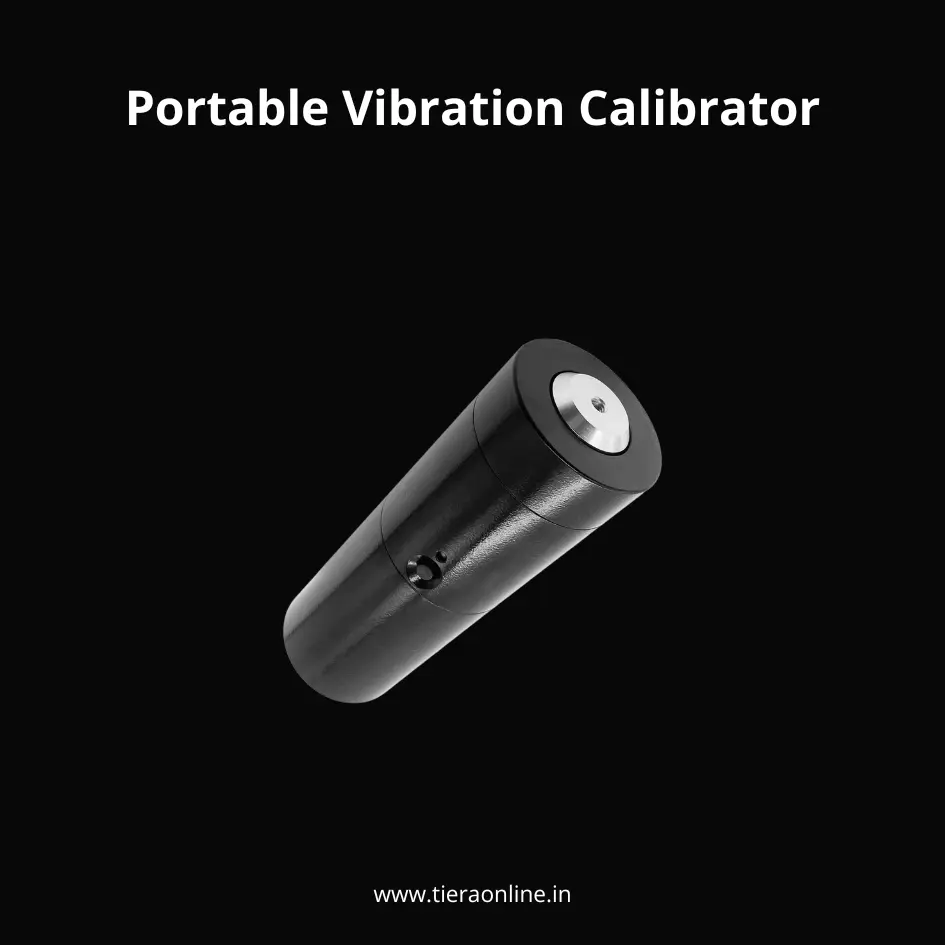 VC 01- Portable Vibration CalibratorVibration Calibrator Rapid judgement of measurement system integrity. Rapid measurement of the Sensitivity of the Acceleration/ Velocity/Displacement sensors. Battery powered with automatic shutdown. Self-contained vibration reference. Small size. Light weight₹1,41,000View →
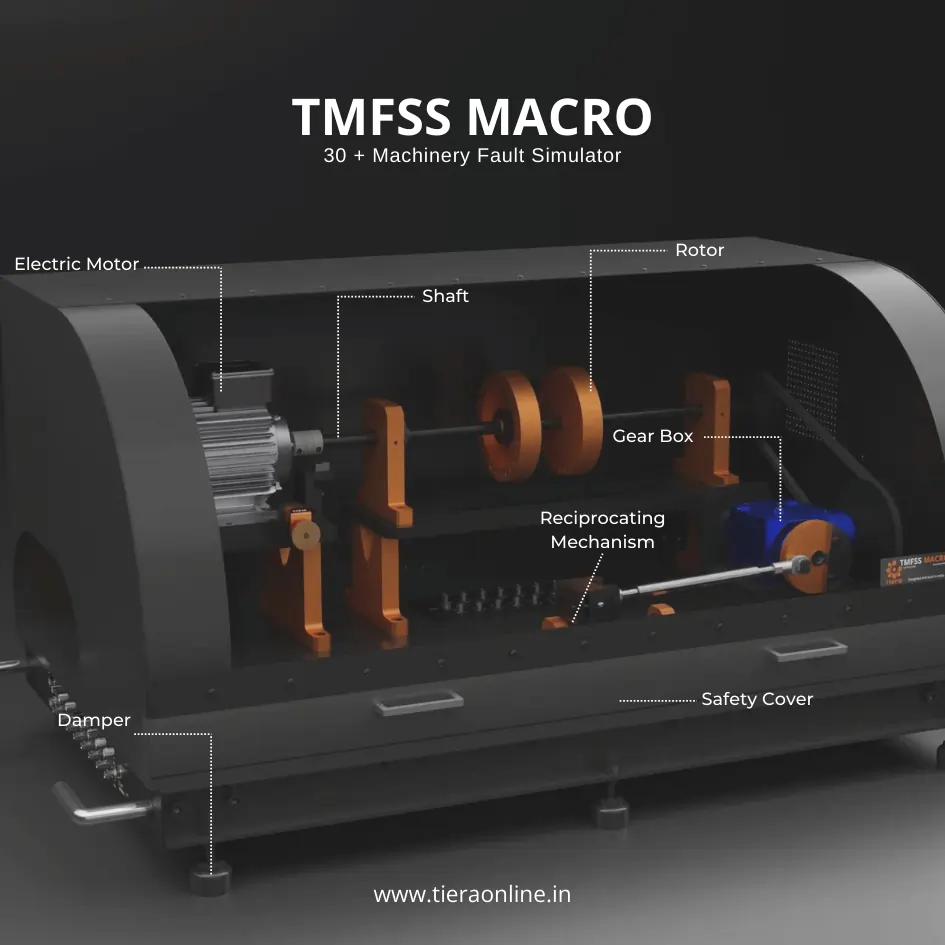 Machinery Fault Signature SimulatorTiera’s Machine Fault Simulator (TMFSS) is a valuable tool for industries and researchers, simulating over 30 real-world faults such as: Bearing faults: outer race defects, inner race defects, cage defects. Motor faults: stator faults, rotor faults, electrical unbalance. Gearbox faults: gear wear, misalignment, gear tooth damage. And more.₹13,53,600View →
Use cases