Published · Updated
Acoustic Impedance and Transmission Loss Measurement of Materials
How impedance tube testing helps labs measure absorption coefficient, acoustic impedance and transmission loss for foams, liners, panels and enclosure materials.
Why material acoustics needs controlled testing
Acoustic materials are often judged in complex spaces where reflections, mounting conditions and background noise make the result difficult to interpret. An impedance tube gives the lab a controlled normal-incidence sound field, so materials can be compared under repeatable conditions.
For R&D teams, this is useful because a foam, liner, fabric, perforated panel or enclosure layer can be tested before it is installed inside a vehicle, duct, room or machine guard.
Absorption coefficient and acoustic impedance
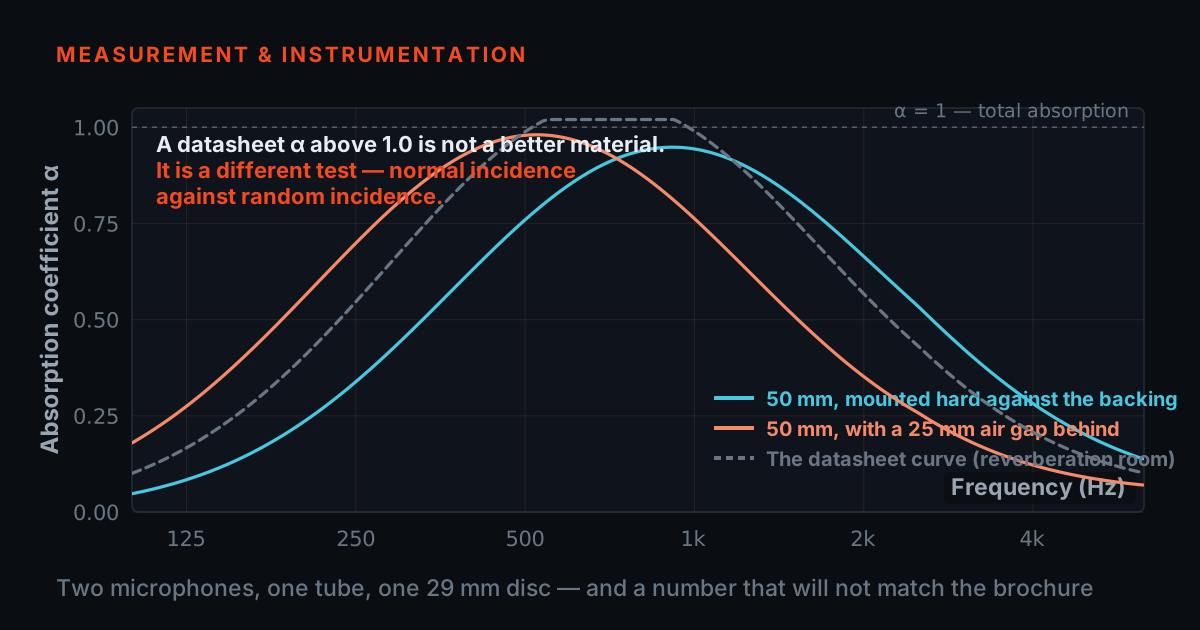
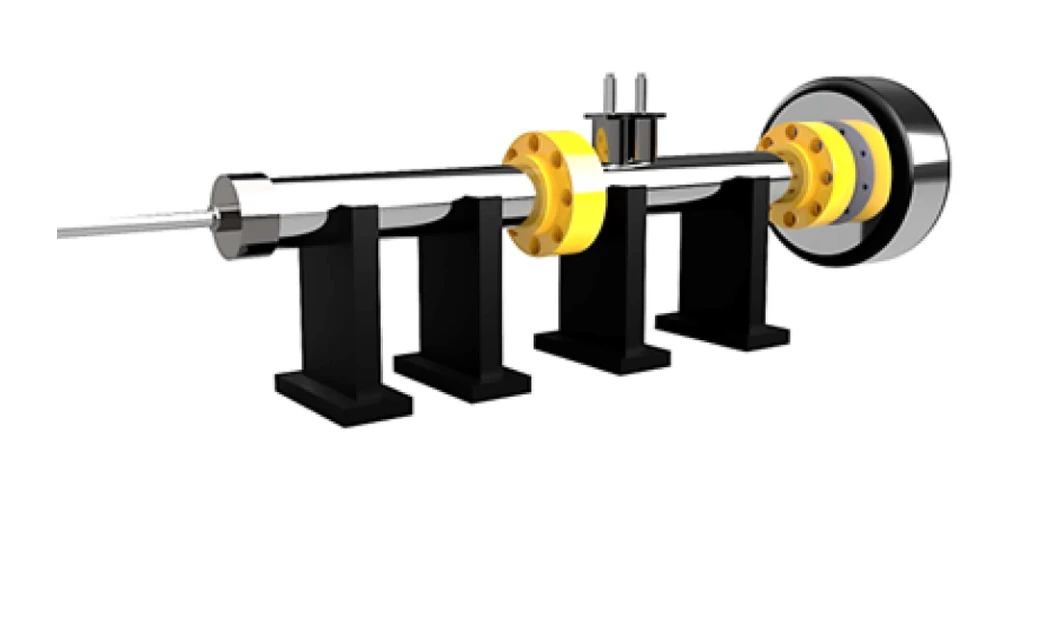
In an absorption test, microphones mounted along the tube measure the sound pressure field before the sample. From the transfer function between microphone positions, the software estimates reflection behaviour, absorption coefficient and impedance-related quantities.
This tells the engineer how much incident sound energy is absorbed by the sample at each frequency. The result is more useful than a single rating because material behaviour often changes sharply across low, mid and high bands.
Transmission loss: how much sound gets through
Transmission loss testing evaluates how much sound passes through a sample. The tube arrangement measures the pressure field on the incident and transmitted sides, then calculates the loss across frequency.
In practical terms, this tells the engineer how much sound energy is blocked versus how much gets through the material system. (Note: this is a different quantity from structural "transmissibility", the dimensionless ratio of transmitted to input vibration used in isolation-mount work — transmission loss is an airborne-sound quantity expressed in dB.) Low transmission is desirable for barriers, covers, partitions and enclosure panels; controlled data helps compare candidate material stacks.
A T-Sonus lab workflow
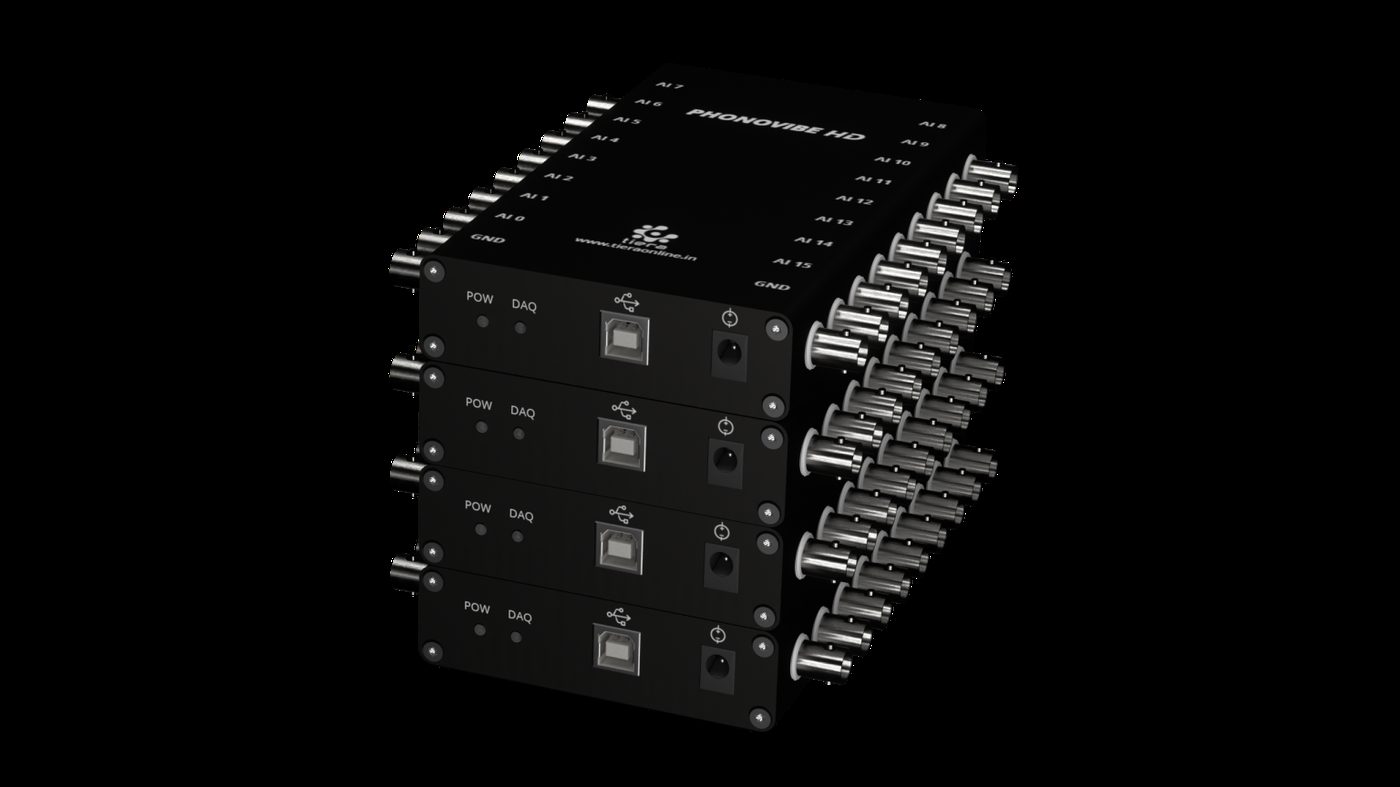
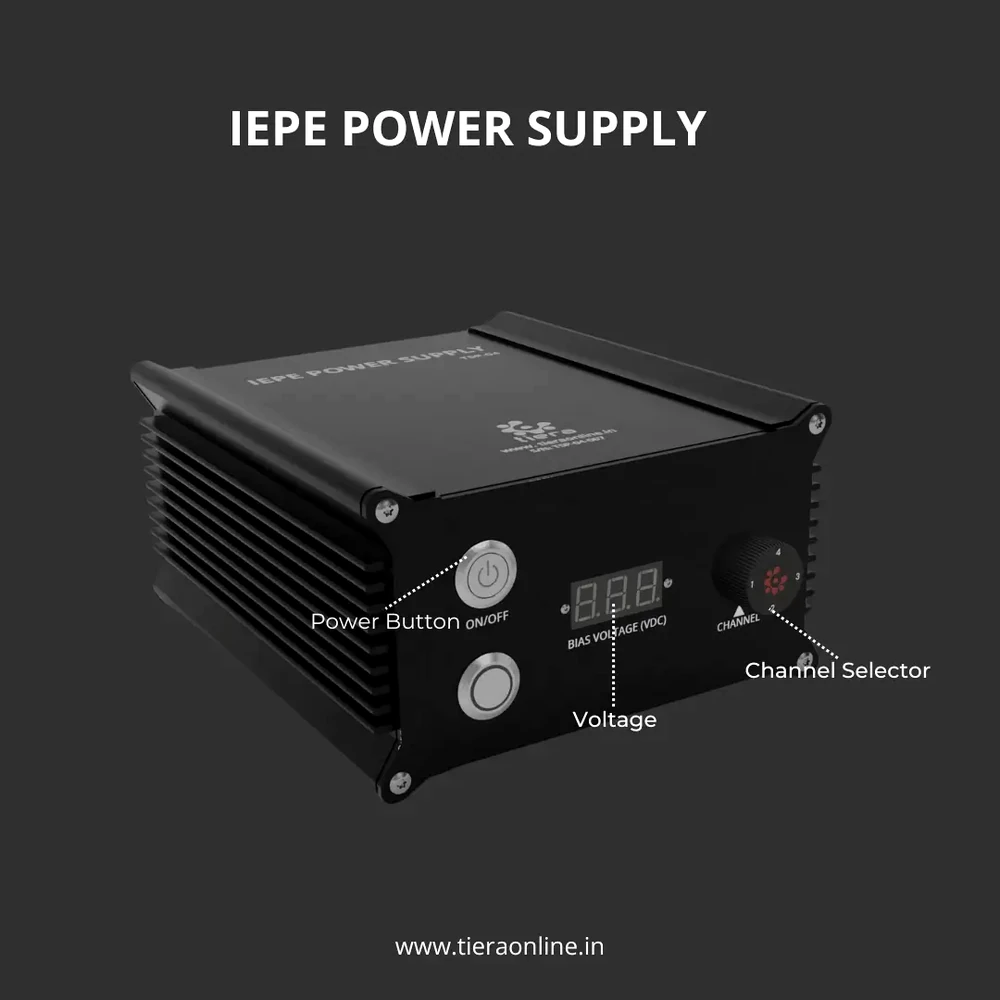
The T-Sonus kit supports 100 mm, 30 mm and 16 mm tube options to cover 50 Hz to 10 kHz across the tube set. Precision 1/4 inch microphones feed a four-channel acquisition system, while TSONUS software handles channel setup, calibration, SNR checks, phase calibration, measurement, averaging and reporting.
The workflow supports ISO 10534-2, ASTM E1050 and ASTM E2611 style testing, with 2, 3 or 4 microphone methods depending on the measurement. For documentation, the software can merge results from multiple frequency ranges, smooth the combined curve and export reports for comparison or submission.
From the TIERA store
The kit for this job
What we would actually put in front of someone doing the measurement this post describes — not the whole catalogue.
- T-Sonus Impedance TubeTIERA's impedance tube kit for acoustic material characterization. Combines 16 mm, 30 mm and 100 mm tube options, precision microphones, PhonoVibe DAQ, signal generation and TSONUS software to measure absorption coefficient and sound transmission loss.Request priceView →
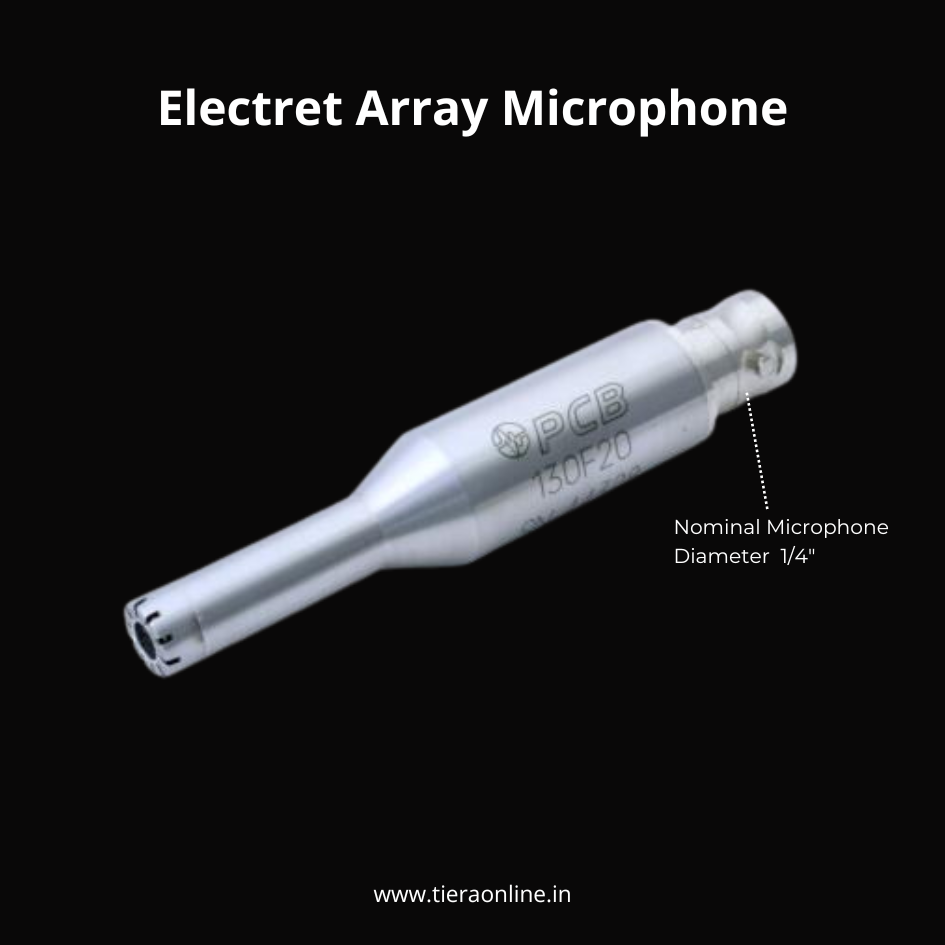 130F20 ICP® Electret Array MicrophoneICP® Array Microphone with integral preamplifier, BNC jack connector, TEDS Nominal Microphone Diameter: 1/4″ Sensitivity: 45 mV/Pa Inherent Noise: 29 dB re 20 µPa₹57,600View →
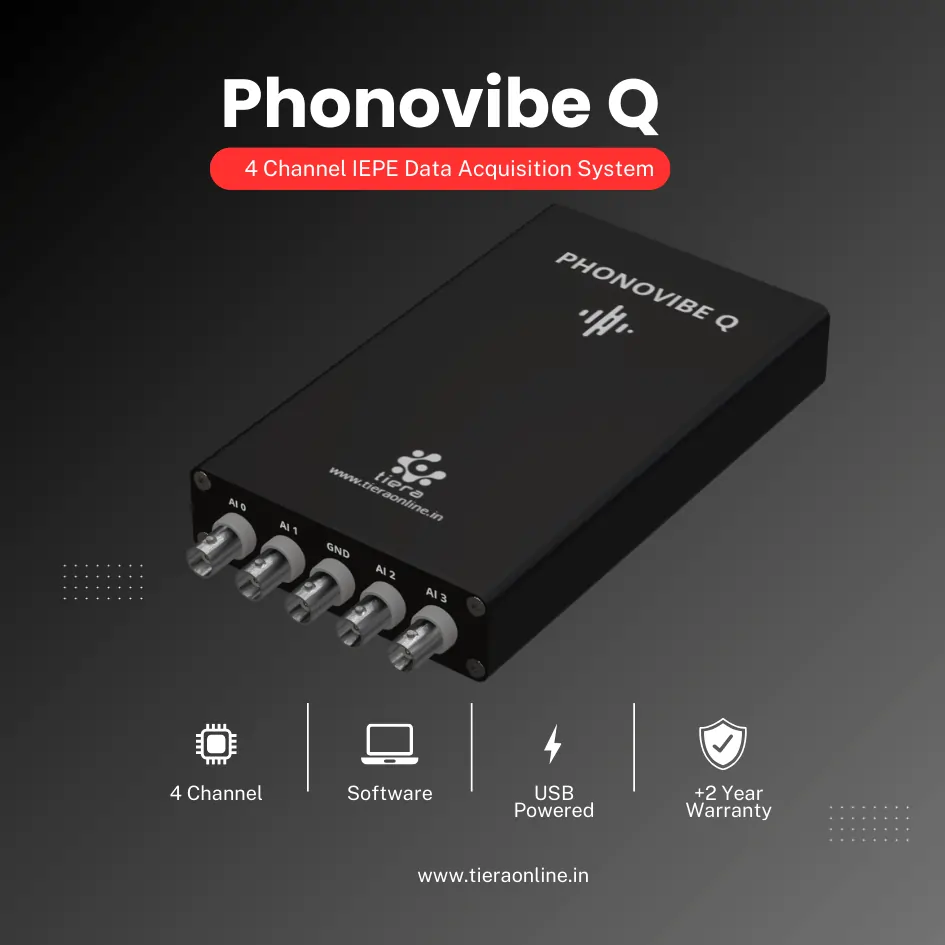 4 Channel IEPE Data Acquisition System – Phonovibe QFour Channels Standard plug & play USB Powered Take data from accelerometers, microphones, hammers, or any other IEPE Sensors T- VIB Software to acquire time waveforms, frequency spectra, overall vibration levels, FRF’s and octave measurements ** Windows 10 or above Operating System ** T-VIB Software base version comes with Time and Spectrum with Post processor TSAP 201. Check out TVIB Software regarding more module options.₹2,88,000View →
Use cases